The Value of the Landscape
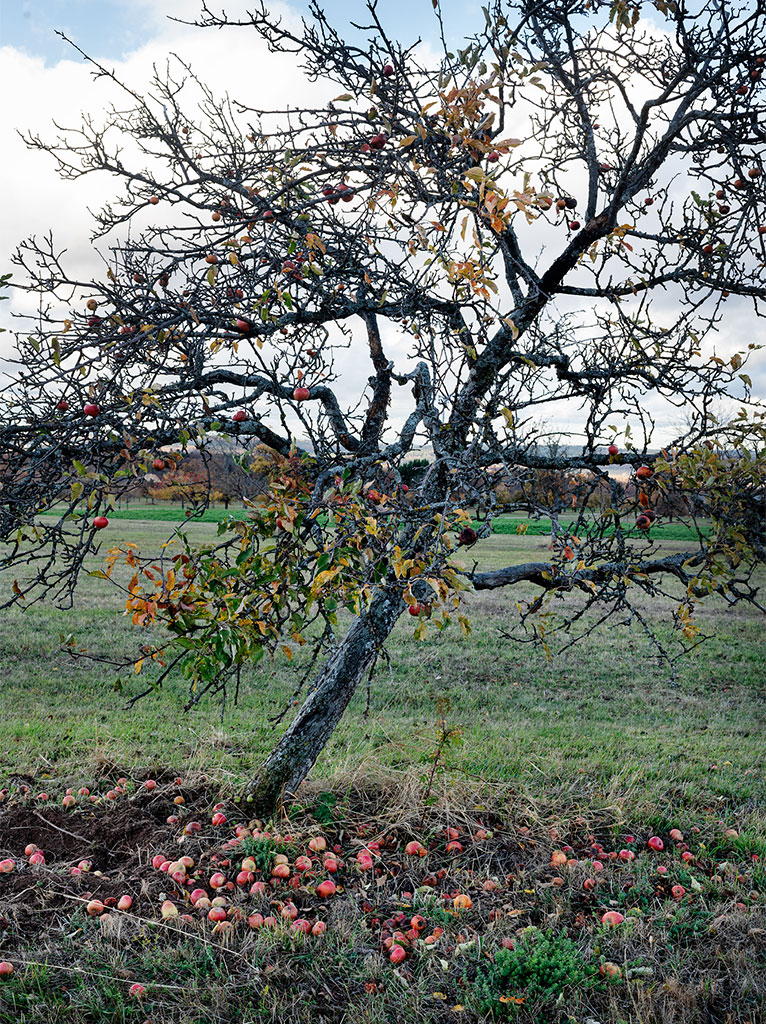
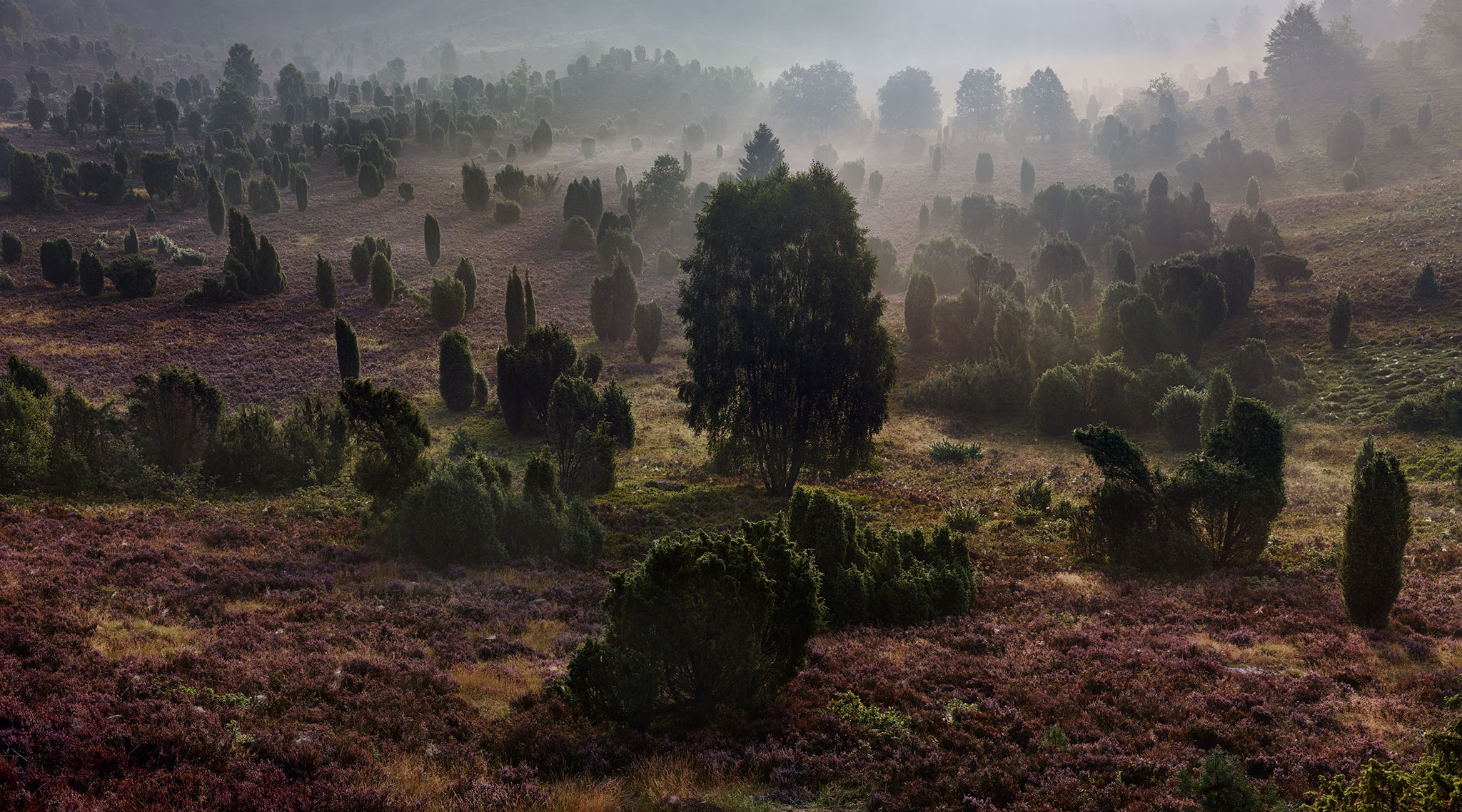
Germany’s Landscapes is a journey through the landscapes of Germany’s coasts, rivers, wetlands, forests and mountains.
The first photographs were commissioned by renowned magazines such as stern and GEO on topics such as geotopes and national parks and were later published as a book. Whilst working on this book, I expanded the series to include other photographs of landscapes that I felt were particularly important.
Landscapes have a special meaning for us and touch us emotionally. On my hikes, conversations about the significance and beauty of the landscapes we were travelling through came up time and again. Landscapes tell stories and quite a few people associate important personal experiences with them.
When and why do we perceive a landscape as ‘beautiful’? What features characterise it and which landscapes are actually worth protecting?
This also raises the question of who sets these parameters and how they are defined. I looked for guidance in the Federal Nature Conservation Act, which protects the beauty of a landscape on the basis of its intrinsic value. It obliges us to preserve nature and landscape in such a way that ‘diversity, character and beauty as well as the recreational value are permanently secured’ (BNatSchG § 1 para. 1). These considerations were central to understanding the emotional and cultural value of landscapes.
I tried to understand which landscapes are important to people, which have even become a place of longing, and I looked at many and photographed some.
Clients often asked for images that were spectacular, idyllic or even dreamlike – attributes that are often associated with successful landscape photography. This tendency to exaggerate still gives me a bad feeling today, because it often obscures the essentials: the authenticity of a landscape, its stories and its value for us.
I’m not interested in how perfect a landscape looks, but how we experience it, what connections we build with it and how we interact with it.
Landscapes are not a backdrop. They are part of our identity, our history – and our responsibility.