The Celts
The People from the Dark
The Celts ruled over large parts of Europe for eight centuries – but when the mysterious civilisation merged with the Roman civilisation at the turn of the century, almost nothing was left behind.
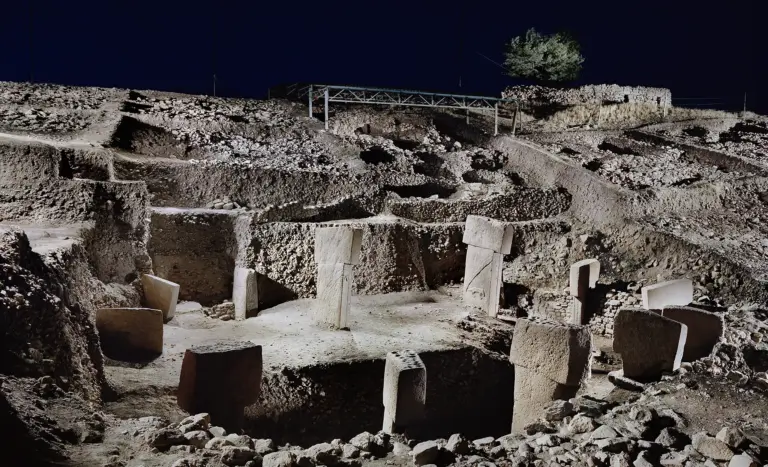
For the tribes left behind hardly any inscriptions and no historical works. Only the soil preserved their heritage: Graves, ruins and sanctuaries still bear witness to the magic of a bygone culture.
I photographed many important sites of the Celts in Central Europe for the magazines GEO Epoche and GEO.
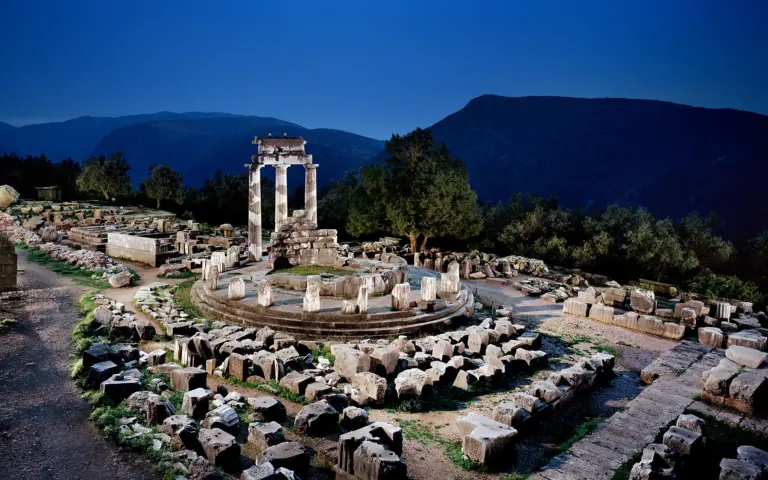
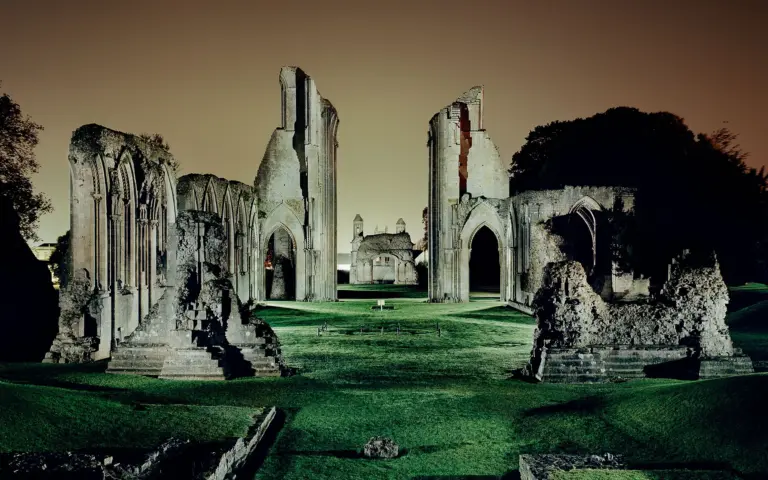
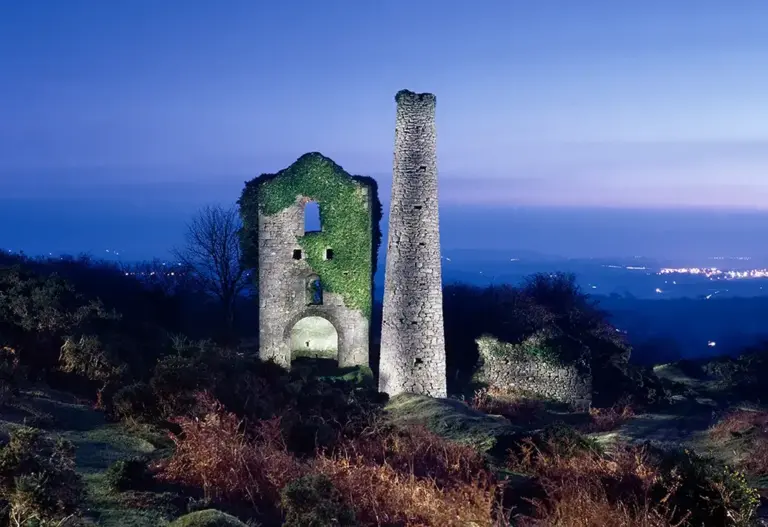
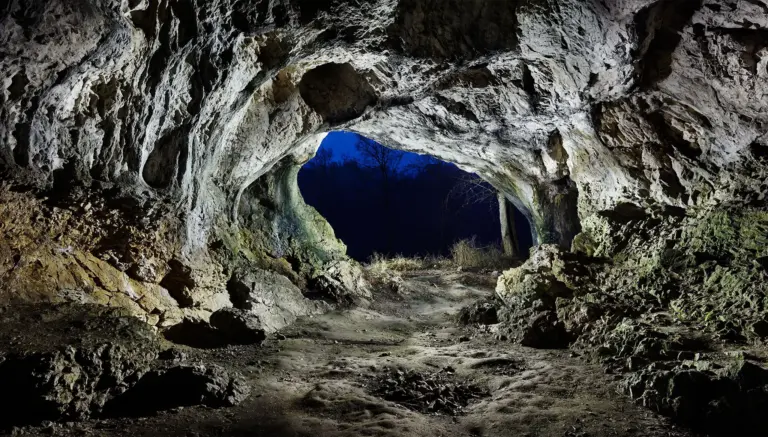
Although each place was artificially illuminated by me with my lighting technique, each place has its own light. If you look closely – and you should – you realise how different the effect of the light can be and how this brings out the theme of each motif.
Hardly anyone may imagine the enormous amount of time, the freezing cold nights with frozen lenses, but for a successful picture we had to come up with a lot.
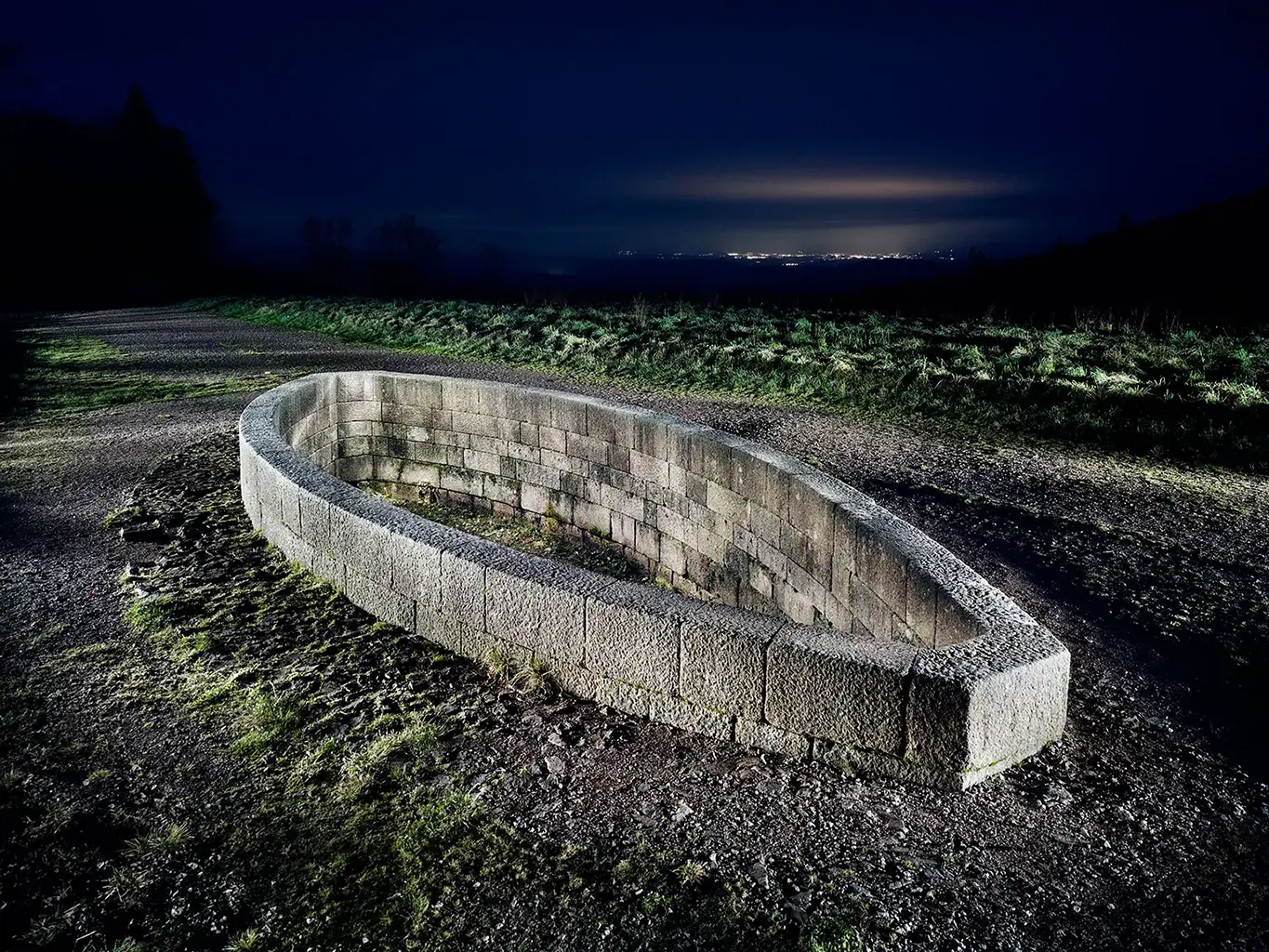
Bibracte, France
Monumental basin in the Oppidum of Bibracte. Bibracte on Mount Beuvray near Autun was the capitol of the Aedui, the most important gallic (celtic) tribe in Gaul (Gallia).
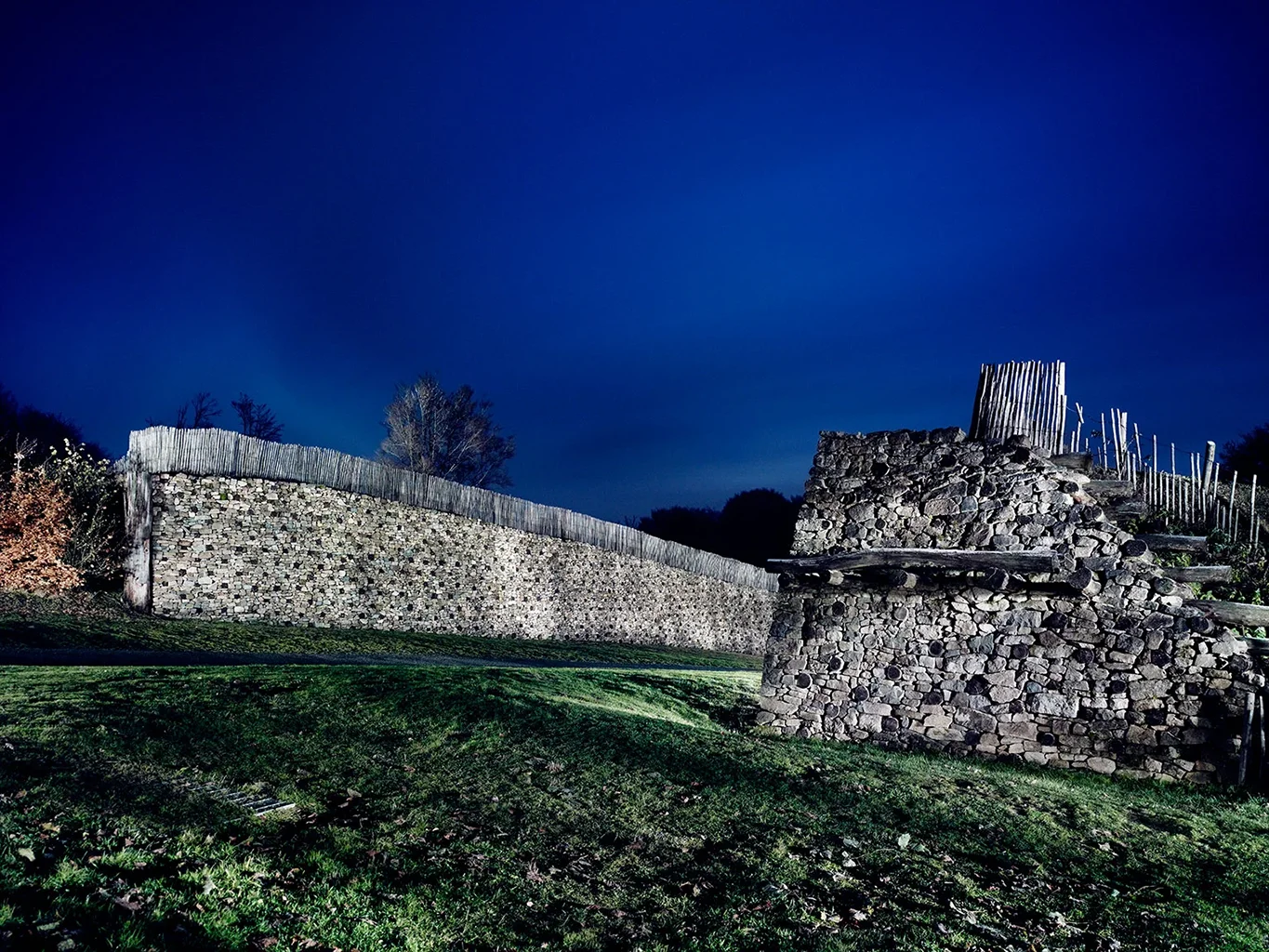
Bibracte, France
Porte du Rebout, the massive main portal of the city wall (Murus Gallicus) of Bibracte.
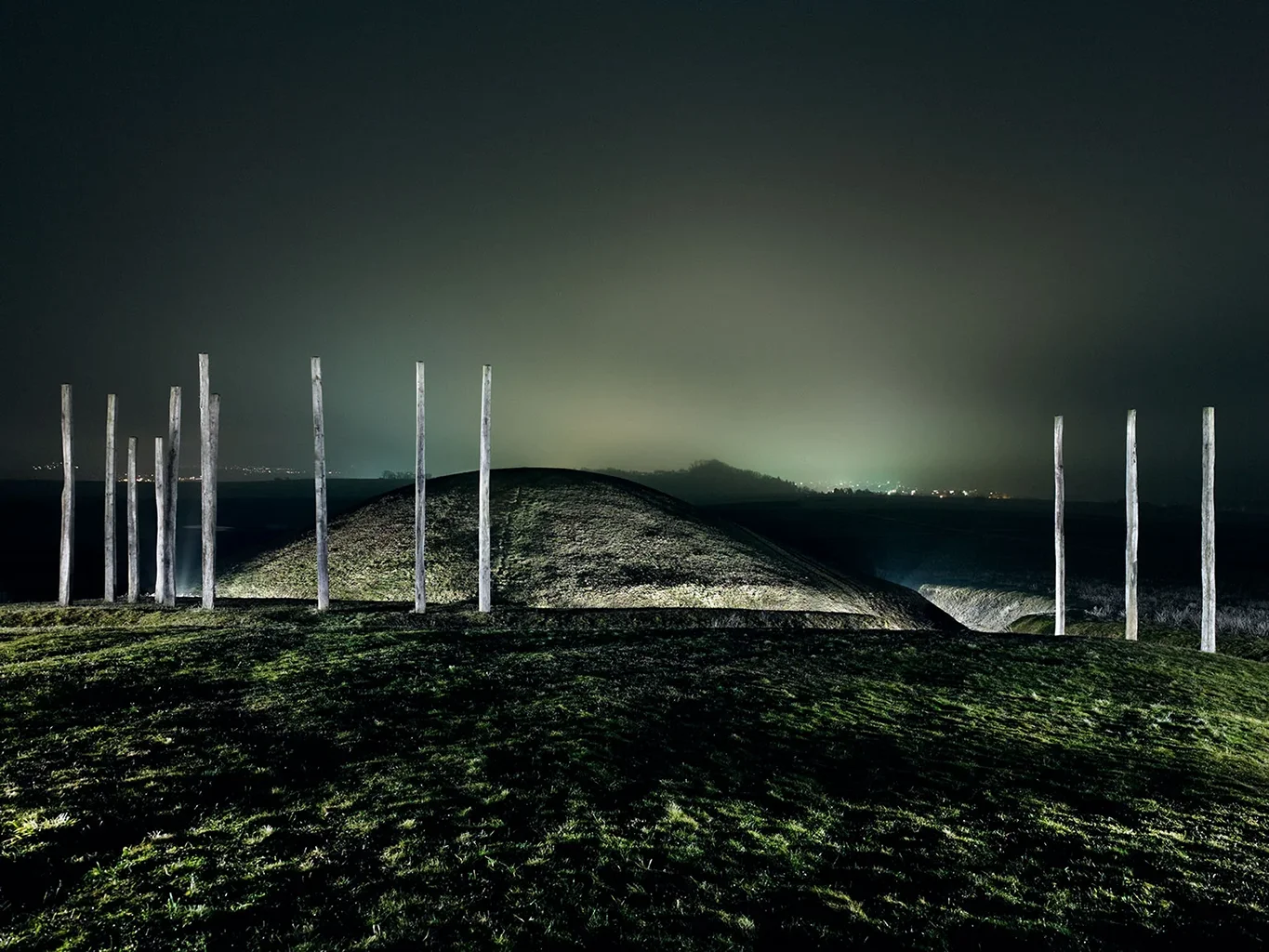
Glauberg, Germany
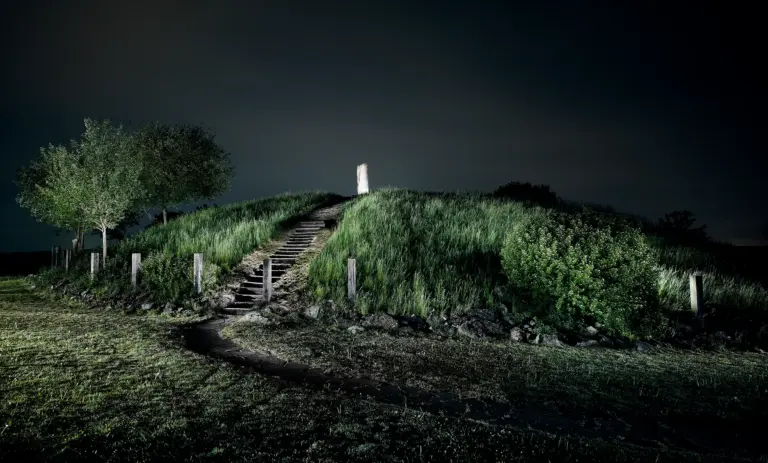
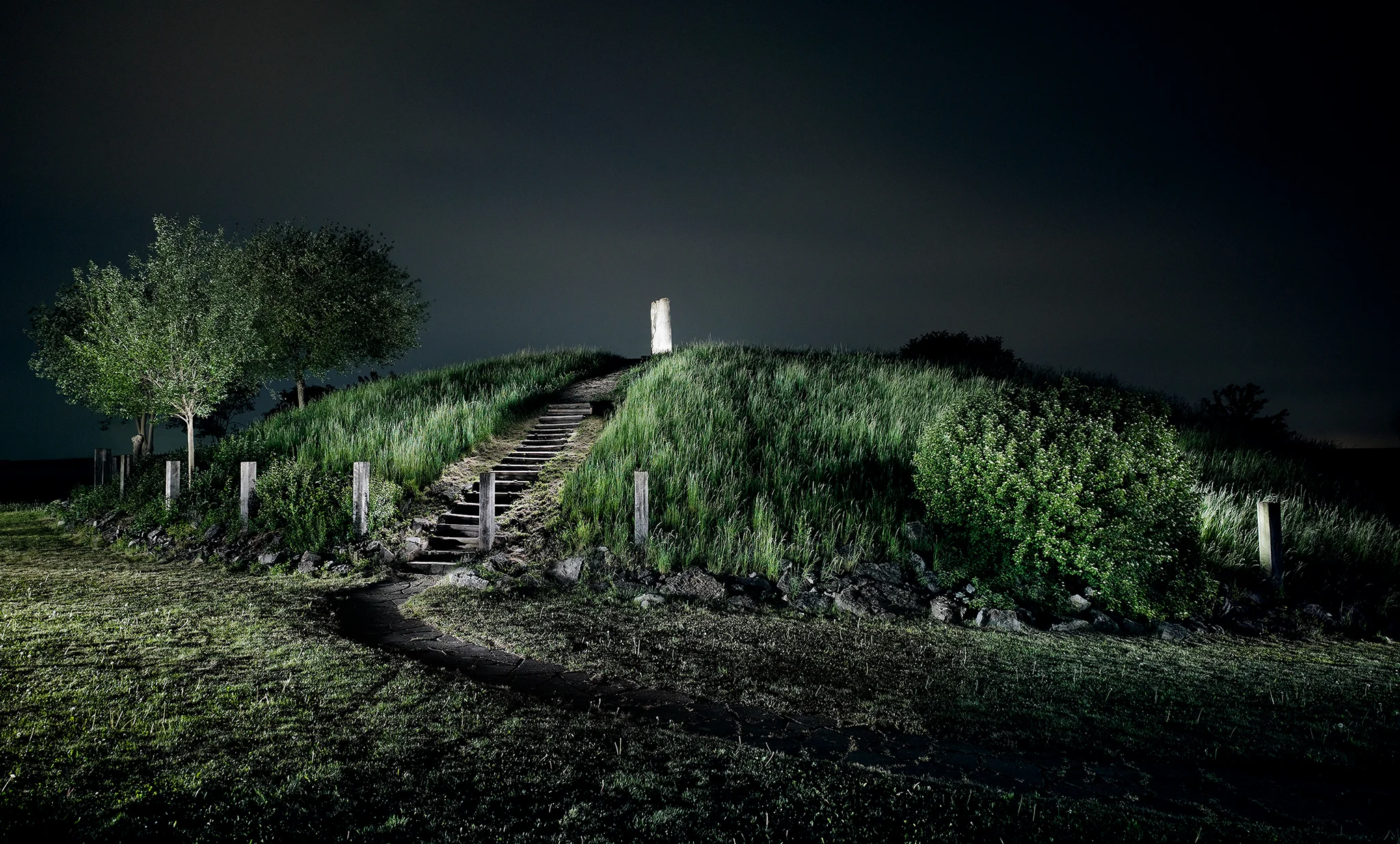
Celtic burial mound no. 1 on the Glauberg. A 350 m long procession road leads to this monument where two nobles were buried.
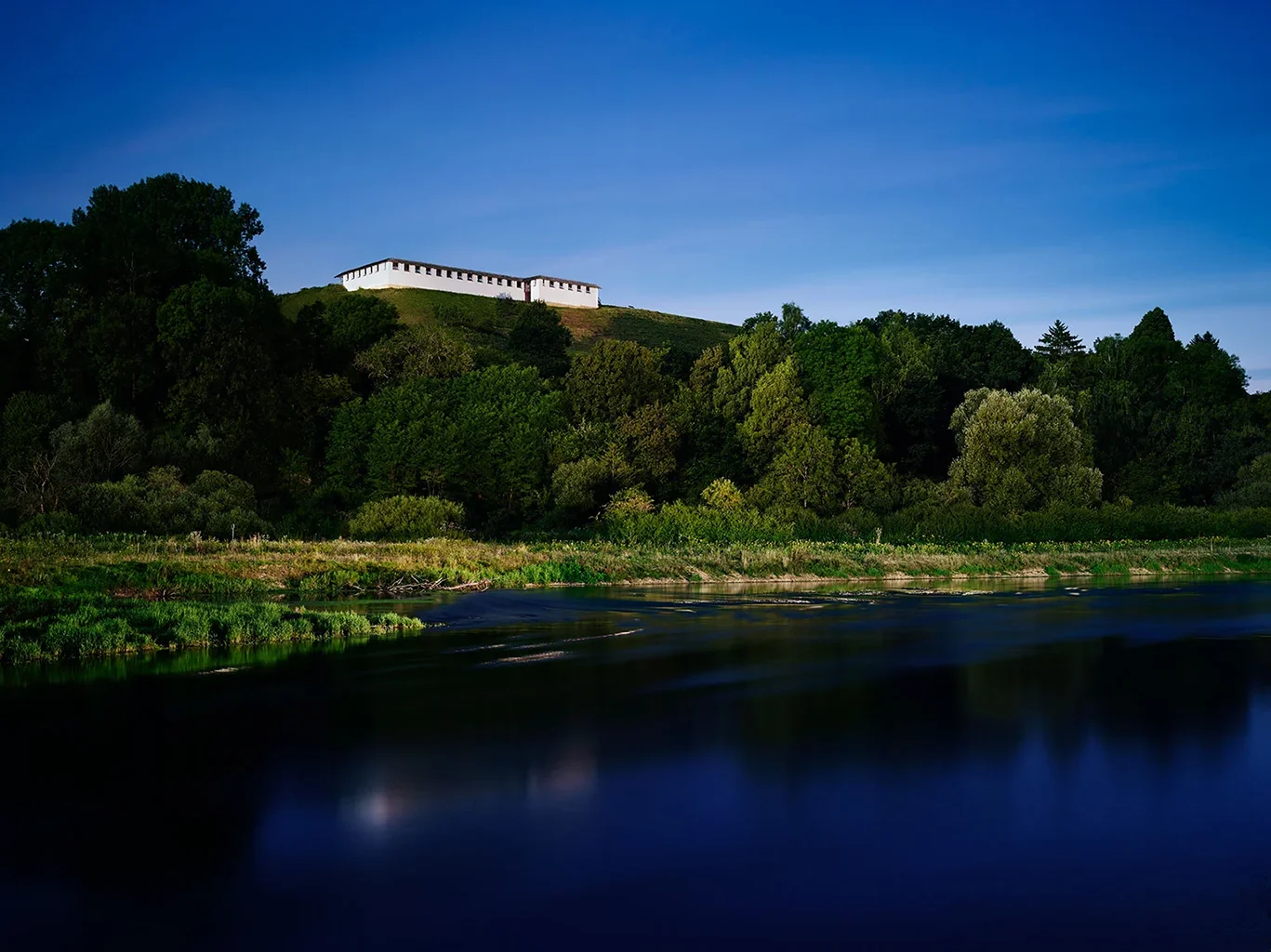
Heuneburg, Germany
On mountains and heights, like here on the Heuneburg above the Danube River near Hundersingen, Celtic princes resided who owed their wealth to the flourishing trade.
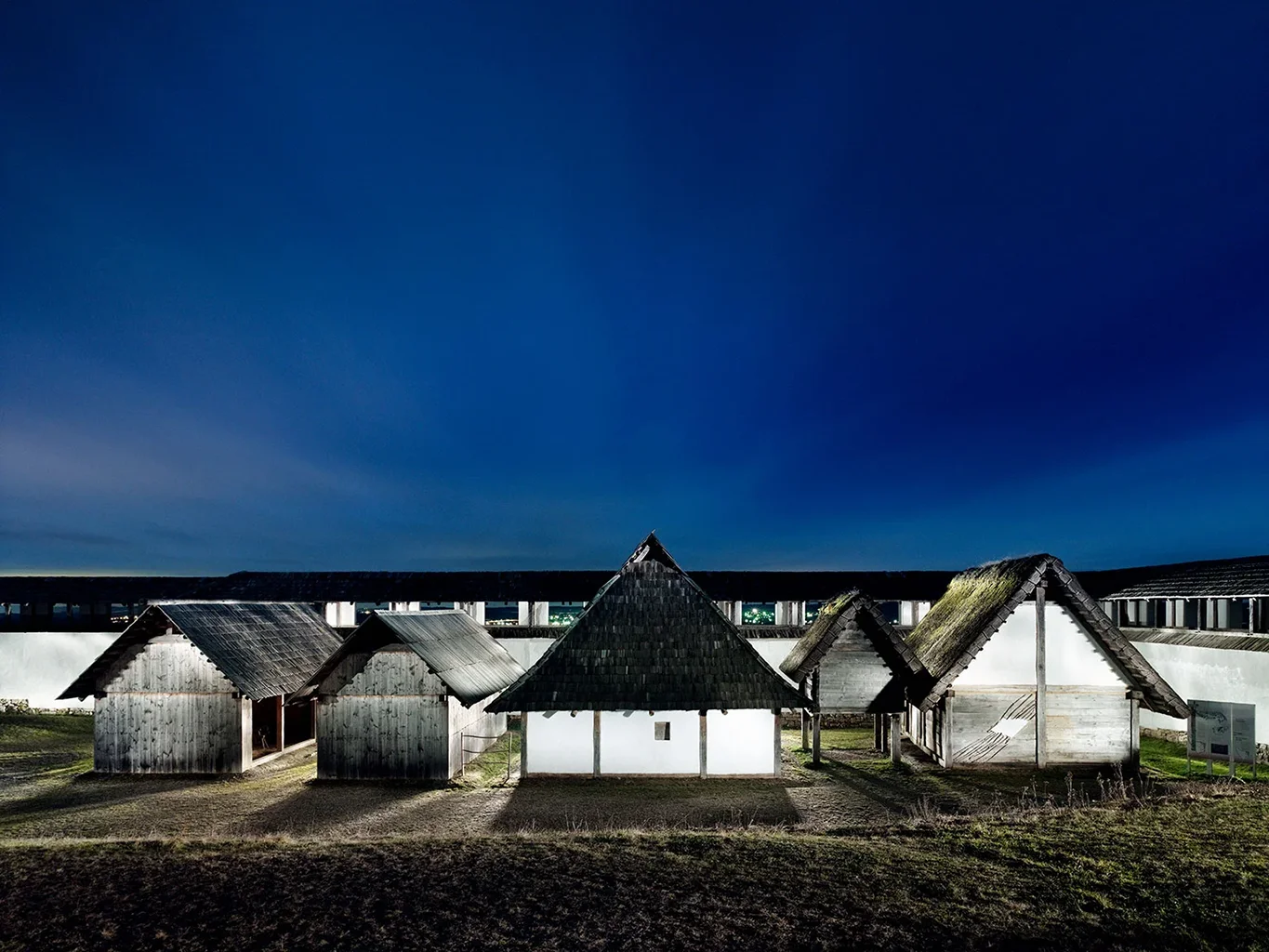
Heuneburg, Germany
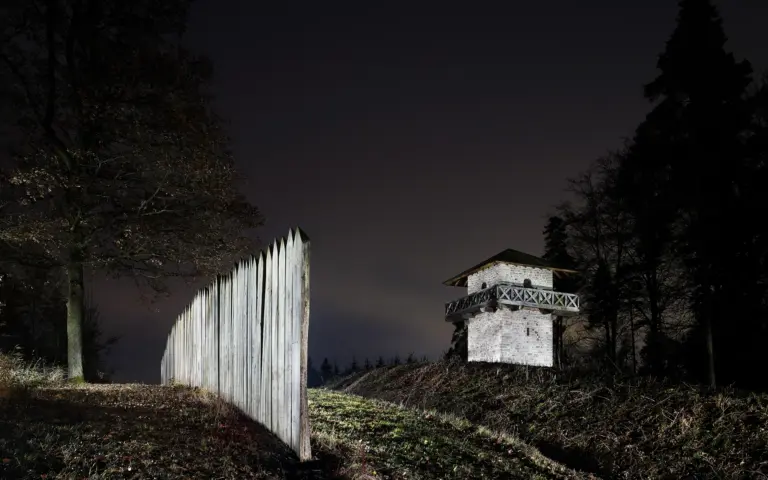
As a sign of their power and as protection against enemies, the rulers erected huge walls. The bulwark of the Heuneburg once measured around 750 metres - researchers have reconstructed part of it.
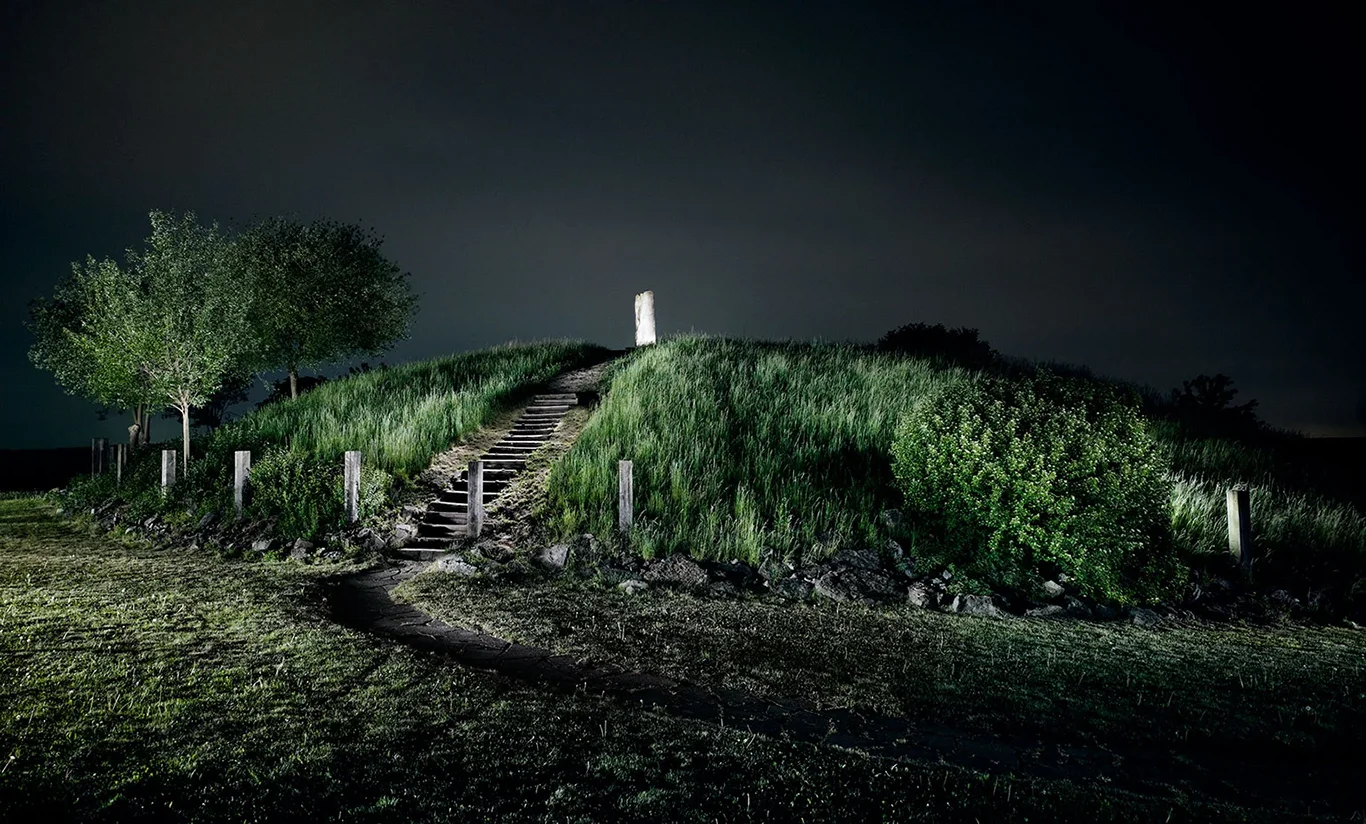
Hochdorf, Germany
Celtic burial mound of the Hallstatt period. This grave was never robbed and so researchers were able to recover important burial treasures.
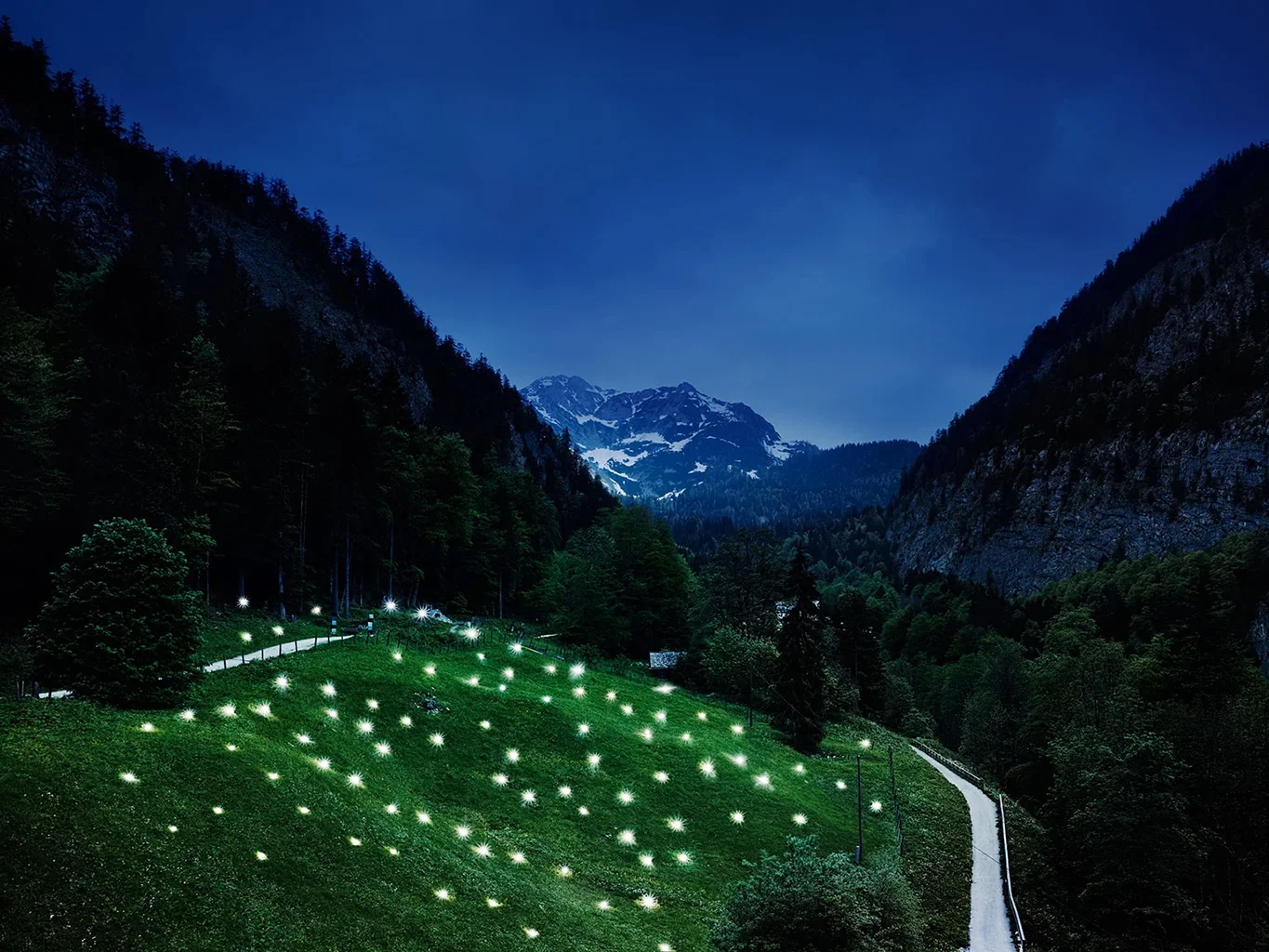
Hallstatt, Austria
Beneath the ground in the high mountain valley at the Salzberg is a large prehistoric burial site from the Celtic period with more than 1000 burials.
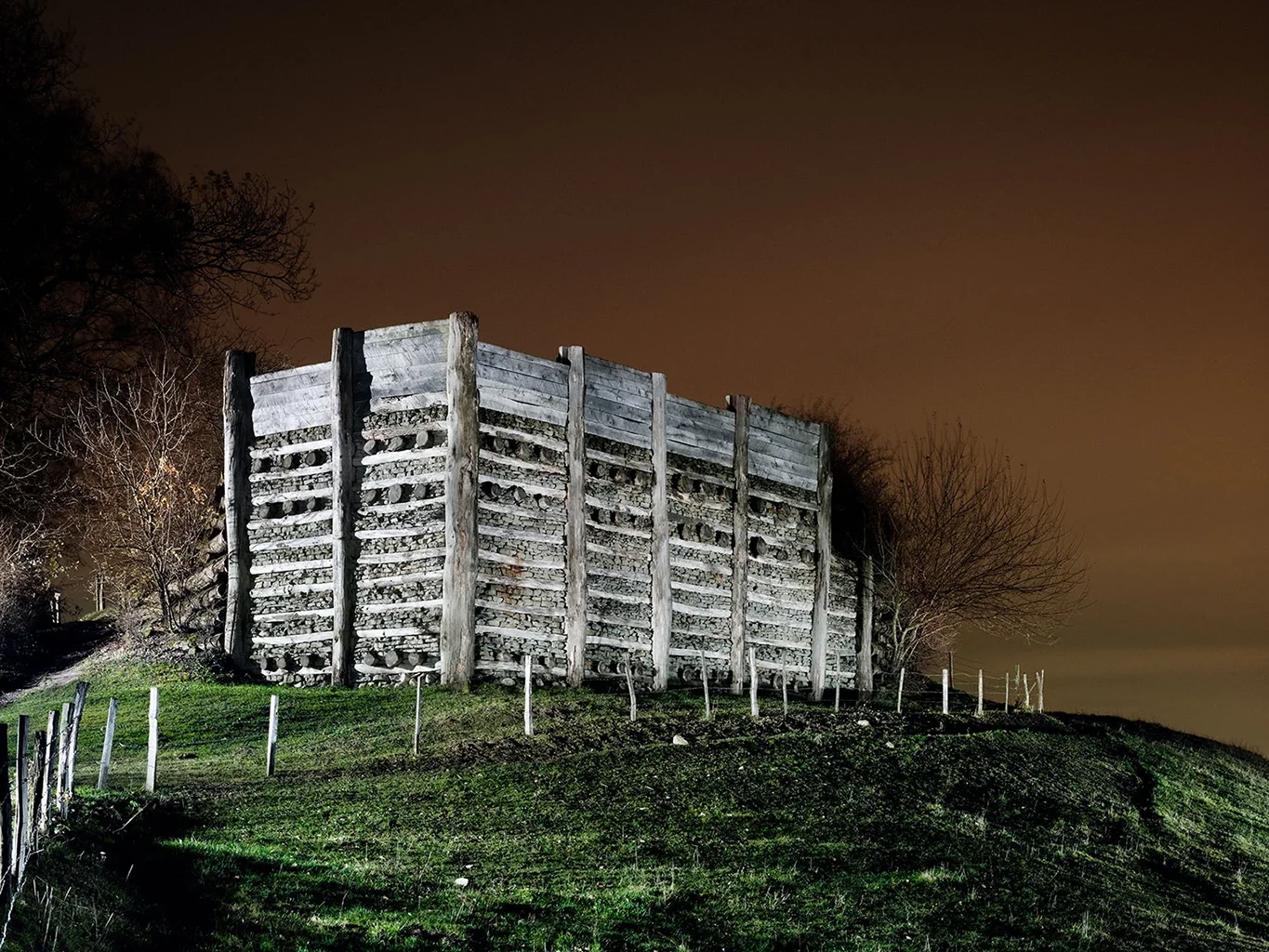
Mont Vully
Reconstruction of a rampart of the celtic Oppidum Bas-Vully on Mount Vully, Switzerland.
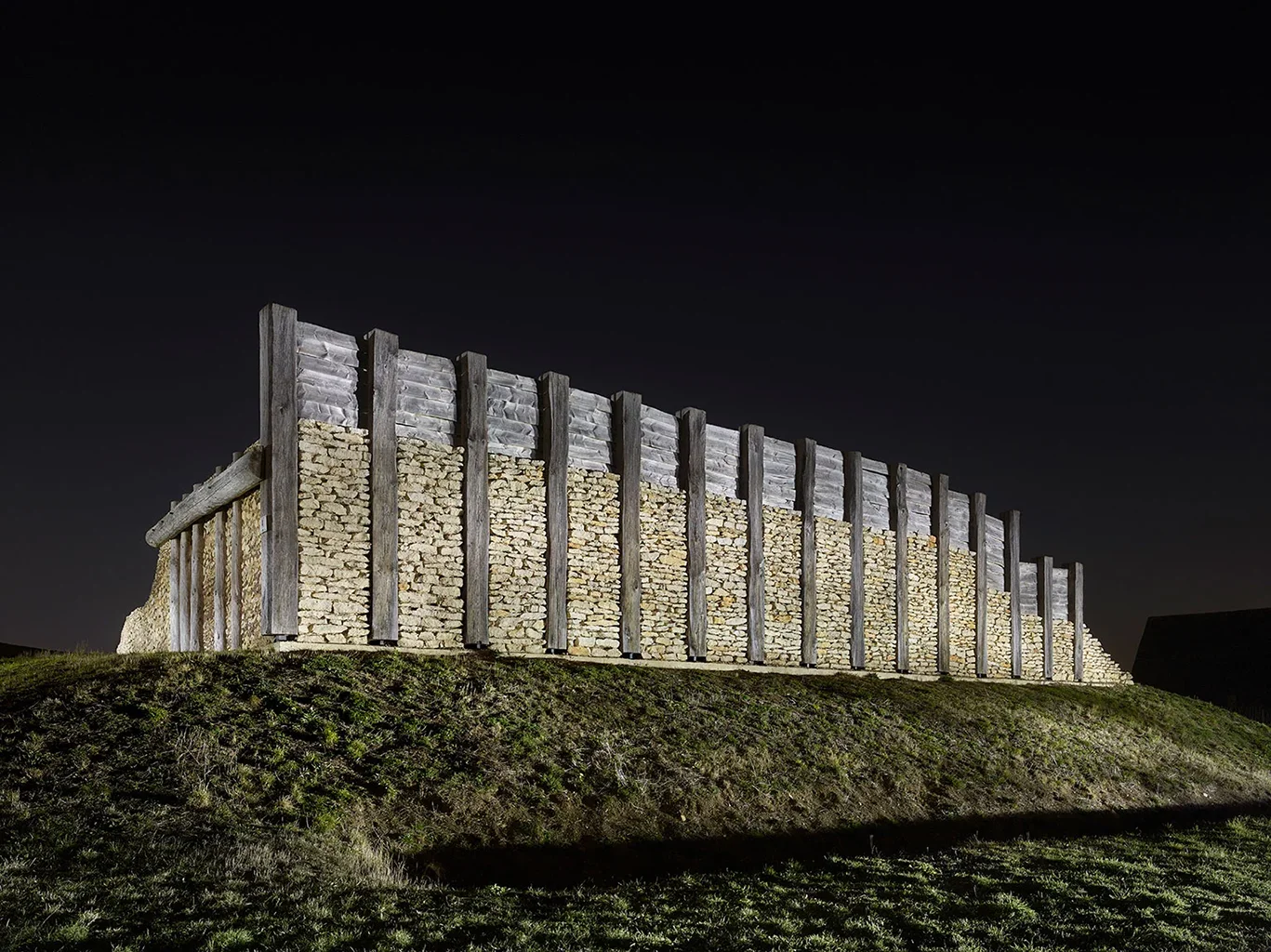
Mount Ipf
Reconstructed Celtic post slot wall with ditch, a defensive wall, at the foot of Mount Ipf near Bopfingen, Germany.
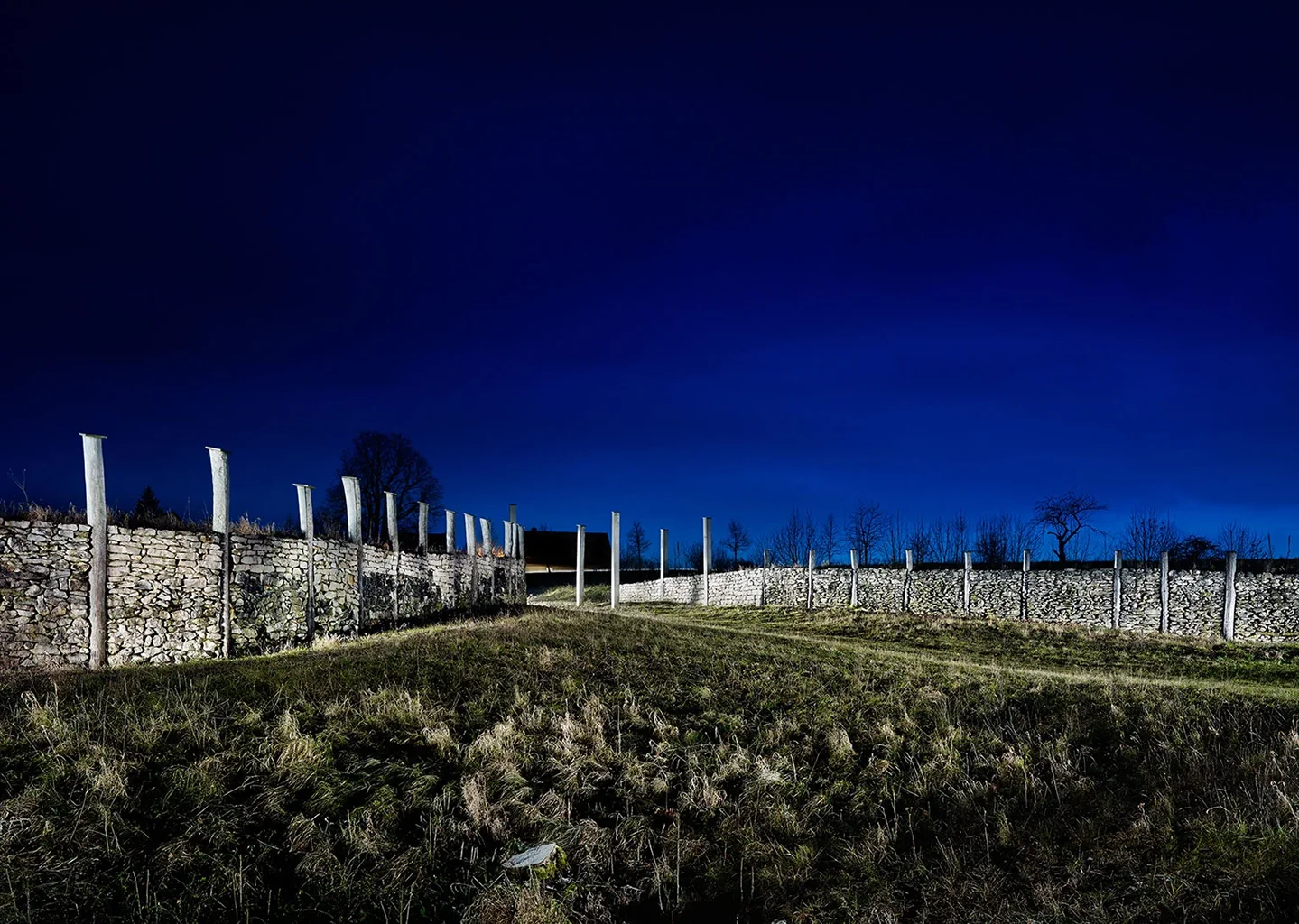
Heidengraben
Gate G of the Heidengraben, the largest known celtic Oppidum near Erkenbrechtsweiler on the plateau of the Swabian Alb.
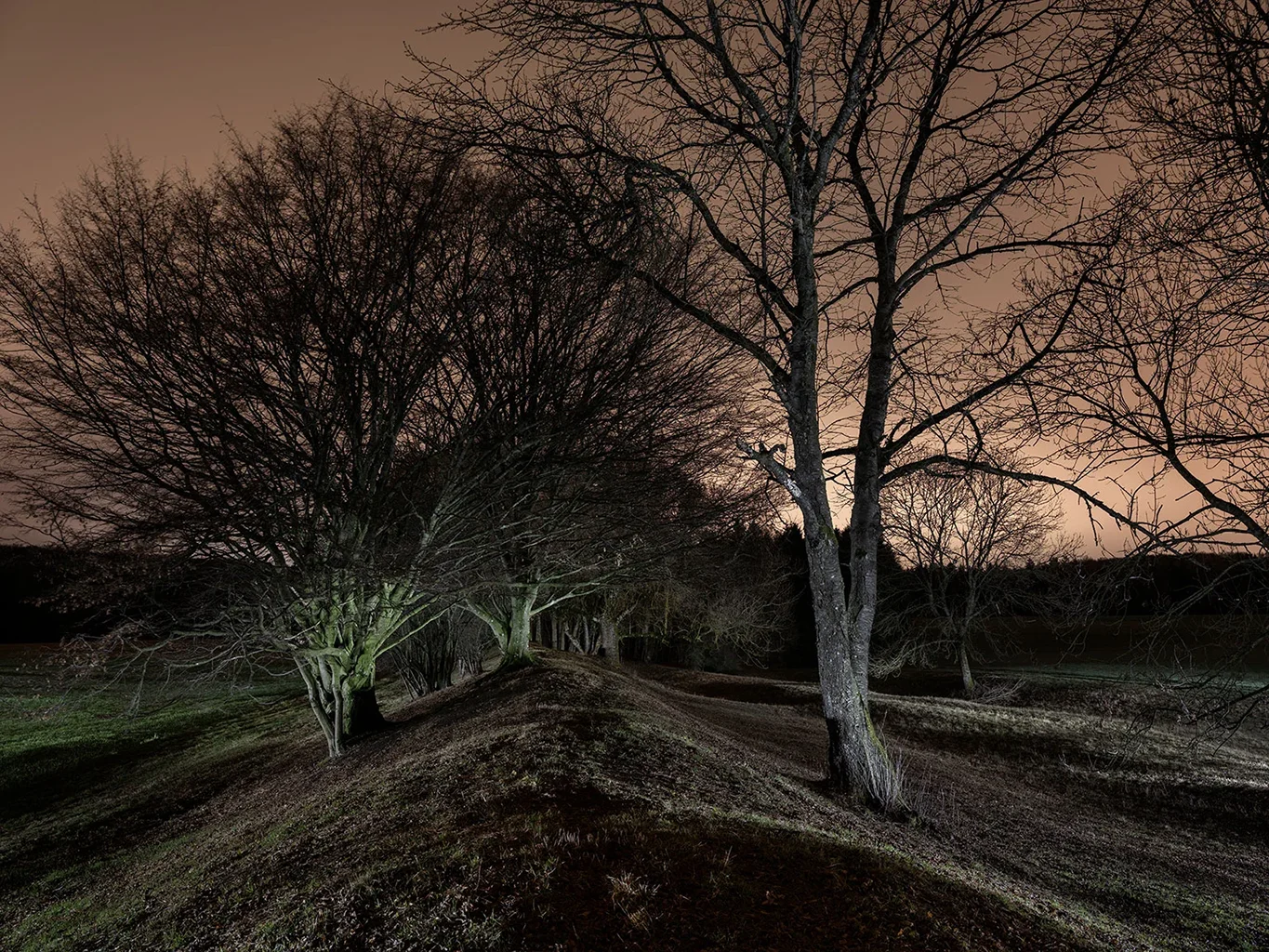
Heidengraben
Heidengraben - rampart overgrown with trees of the former Celtic oppidum, the Elsachstadt, on the Swabian Alb near Grabenstetten.
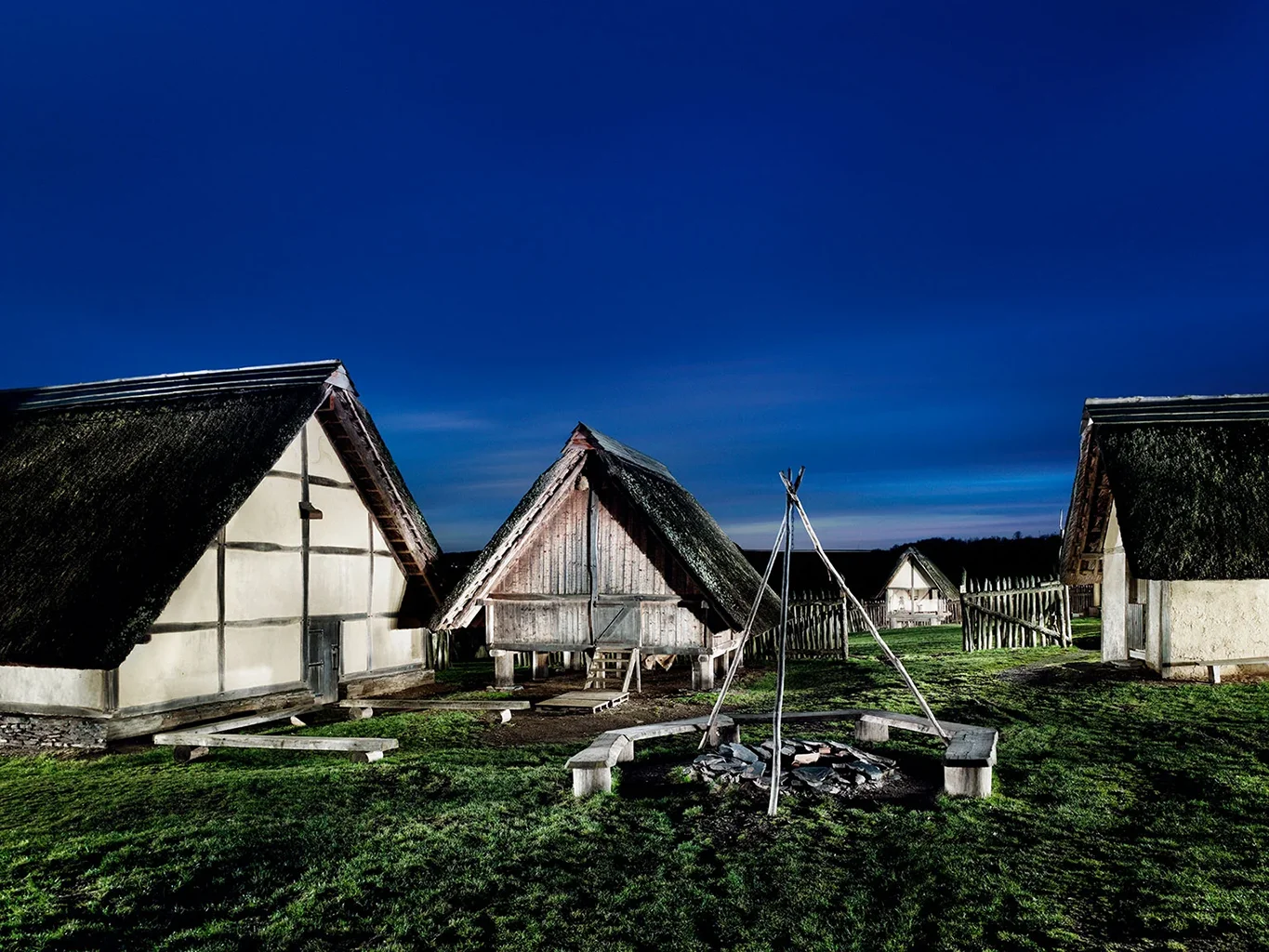
Bundenbach
Reconstructed Celtic settlement near Bundenbach.
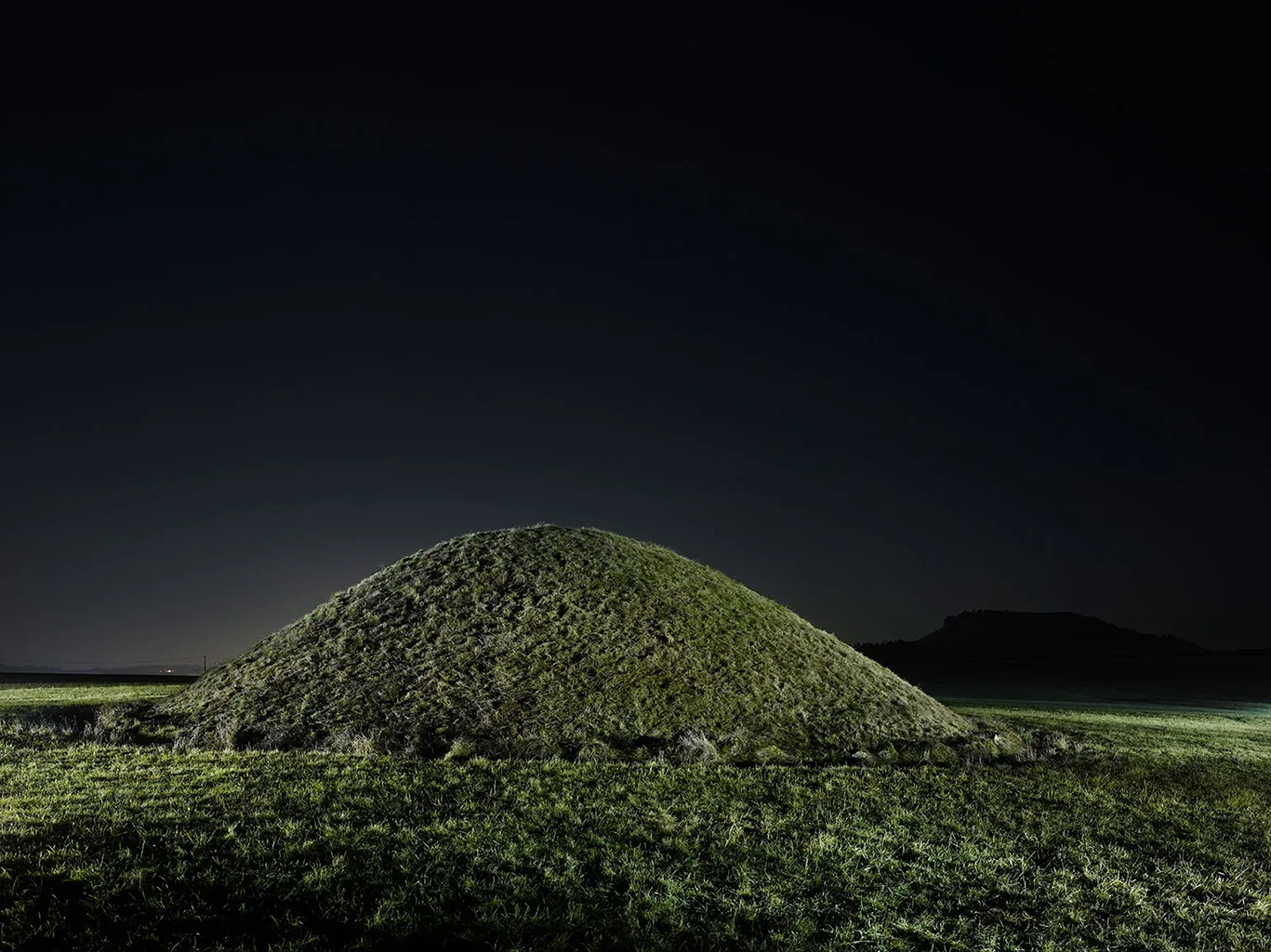
Mount Ipf
Celtic burial mound 2 at the northern edge of the hamlet of Osterholz. In the background the mountain Ipf.
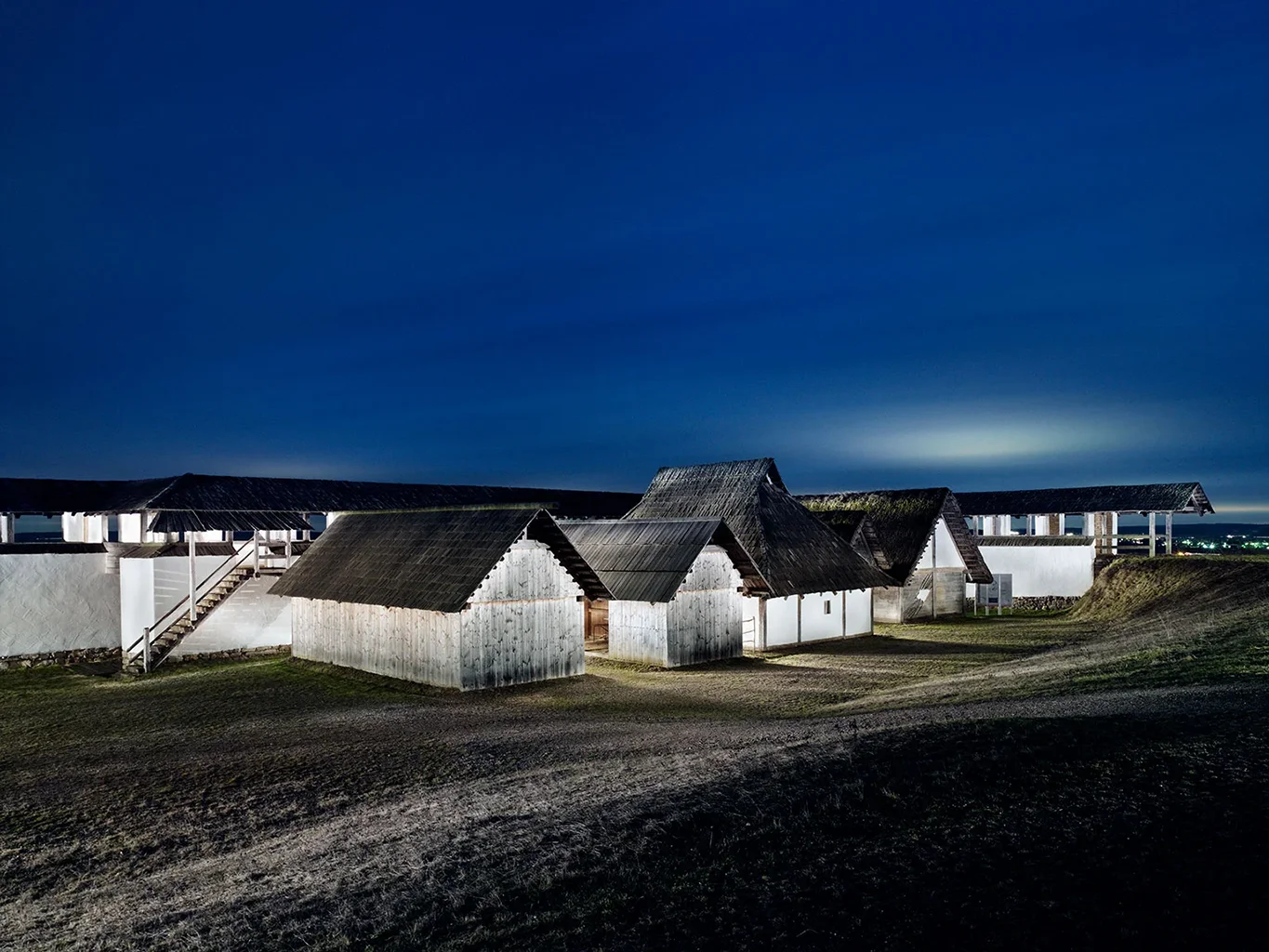
Heuneburg
Celtic hillfort Heuneburg and one of the most important early celtic centres in central europe above the Danube river.
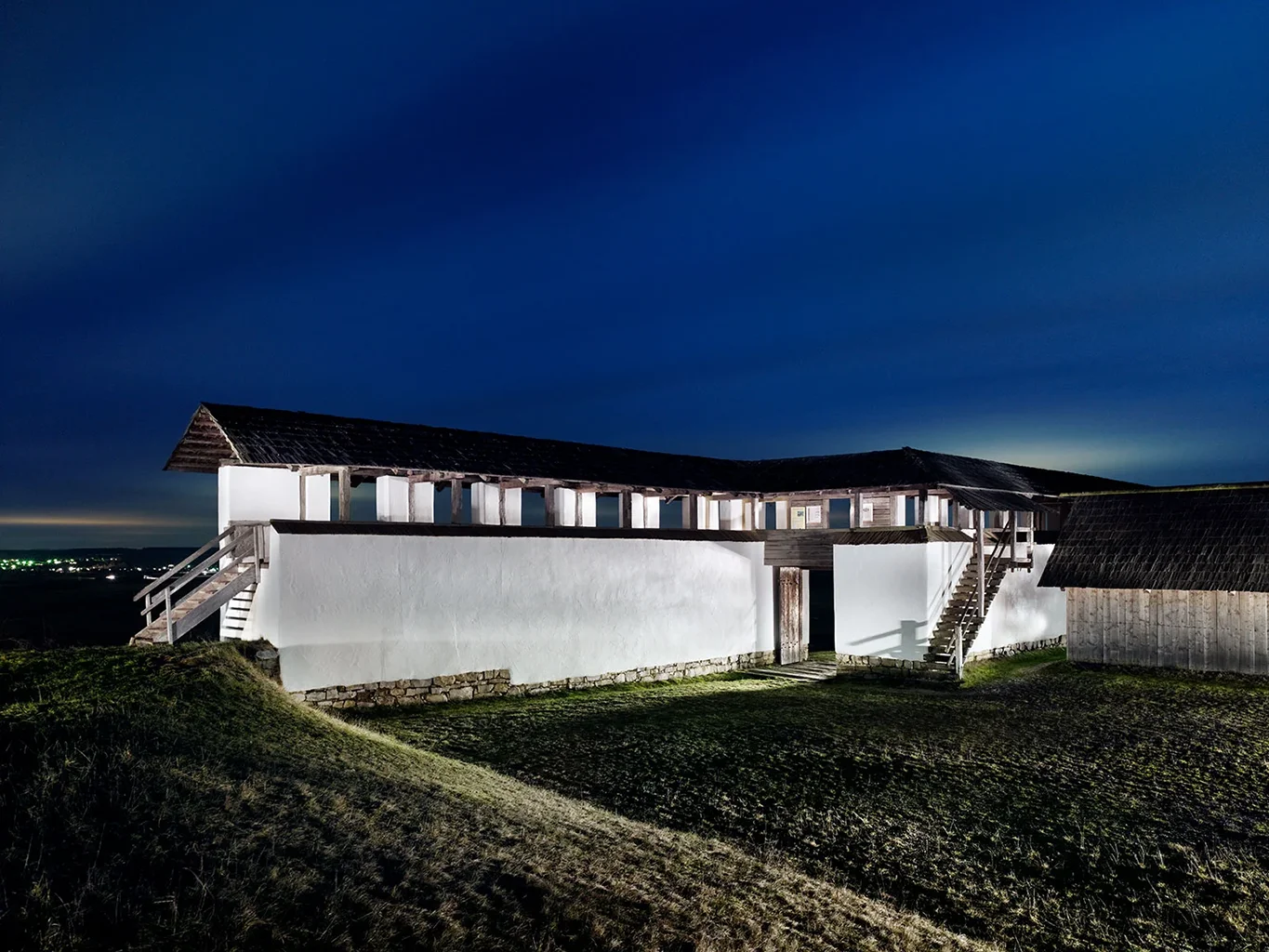
Heuneburg
Celtic hillfort Heuneburg and one of the most important early celtic centres in central europe above the Danube river.
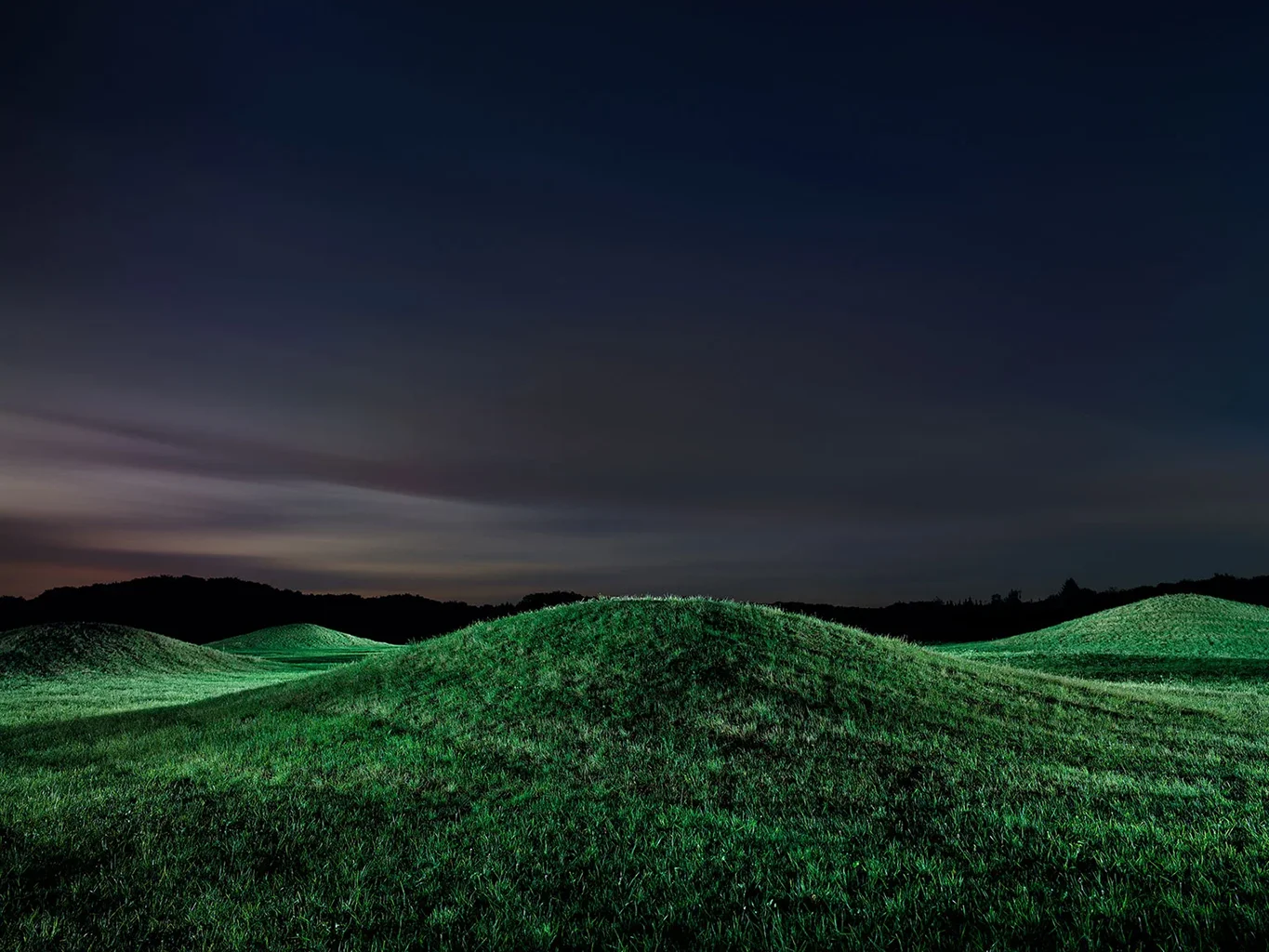
Burrenhof, Germany
Early Celtic burial mounds at the Burrenhof between the villages Grabenstetten, Hülben and Erkenbrechtsweiler on the high plateau of the Swabian Alb.
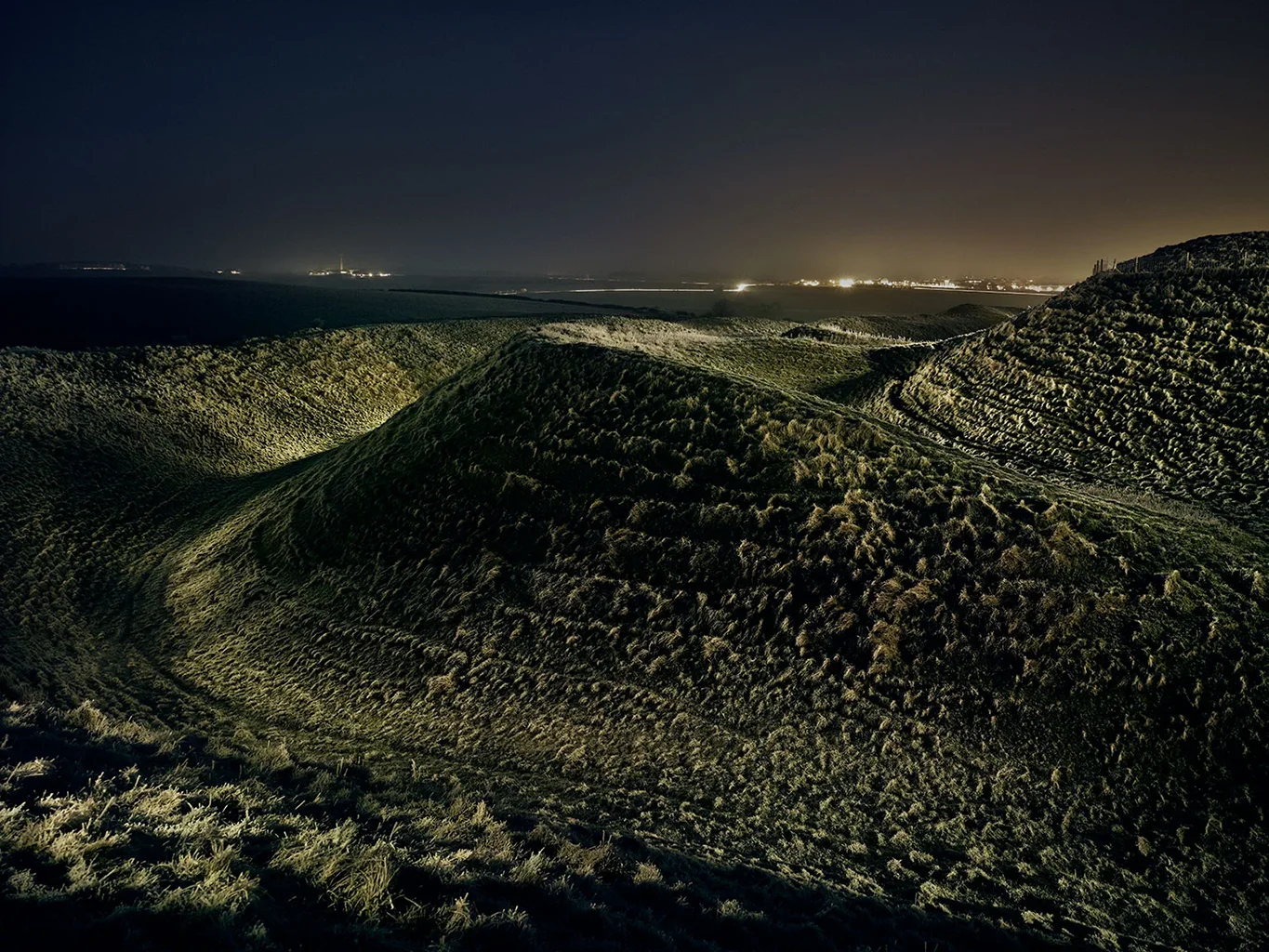
Maiden Castle, England
Iron Age rampart of Maiden Castle near Dorchester. Around 400 BC, Celtic is the mother tongue of most Britons. At about the same time, they build the fortress of Maiden Castle into a massive bulwark, with ditches and ramparts made of chalk more than six metres high. Originally they were not overgrown and shone white.
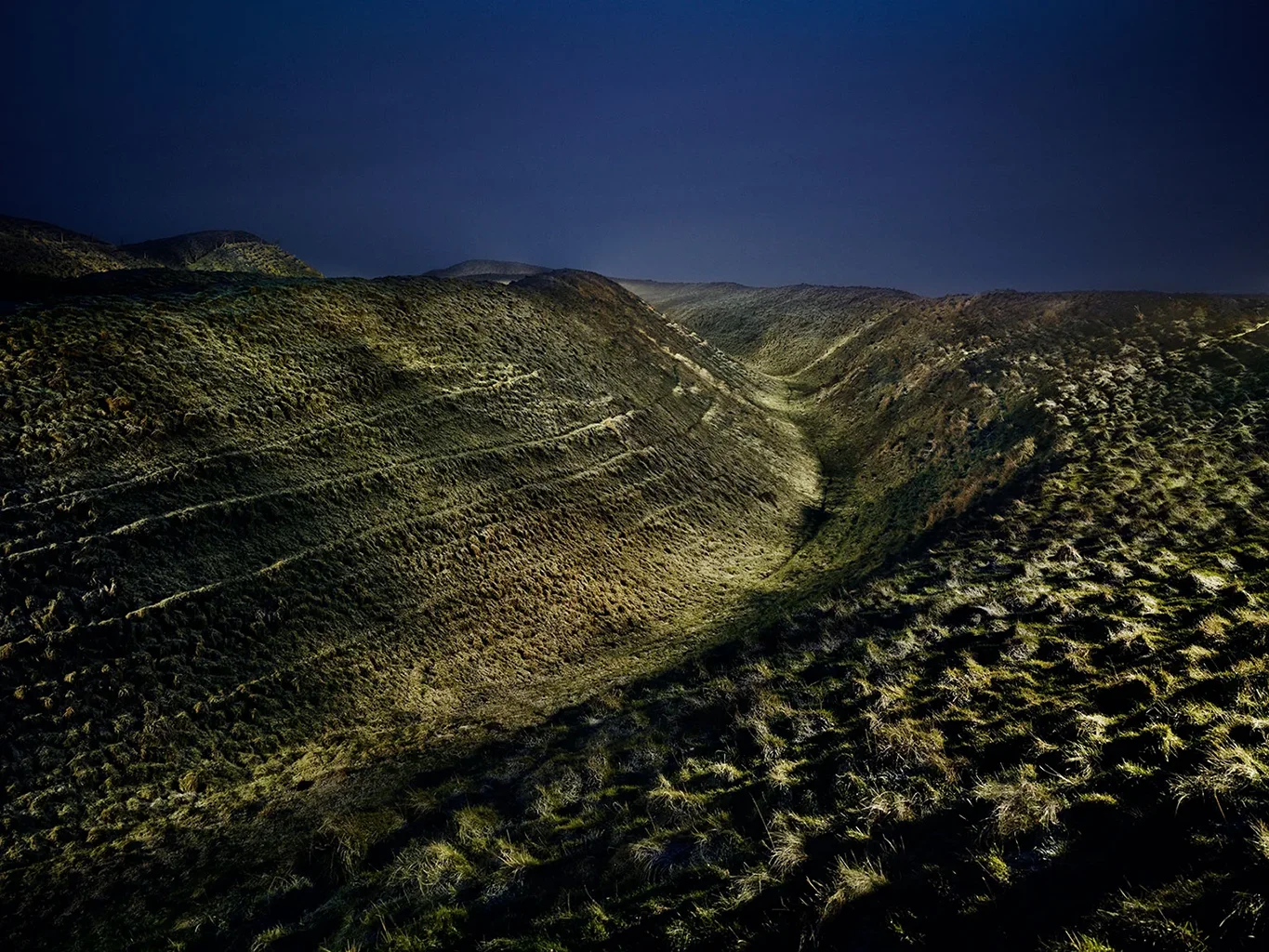
Maiden Castle, England
Iron Age rampart of Maiden Castle near Dorchester.
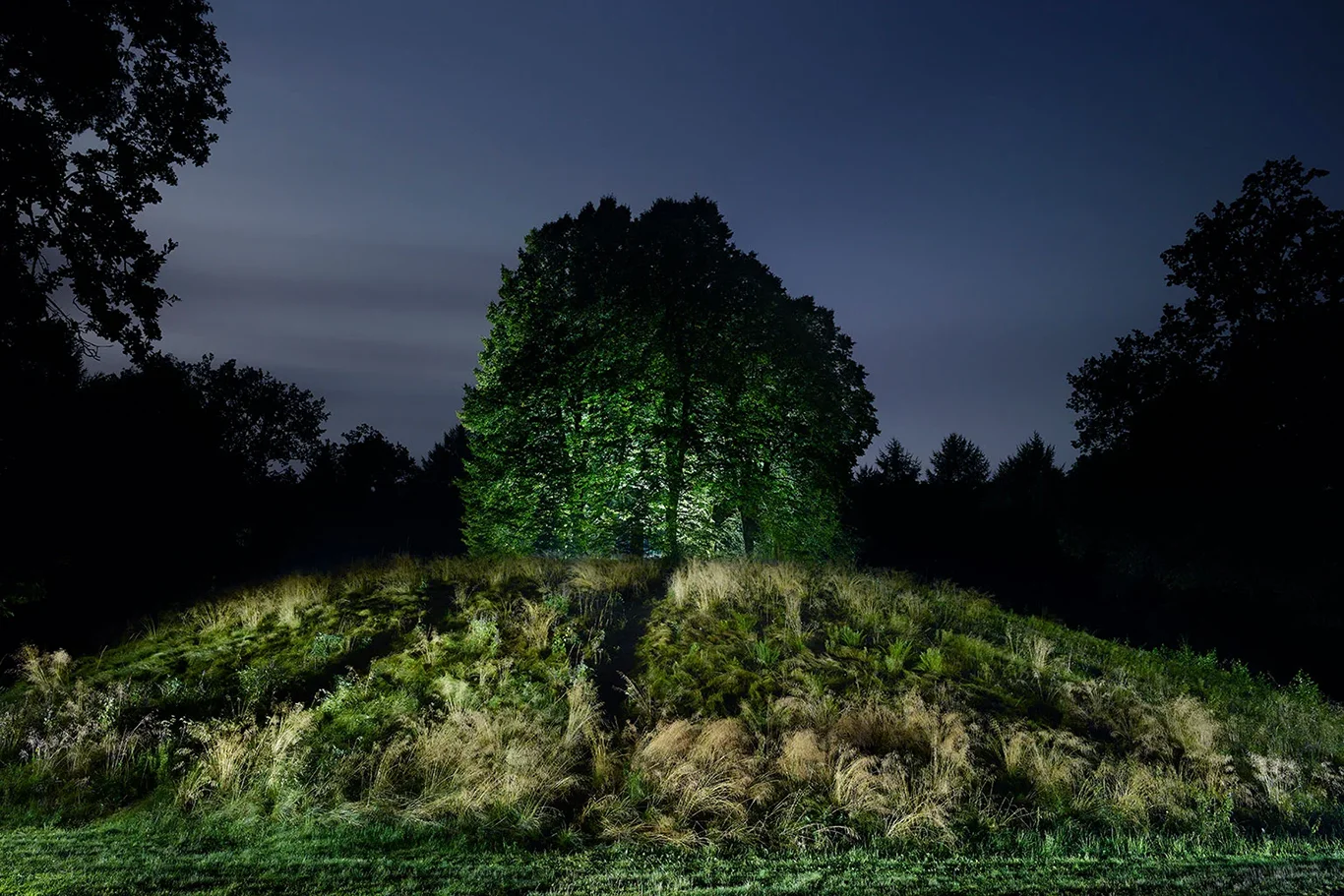
Hohmichele, Germany
Celtic burial mound Hohmichele from the late Hallstatt period near the hillfort Heuneburg near the village of Hundersingen.
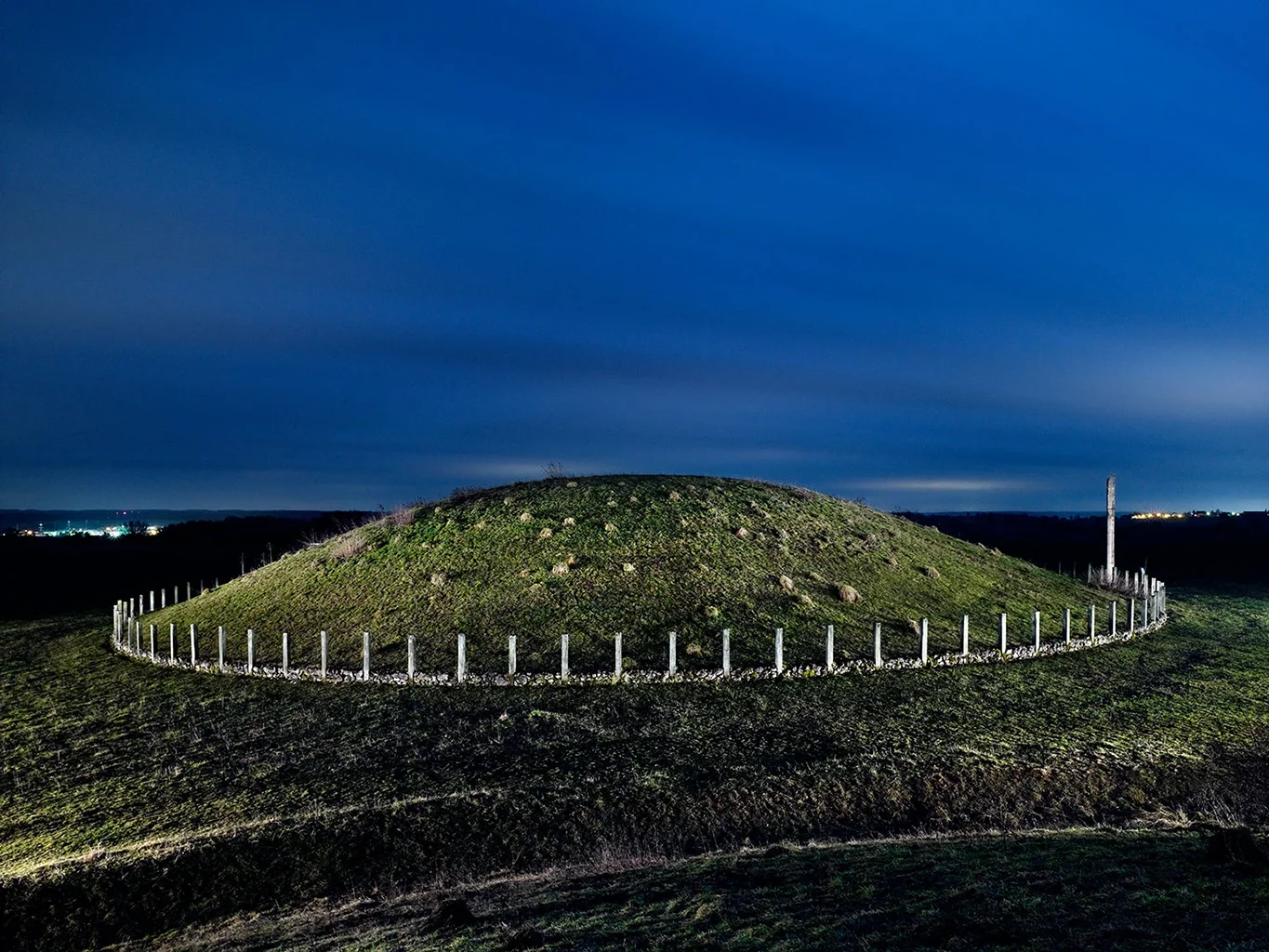
Heuneburg, Germany
Princely burial mounds at the Heuneburg.
All other series
- Info
- Landscapes
- The Lightworks
- Portraits
- Projects
From here, you can navigate to all the other series.