The Limes
The border of the Roman Empire
In many areas of Germany, you come across traces of the Romans again and again. Be it a fort, a column, a road or the remains of a very long border. While working on the book “Deutschland – eine Reise durch die Zeit” (Germany – a journey through time) about places and landscapes of German history, I once again dealt with the history of the Limes and began to photograph the subject of the Limes bit by bit.
This developed into this series about the border of the Roman Empire in what was then Germania, which still runs through four German states today. The history of the Limes is as complex as its length:
The expansion of the Upper Germanic-Raetian Limes was preceded by a long history of conquests – the borderline existed from about 100 to around 260 A.D. The Limes is named after the two Roman provinces of Upper Germania (Germania superior) and Raetia (Raetia).
In the north, the border began at Rheinbrohl on the Rhine and continued through the heights of the Westerwald and Taunus through the Wetterau in Hesse, where the Limes made a wide arc south to the Main. There, the border ran along the river for a few kilometres before, from Miltenberg, it ran as if drawn with a ruler through forests and over hills to Lorch. At the Limes bend near the border of the then provinces of Upper Germania and Raetia, the Limes once again ran dead straight eastwards, enclosed the fertile Nördlinger Ries in a wide arc and ended at Eining southwest of Regensburg on the Danube.
The 550 km long Limes is the second longest archaeological monument after the Great Wall of China, if one likes to use superlative comparisons.
Even though the Limes with its watchtowers and palisade is reminiscent of the seemingly insurmountable German-German border, the Roman outer border was an open border and served to control trade, levy customs duties and regulate border crossings from Germania into the Roman Empire.
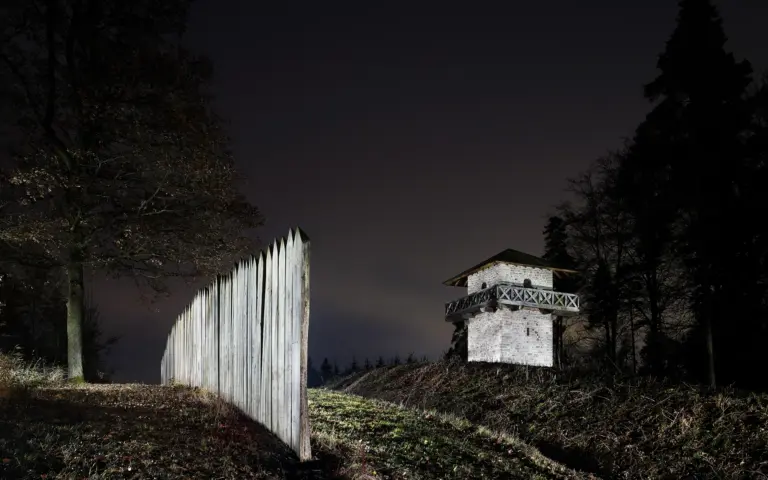
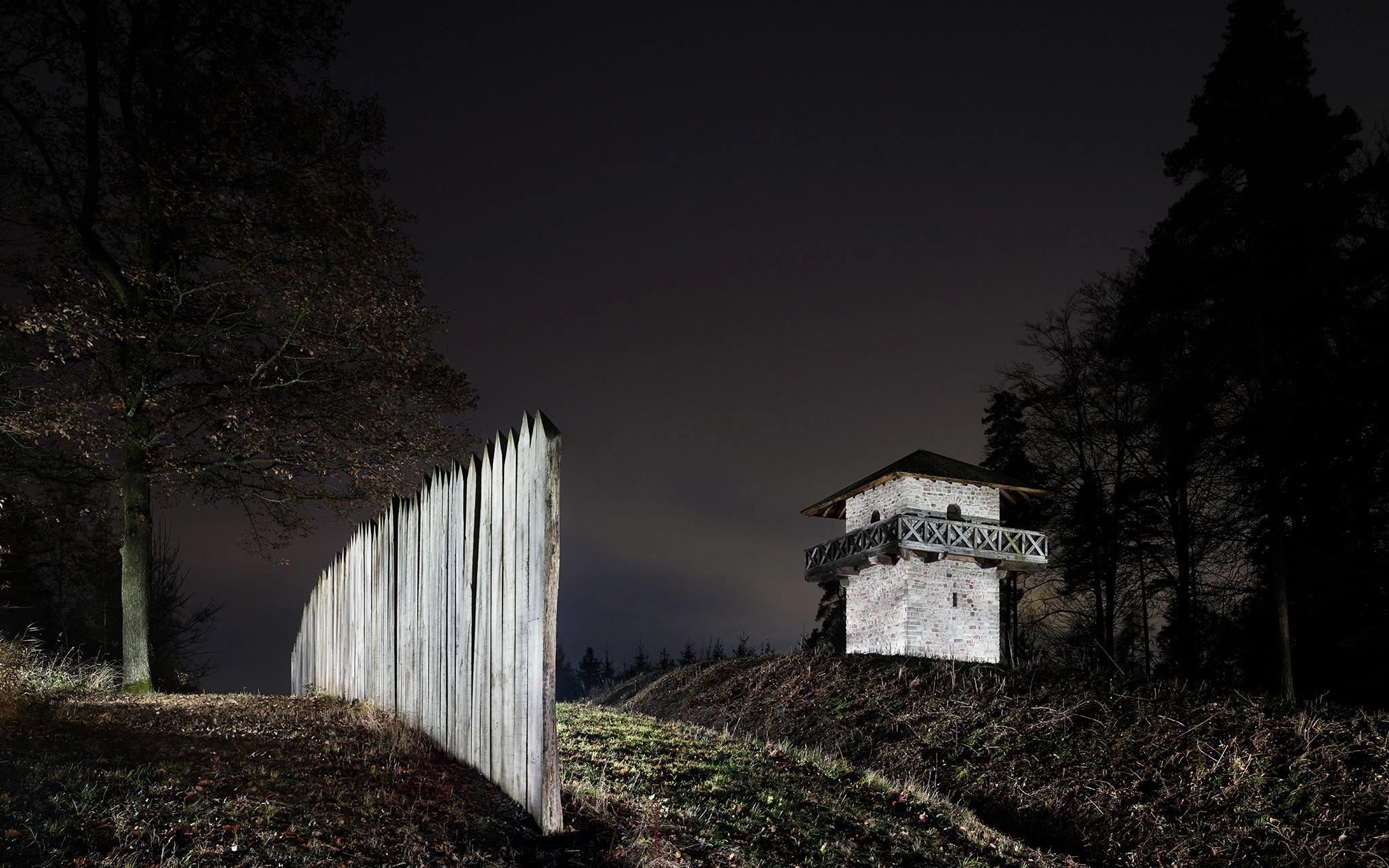
What did the border look like? Mounted soldiers controlled the border region along a cleared post path between watchtowers built in line of sight. Later, the border was reinforced with a continuous wooden palisade. Wooden posts were cut in half and aligned with the flat side facing Germania.
After about 50 years, the palisade fence was not renewed and was replaced from 160 AD by a system of ramparts and ditches. A ditch about 2 m deep was dug and a correspondingly high earth wall was heaped up. Behind it, the wooden towers were replaced by three-storey towers made of stone, plastered in white with joint lines painted in red and connected by the patrol road.
In the province of Raetia, on the other hand, a stone wall up to 3 m high replaced the wooden palisades. However, there were always regional peculiarities.
Along the Limes there were more than 100 smaller and larger forts where soldiers were stationed and which were often located at already existing road connections. The forts were easily accessible by roads for supplies. Goods were also transported to and from Germania on these roads. Border crossings were possible at Limes passages. All in all, the structure of the Limes is reminiscent of the organisation of today’s borders.
Let’s start with the numerous reconstructions of the Limes.
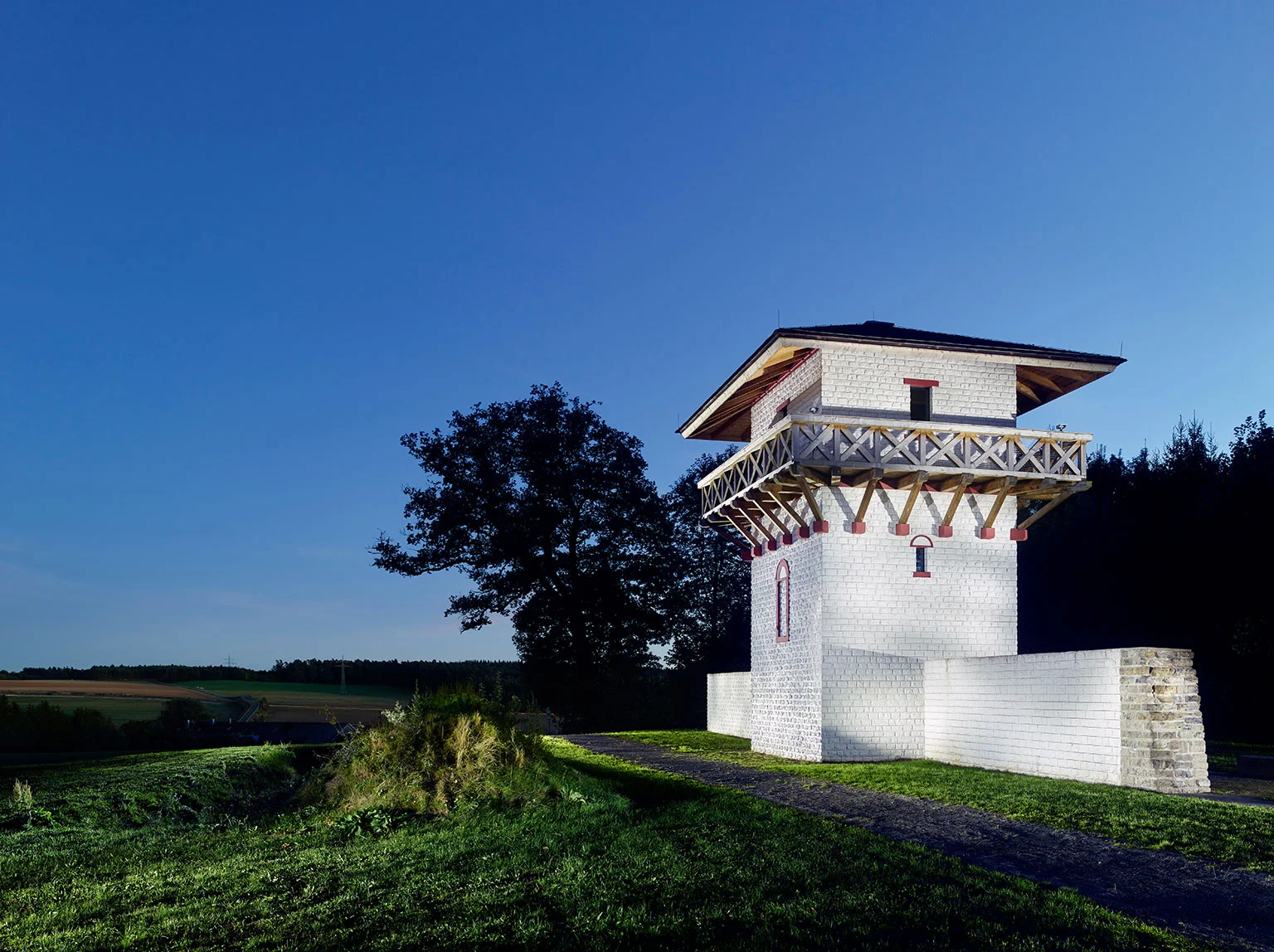
Limes near Osterburken
Modern replica of the Limes tower WP 8/32 made of stone, plastered in white and with red grouting in original size (reconstruction from 2013).Limes bei Osterburken.
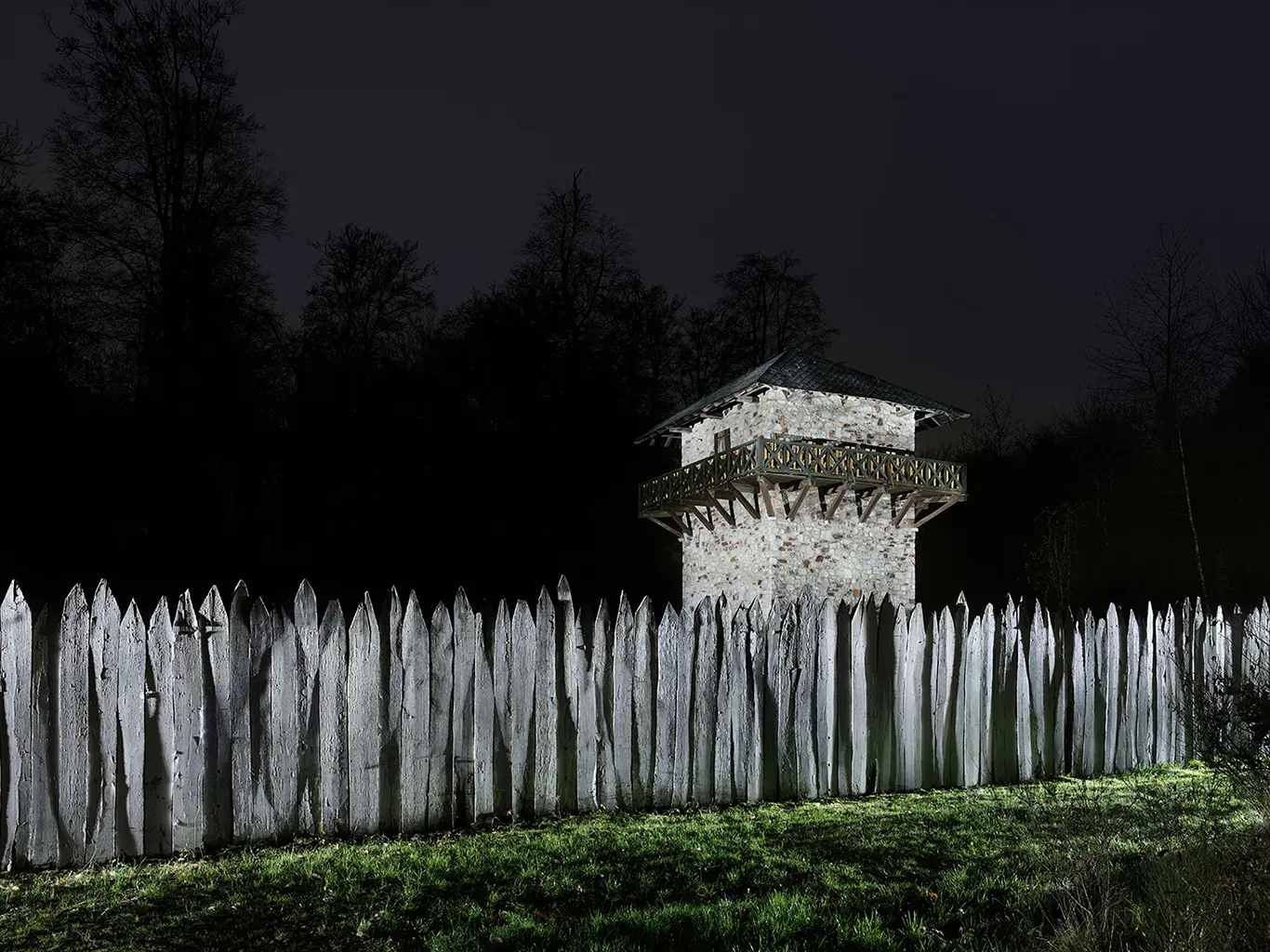
Limes near Kastell Zugmantel
Watchtower WP 3/15, replica of a stone Limes tower with wooden palisade.
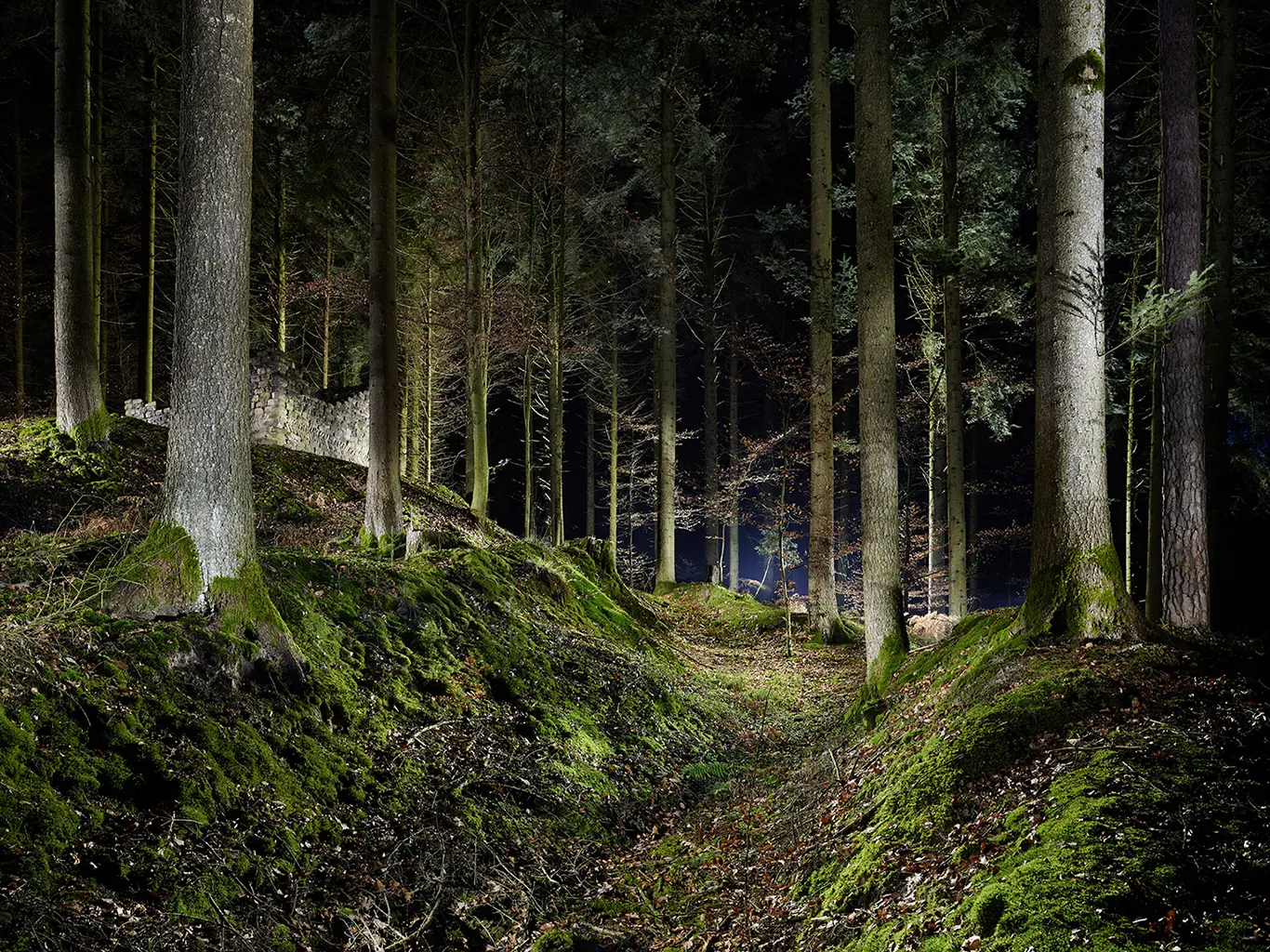
Limes near Murrhardt - Siegelsberg
Traces of the Limes in the forest near Siegelsberg, watchtower WP 9/91 „Hirschreute“ above the ditches.
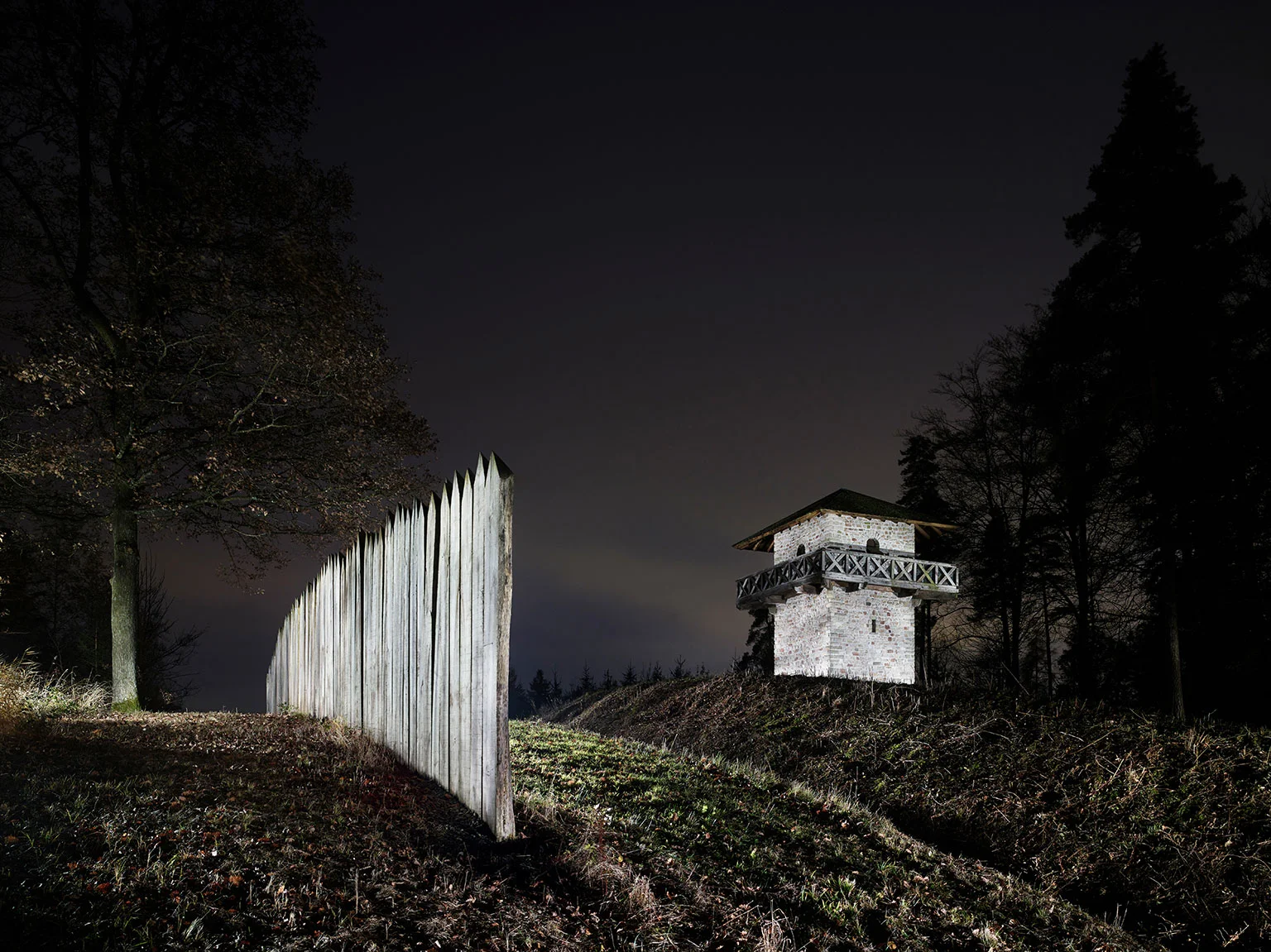
Limes near Großerlach-Grab
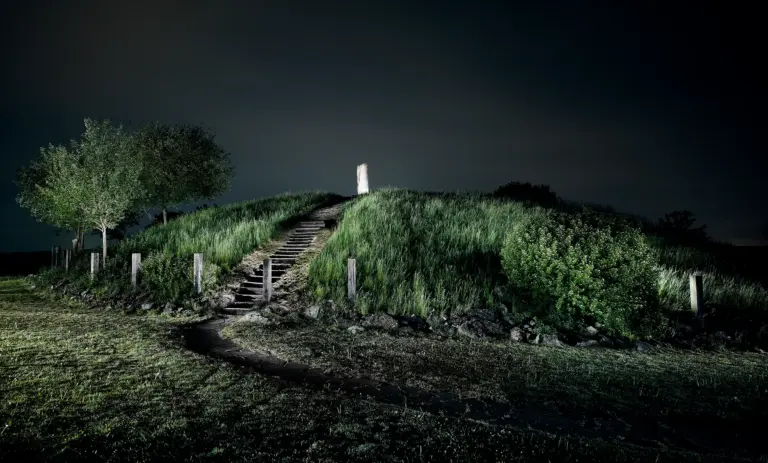
Reconstructed part of the upper germanic Limes near Grab on the Heidenbuckel hill, watchtower WP 9/83, palisade, walls and ditches.
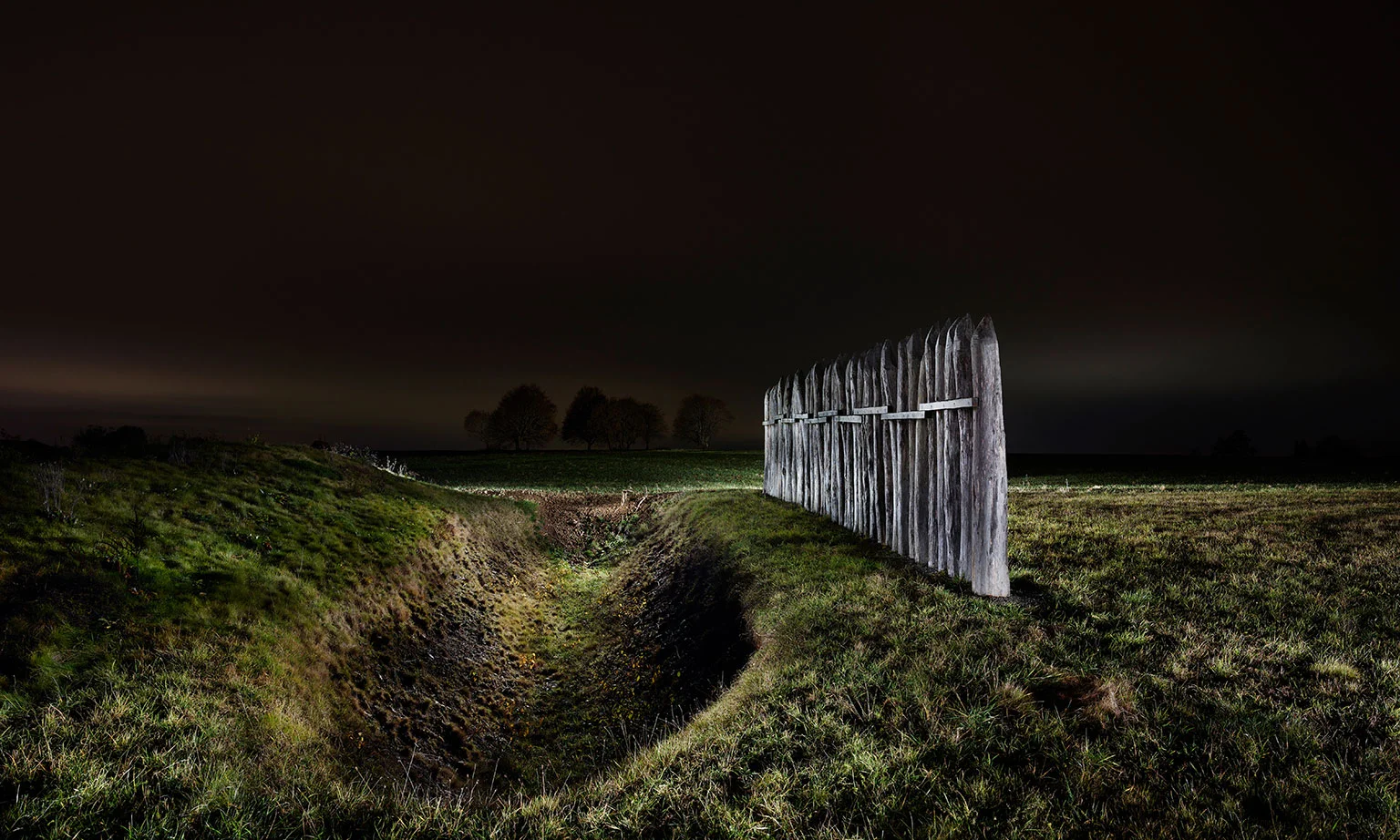
Limes near the small fort Rötelsee
Reconstructed section of the Upper Limes with wall, ditch and palisade near Welzheim.
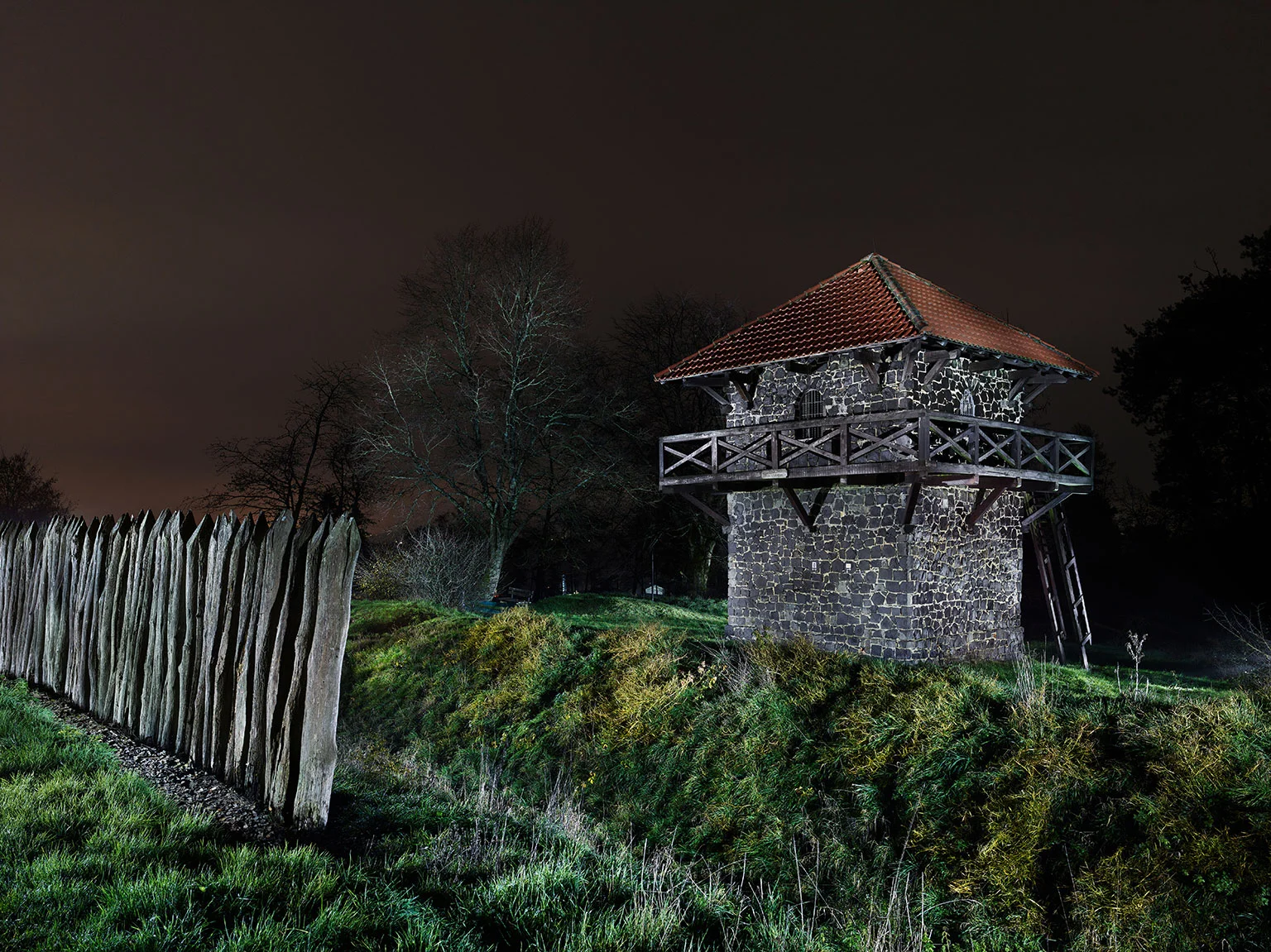
Limes near Pohlheim
Limes watchtower WP 4/49, a stone fort with a rampart, moat and wooden palisade (reconstructed in 1967) on the Obersteinberg near Pohlheim in Hesse.
The Limes and Nature
I am particularly interested in the traces of the Roman frontier in the landscape, such as the remains of the rampart and ditch still visible today along the Upper German Limes in the Taunus and the Swabian Forest, or the many inconspicuous mounds along the frontier where watchtowers once stood.
Over the centuries, the forest has encroached upon the border fortifications. Some sections of the rampart and ditch are still clearly visible in the landscape, whilst others have become flat mounds that are barely recognisable beneath dense vegetation. In winter, when the leaves have fallen, the contours often stand out more clearly. I therefore often take photographs between November and March.
Some sections lie in the middle of the forest, others cross fields or run alongside today’s footpaths. What was once a sharply defined border has, over time, become part of the landscape – not always noticeable unless you are specifically looking for it.
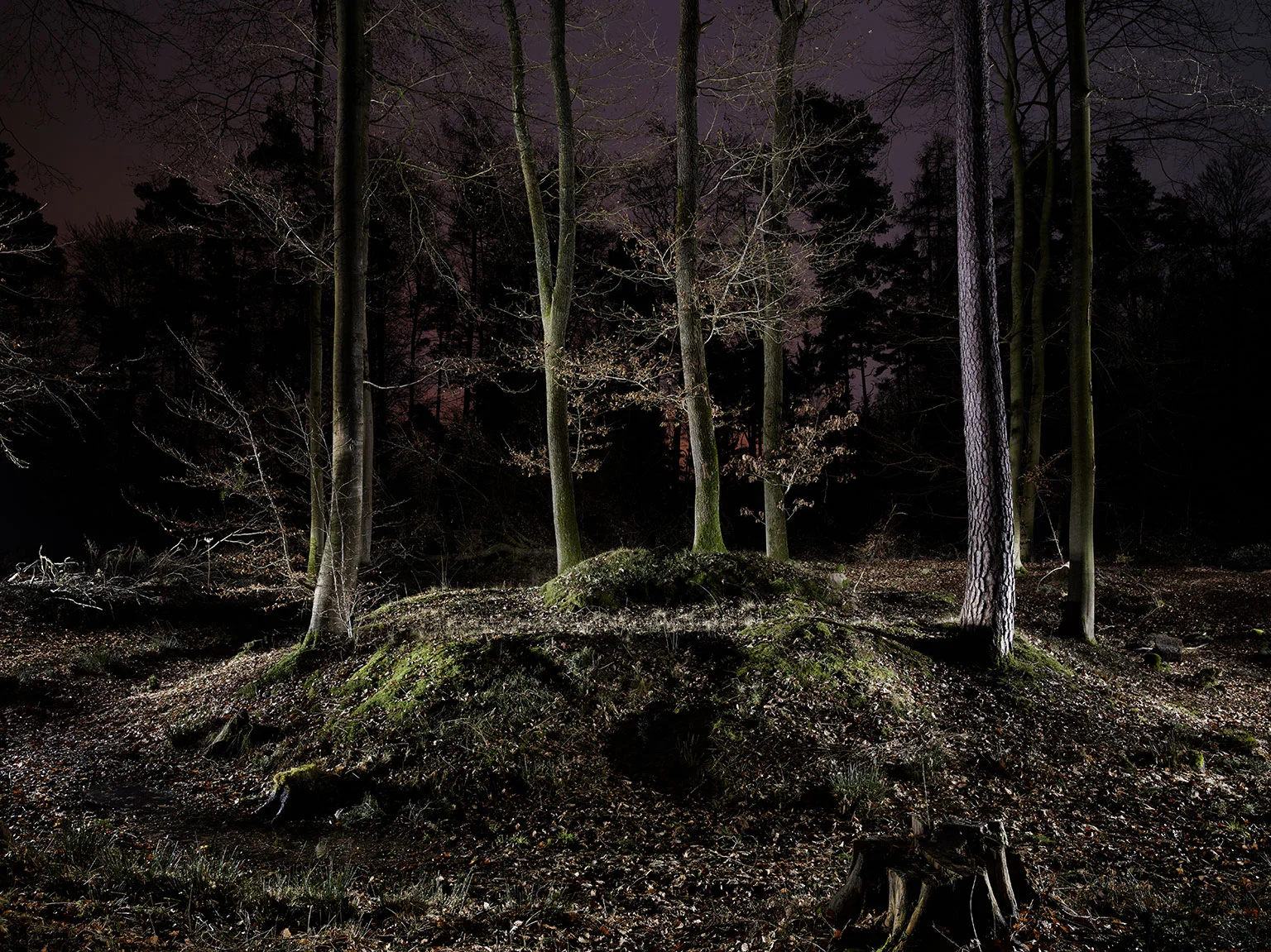
Odenwald Limes
Foundation of the Watchtower WP 10/10 of the Odenwald Limes.
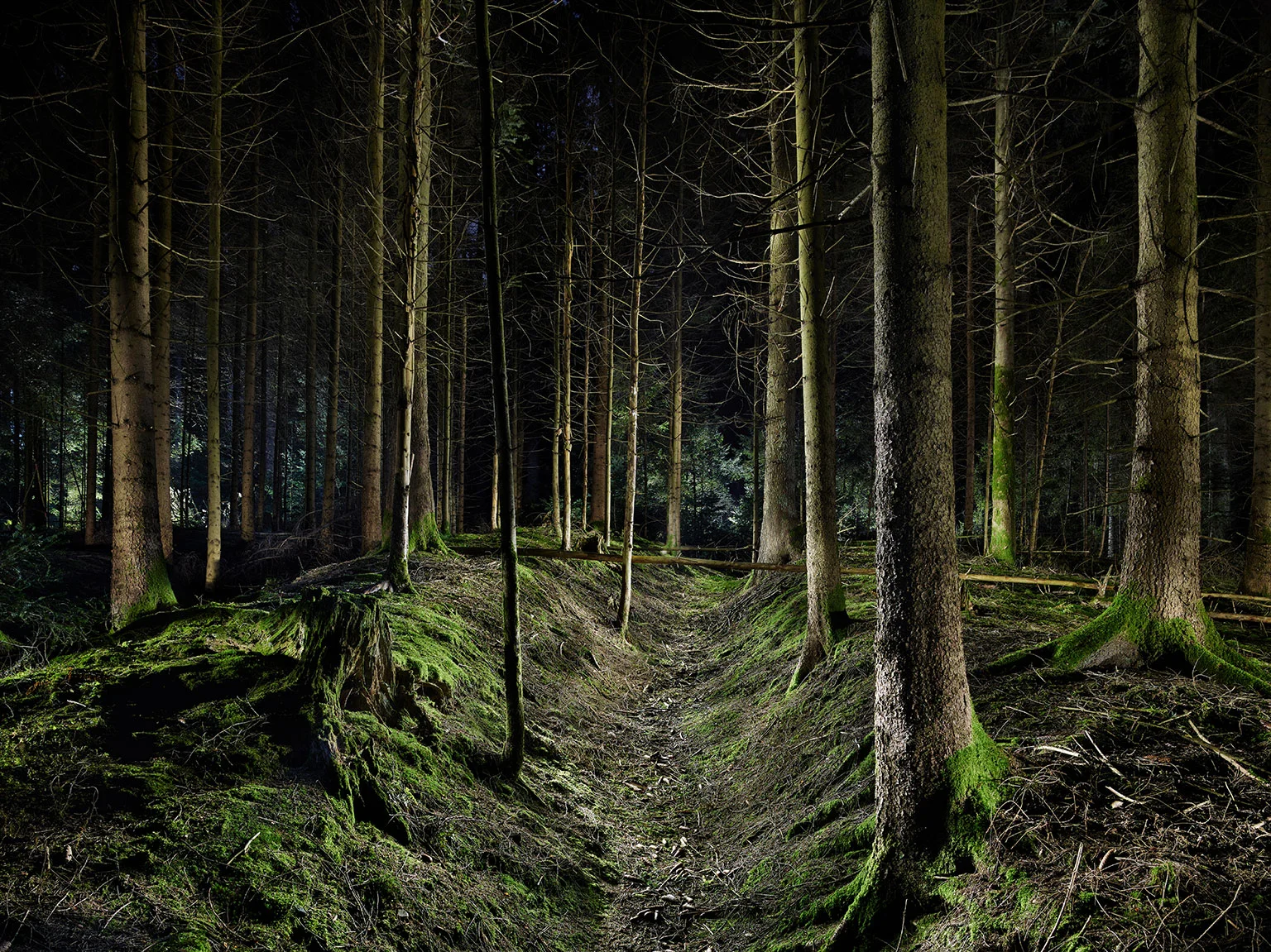
Limes in the Rotenbachtal
The visible wall and ditch near the former Roman provincial border between Raetia and Upper Germania runs through the forest in the Rotenbach valley.
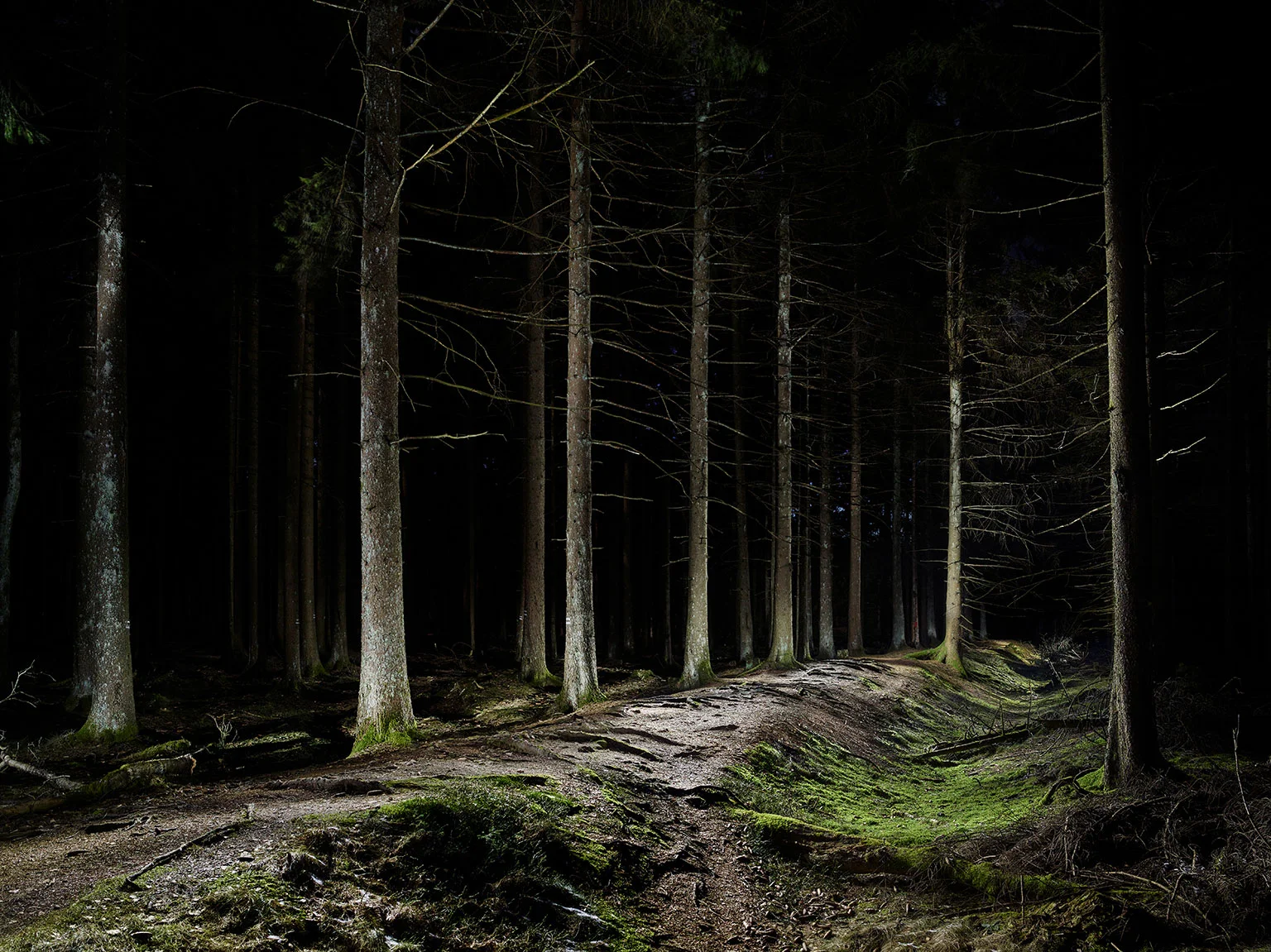
Limes in the Taunus
Traces of the course of the Limes with rampart and ditch in the forest near the Sandplacken Pass in the Hochtaunus mountain range.
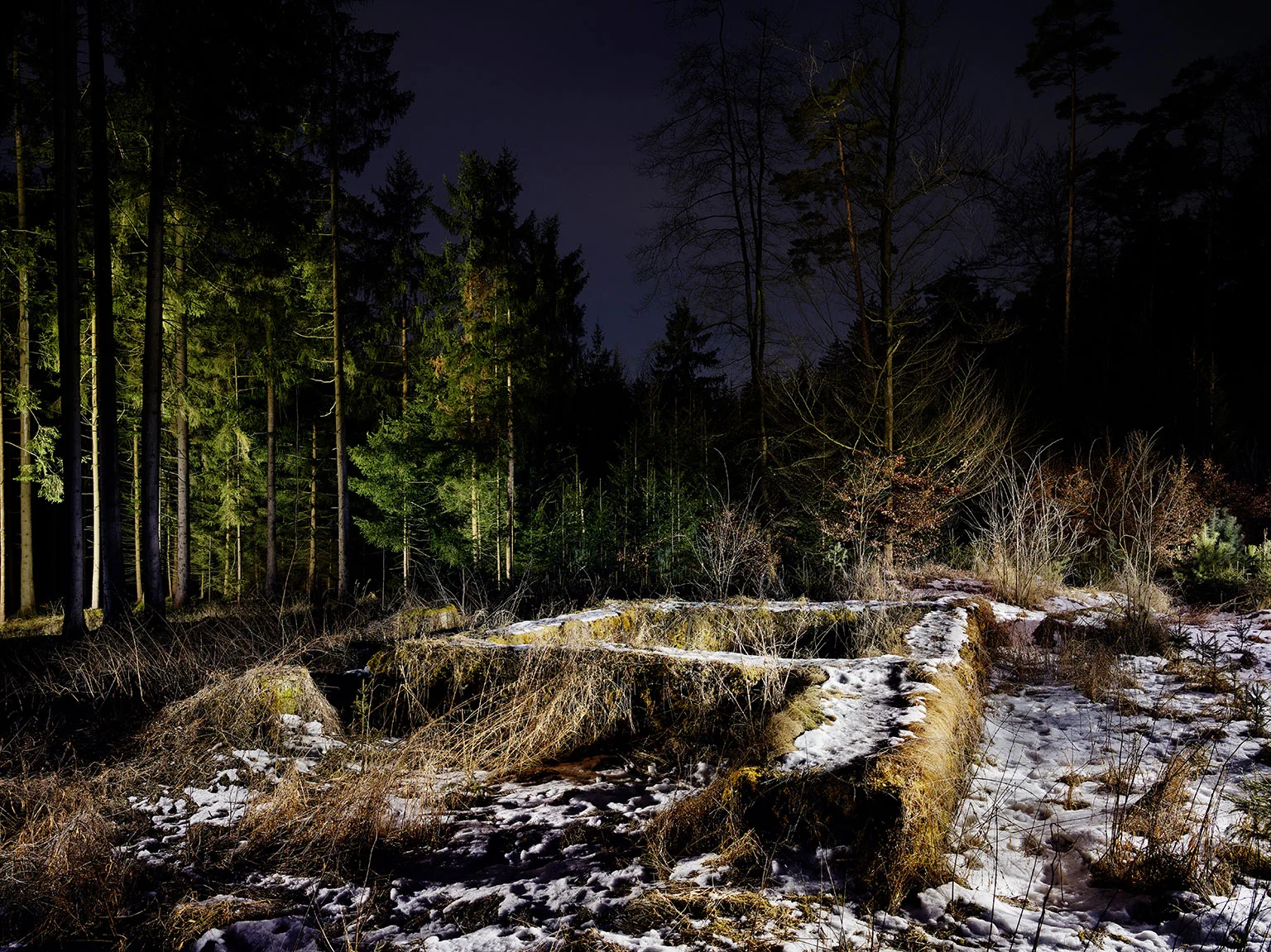
Raetian Limes near Erkertshofen
Foundation of the Watchtower WP 14/64 in the woods near Erkertshofen in Bavaria.
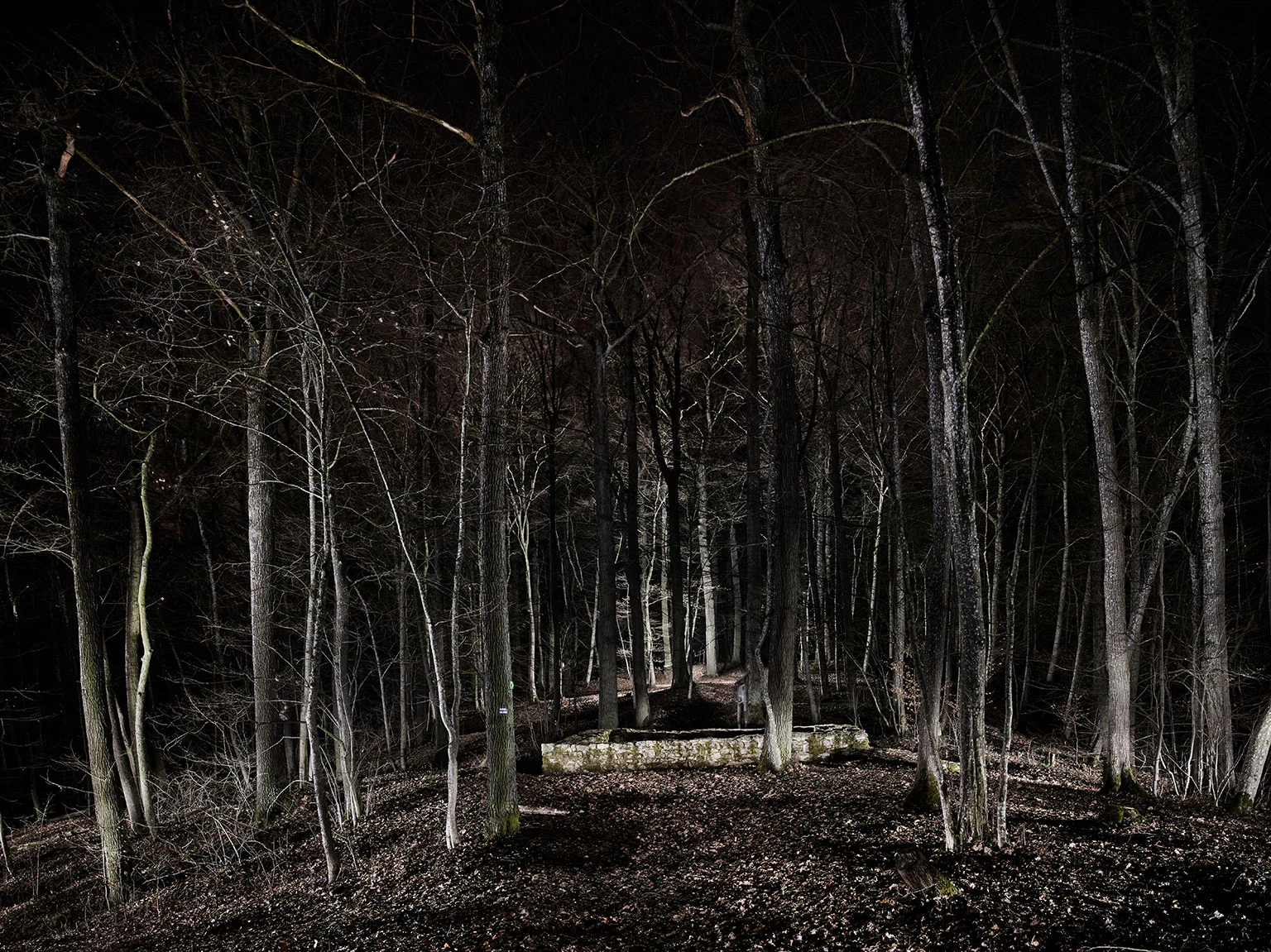
Limes near Gunzenhausen
Foundation of watchtower WP14/5 on the Vorderer Schlossbuck hill near Gunzenhausen, Bavaria.
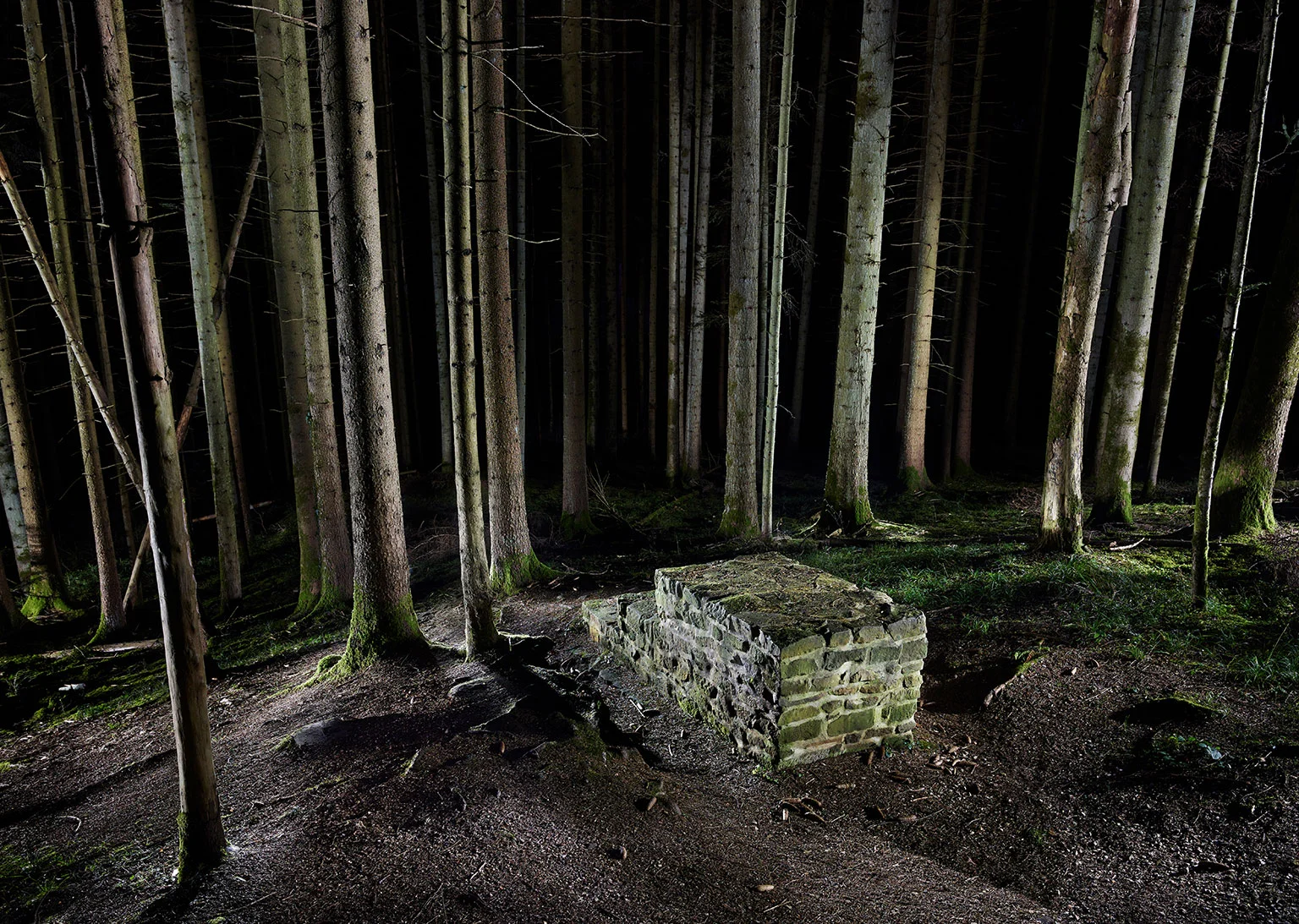
Roman provincial border between Raetia and Upper Germany
Start of the raetian border in the Rotenbach Valley near Schwäbisch-Gmünd.
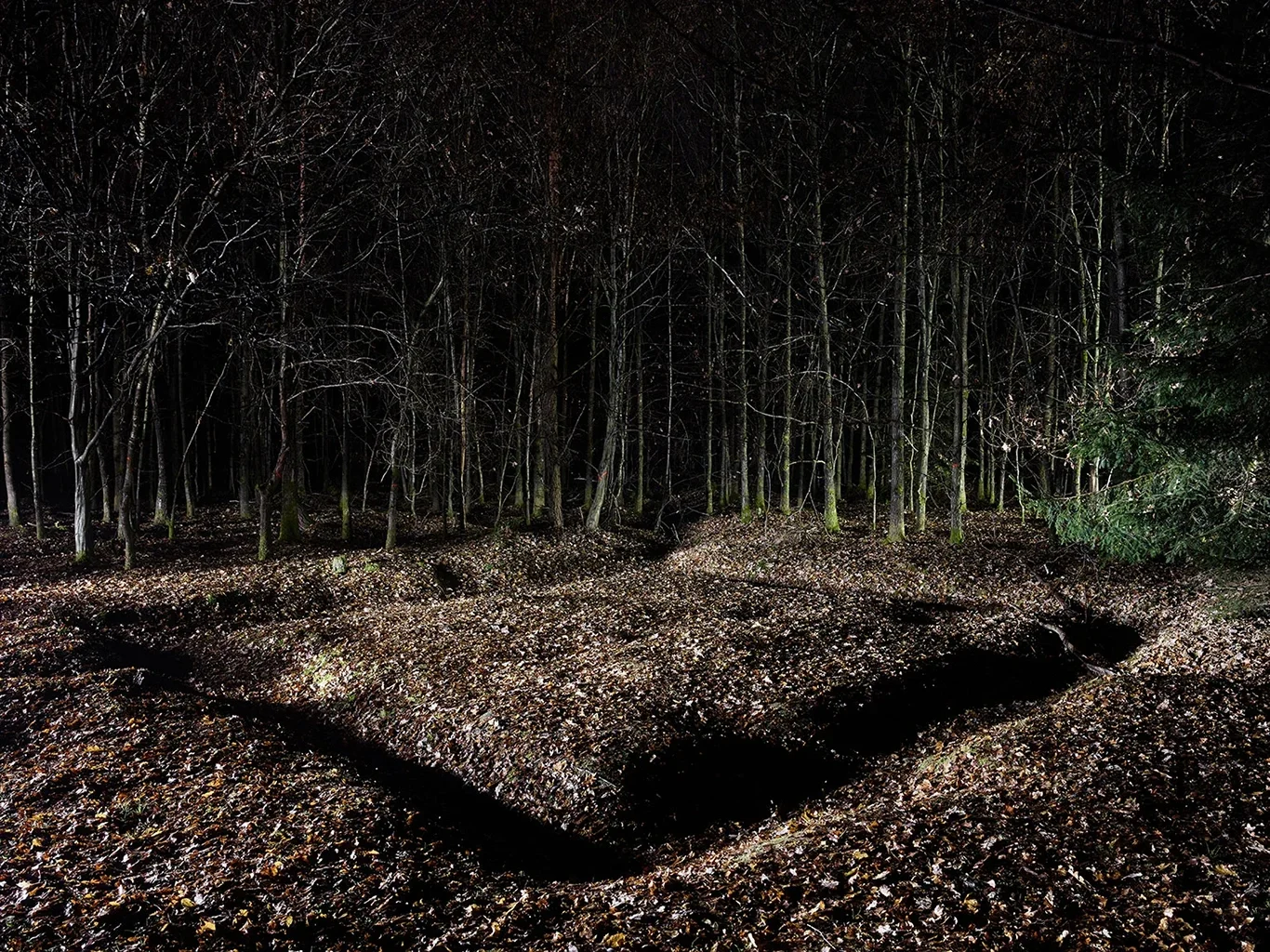
Limes near Walldürn
The barely visible foundations of Watchtower WP 7/32 in the woods near Walldürn.
Limes Watchtowers
The reconstructions of the watchtowers along the Limes vary enormously. Each reconstruction is based on the state of research at the time it was built. This, in turn, makes comparing the watchtowers particularly interesting.
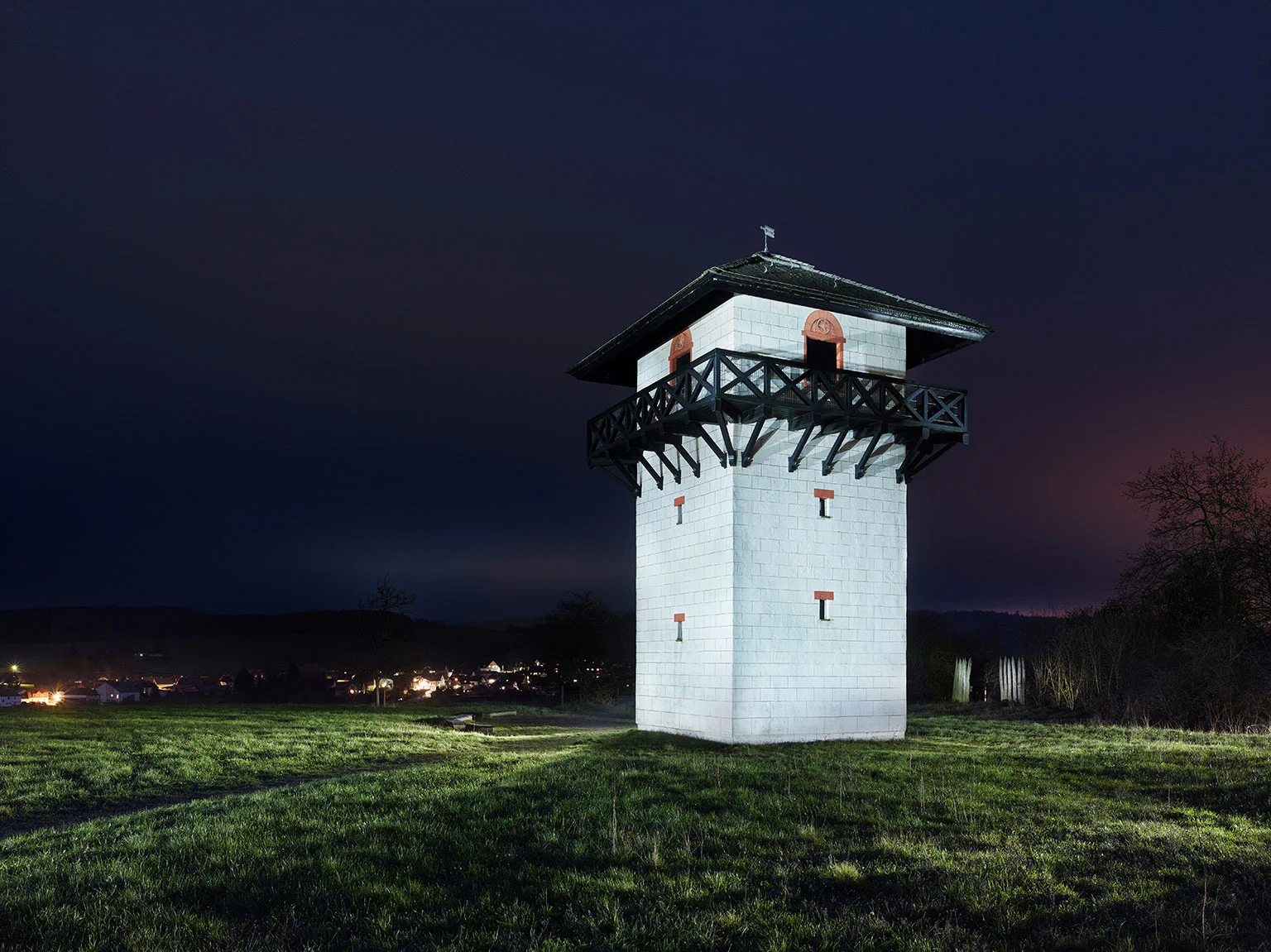
Idstein, Hesse
Watchtower WP 3/26, built of stone with white render and red joint lines, dating from 2002.
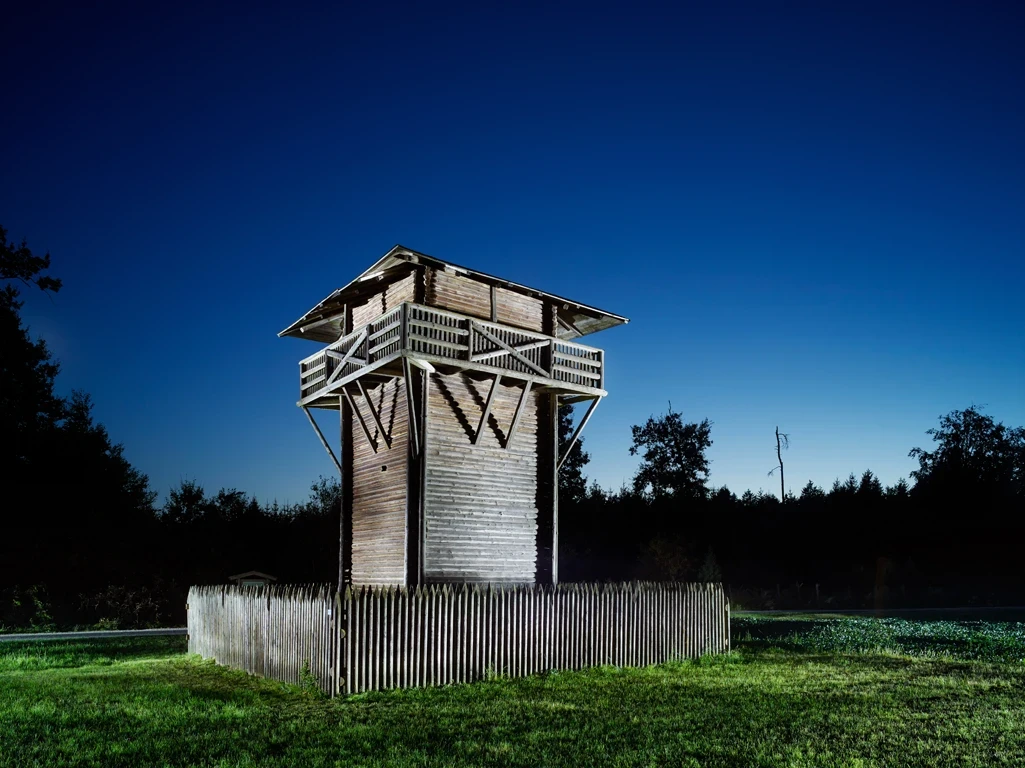
Burgsalach, Bavaria
Reconstructed wooden watchtower WP 14/48, built in 1972.
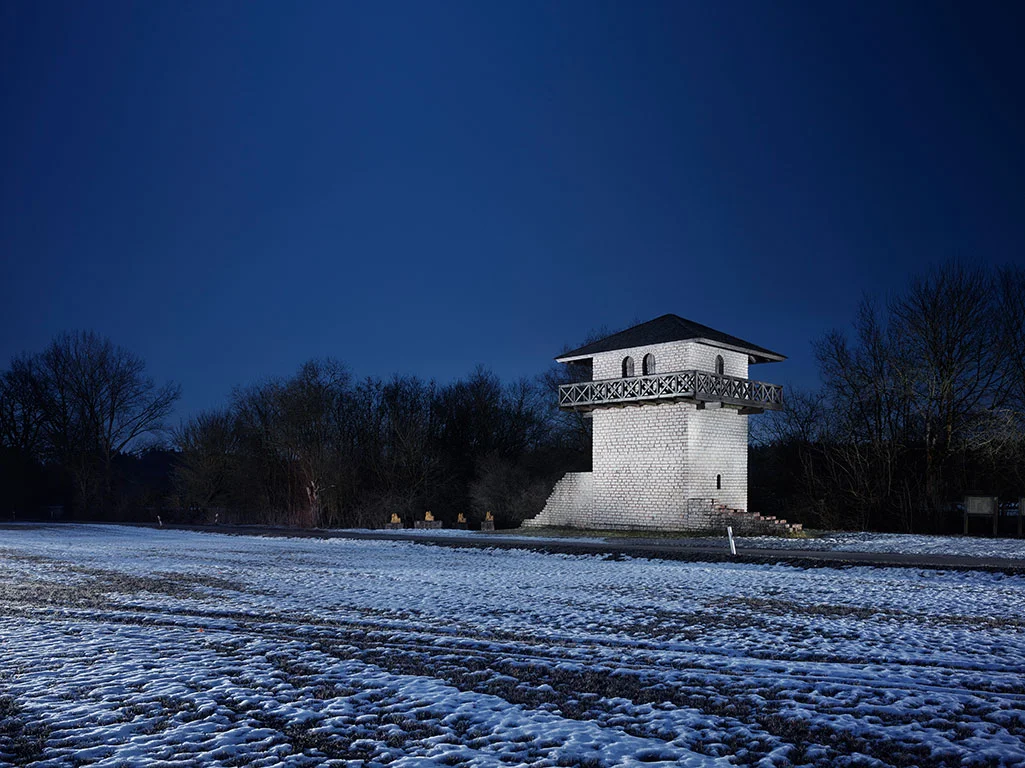
Erkertshofen, Bavaria
Reconstructed watchtower WP 14/63, built in 1992.
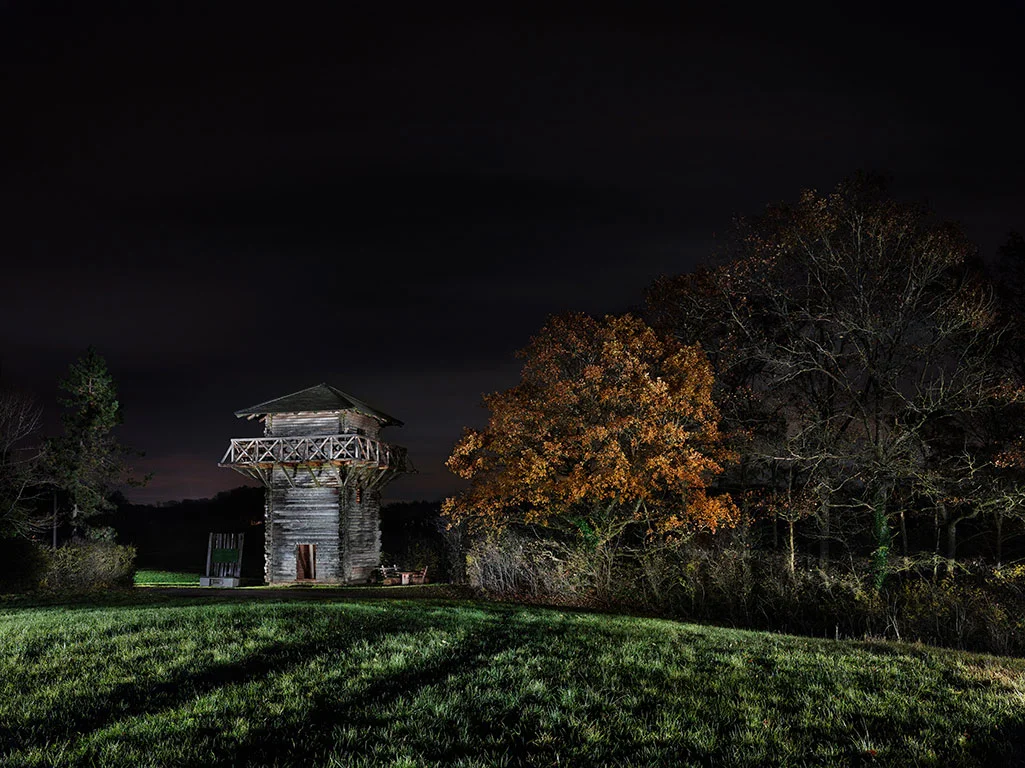
Mainhardt, Baden-Württemberg
The wooden watchtower WP 9/64, built in 1972, at the Römergraben near Geisselhard.
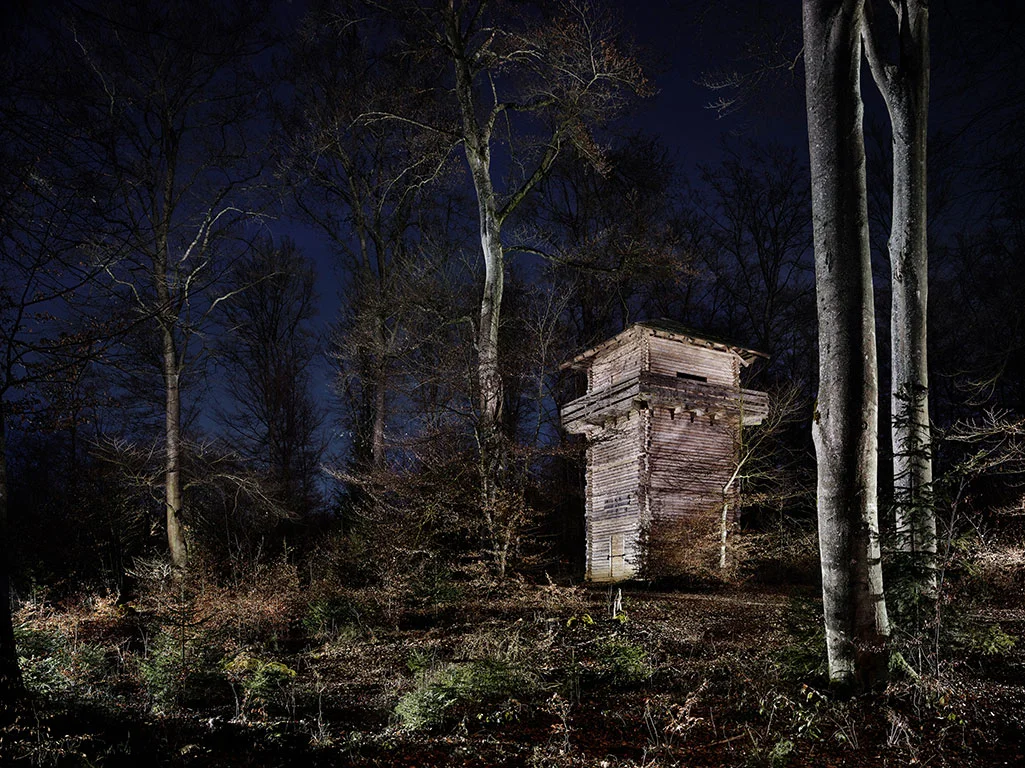
Kipfenberg, Bavaria
Watchtower WP 14/78 on the Pfahlbuck, a wooden reconstruction from 1996/97.
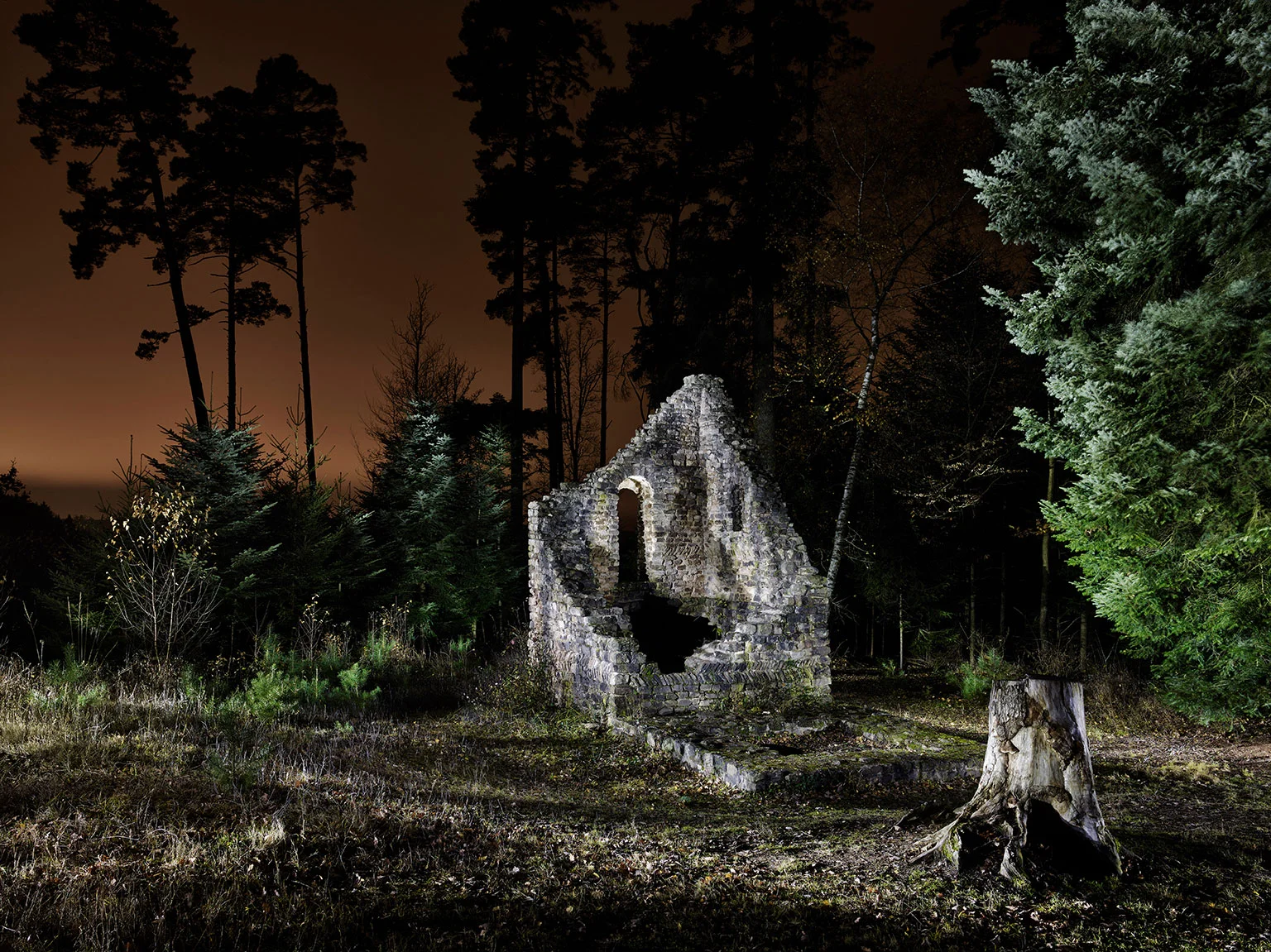
Murrhardt, Baden-Württemberg
Partial reconstruction of watchtower WP 9/96 from 1969 on the Heidenbühl.
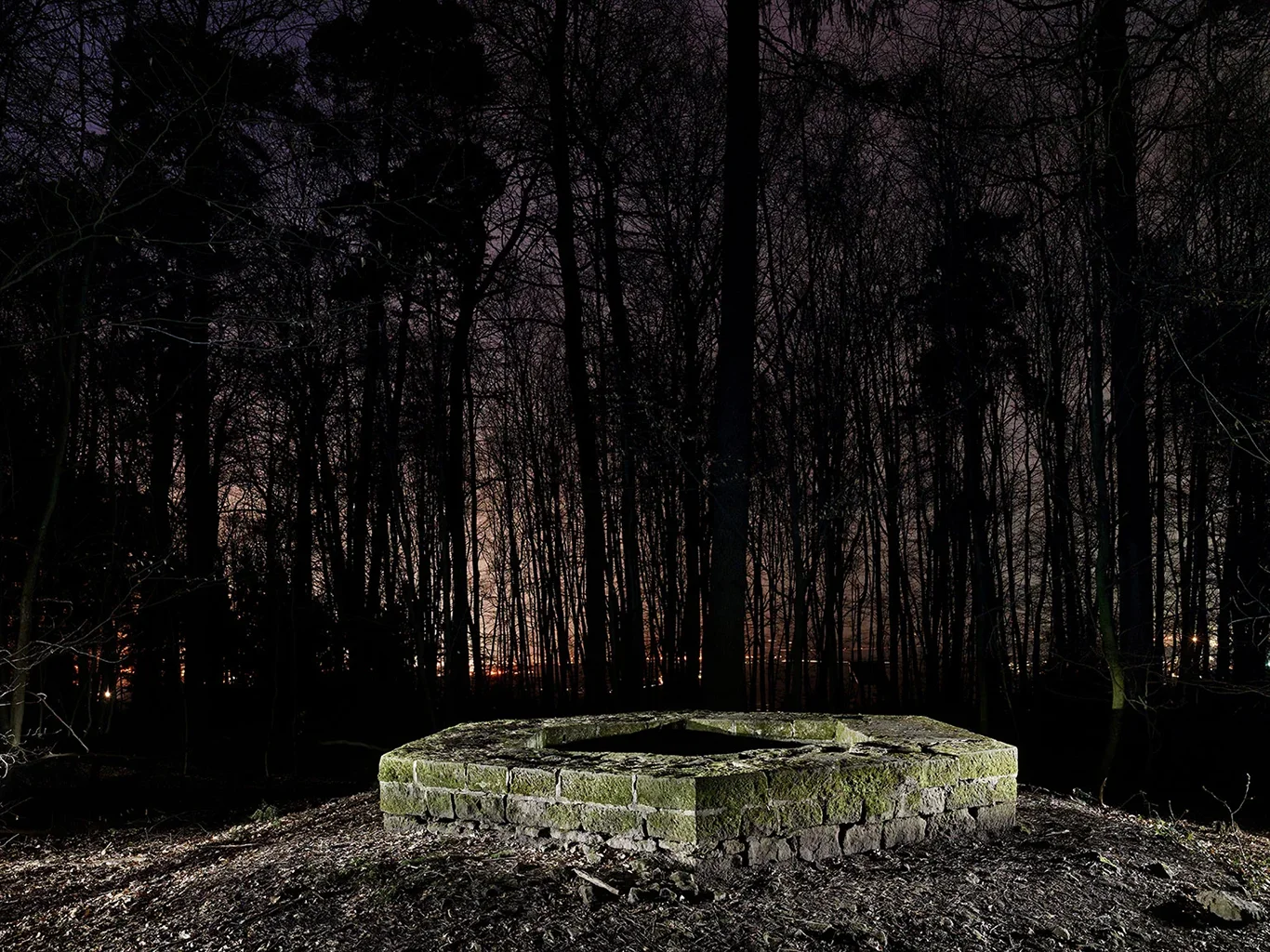
Gleichen, Baden-Württemberg
A notable feature along the Limes is the foundation of the hexagonal watchtower WP 9/51.
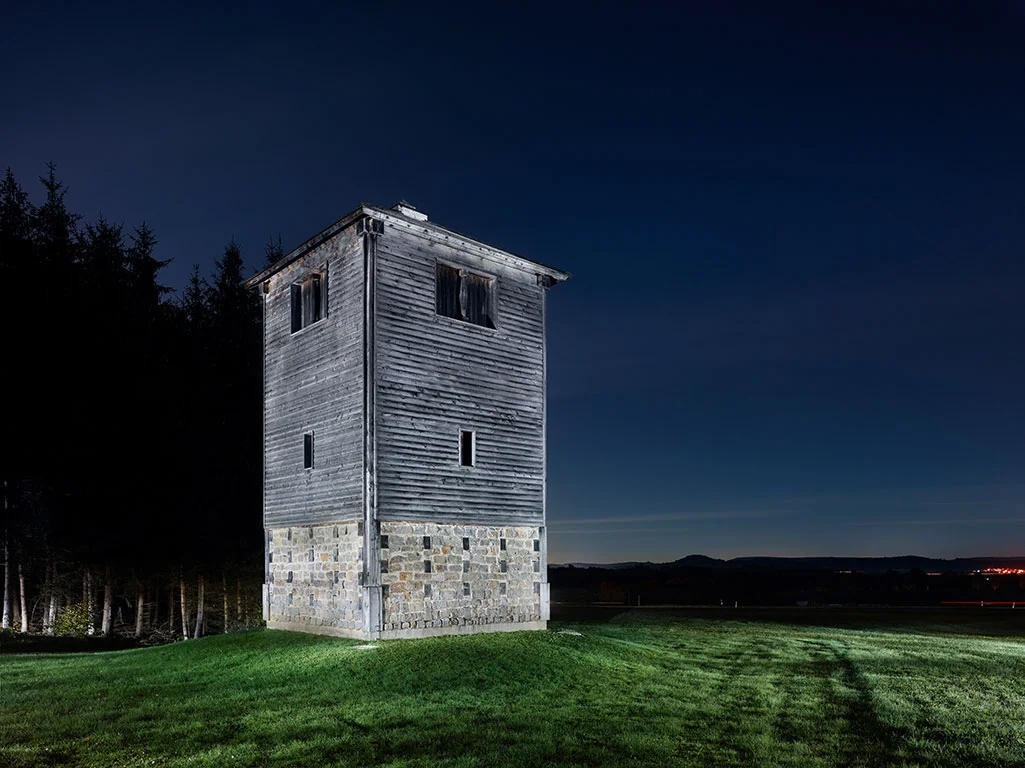
Rainau, BW
Watchtower WP 12/77, built of timber in 2008.
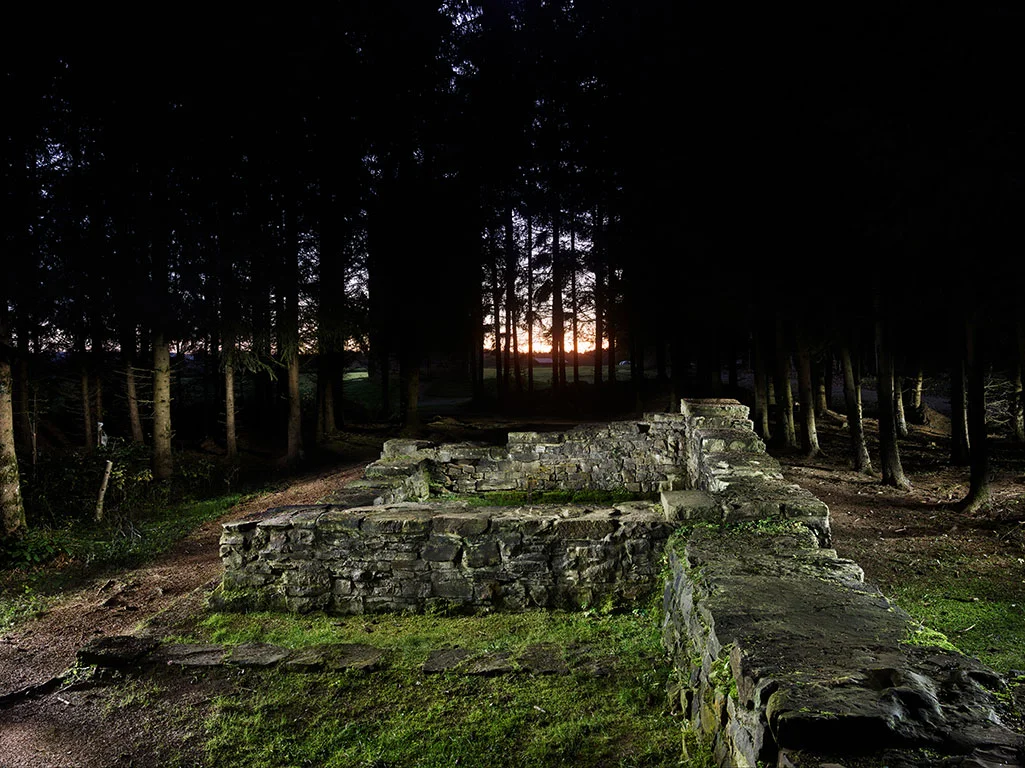
Rainau, BW
Foundation of watchtower WP 12/77 in Mahdholz.
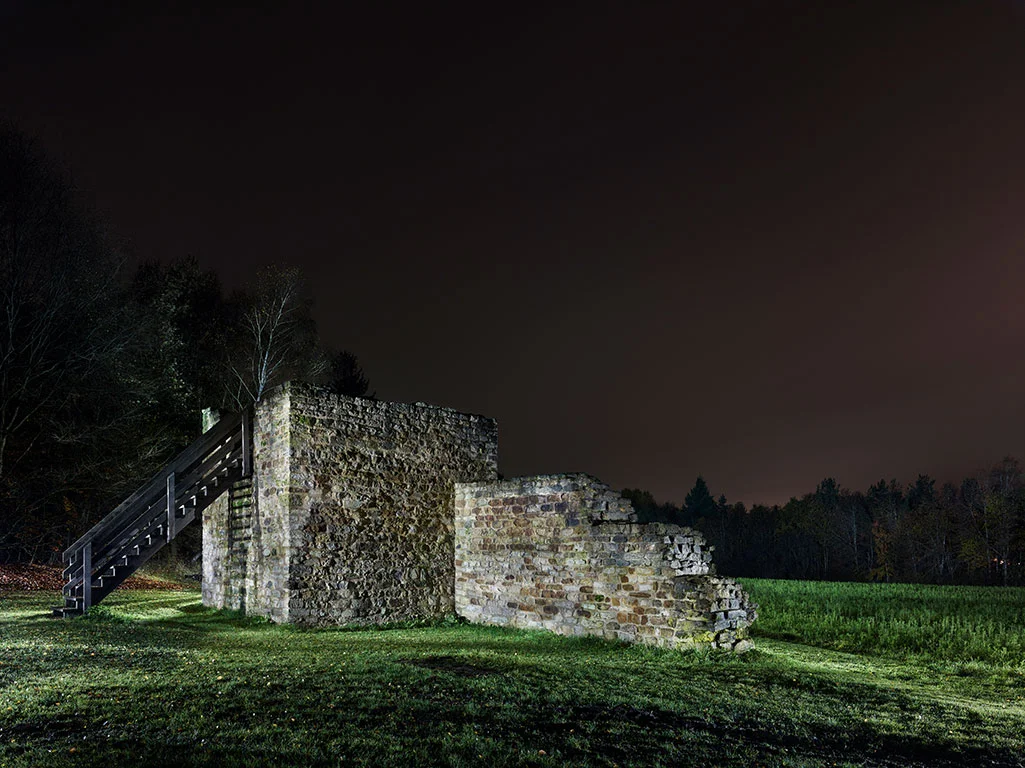
Mönchsroth, Bavaria
Watchtower WP 13/2, partial reconstruction from 1986.
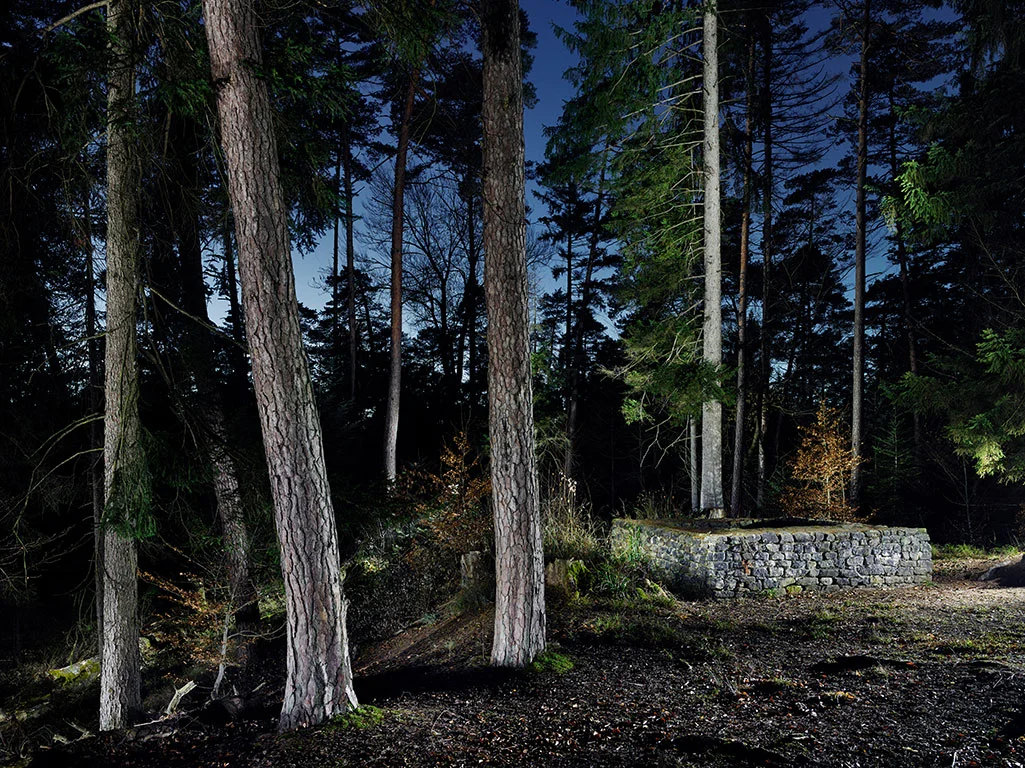
Lorch, BW
Foundation of watchtower WP 12/10.
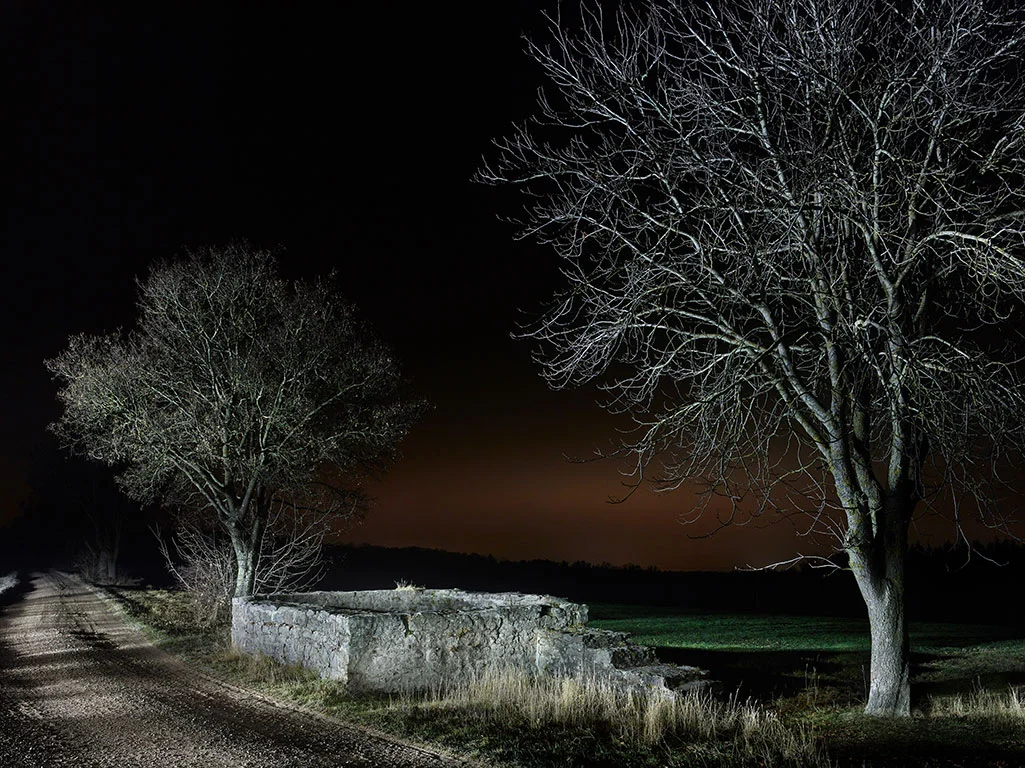
Theilenhofen, Bavaria
Foundation of tower WP 14/17 on the Ritterner Espan, reconstruction from 1964.
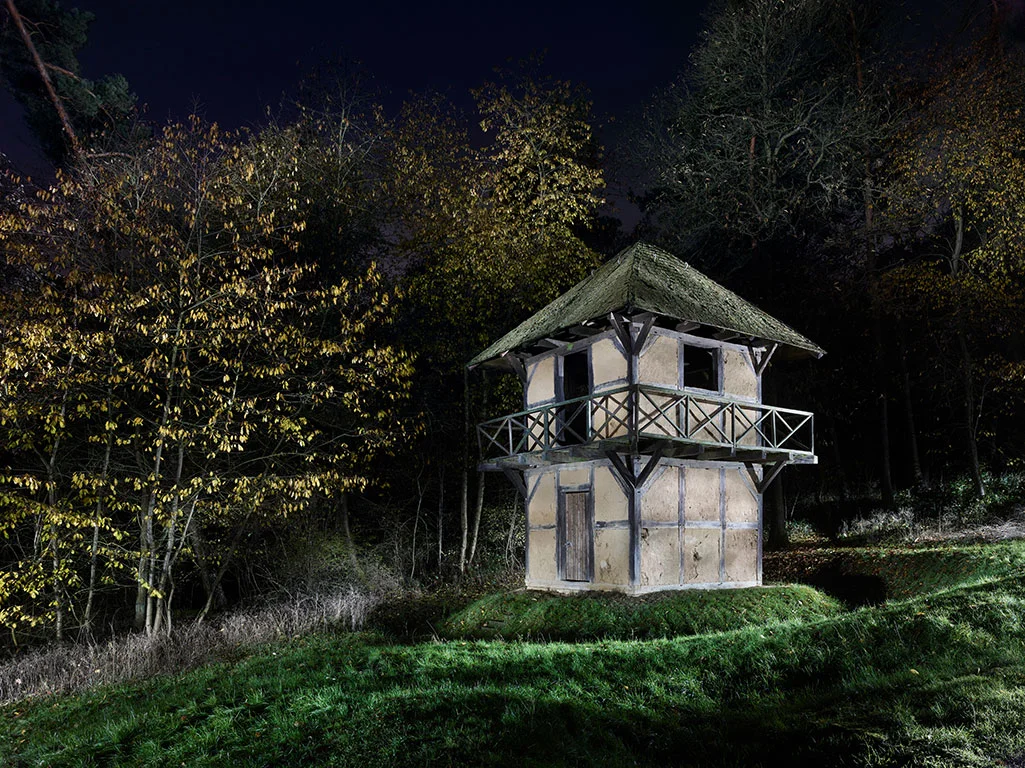
Butzbach, Hesse
Watchtower WP 4/33, half-timbered with clay infill (dating from 1898, renovated in 1957).
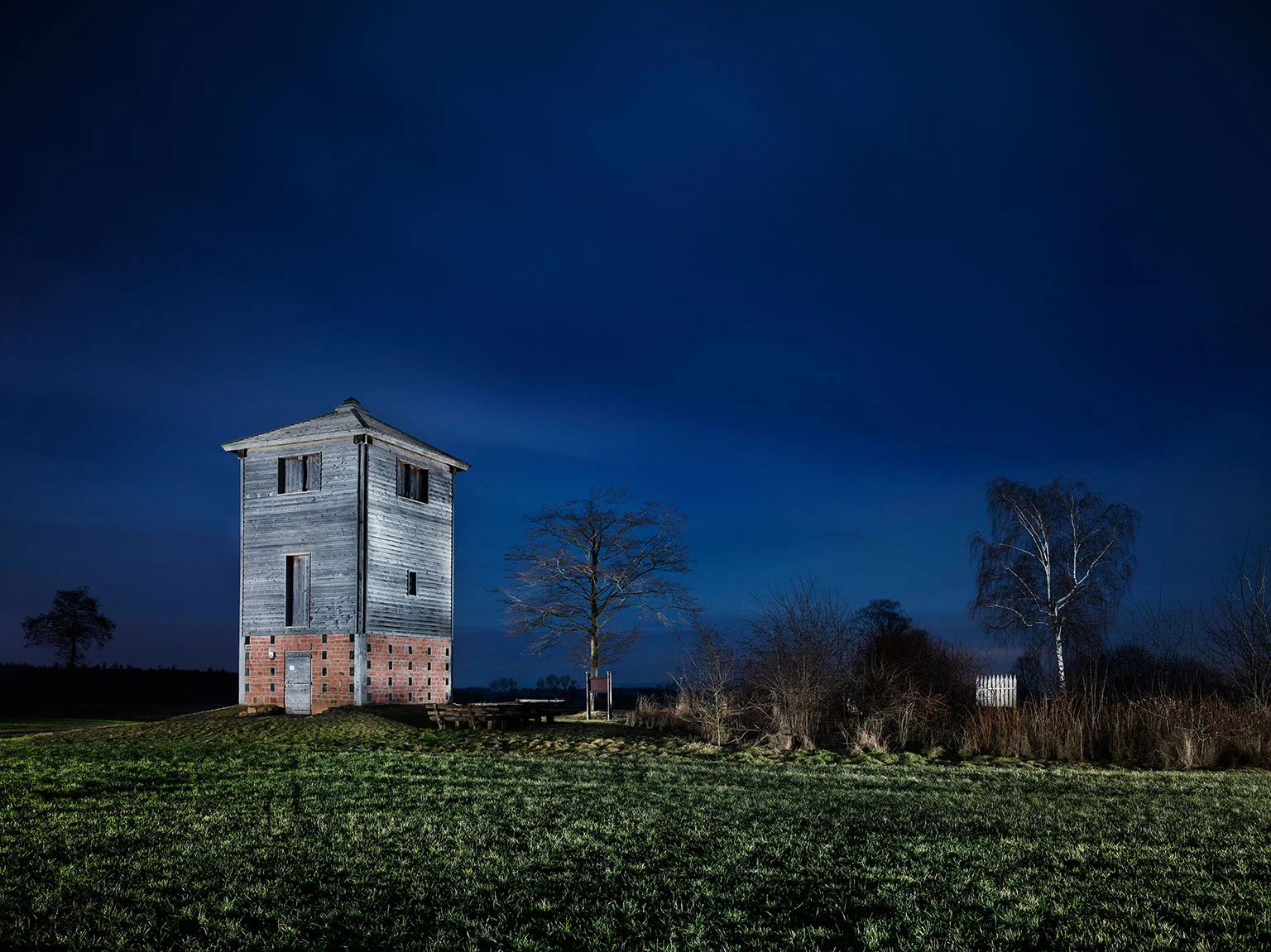
Near Vielbrunn, Hessen
Watchtower WP 10/15 ‘Im oberen Haspel’ on the Odenwald Limes, reconstruction built in 2010.
Limes forts and more
It was not only soldiers who lived along the Limes. Within the forts and the neighbouring civilian settlements (vicus), a distinct way of life developed, characterised by craftsmanship, trade and – as the preserved thermal baths show – a certain level of comfort. Life along the Limes was more varied than its mere function as a border would suggest. This series shows only a small glimpse of this so far.
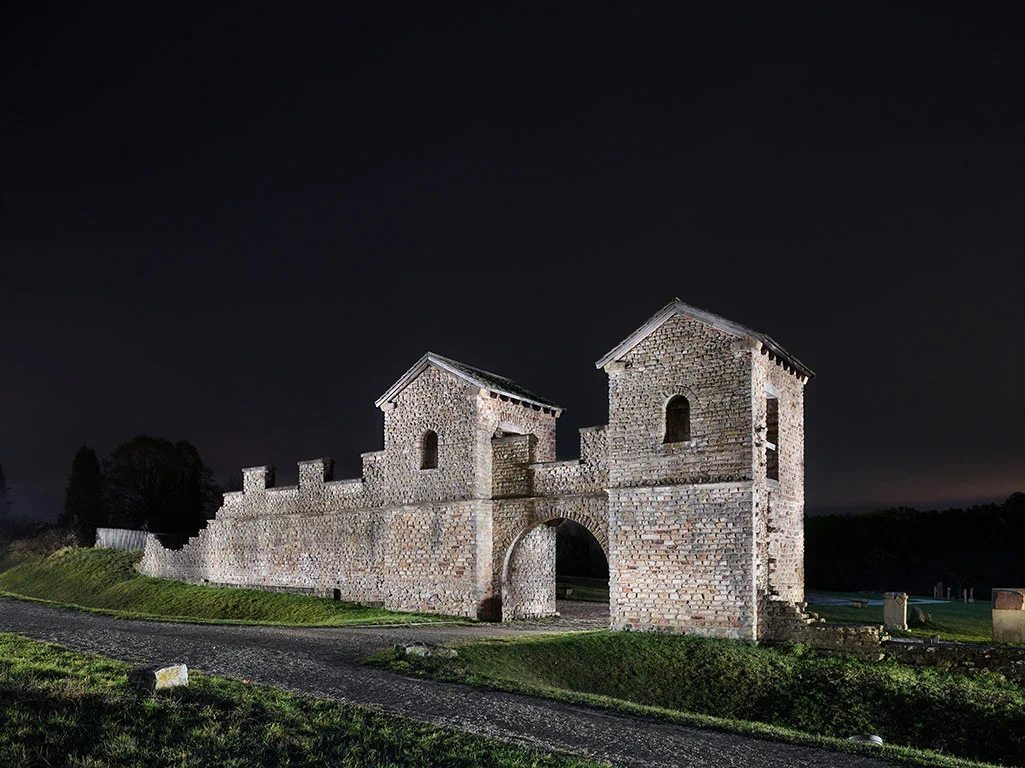
Welzheim, Baden-Wuerttemberg
West Gate of the Ostkastell.
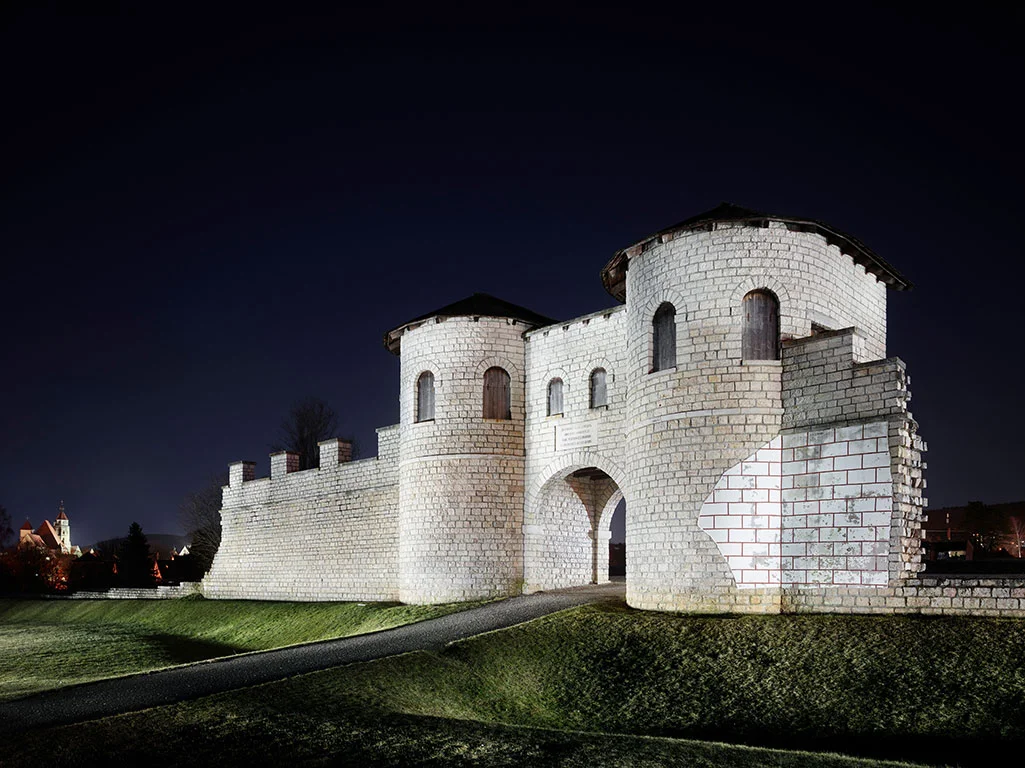
Weissenburg, Bavaria
Biriciana, Roman fort.
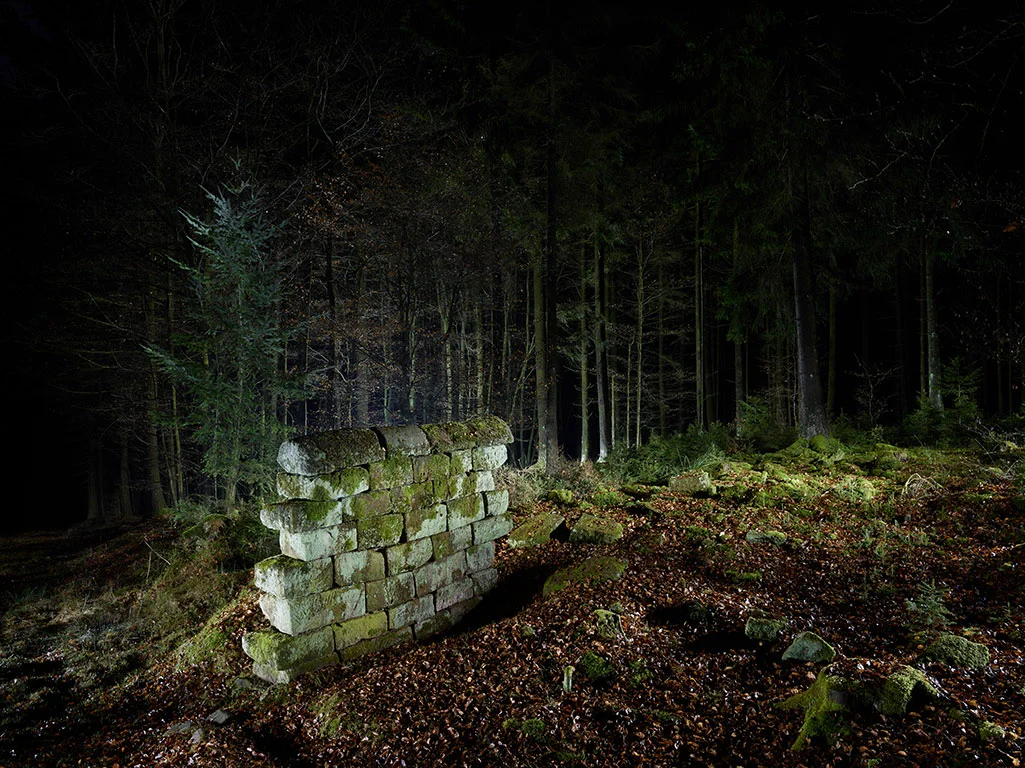
Limes wall at Hesseneck
Sandstone wall on the Odenwald Limes.
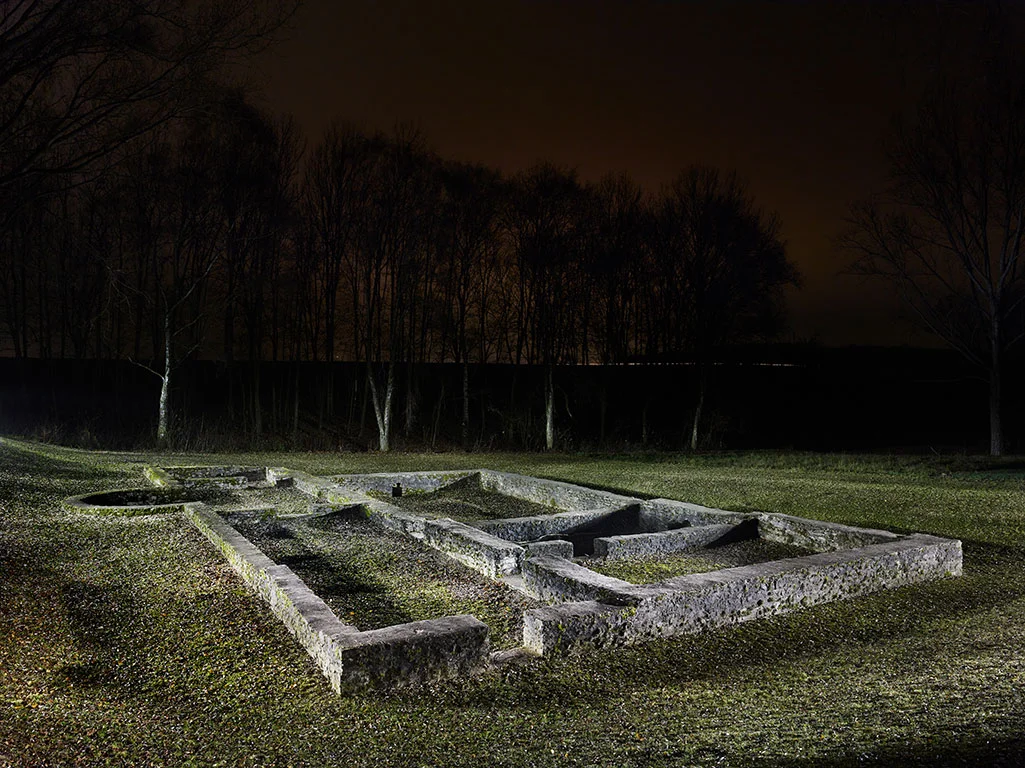
Theilenhofen thermal baths
Brick-built reconstruction of the Theilenhofen thermal baths, Bavaria.
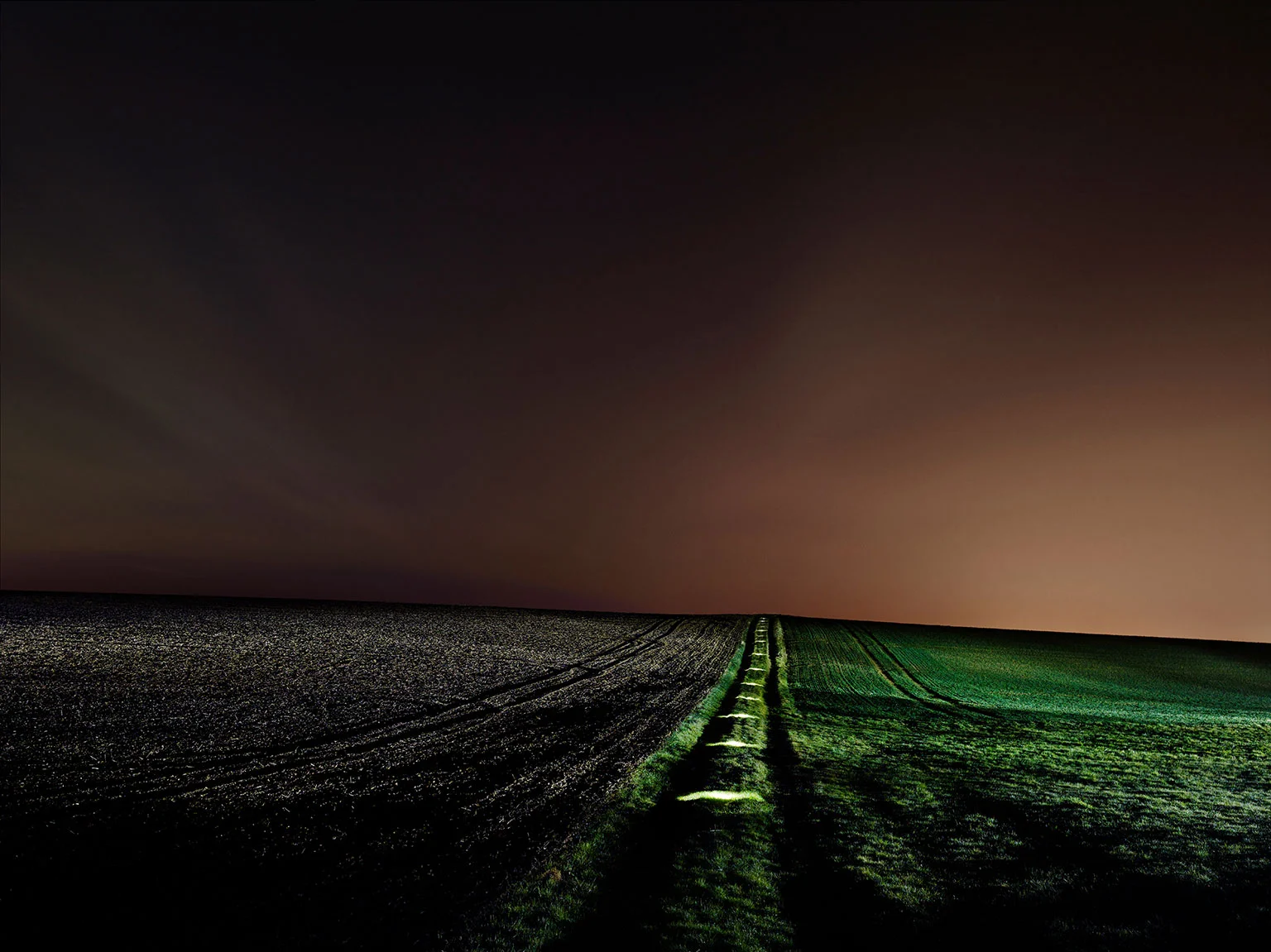
Course of the Limes
The course of the Limes across a field near Zweiflingen.
All other series
- Info
- Landscapes
- The Lightworks
- Portraits
- Projects
From here, you can navigate to all the other series.