Street Lights

The wonderful world of Street Lights
What you see from below is rarely what you expect.
We like to look up, gaze upwards, and sometimes we overlook one thing or another in the process. A change of perspective can make perfect sense and allow us to see our surroundings in a different angle.
The street lamp hangs silently above us, looking down on us and patiently lighting our way night after night. It makes the night passable, transforming the eerie darkness into something familiar, transforming streets shrouded in fog into a mythical space.
The Greeks and Romans placed simple clay lamps on poles, and in the Middle Ages, the night still belonged to itself – occasionally candles, torches or a wreath of pitch flickered on the walls of houses. Light was expensive. In the 17th century, oil lanterns were hung on chains across the streets of Paris – and so Europe had its first Ville Lumière, its city of light. The English lit the first gas lanterns in London in 1807, and they continued to shine well into the 20th century.
There were mercury vapour lamps, incandescent bulbs, carbon arc lamps – and the sodium vapour lamp: the workhorse among light sources, practical, reliable and yellowish-orange. The new white light of LED lamps is more precise and economical, but less soft than that of their predecessors.
When passing by, the street lamps are invisible. What you see from below is rarely what you expect. Sometimes they remind me of a kind of face, of non-human eyes. They fascinate me with their aesthetics, which were not created for that purpose.
The images look very beautiful when shown together in a series.


All other Series
- Info
- Landscapes
- The Lightworks
- Portraits
- Projects
From here, you can easily navigate to all the different portfolios and image series.
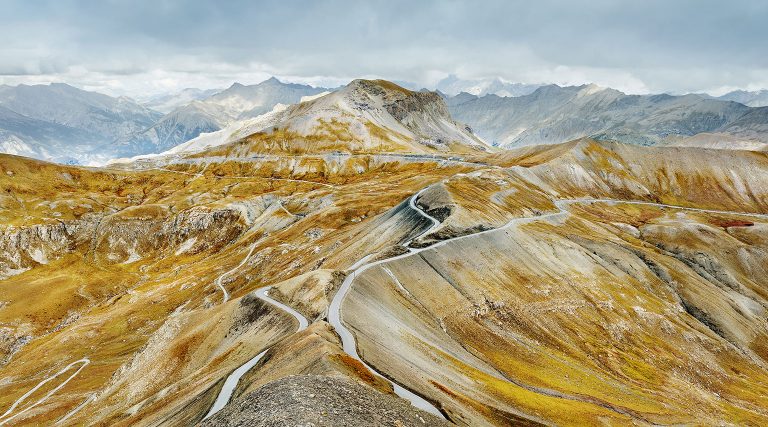
- Alpine Passes
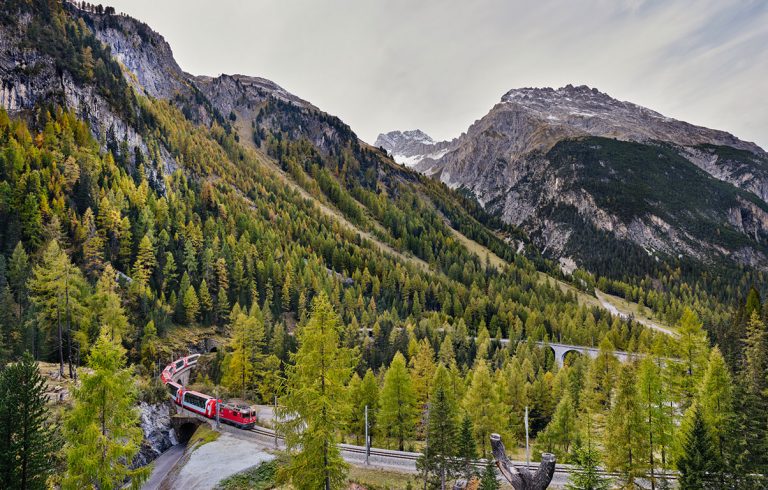
- Alpine Railways
- Germany - Journey through time
- German Landscapes
- Seascapes
- Dutchscapes
- Iceland Landscapes
- The Normans
- The Land of the Cathars
- Monument Valley
- The Vikings
- Winnetou Landscapes

Alpine Passes

Alpine Railways
Germany - Journey through time
German Landscapes

Seascapes

Dutchscapes

Iceland Landscapes

The Normans

The Land of the Cathars

Monument Valley
The Vikings
Winnetou Landscapes




- Ghost Towns of the American West
- Ancient Greece
- British Abbeys
- The invisible Camp
- German Bedrooms
- Göbekli Tepe
- The Celts
- Lost Places
- The Limes
- Caves of the oldest Ice Age Art

Ghost Towns of the American West

Ancient Greece

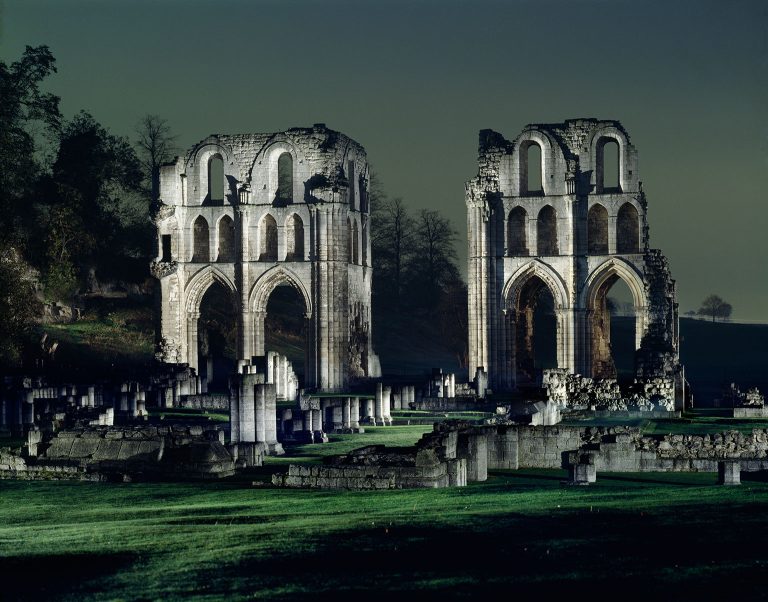
British Abbeys

The invisible Camp
German Bedrooms

Göbekli Tepe

The Celts

Lost Places
The Limes

Caves of the oldest Ice Age Art