The Vikings
The Age of the Norseman
For almost 300 years, the Occident feared the Vikings: Scandinavian seafarers who began raiding monasteries in the British Isles and the Frankish Empire around 790 AD. At the same time, the Norsemen, as merchants, largely peacefully developed a trade network stretching from the North Cape to the Middle East and settled islands in the North Atlantic.
Stone monuments, graves and the remains of mighty fortresses still bear witness to the era in which the Vikings ruled the seas of the North.
For the magazine GEO Epoche, I travelled through Northern Europe in the footsteps of the Vikings and photographed sites in Iceland, Sweden, Denmark and Germany.
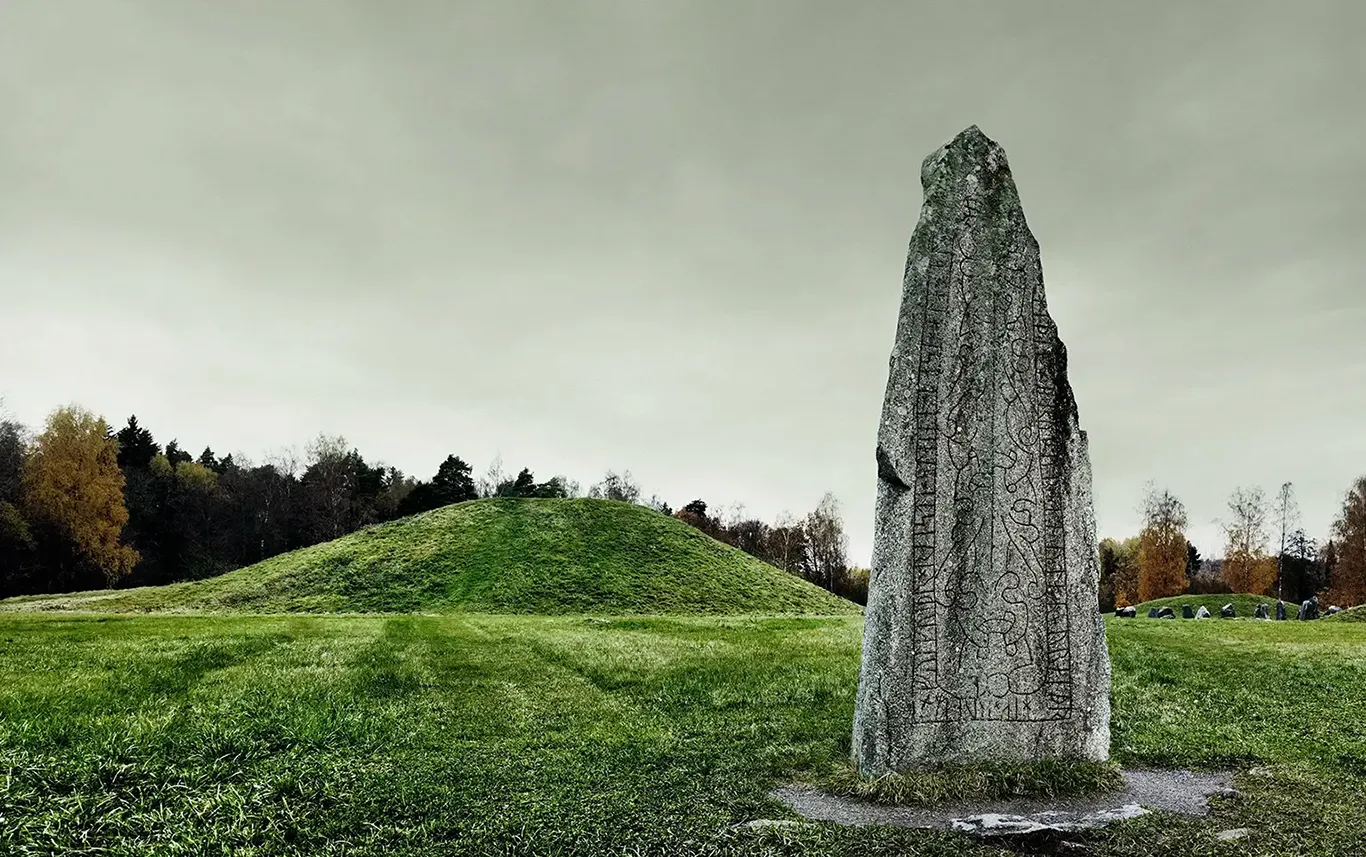
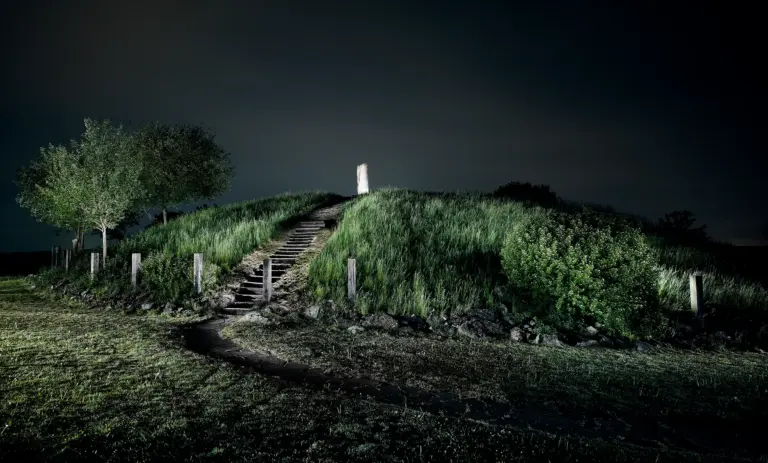
Anundshög, Sweden
In runic inscriptions carved into mighty stones, the Vikings praised the deeds of warriors, rulers and patrons like here in Anundshög, where a man named Folkvid erected this monument in honour of his deceased son around 1025.
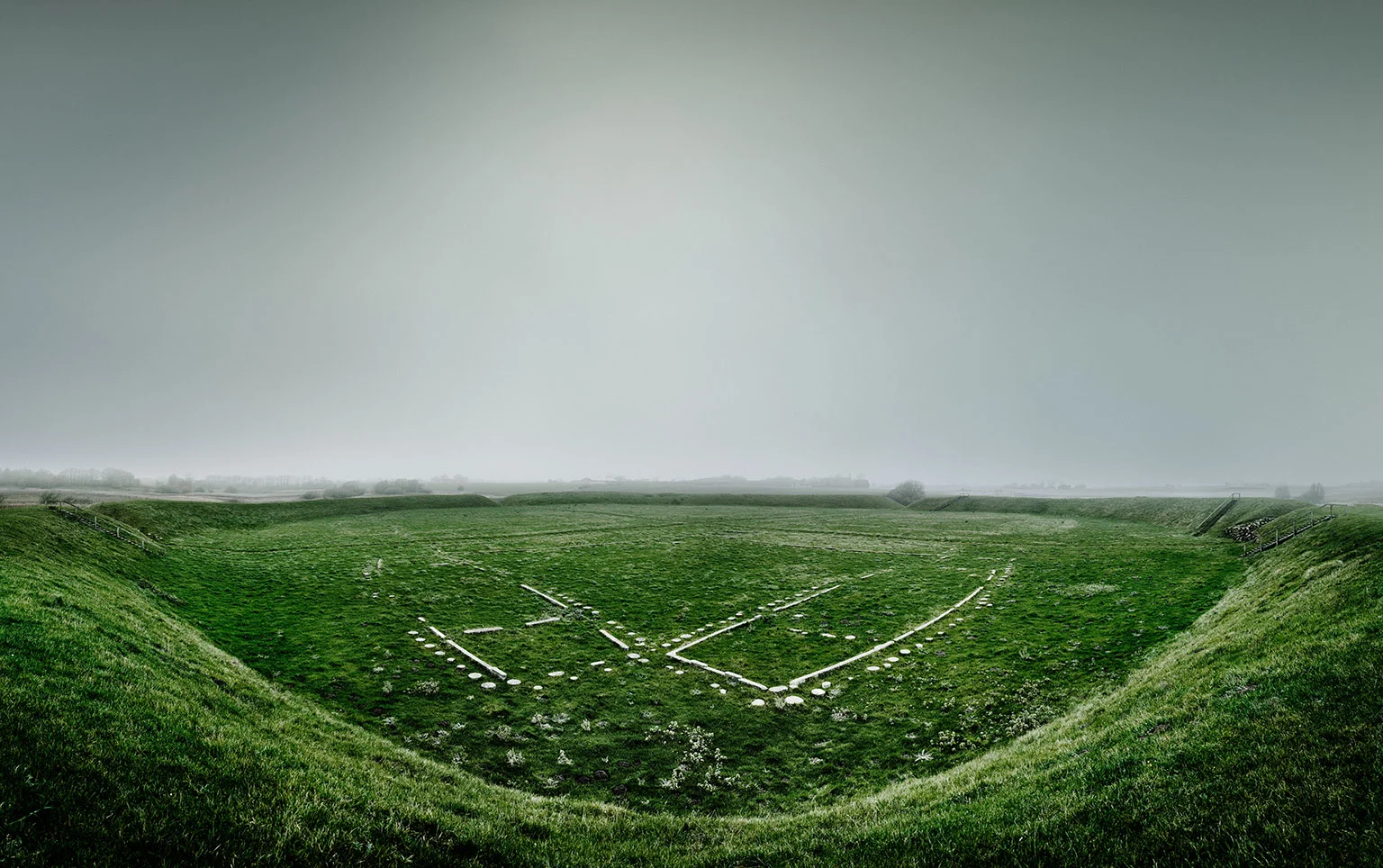
Viking Ring Castle Trelleborg, Denmark
Four gates once granted access to the circular royal fortress of Trelleborg on the Danish island of Zealand. Two streets cut the one-and-a-half-hectare complex into even quarters, each with four houses arranged in squares.
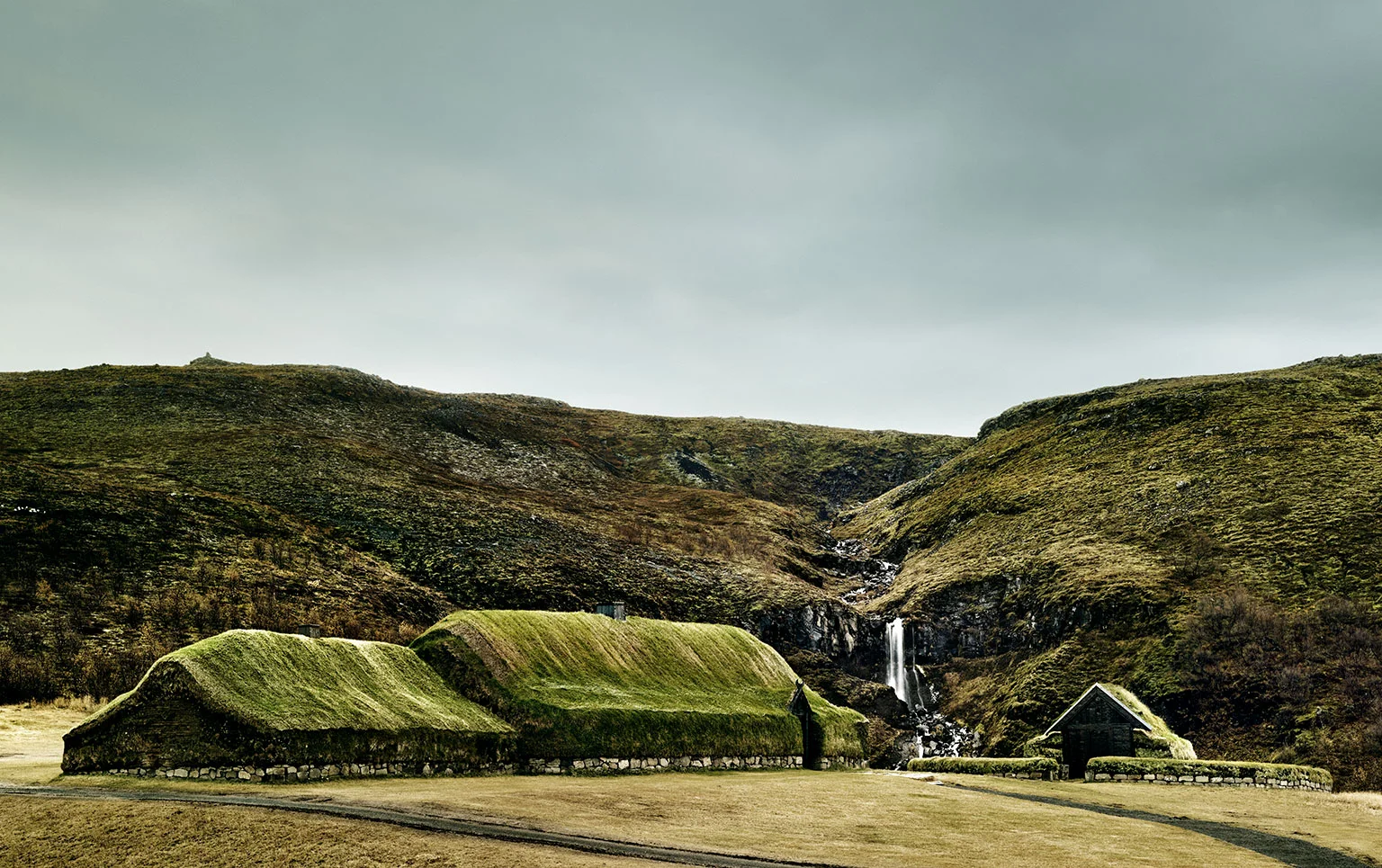
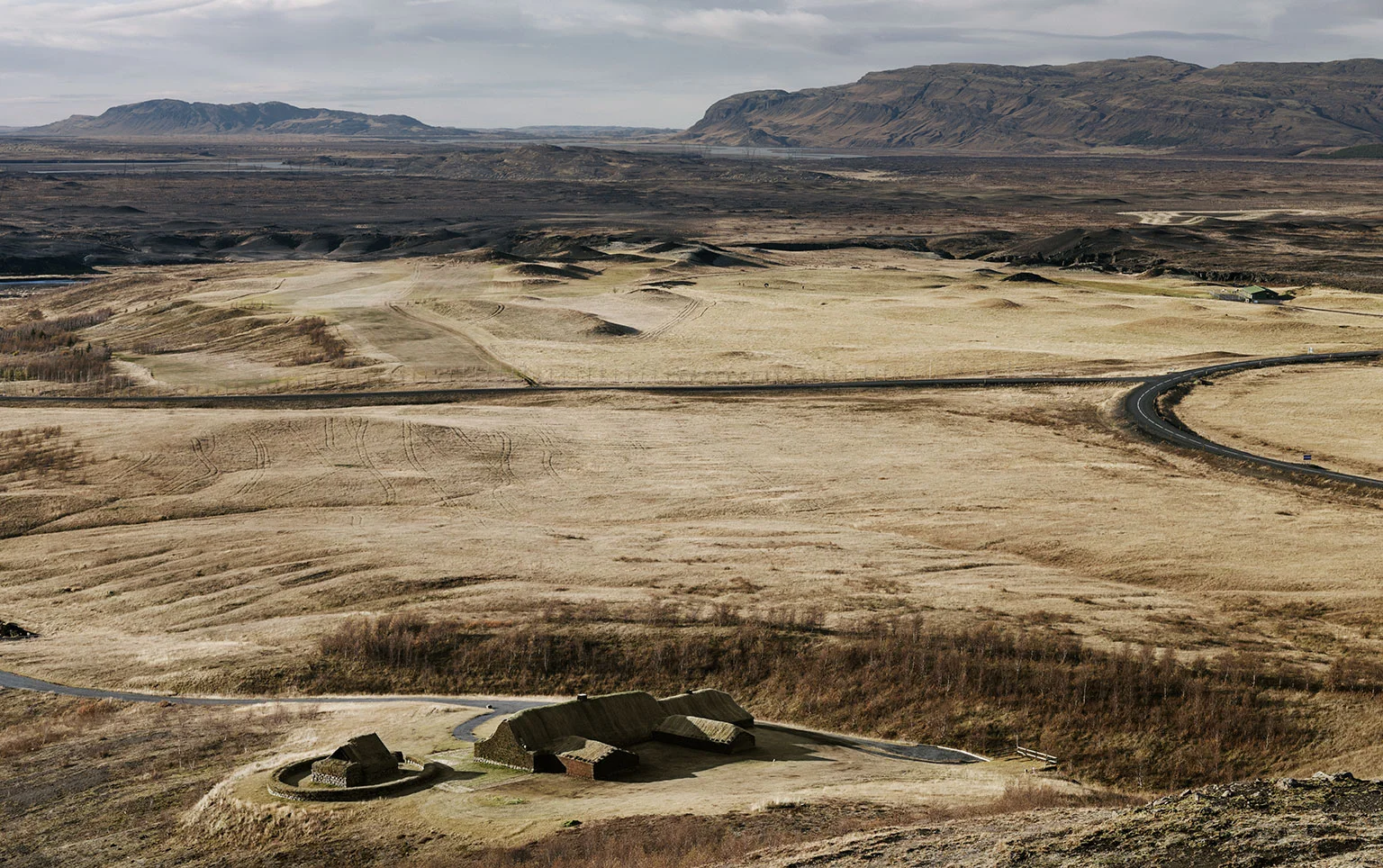
Farmstead Stoeng, Iceland
In the 9th century, Scandinavia's population increased noticeably. This was one of the reasons why farmers from Norway, who could no longer make a living in their homeland, ventured far into the stormy North Atlantic in search of land - and from 870 built up a new existence on the island of Iceland, which is dominated by volcanoes and glaciers.
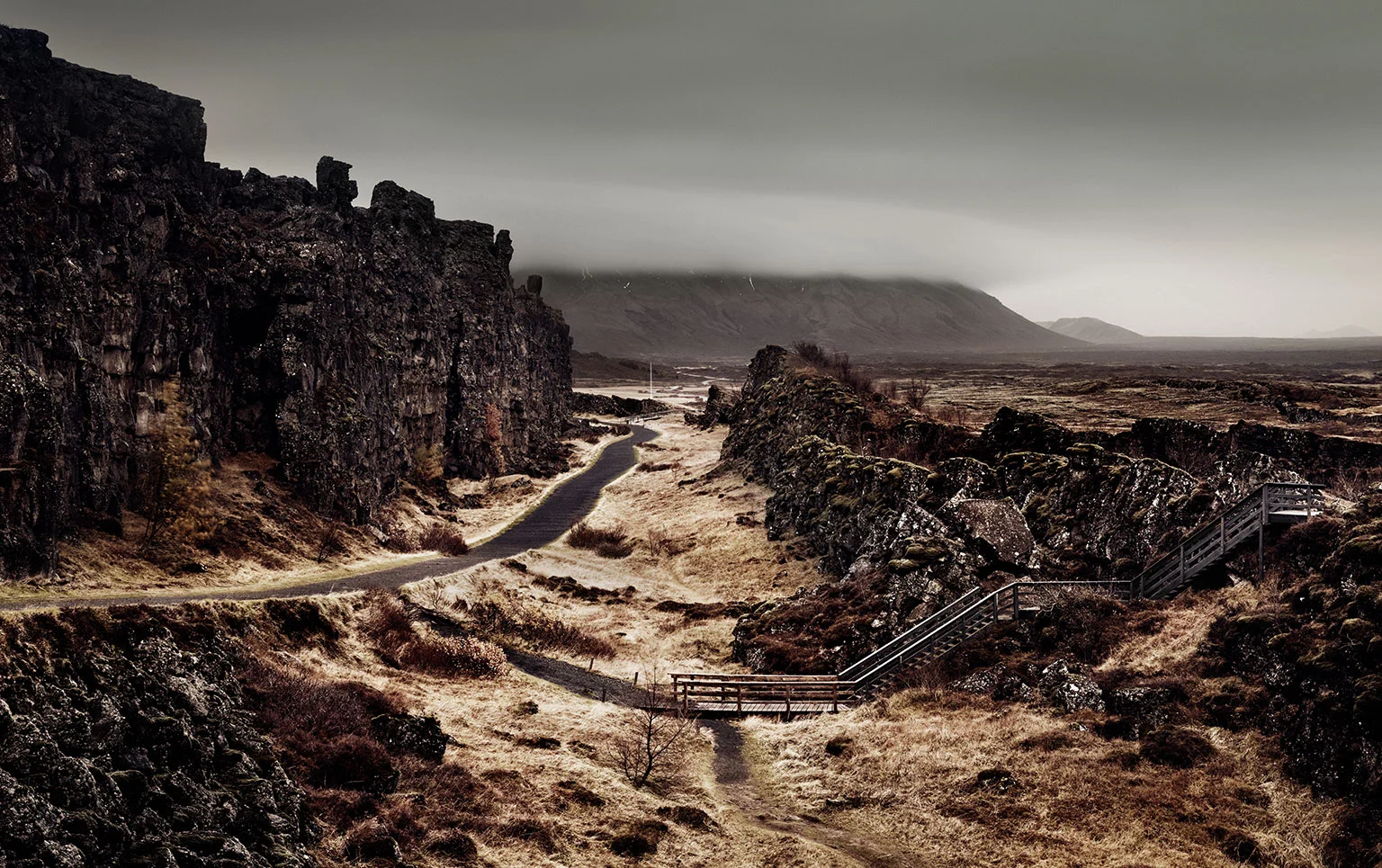
Thingvellir, Iceland
A place for the law. Today, a white pole in Thingvellir National Park marks the probable location of the "lögberg", that law rock where the Althing - an assembly of all free men - shouted out to those gathered the rules that apply to all Icelanders.
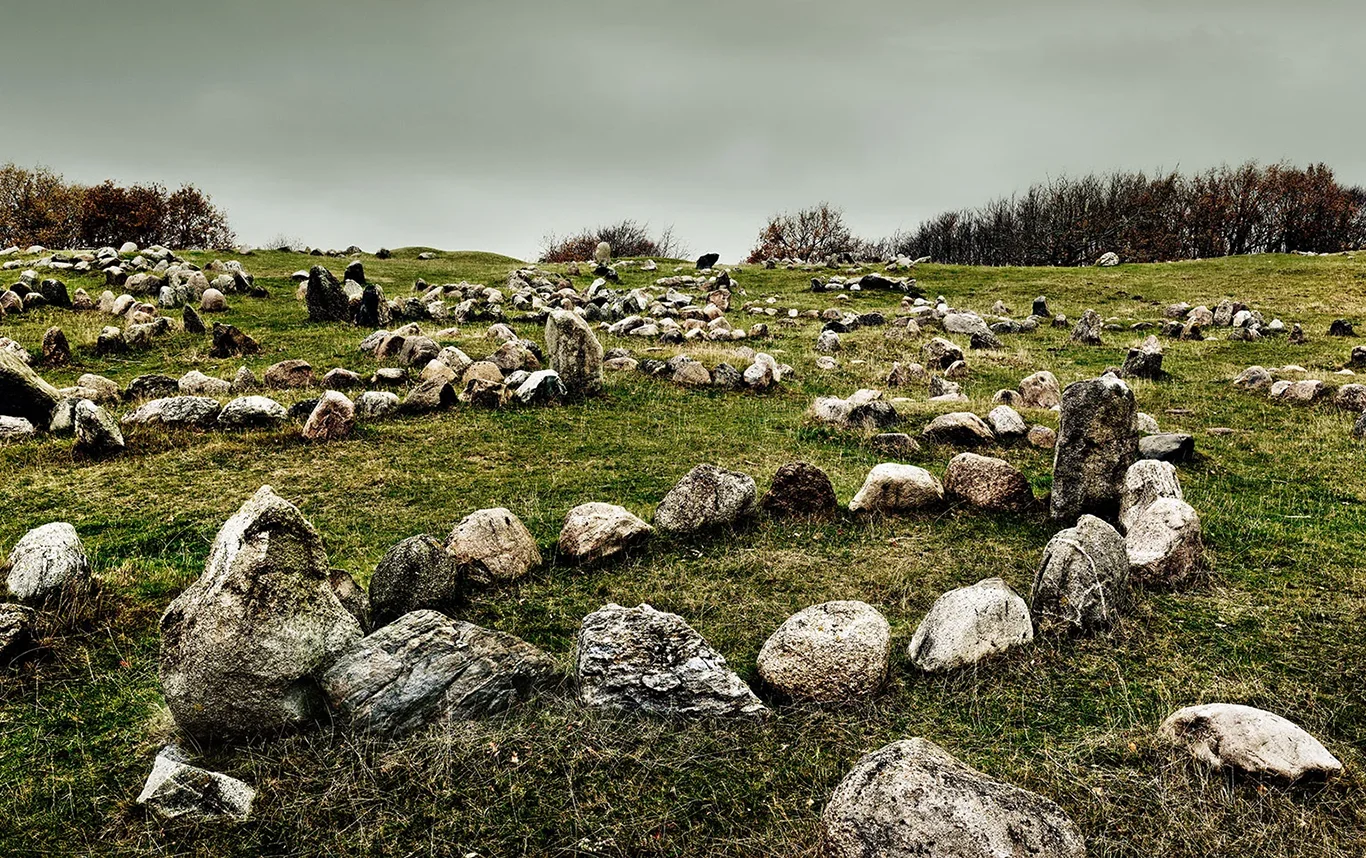
Lindholm Hoje, Denmark
Ship burials from Lindholm Hoje. The Vikings believed that the boats would also accompany them into the afterlife. Two large boulders mark the bow and stern.
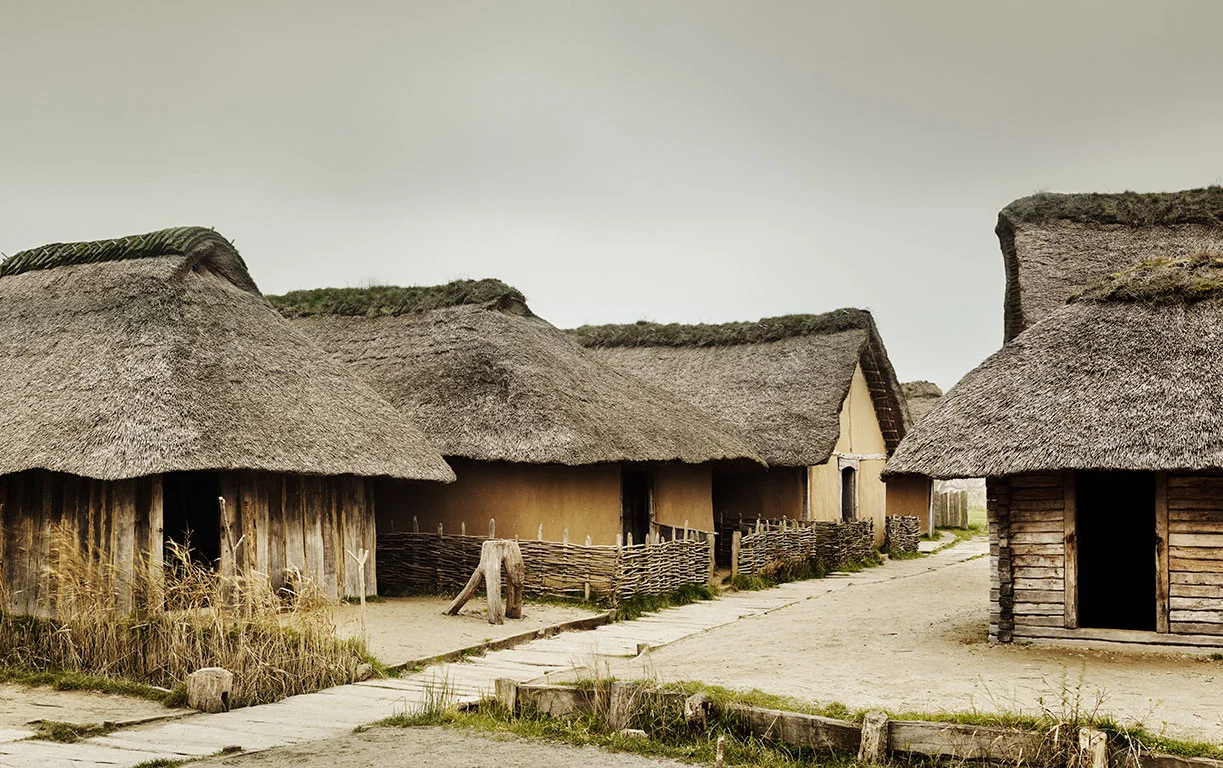
Haithabu
Reconstructed houses of the Viking trading centre Haithabu, Germany
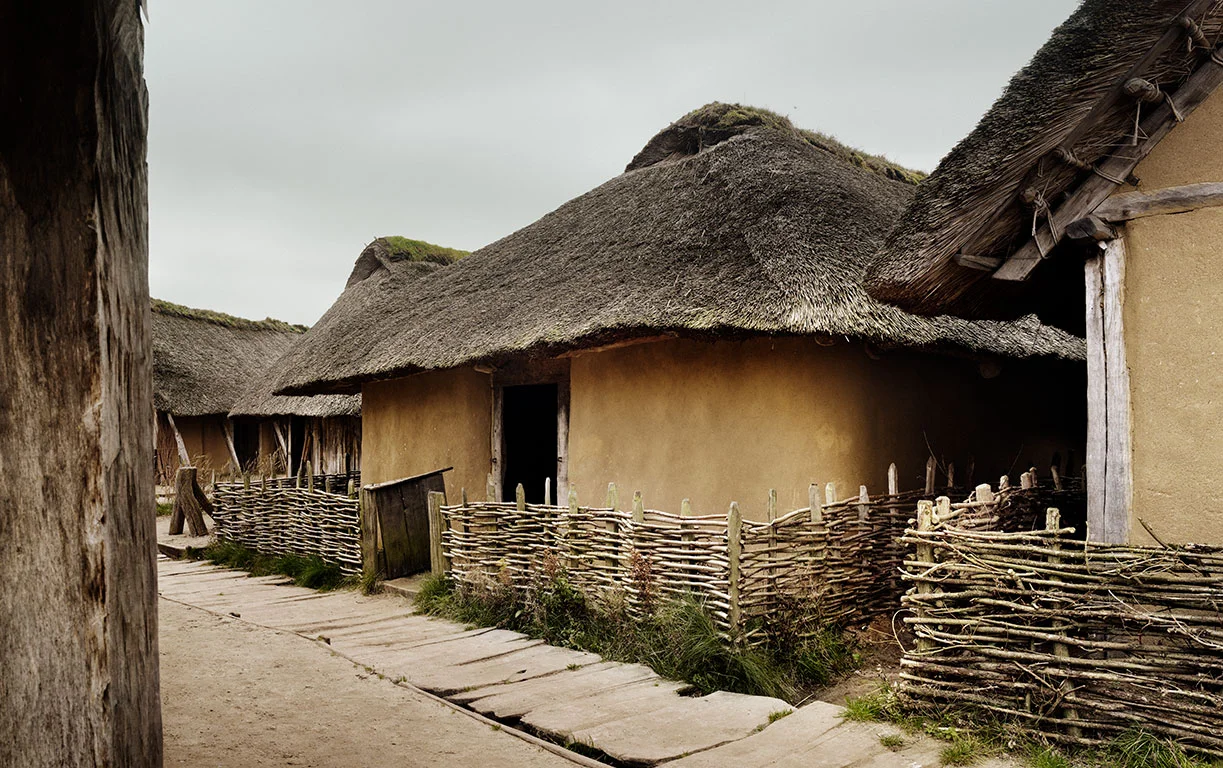
Haithabu
Reconstructed houses of the Viking trading centre Haithabu, Germany
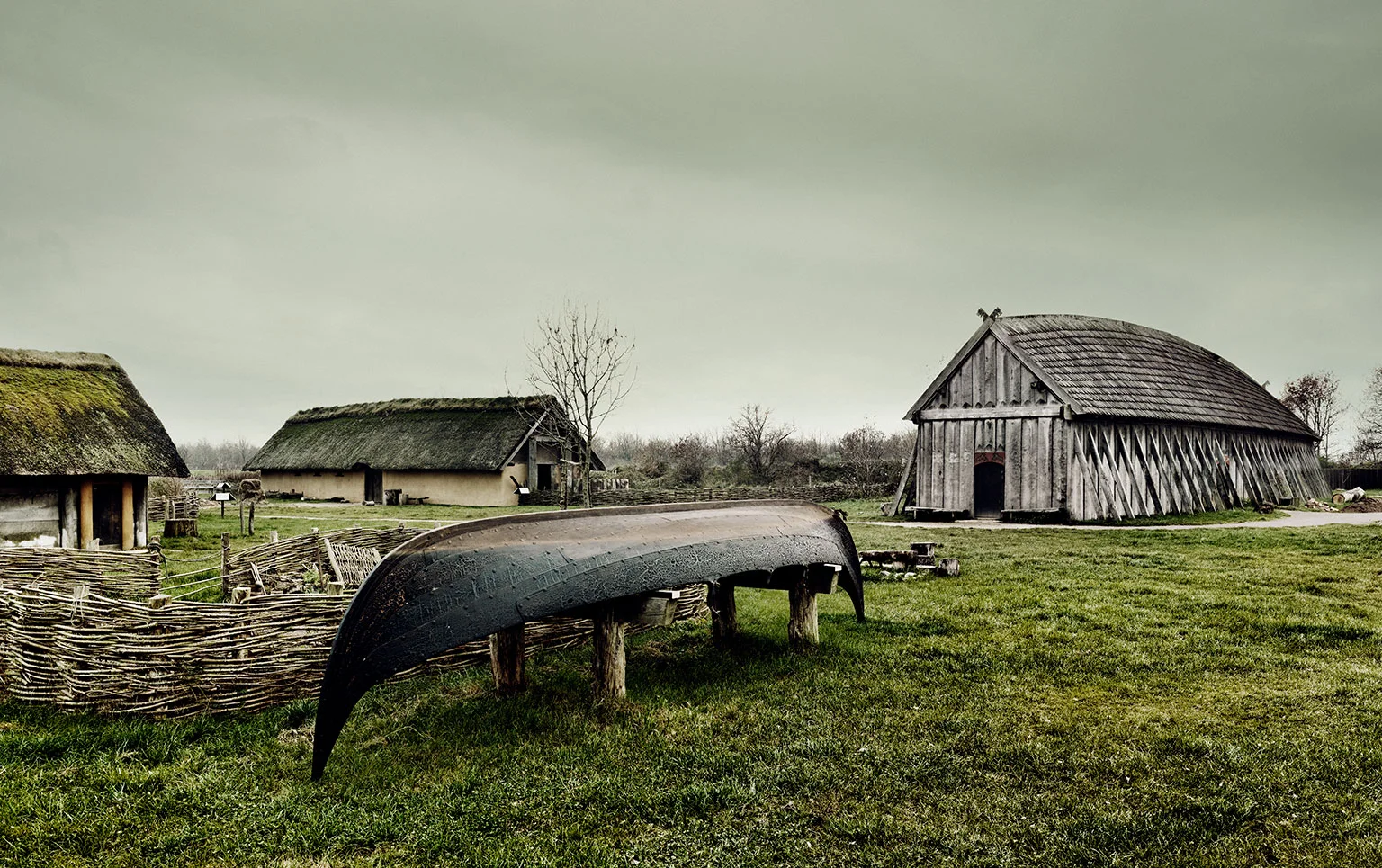
Ribe
Reconstruction of the Viking trading town of Ribe, the oldest Danish town.
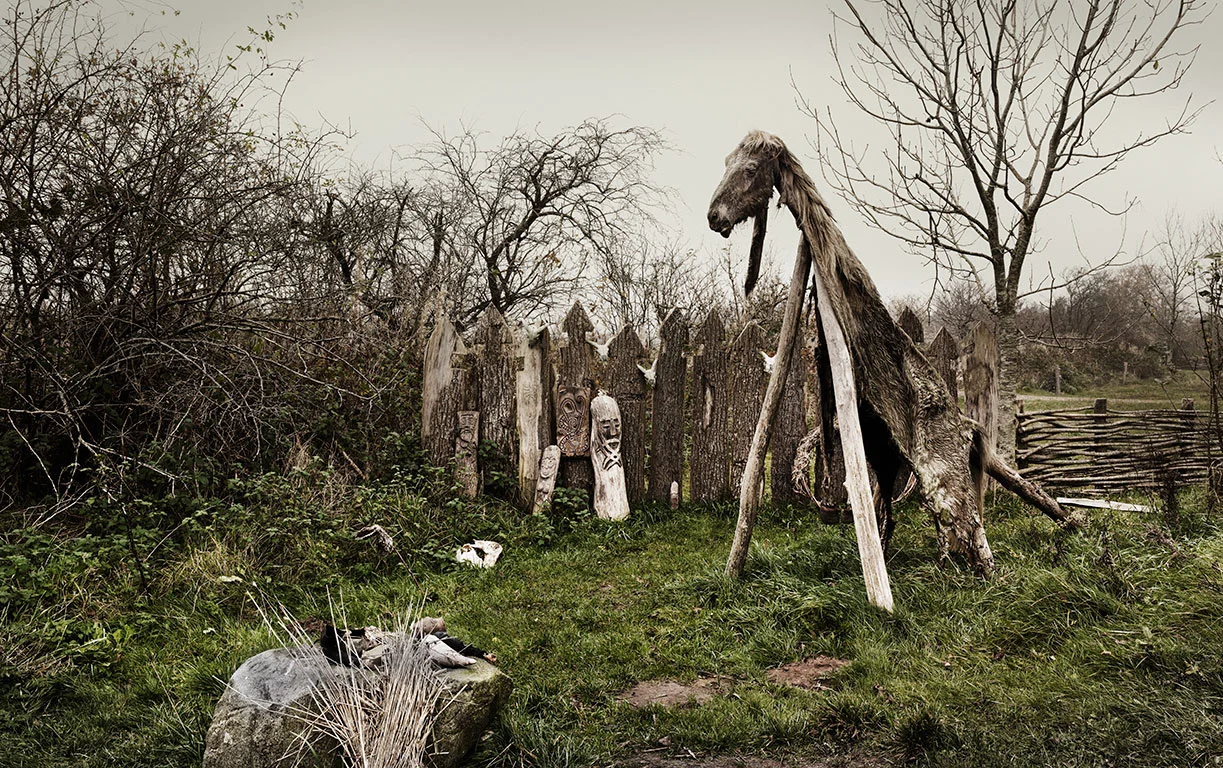
Ribe
Cult place in the reconstructed Viking trading town of Ribe.
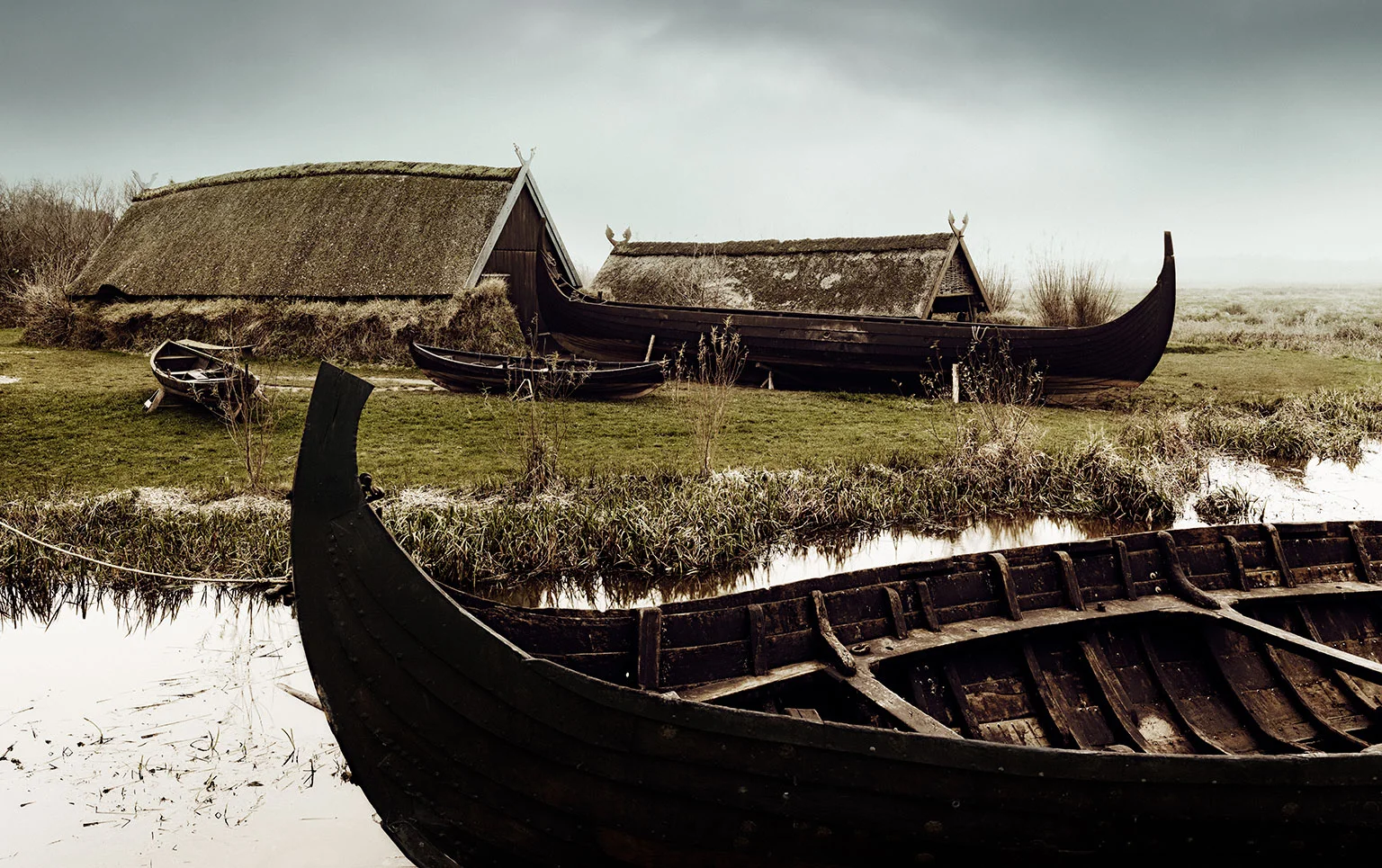
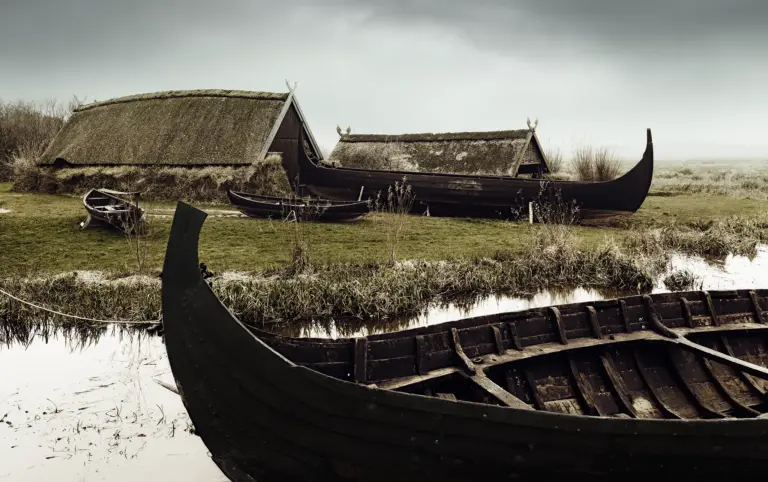
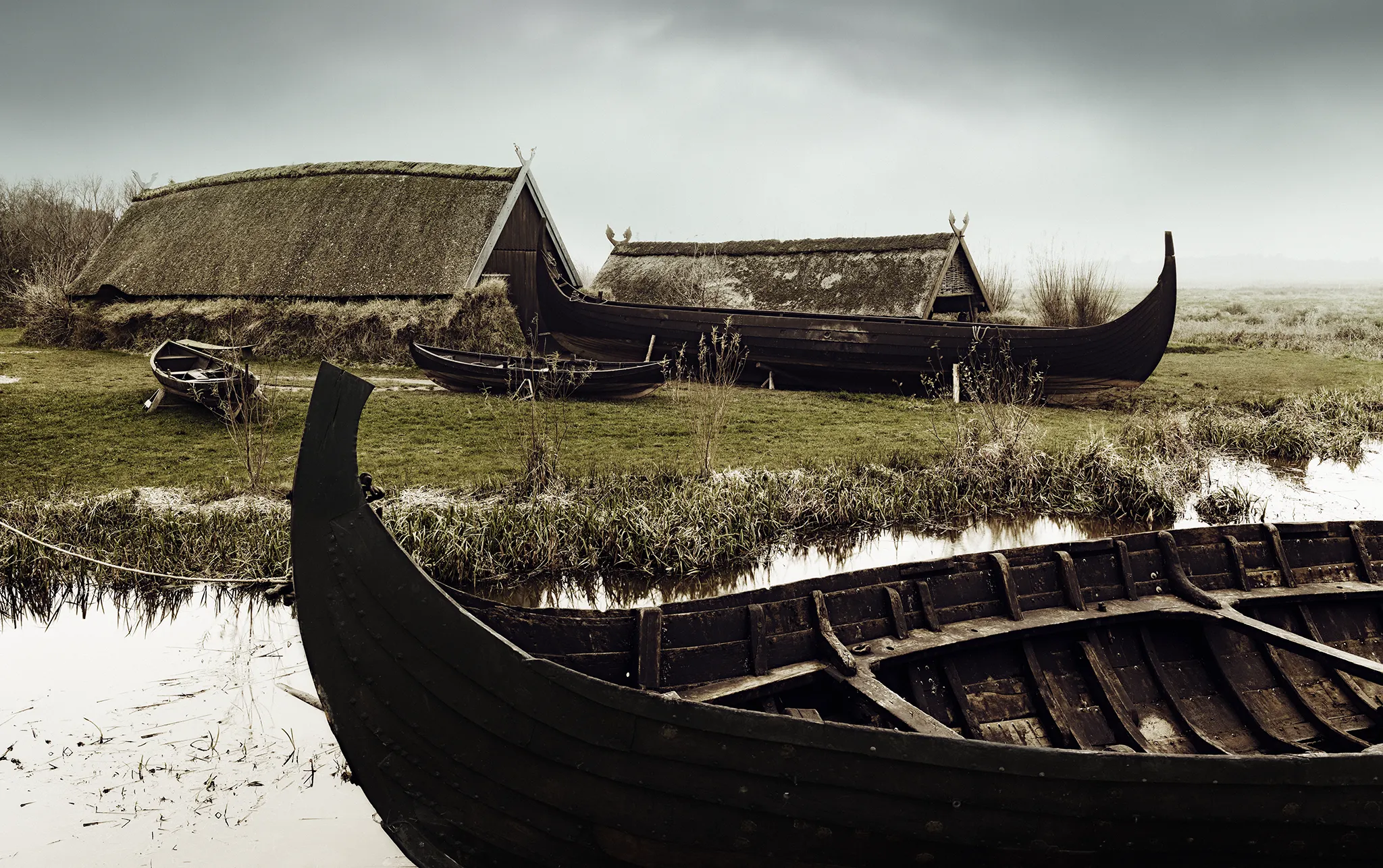
Viking harbour in Bork Havn, Denmark.
Scientists have recreated a small harbour in Bork Vikingehavn. Around 700 AD, the Vikings developed robust sailing ships to cross the North Sea.
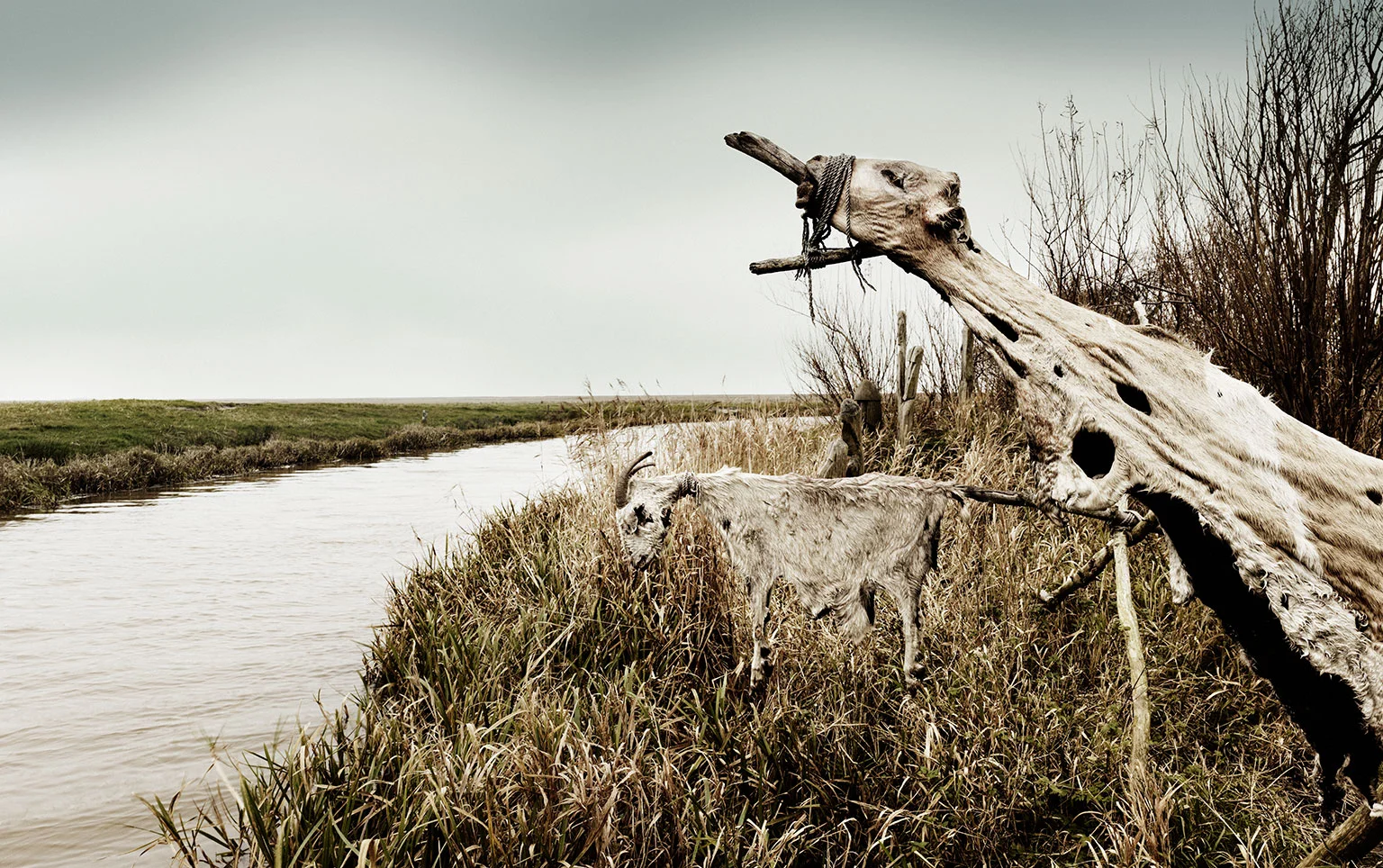
Cult site, Bork Havn, Denmark
By the river Falen in the south of Ringköbing Fjord, archaeologists have reconstructed a pagan sacrificial site.
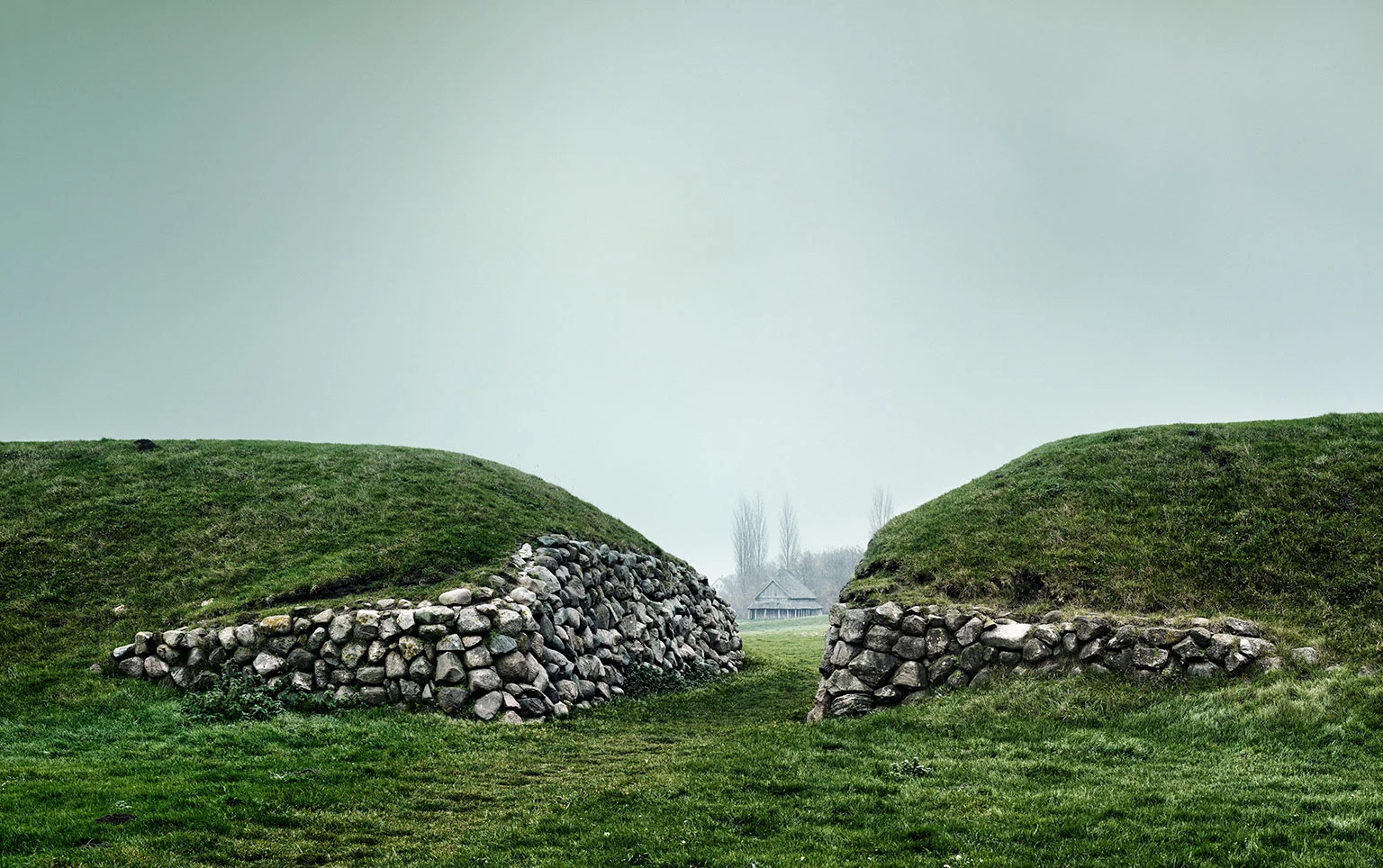
Viking Ring Castle Trelleborg, Denmark
Gate into the ring castle.
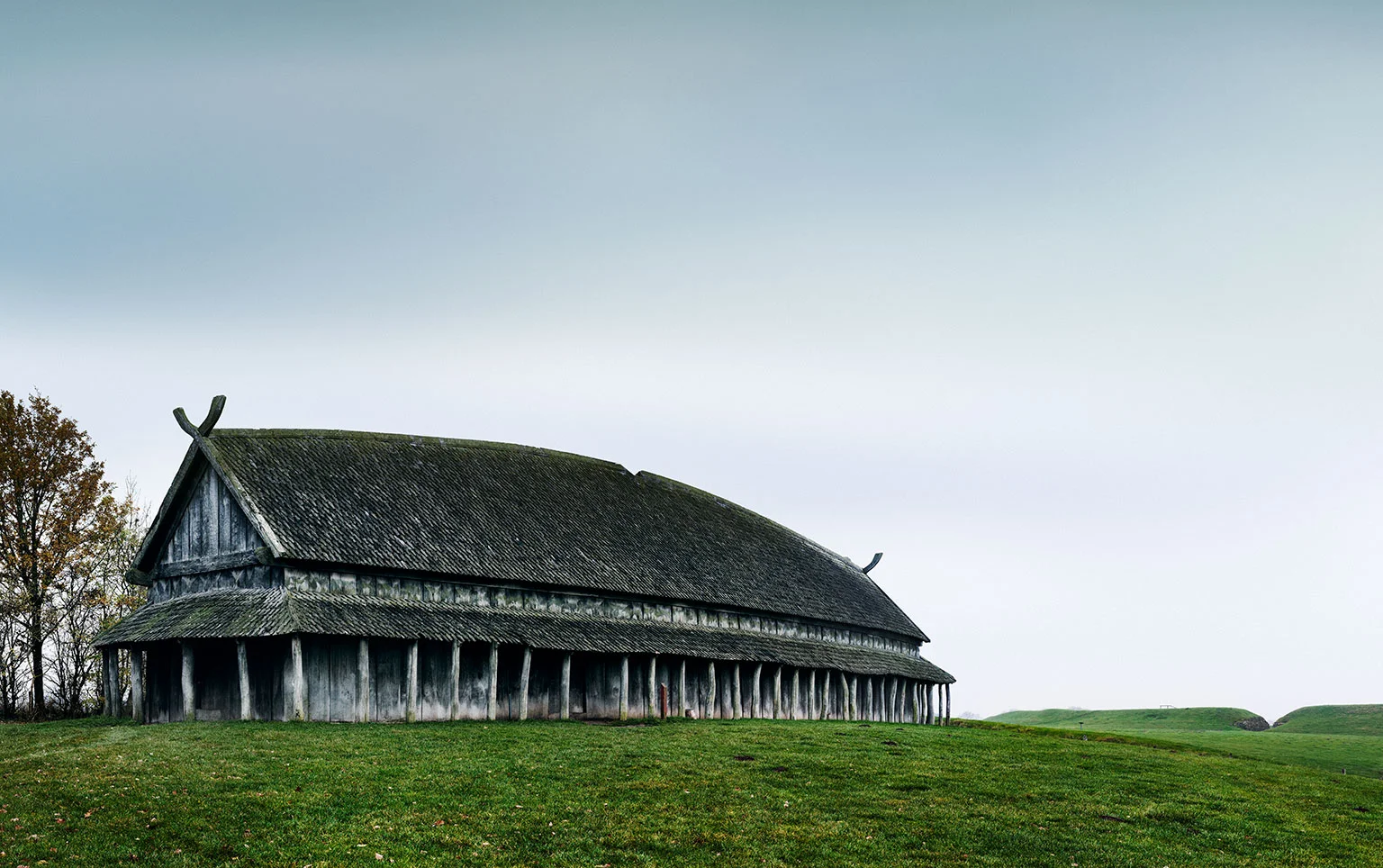
Viking Ring Castle Trelleborg, Denmark
This older replica of a typical longhouse of the Viking Age in the ring castle of Trelleborg measures almost 27 m. It had room for up to 75 people and, according to current research, had no porch.
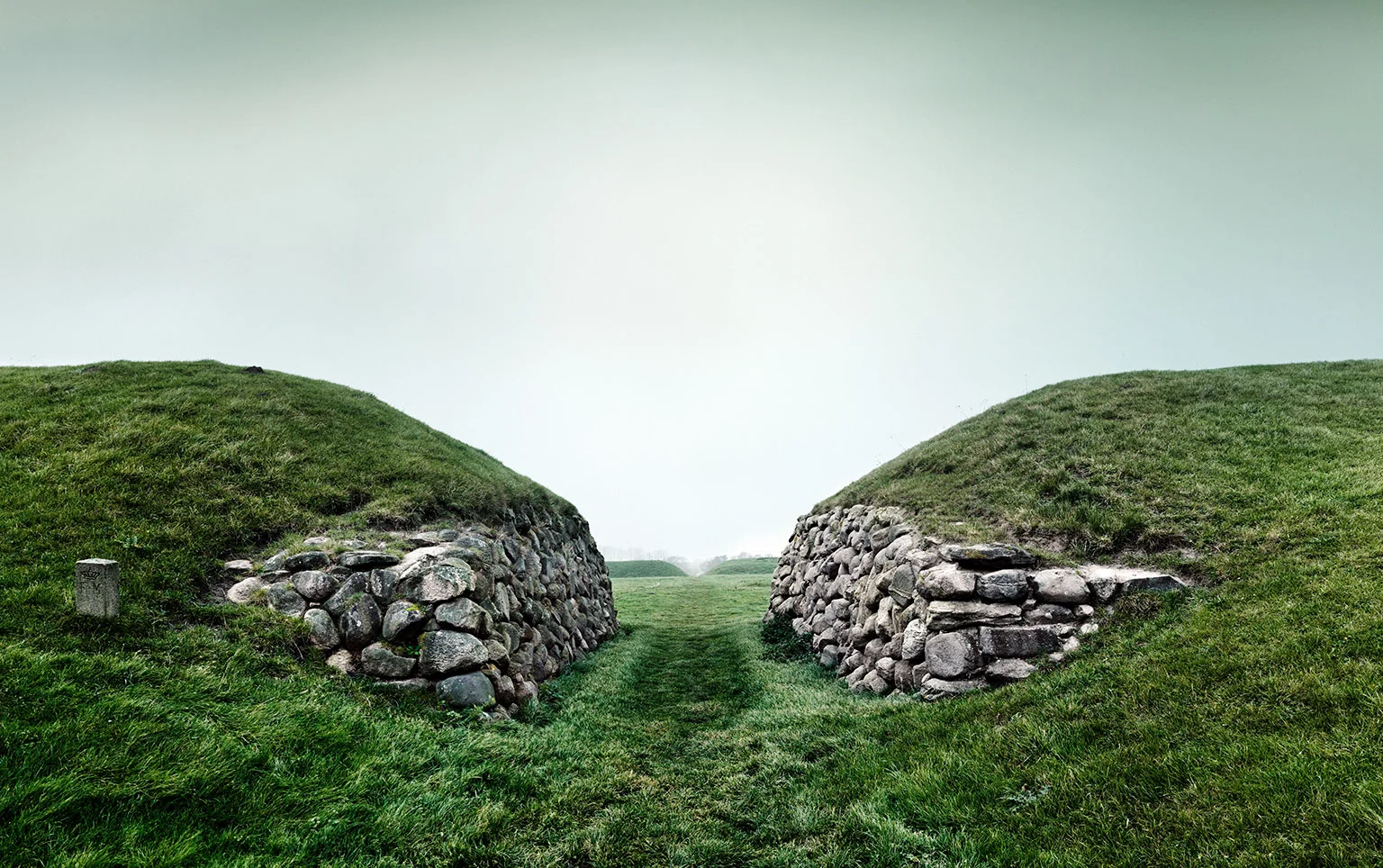
Viking Ring Castle Trelleborg, Denmark
Gate into the ring castle.
Farmstead Stoeng, Iceland
All other series
- Info
- Landscapes
- The Lightworks
- Portraits
- Projects
From here, you can navigate to all the other series.