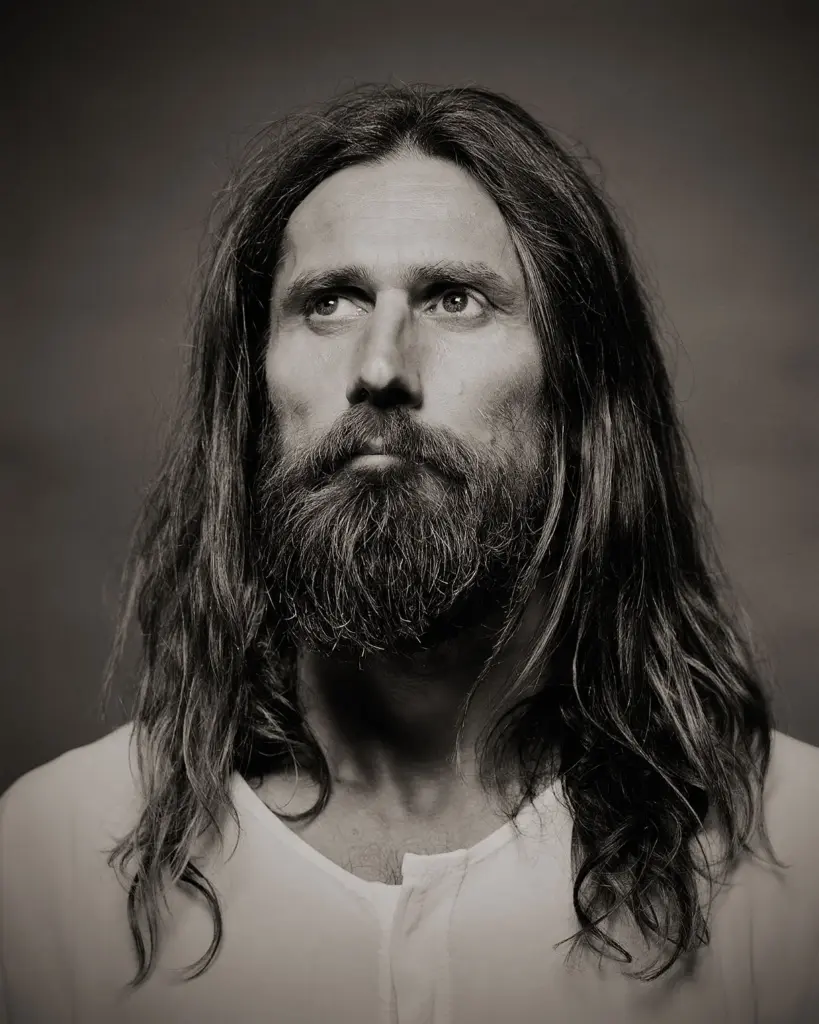
Faces of Jesus
Portraits of Jesus actors
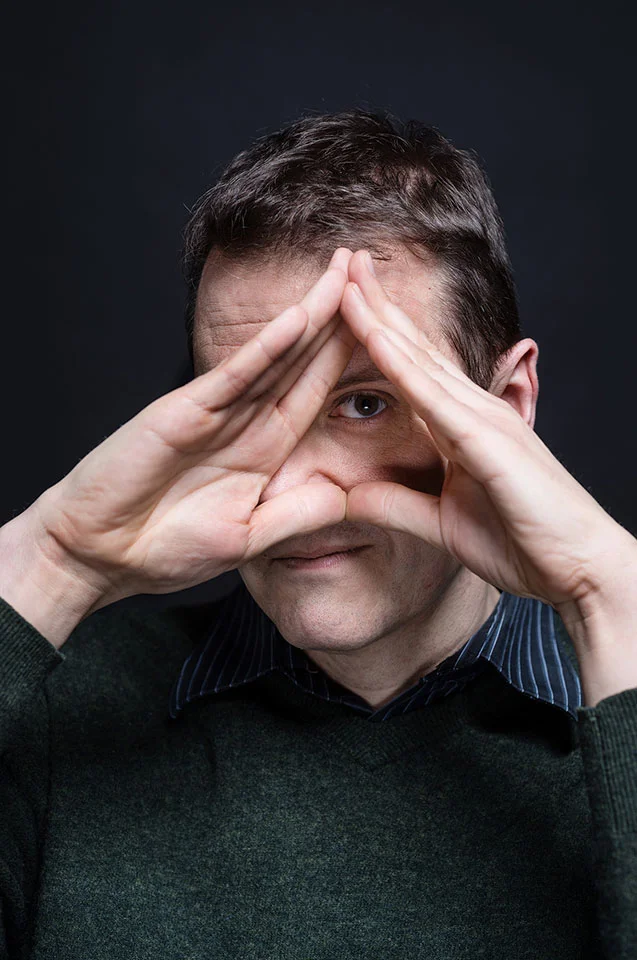
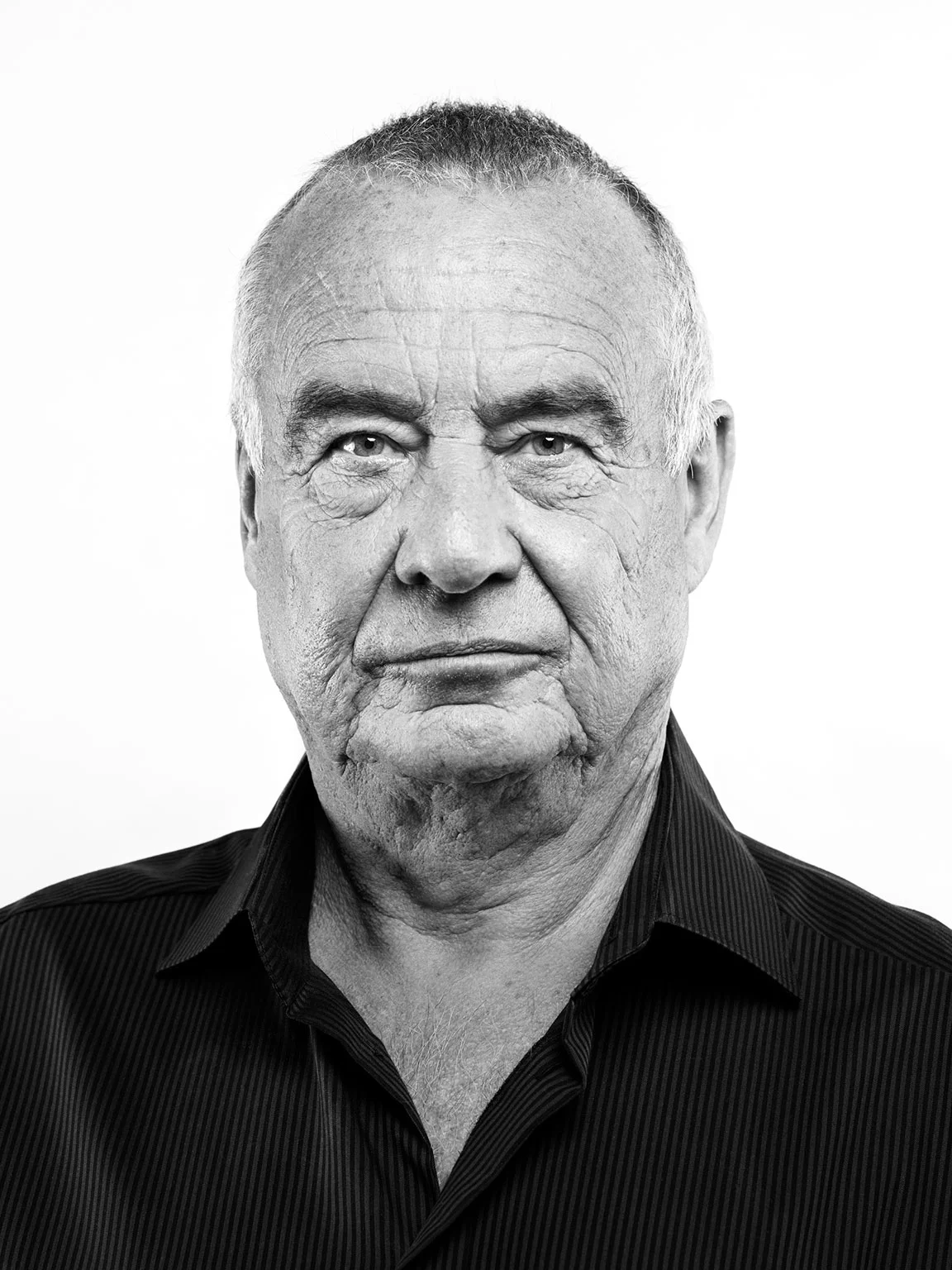
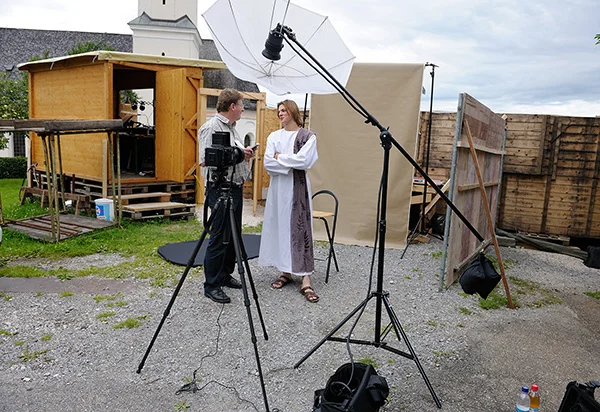
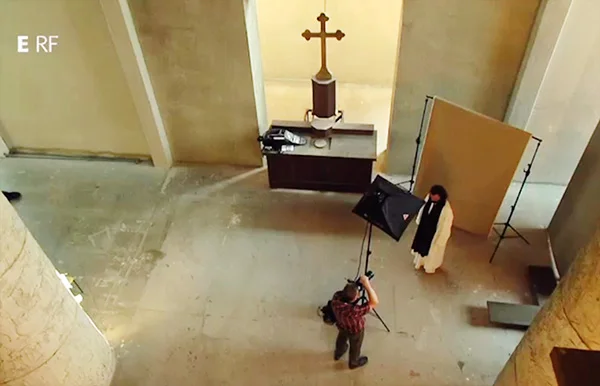
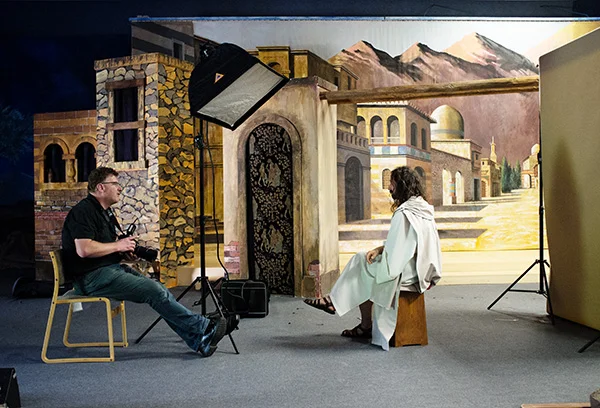
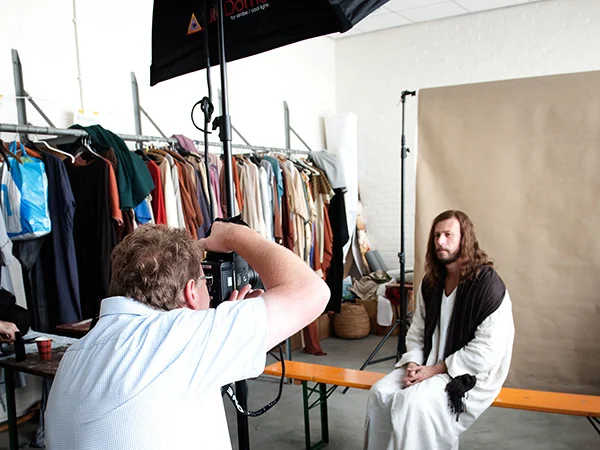
Since 2008, I have been photographing actors portraying Jesus in Passion plays and interviewing them about the weeks and months they spend living this role. To this end, I have attended almost all the Passion plays in Germany, Austria, France, Belgium, the Netherlands and the Czech Republic – performances that usually take place only every five, seven or ten years. The photographs are taken before or after the performance, during the interval, and occasionally during rehearsals. The questions concern the trial before the high priests, the hearing before Pontius Pilate, the flogging by Roman legionaries, the journey to Golgotha and the death on the cross – and whether their own image of Christ has influenced their performance and how it has changed.
The performers almost always come from ordinary working life: tradespeople, artists, police officers, tax officials. People from the neighbourhood who, for a few months each year, embody one of the most famous figures in human history. Some take on the role several times over the years.
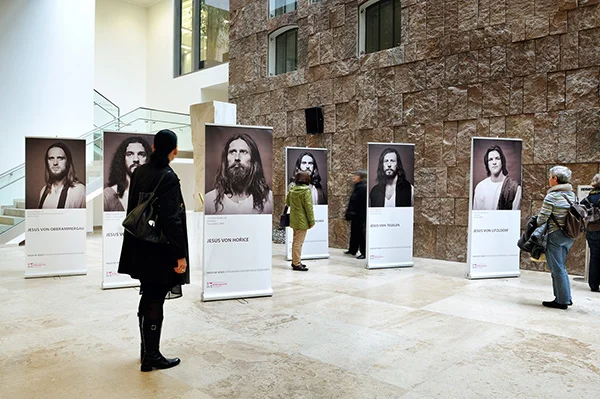
The series has been exhibited on several occasions, once even alongside engravings by Albrecht Dürer depicting the story of the Passion, and has been published in magazines – interestingly, mostly outside my own country.
“We want to see Jesus”, say Greek pilgrims in the Gospel of John to Philip, one of the twelve apostles. This longing predates any depiction of him and has never waned. For centuries, artists have grappled with the question of what Jesus might actually have looked like. The image we are familiar with today – long hair, a full beard – was by no means established from the outset: Early Christian art initially depicted Christ as youthful and beardless, as the Good Shepherd. The bearded, long-haired type only became established in the centuries that followed and has persisted ever since, as if there were a true original against which every depiction is measured. Forensic reconstructions based on contemporary skull finds from Galilee paint a different picture: short hair, darker skin.
The question of his appearance is merely the most obvious one. There is no original against which an image can be verified. Every face remains open to whatever the viewer themselves projects onto it. Therein lies the mystery – and therein also lies the answer to the question of what Jesus might have looked like.
Even photography cannot answer this question. Its claim to capture reality directly makes it the perfect tool for a desire that predates any camera.
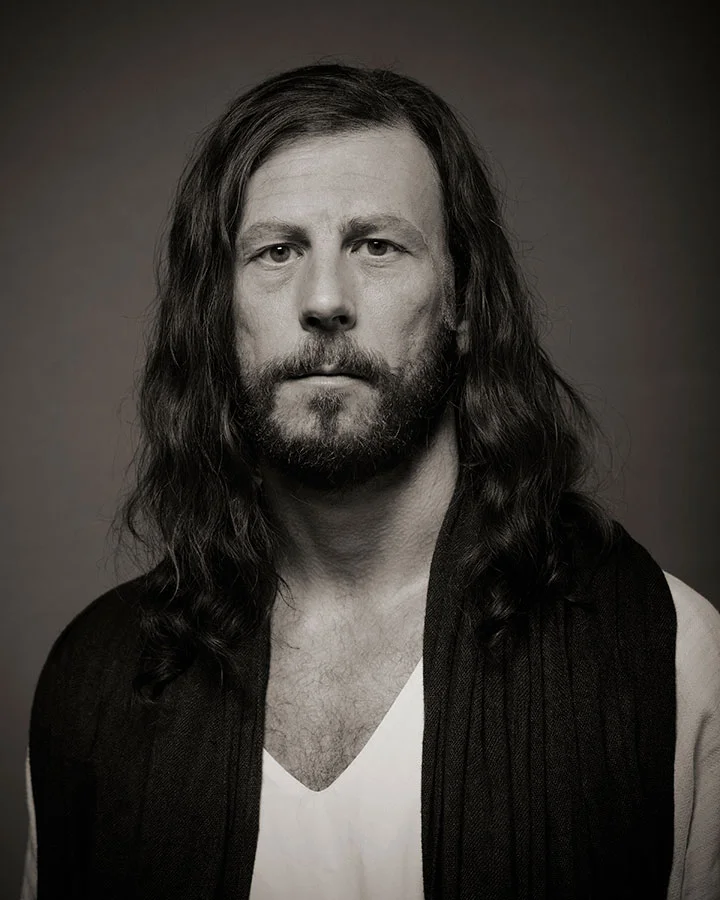
Jesus of Tegelen
Rene Geijbels, 42 years, elementary teacher.
The Netherland 2010
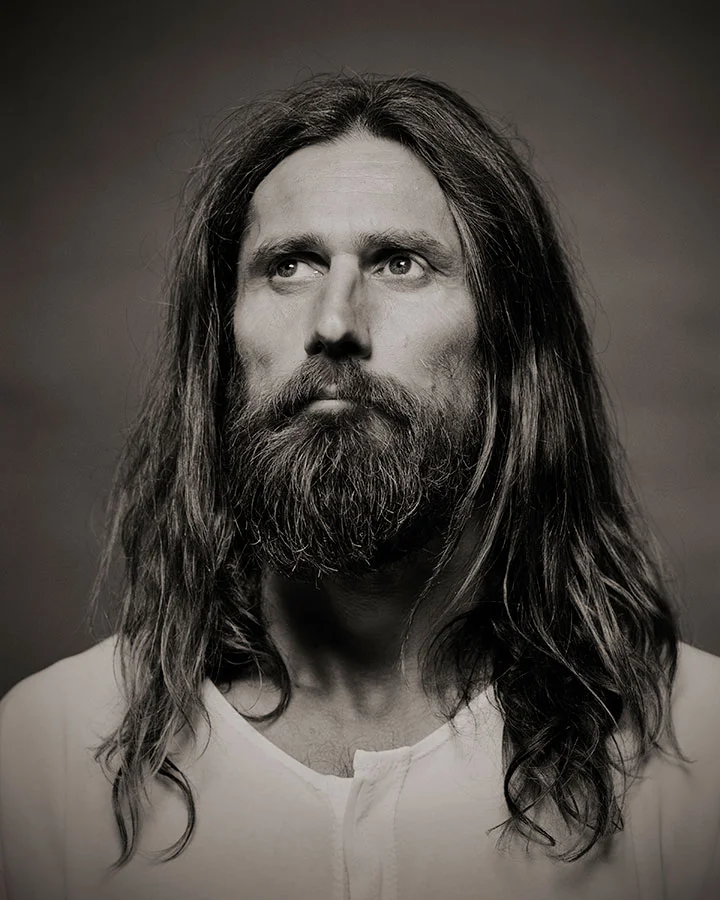
Jesus of Horice
František Hladký, 45 years, artist.
Czech Republic 2008
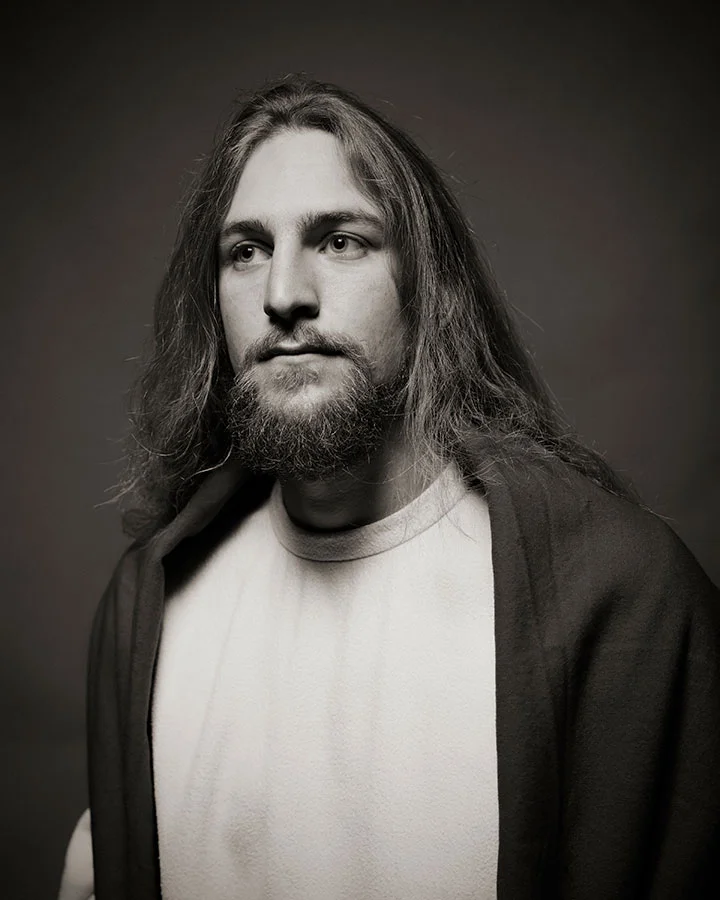
Jesus of Waal
Thomas Hindinger, 21 years, electronics installer.
Germany 2009
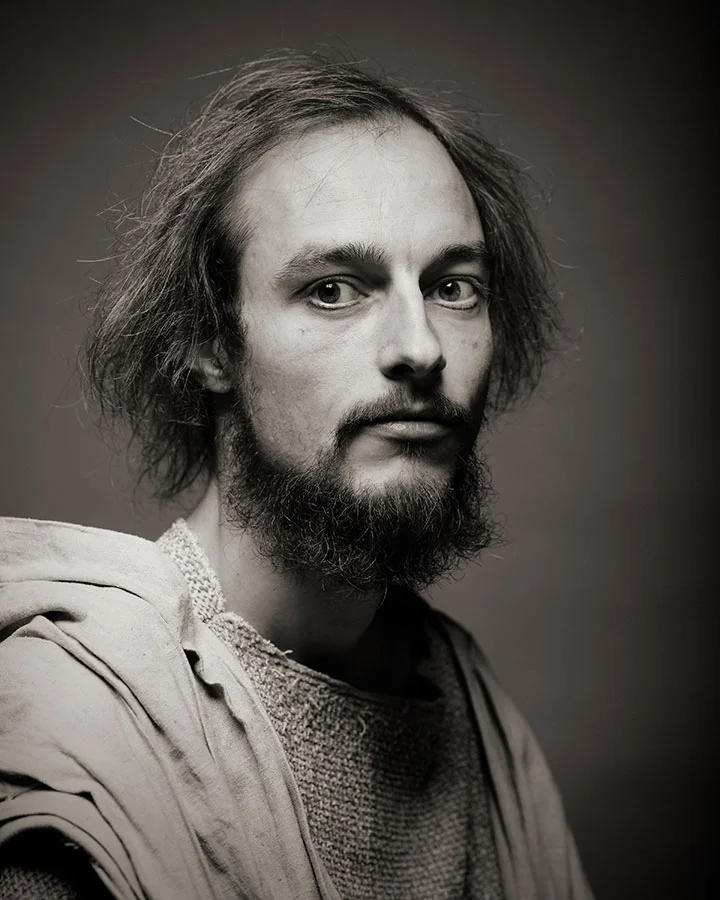
Jesus of Hallenberg
Burkhard Hesse, 33 years, accountant.
Germany 2010
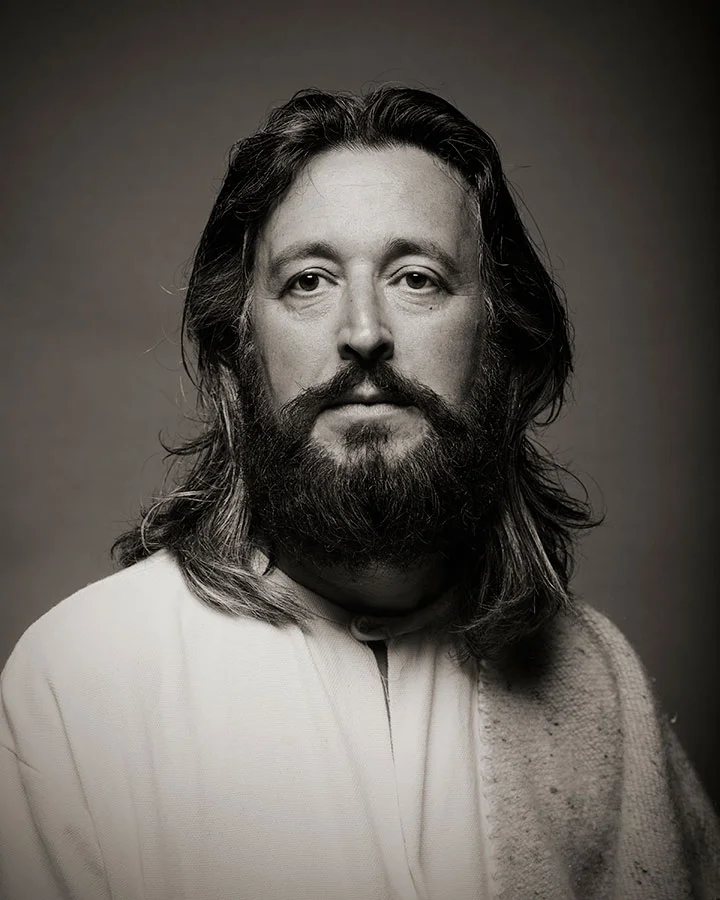
Jesus of Klostertal
Oswald Wachter, 50 years, police detective.
Austria 2012
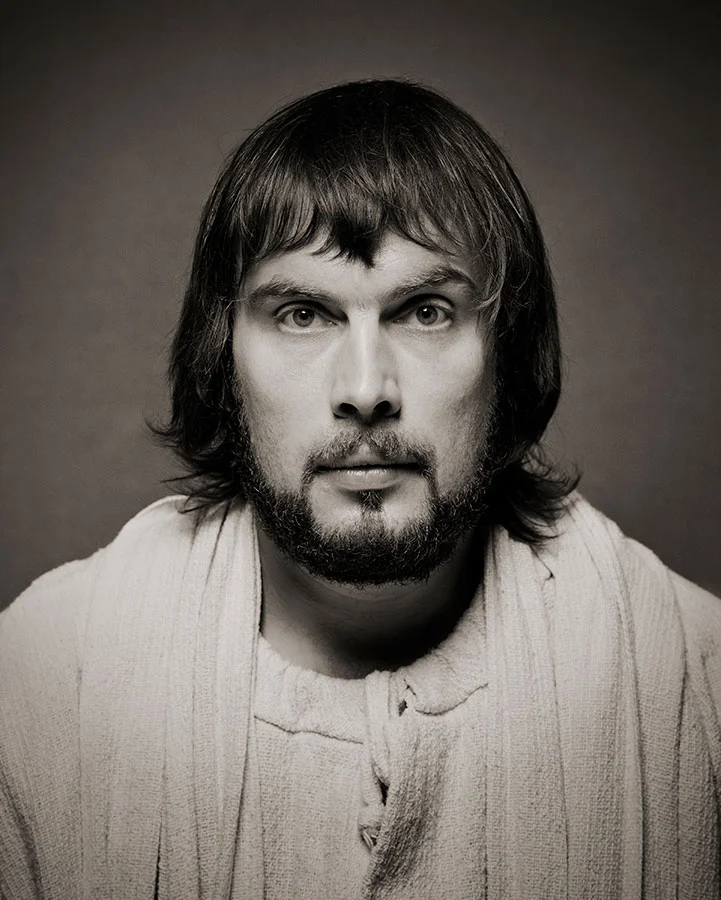
Jesus of Sömmersdorf
Stefan Huppmann, 30 years, carpenter.
Germany 2008
„Your own personal Jesus
Someone to hear your prayers
Someone who cares
Your own personal Jesus
…
Reach out, touch faith“
Depeche Mode "Personal Jesus"
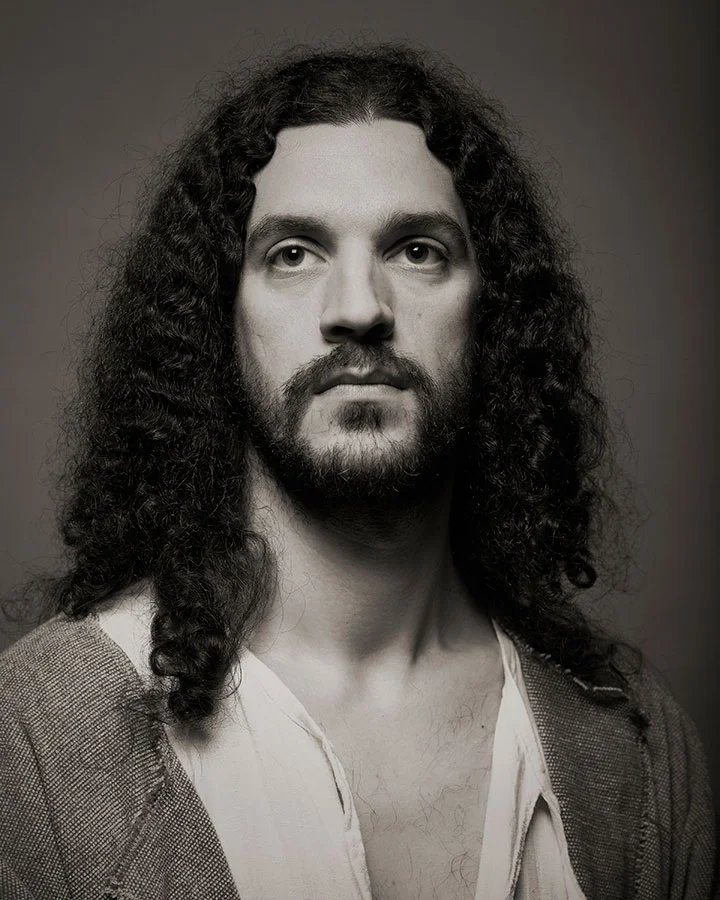
Jesus of Auersmacher
Peter Lang, 32 years, geographer.
Germany 2010
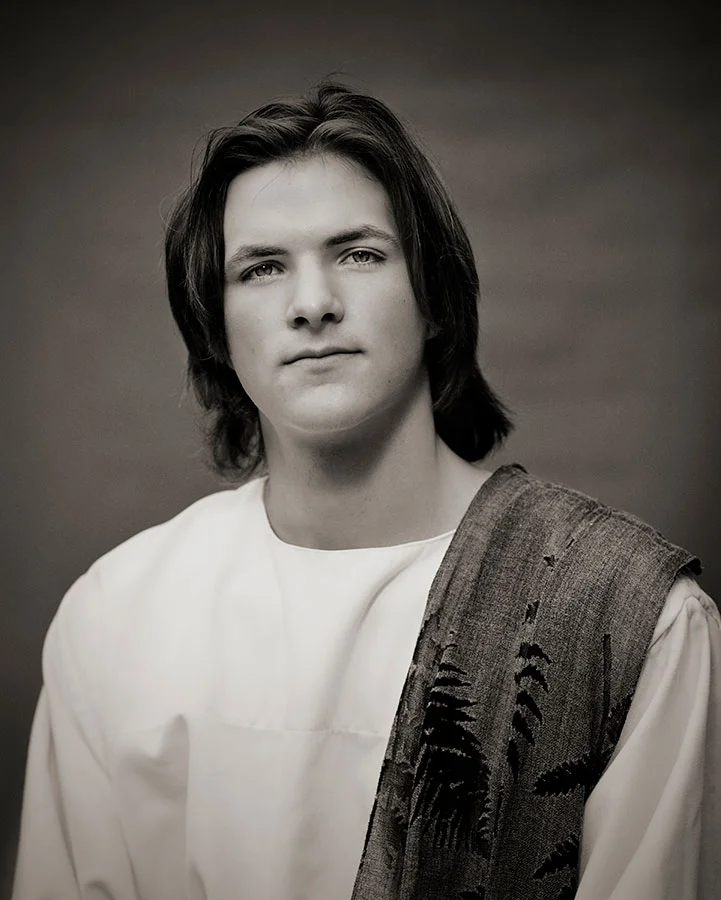
Jesus of Litzldorf
Bernhard Schmid, 19 years, farmer.
Germany 2009
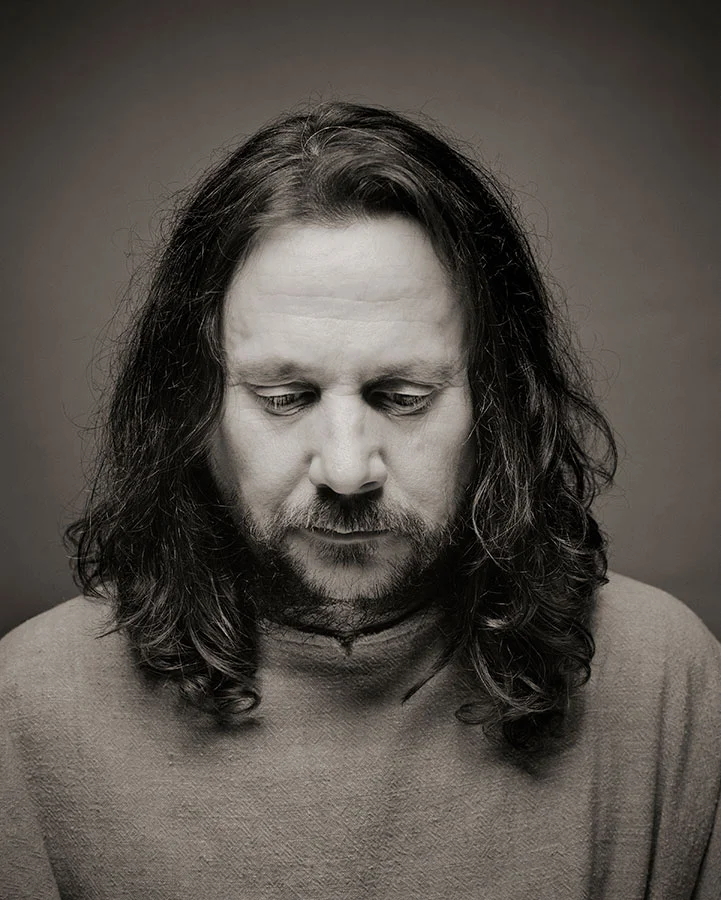
Jesus of Dorfstetten
Franz Poschenreithner, 48 years, wood cutter.
Austria
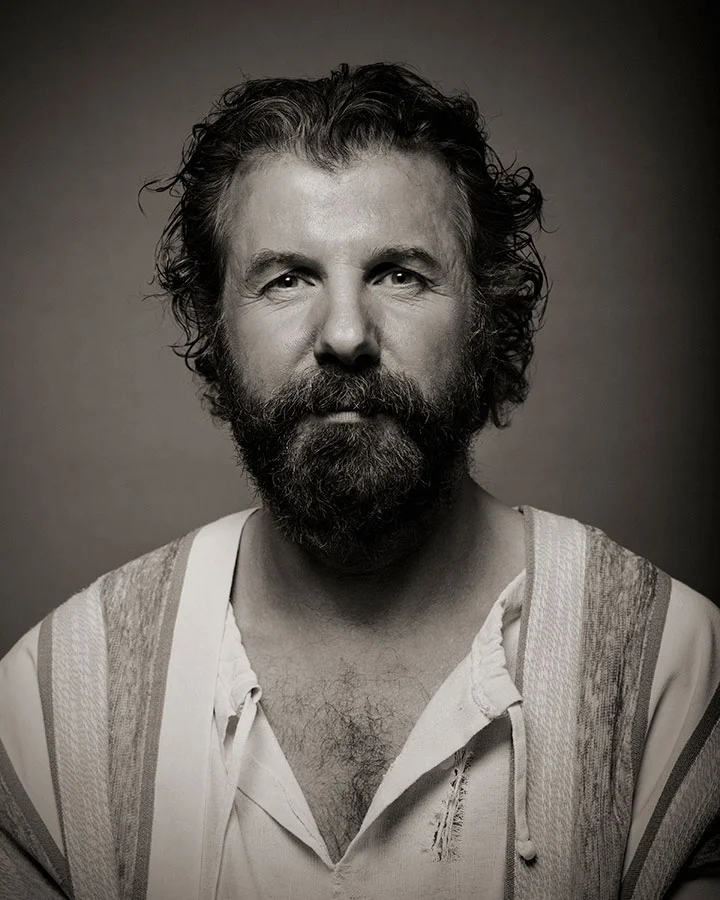
Jesus of Schönberg
Lothar Krämer, 49 years, plasterer.
Belgium 2012
“In the name of religions, much nonsense has been spread, quite apart from the injustice. I am not afraid of commitment to faith, but I am wary of commitment to church dogma. I experienced communism, that spiritual no man’s land, the oppression, and the forbidden meetings with like-minded people during that time. I am an advocate of freedom. All freedom.”
František Hladký
Jesus of Hořice
“The first ‘trial hanging’ was extremely powerful and stayed with me for some time. You feel completely at the mercy of it, exposed, and simply terrible. Over time, you can distract yourself by concentrating on the task. Even so, the moment of dying is inconceivable, absolute silence. After that it gets hard, you’re suddenly very much alone with yourself, and it can make you nervous.”
Andreas Richter
Jesus of Oberammergau
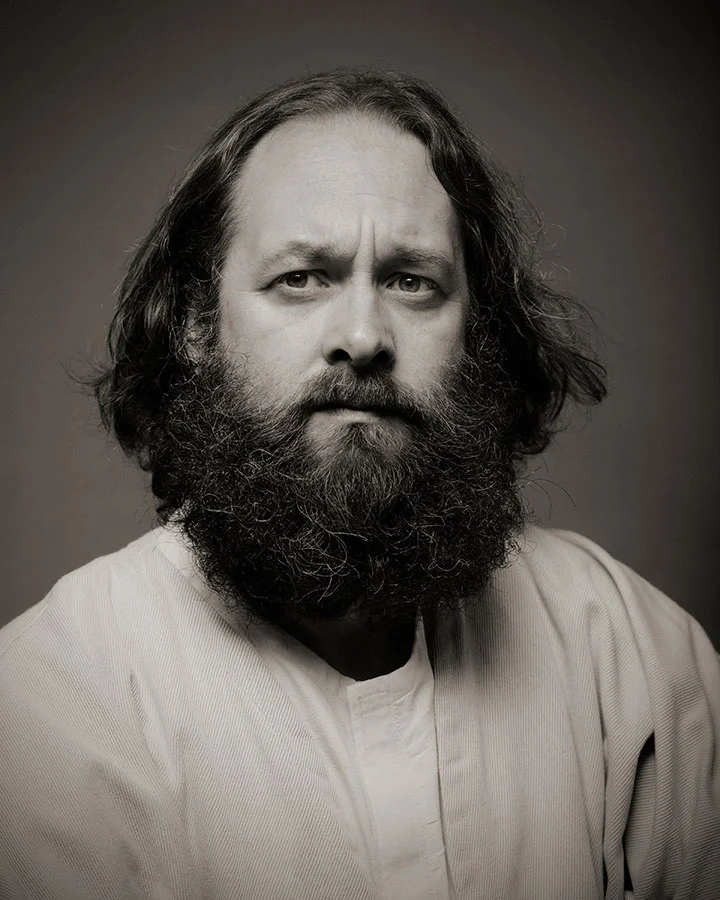
Jesus of Wintrich
Ralf Kaspari, 44 years, administrative civil servant.
Germany 2012
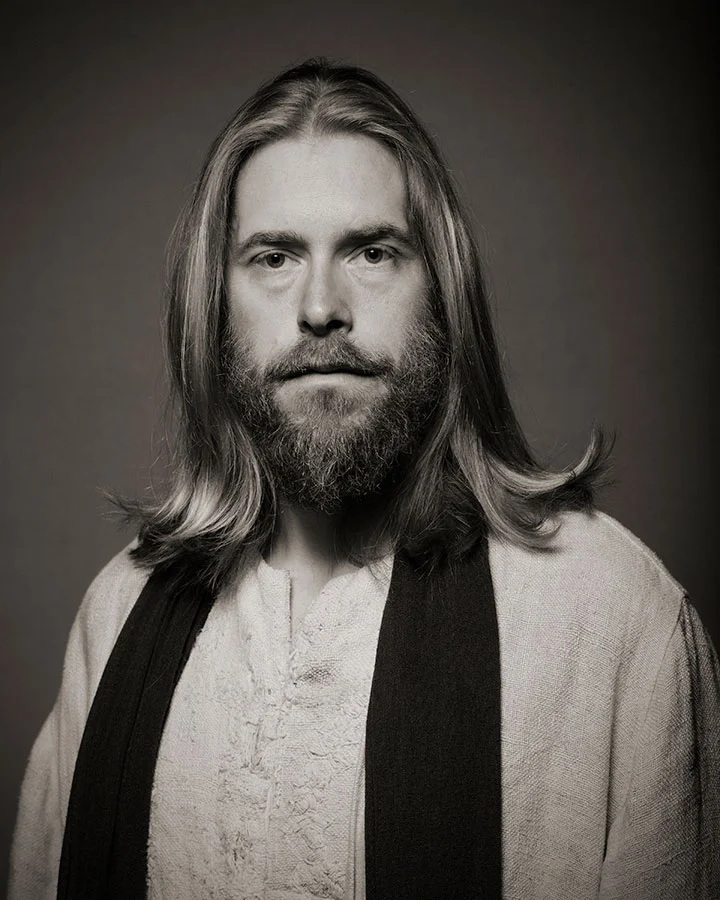
Jesus of Oberammergau
Andreas Richter, 33 years, psychologist.
Germany 2010
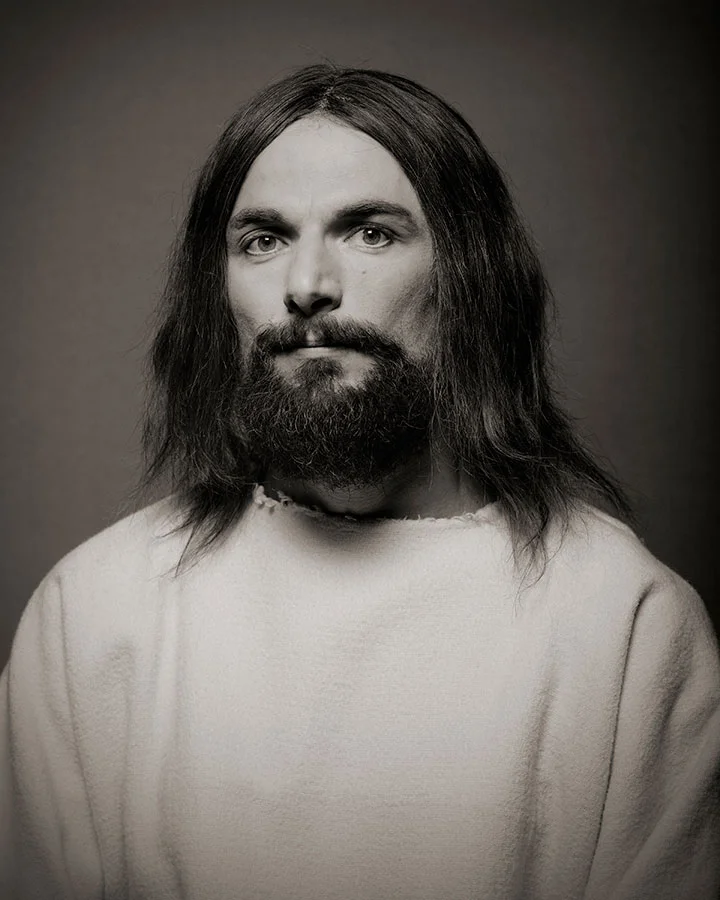
Jesus of Thiersee
Josef Grasshoff, 39 years, self-employed plumber and heating installer.
Austria 2011
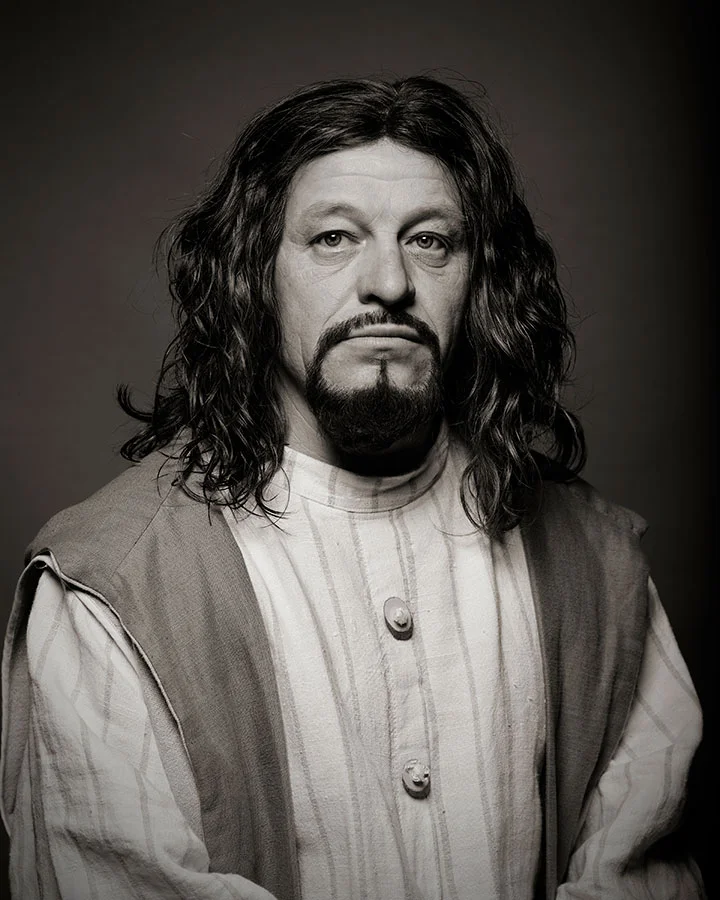
Jesus of Dammbach
Paul Kroth, 52 years, painter.
Germany 2014
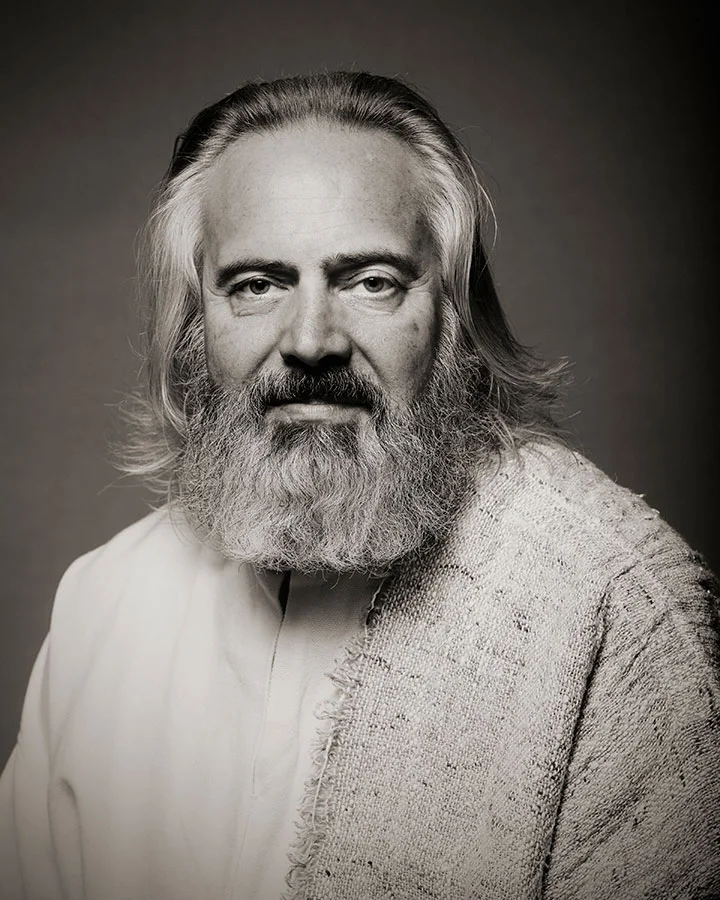
Jesus of Klostertal
Roland Dallabrida, 51 years, police officer.
Austria 2012
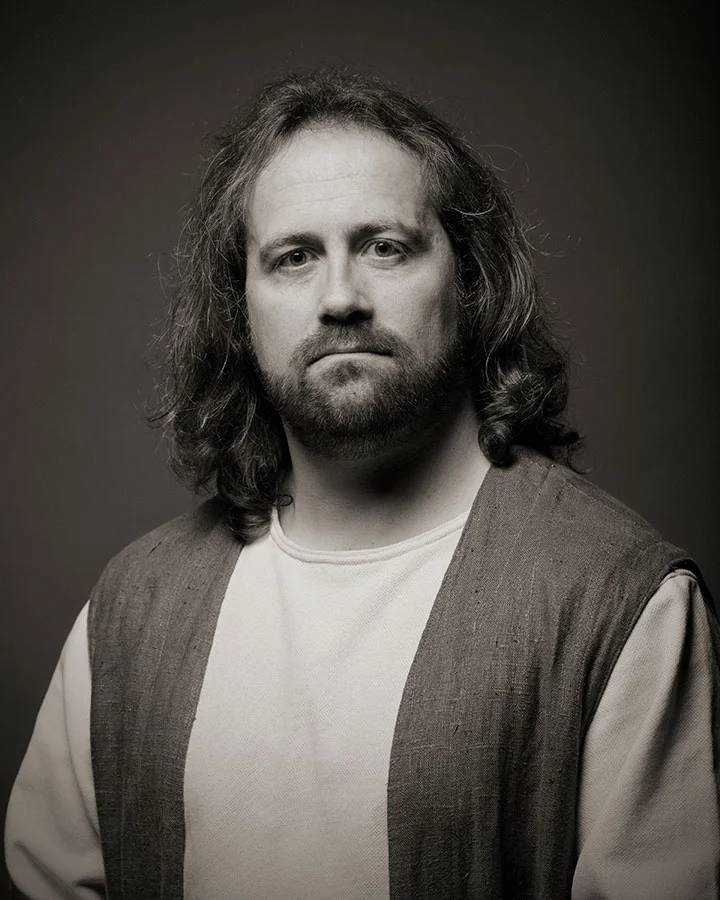
Jesus of Rieden
Jochen Marx, 37 years, civil servant.
Germany 2011
“Nothing would be worse than coming across as saccharine, overwrought, and self-important. In 2000, Jesus was still conceived as more of a revolutionary. Now he’s more contemplative, and doesn’t hide his fears even in front of his disciples.”
Frederik Mayet
Jesus of Oberammergau
“The role has changed the way I see many things in life. Hardly anyone from my generation still knows the biblical story. The myths and worlds of computer games and fantasy games have replaced all of that. The apostles today seem like figures from another planet.”
Bernhard Schmid
Jesus of Litzldorf
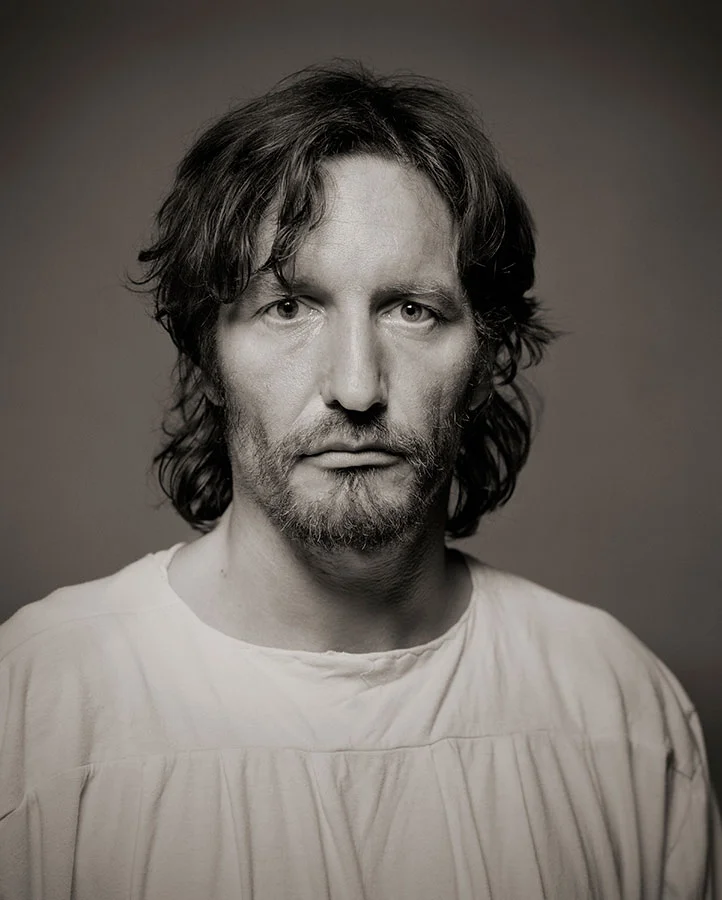
Jesus of Horice
Martin Fejfarek, 34 years, craftsman.
Czech Republic 2008
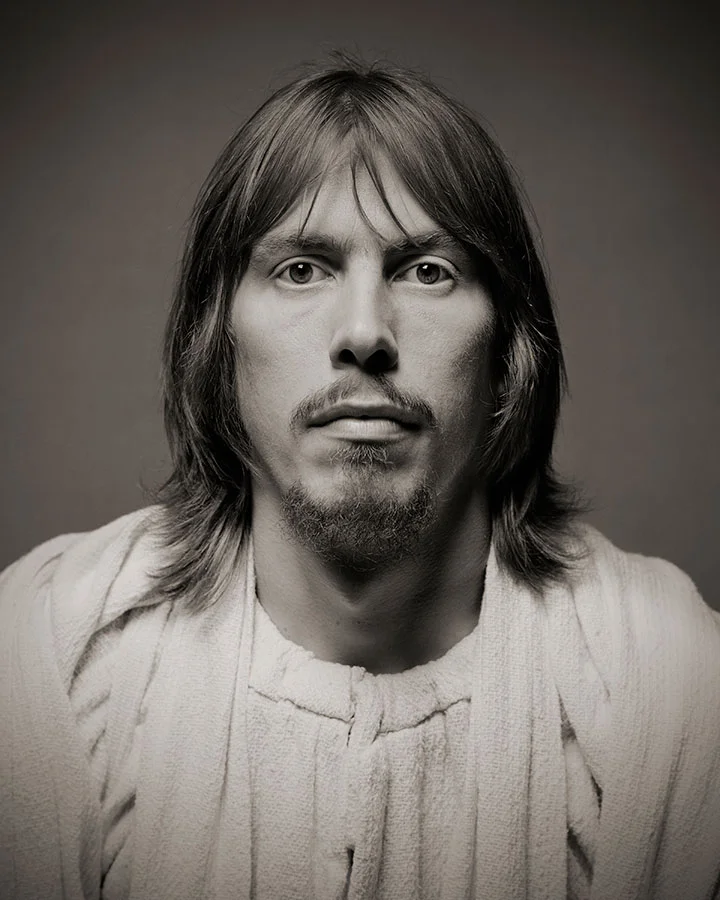
Jesus of Sömmersdorf
Volker Rückert, 30 years, machine fitter.
Germany 2008
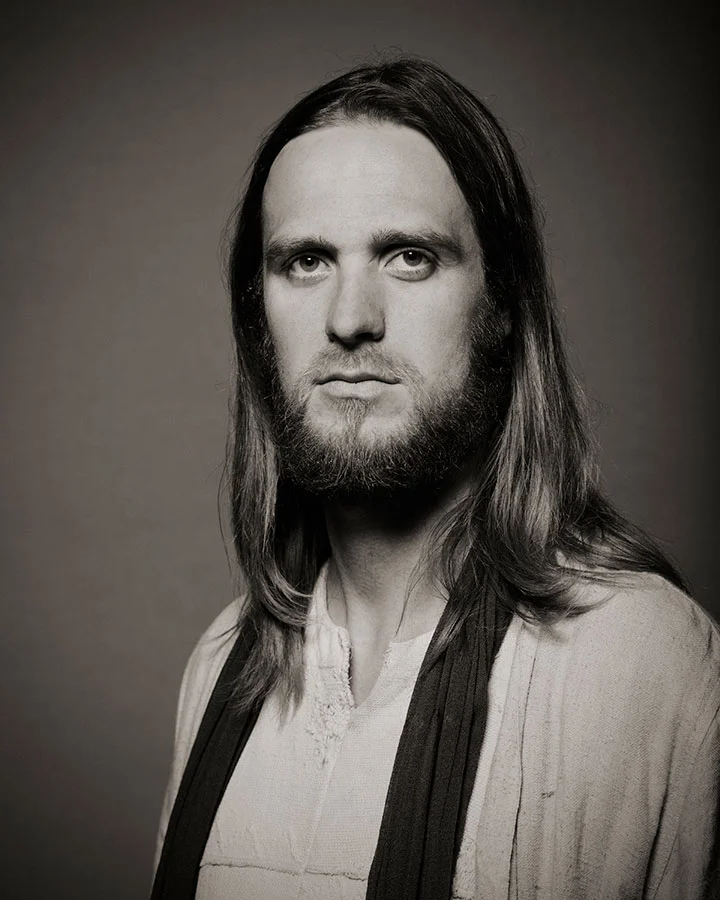
Jesus of Oberammergau
Frederik Mayet, 30 years, Press Secretary at the Volkstheater in Munich.
Germany 2010
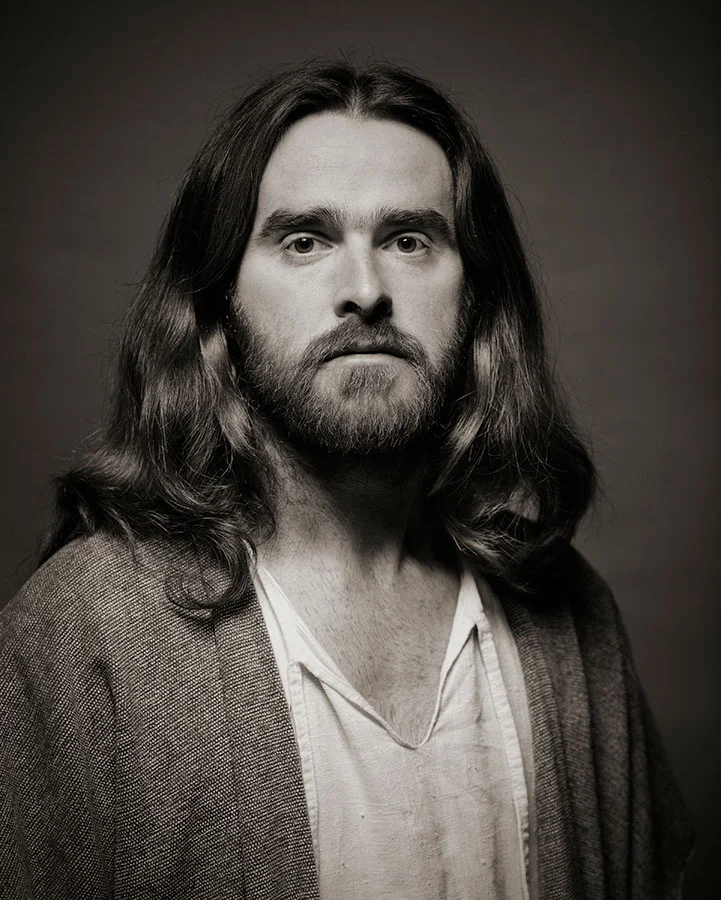
Jesus of Auersmacher
Alexander Lang, 29 years, carpenter and firefighter.
Germany 2010
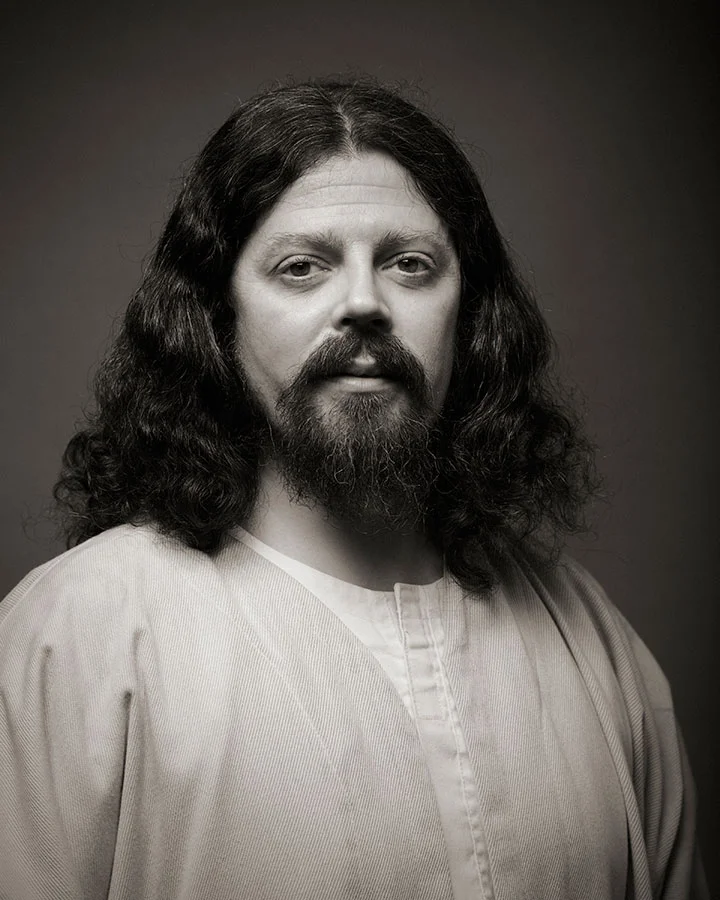
Jesus of Wintrich
Dirk Mertes, 39 years, logistician.
Germany 2012
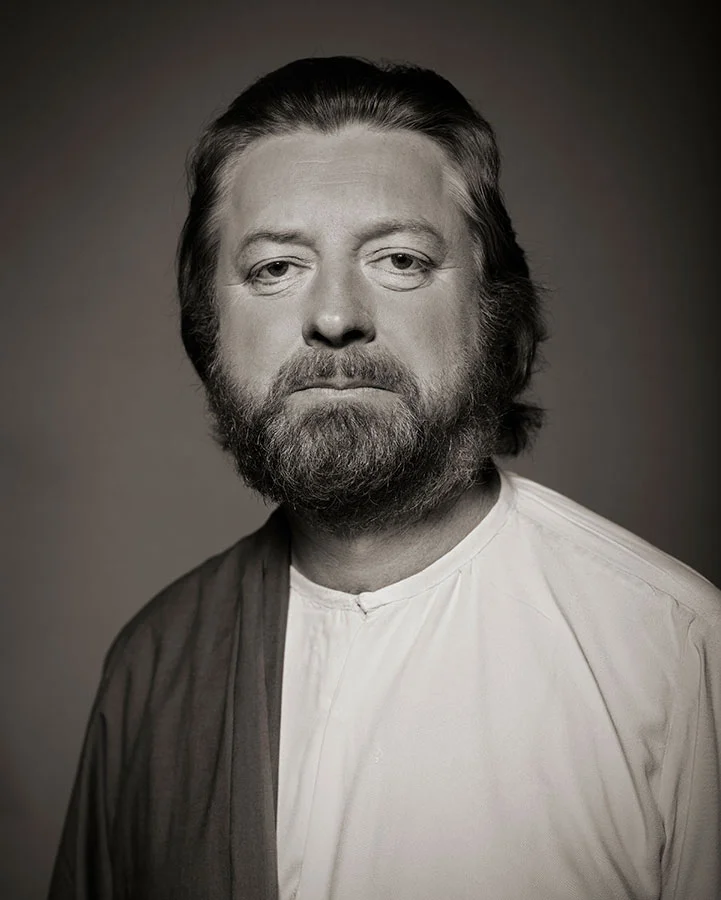
Jesus of Masevaux
Christian Nussbaum, 47 years, mason.
France 2010
“Religions don’t fall from the sky. Religions are man-made. Being religious and being churchgoing are not the same thing.”
Franz Poschenreithner
Jesus of Dorfstetten
“The popes, the cardinals, the bishops behave as though this dramatic problem didn’t exist, that European Christians are losing the very substance of their faith.”
František Hladký
Jesus of Hořice
“The meaning of your life doesn’t lie in constantly searching for it, but in being open to experiences, feelings, and beliefs that then allow that meaning to reveal itself.”
Lothar Krämer
Jesus of Schönberg (Belgium)
“For me, the Mount of Olives scene is the most difficult part. Here I’m entirely on my own. For Jesus, too, it was probably the hardest hour. Jesus knows the time has come and looks his own death in the eye. He has no one standing by him. It’s also a kind of cry for help from Jesus to his Father.”
Alexander Lang
Jesus 0f Auersmacher
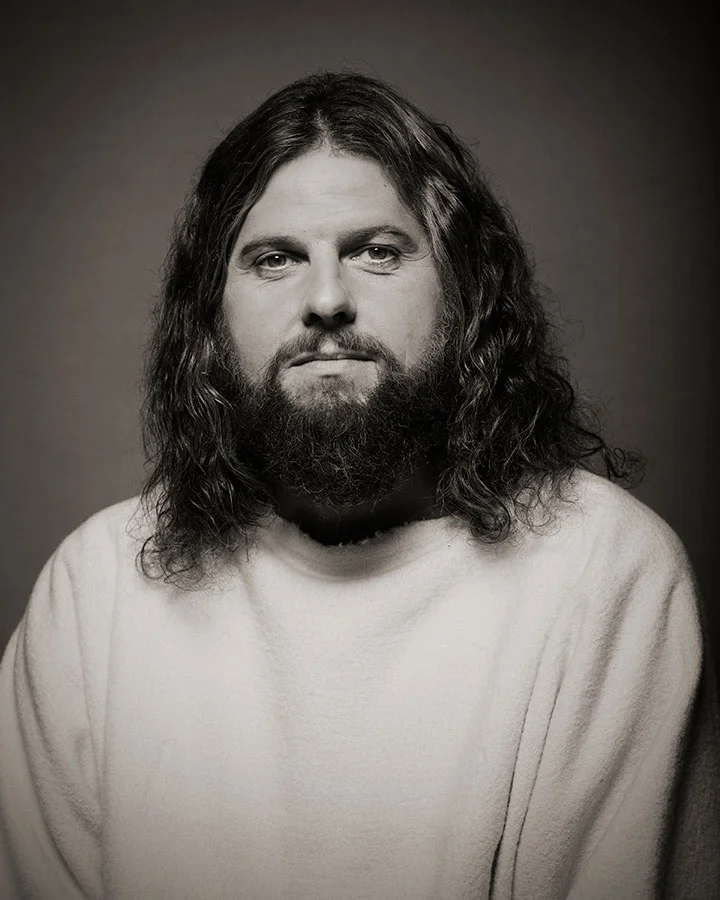
Jesus of Thiersee
Martin Sieberer, 39 years, foreman.
Austria 2011
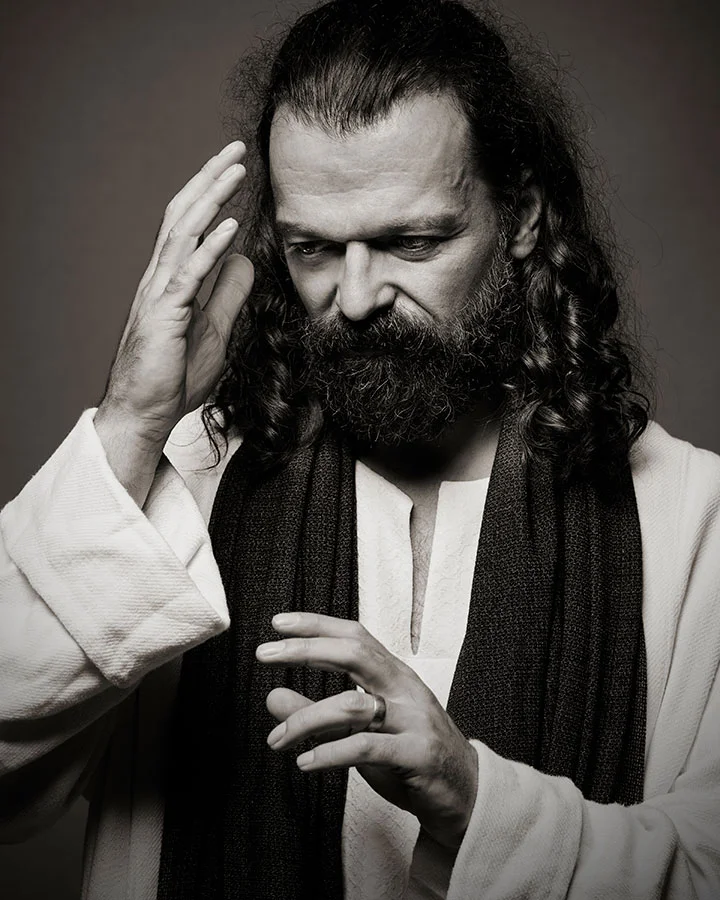
Jesus of Ötigheim
Eric van der Zwaag, 47 years, Stage Actor.
Germany, 2015
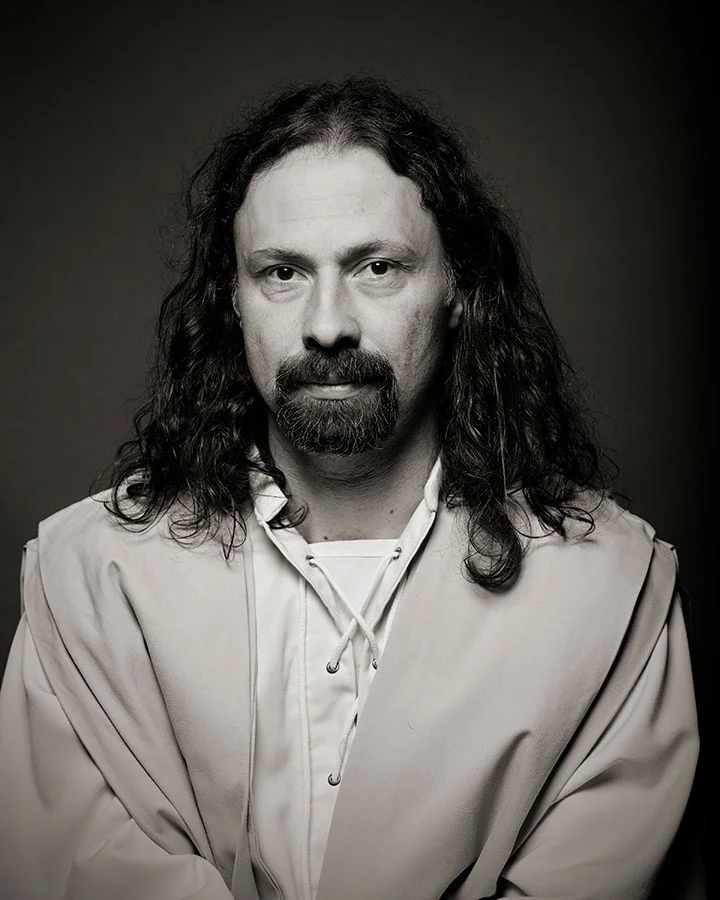
Jesus of Dammbach
Michael Lattus, 42 years, educator.
Germany 2014
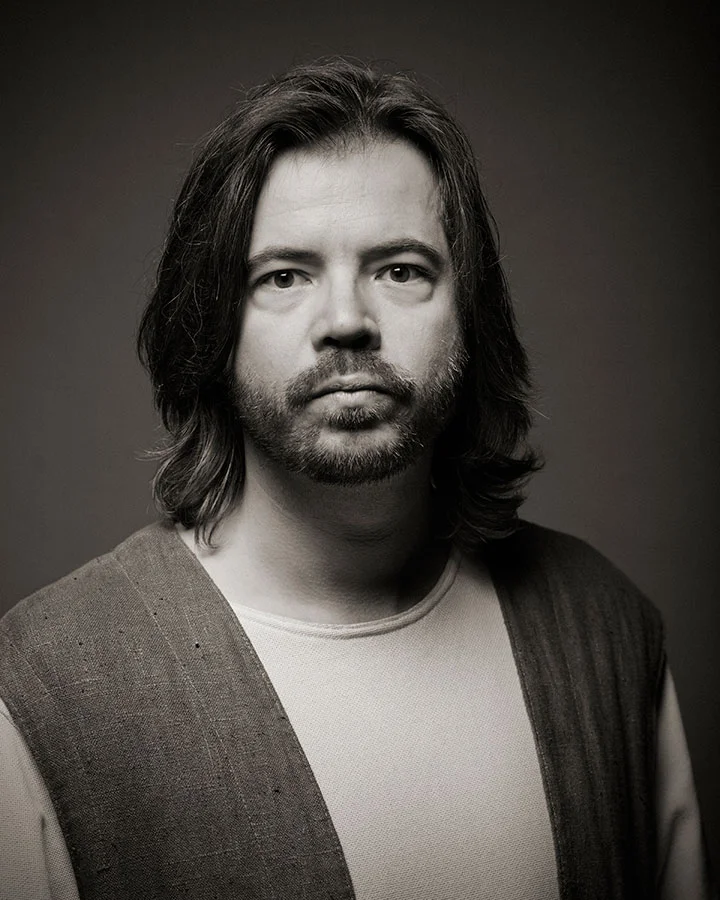
Jesus of Rieden
Joachim Breil, 34 years, administrative official.
Germany 2011
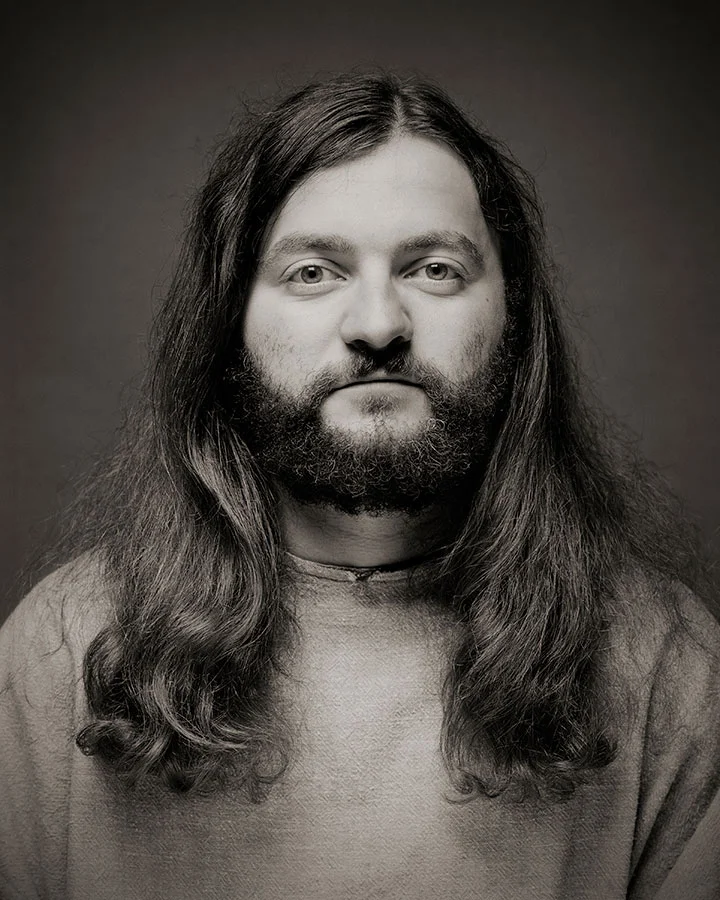
Jesus of Dorfstetten
Thomas Heiligenbrunner, 26 years, laboratory assistant.
Austria 2008
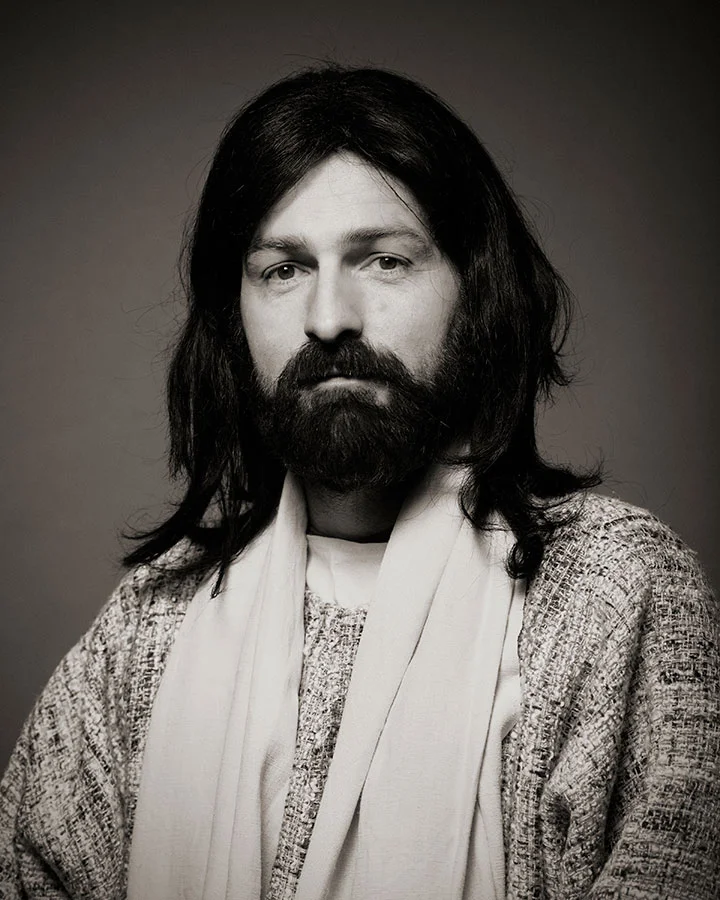
Jesus of Engerazhofen
Erwin Netzer, 42 years, secondary school teacher.
Germany 2010
The idea for this series emerged in 2008 from an exploration of the portrait as a photographic form and the question of what a face can reveal and convey – but also what it conceals. At that time, I was photographing many people from all walks of life and, whilst editing the images, I saw all the traces of life in their features. This gave rise to the idea for this series, which lies at the intersection of portrait photography, folklore and religion.
To date, 28 portraits have been created. The first subject was photographed in the summer of 2008 in Hořice, the Czech town famous for its Passion Play. As most Passion Plays are only staged every four, five, seven or ten years, work on this project is unlikely to ever end. At the start of the COVID-19 pandemic in 2020, I had planned to create two further portraits, but the Passion Plays were cancelled. It remains to be seen how the project will progress.
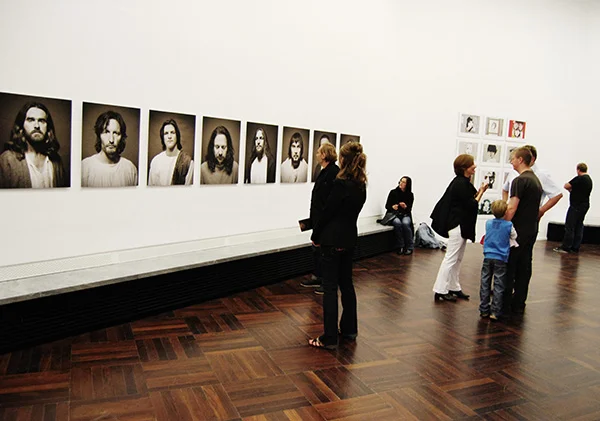
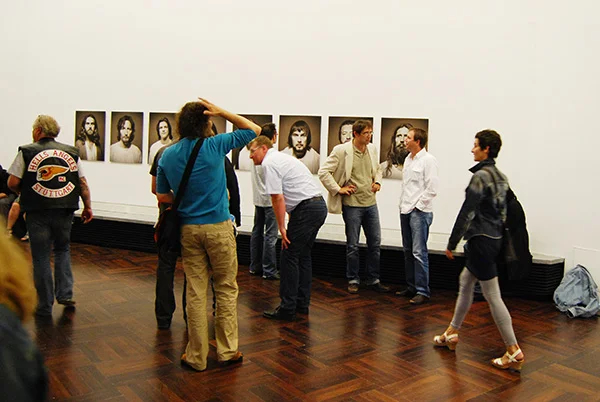
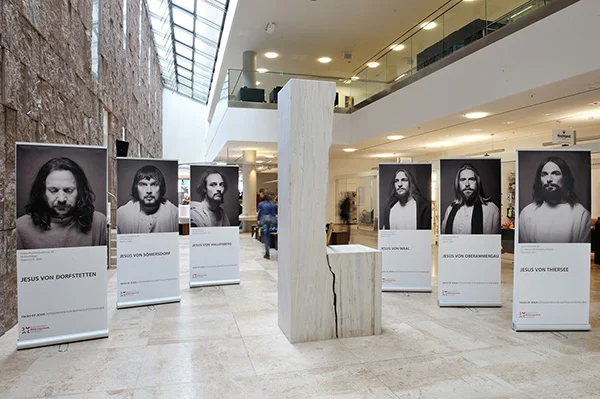
Over the years, it has become clear that the questions I asked the performers were less crucial than I had initially thought. What mattered most was the portrait itself, and the image each viewer forms of it. For this to work, the portraits are displayed larger than life, with a minimum size of 60 x 75 cm, in rows or groups. It is only in this combination that the ‘Faces of Jesus’ really begin to have an impact.
I am happy to sidestep the question of how I imagine Jesus. If he were to round the corner today, I probably wouldn’t recognise him.
All other series
- Info
- Landscapes
- The Lightworks
- Portraits
- Projects
From here, you can navigate to all the other series.