The Land of the Cathars
Bulwarks of Heresy
The Cathars were one of the most powerful heretical movements of the 12th and 13th centuries. They found many followers in southern France, including among the nobility. The community took refuge from the Church’s pursuers in their castles.
Neither missionary efforts nor the crusade launched in 1209 brought the Cathars under papal control. It was the systematic Inquisition that finally achieved what military force could not: in 1244, after a ten-month siege, the castle of Montségur fell — the last stronghold of the movement. More than 200 Cathars were burned at the stake. Scattered followers survived into the early 14th century; the execution of the last known Cathar in 1321 marks the definitive end of the movement.
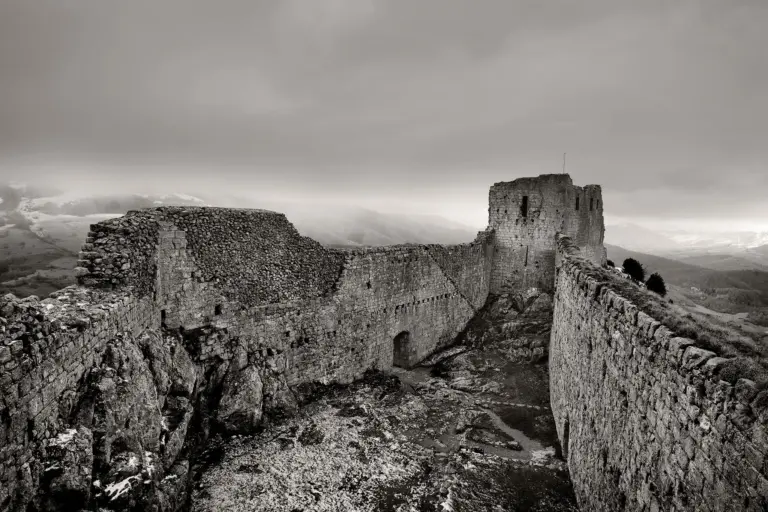
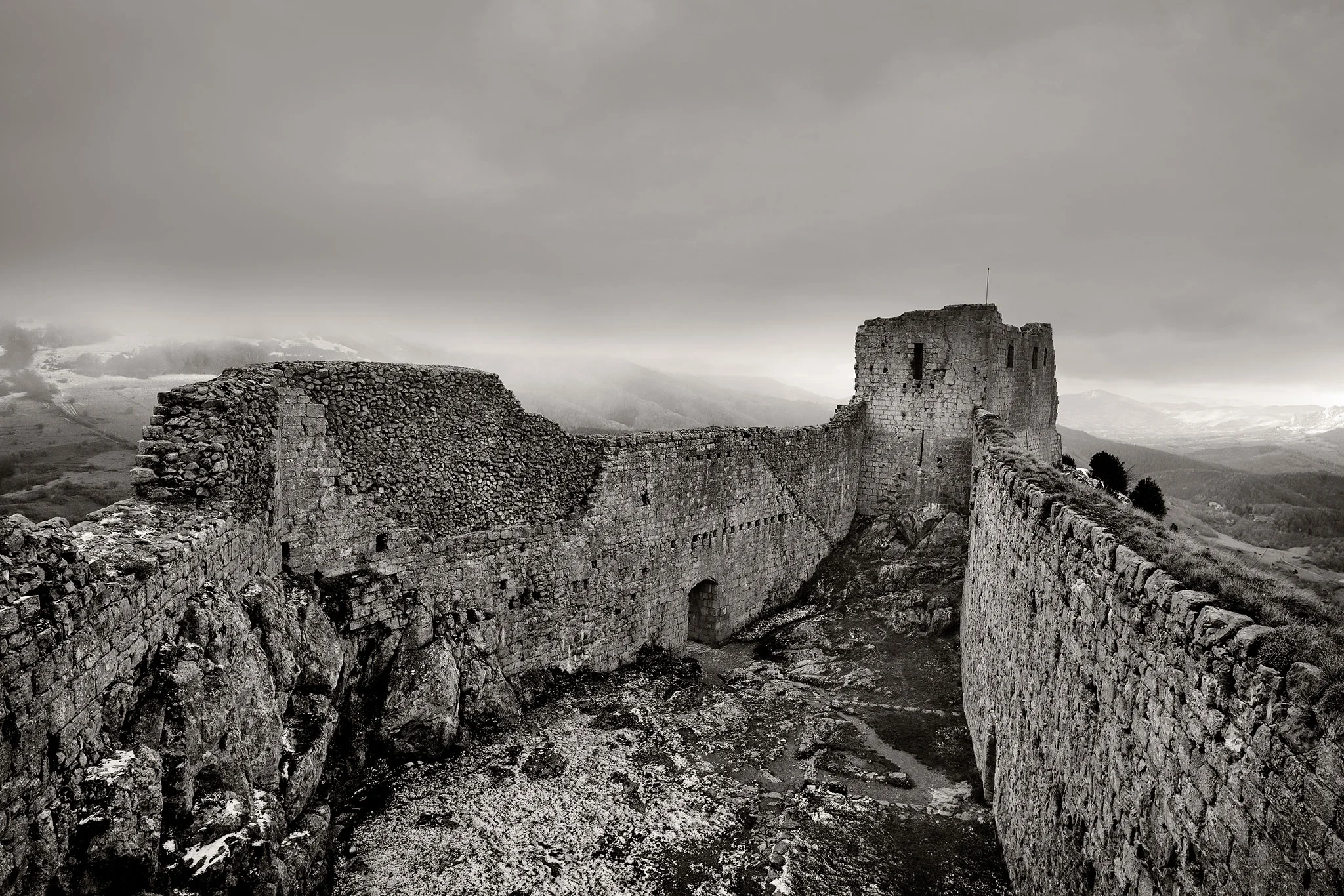
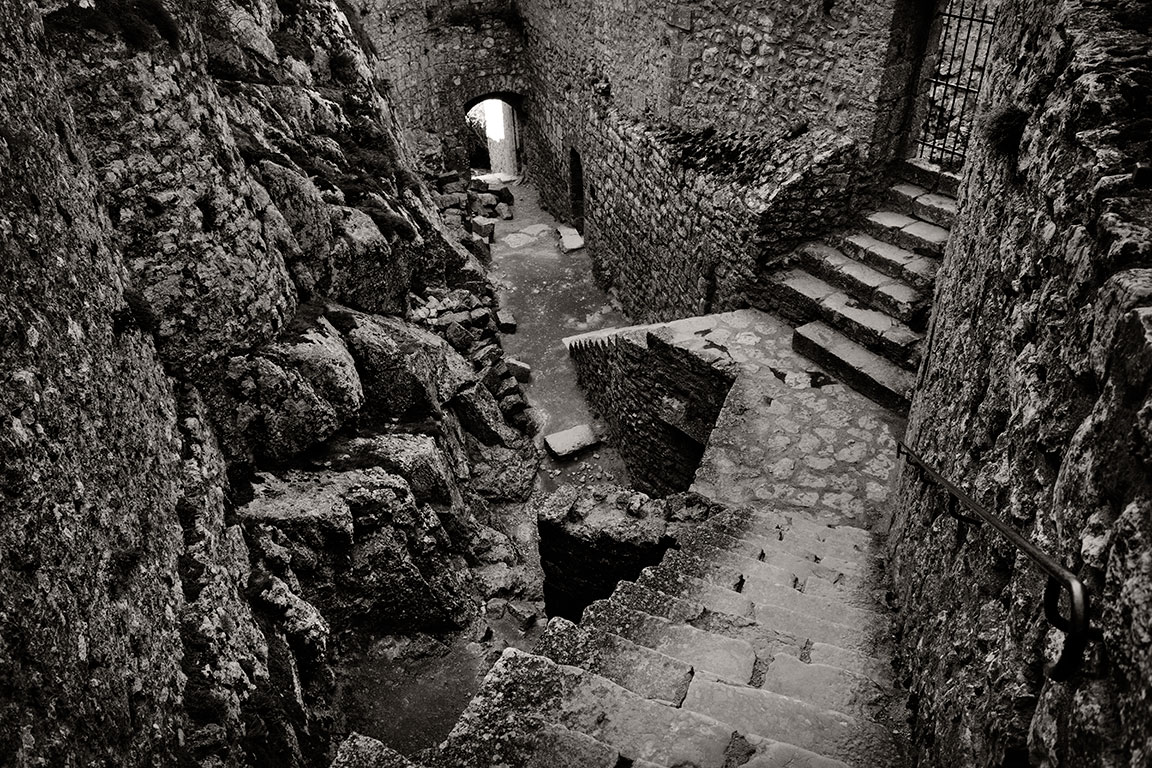
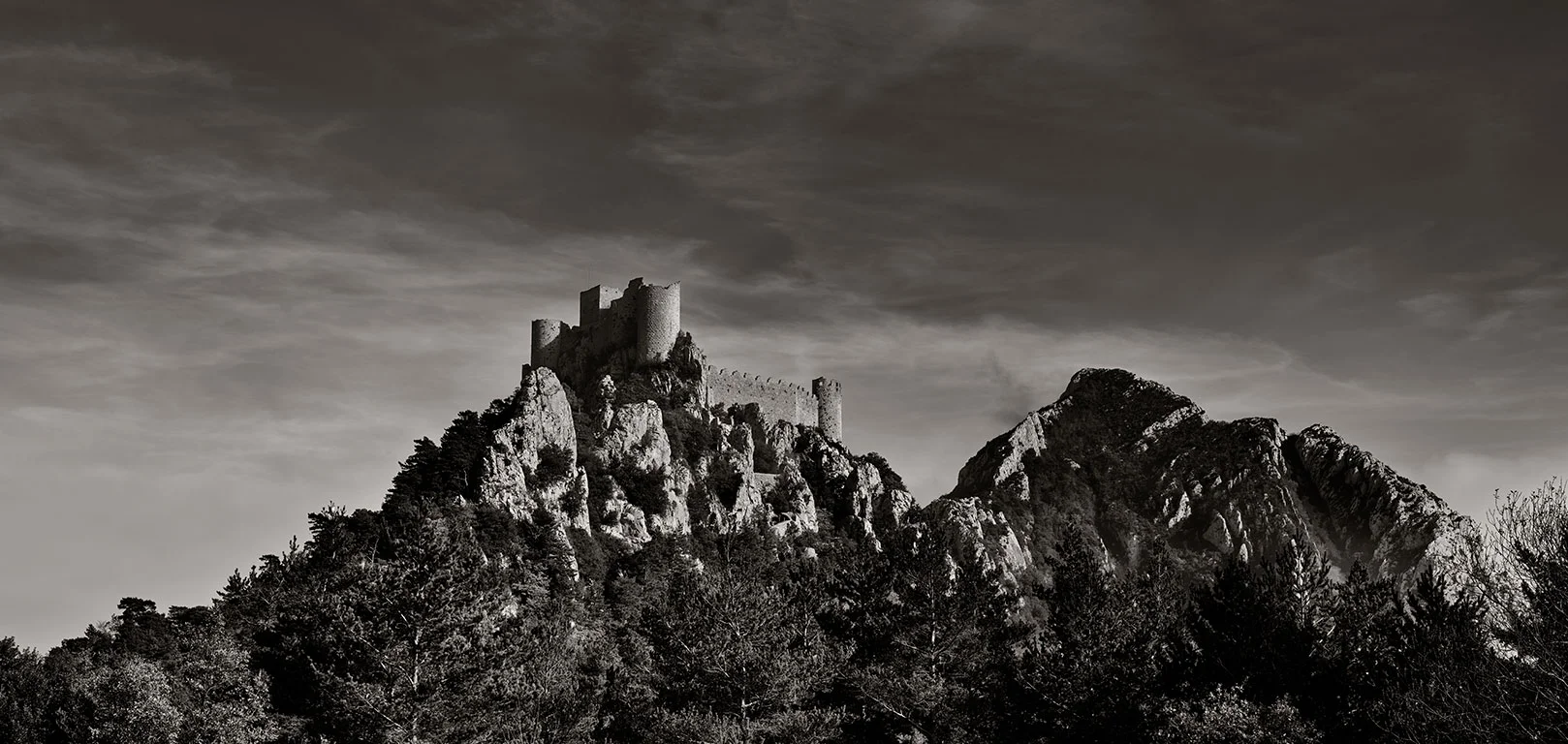
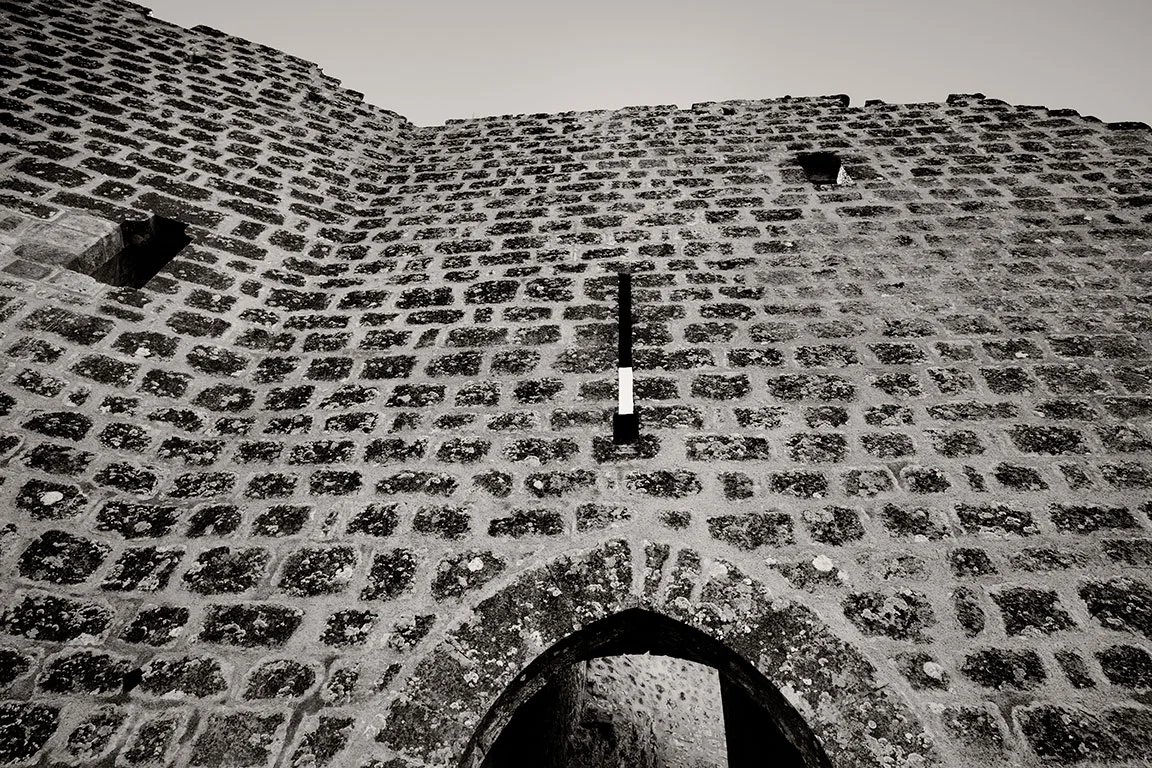
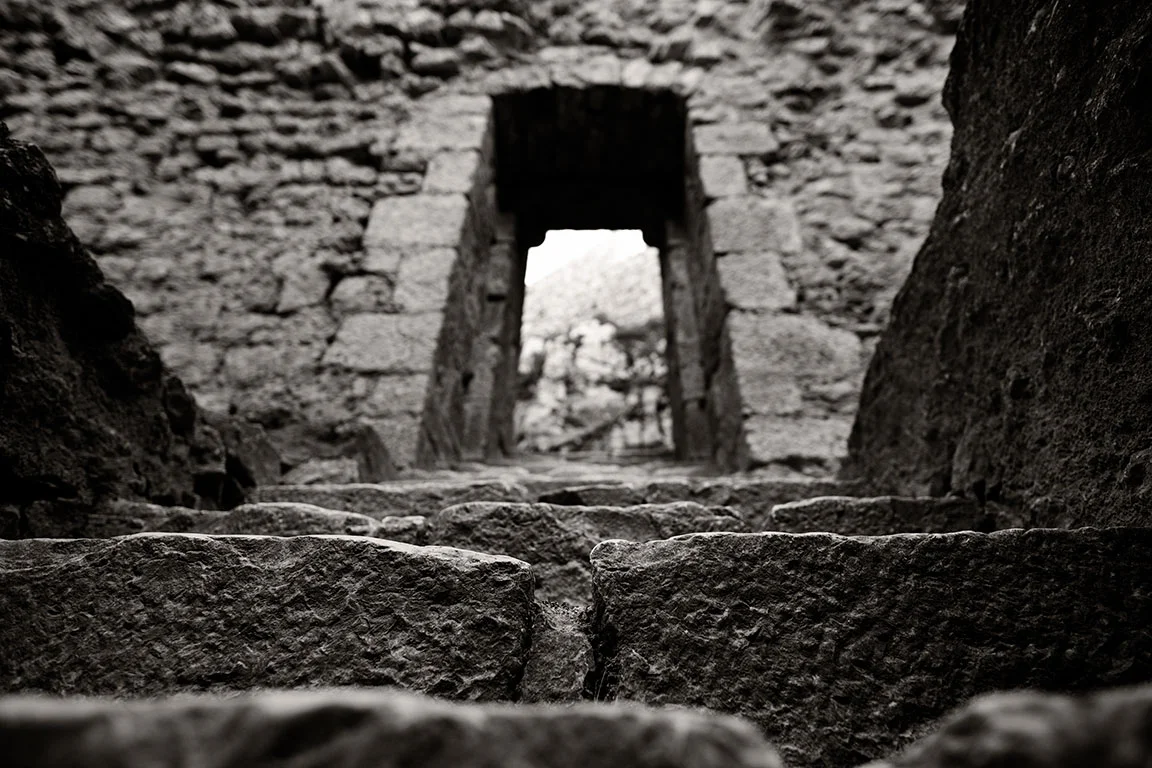
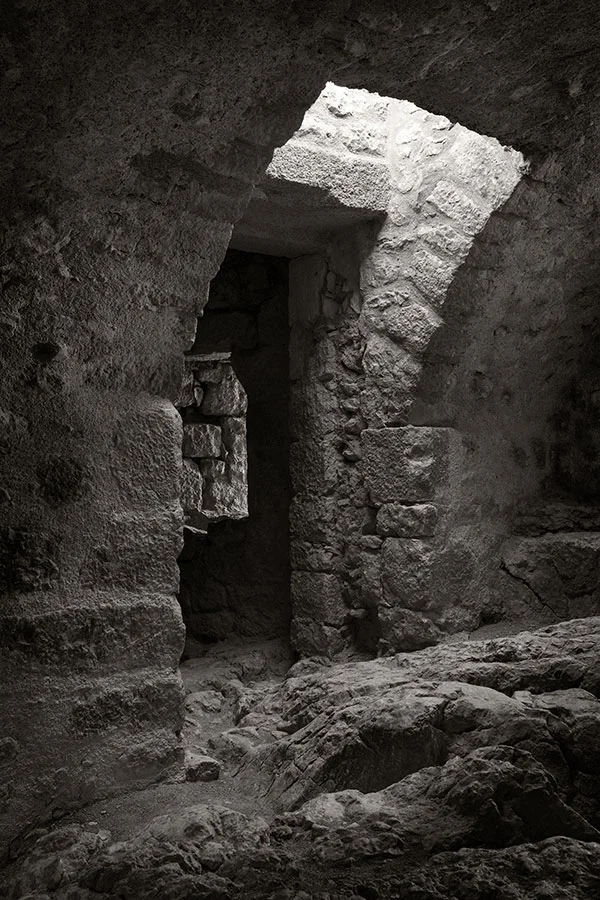
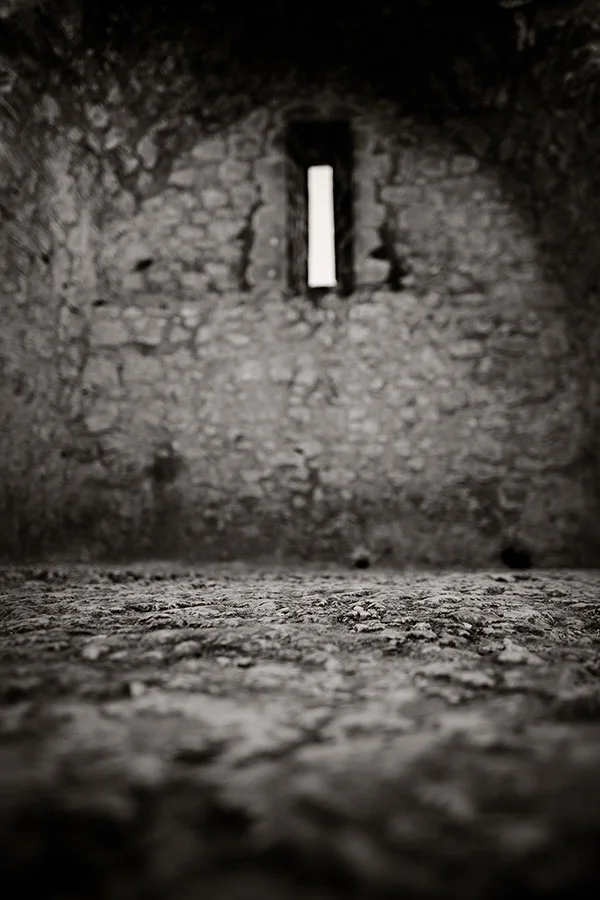
For the “Inquisition” issue of GEO Epoche, I photographed the land of the Cathars and the four most important castles in the Pyrenees: Montségur, Peyrepertuse, Quéribus, and Puilaurens.
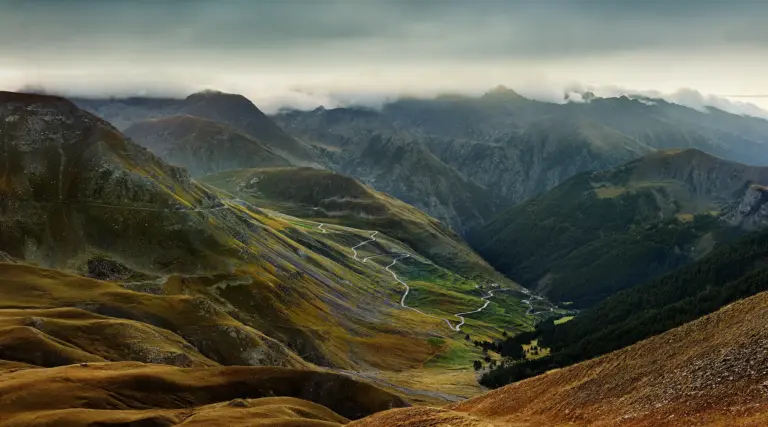
Cathar Country
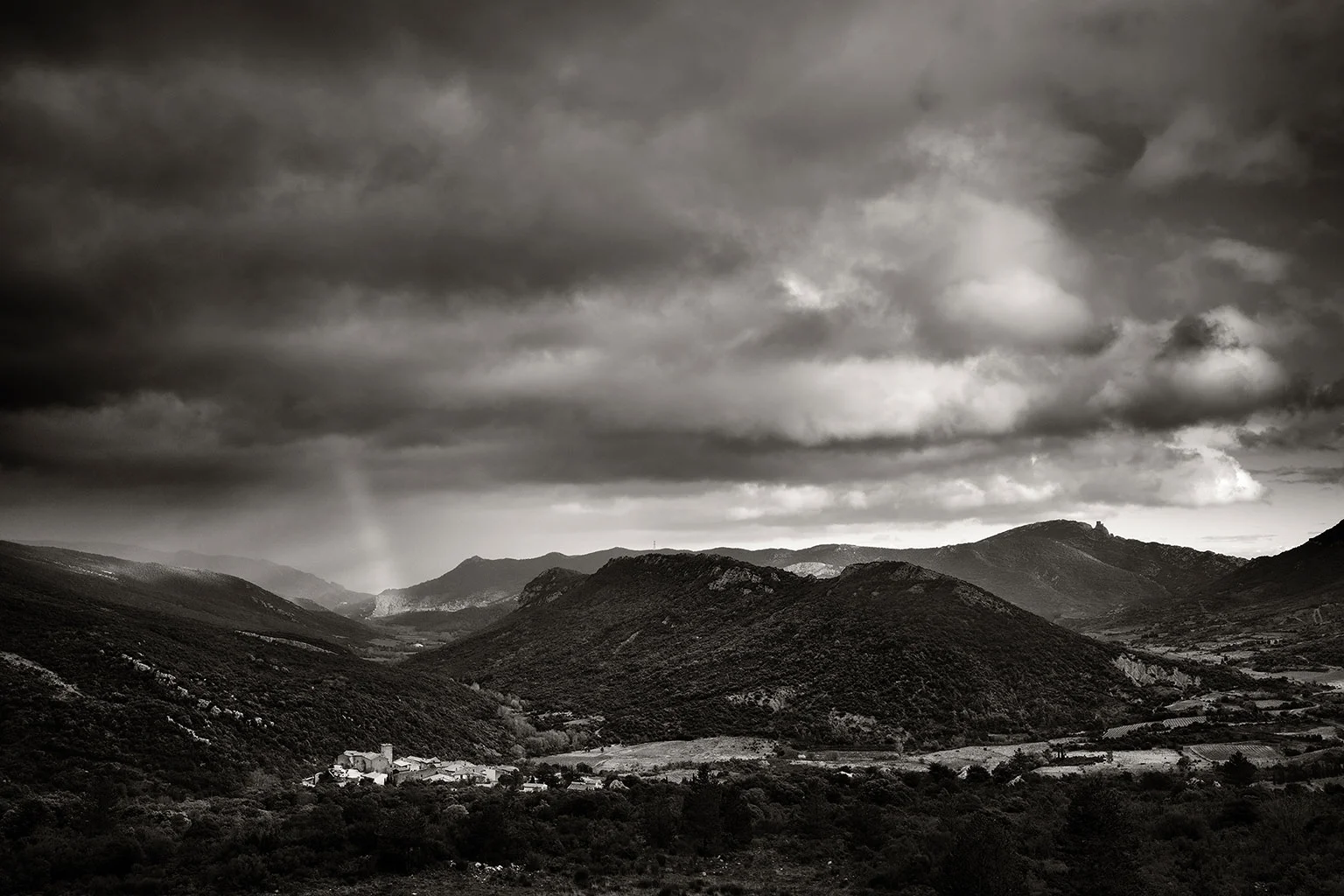
View of the village Duilhac-sous-Peyrepertuse. In the distance on the hill the silhouette of Castle Quéribus.
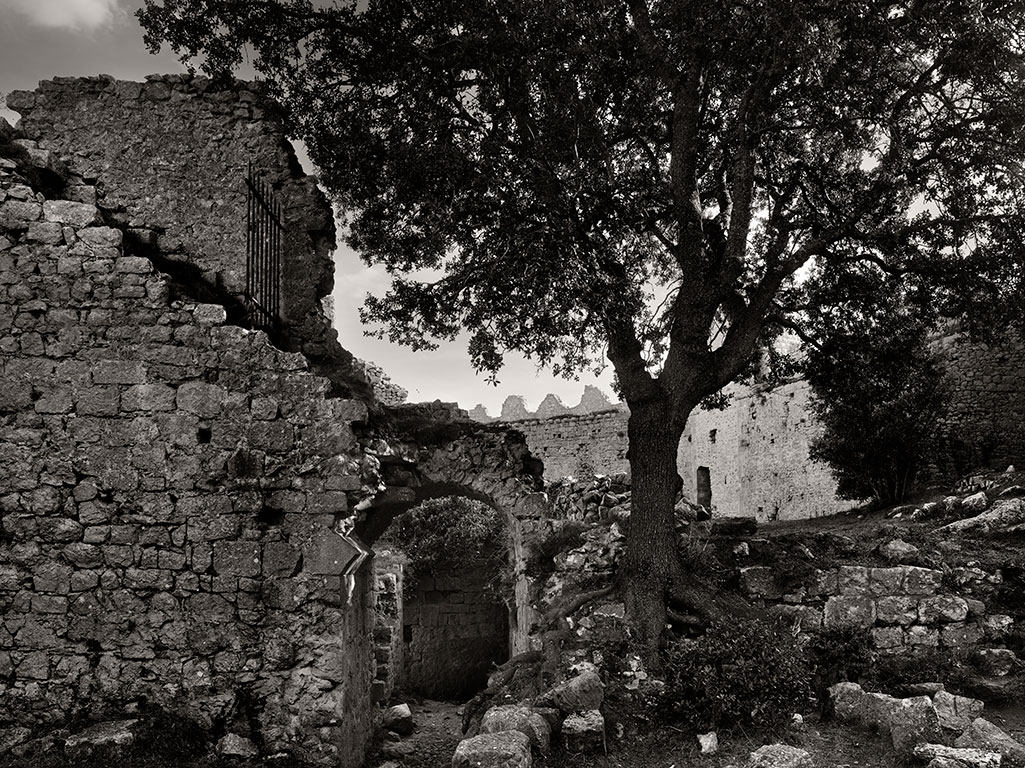
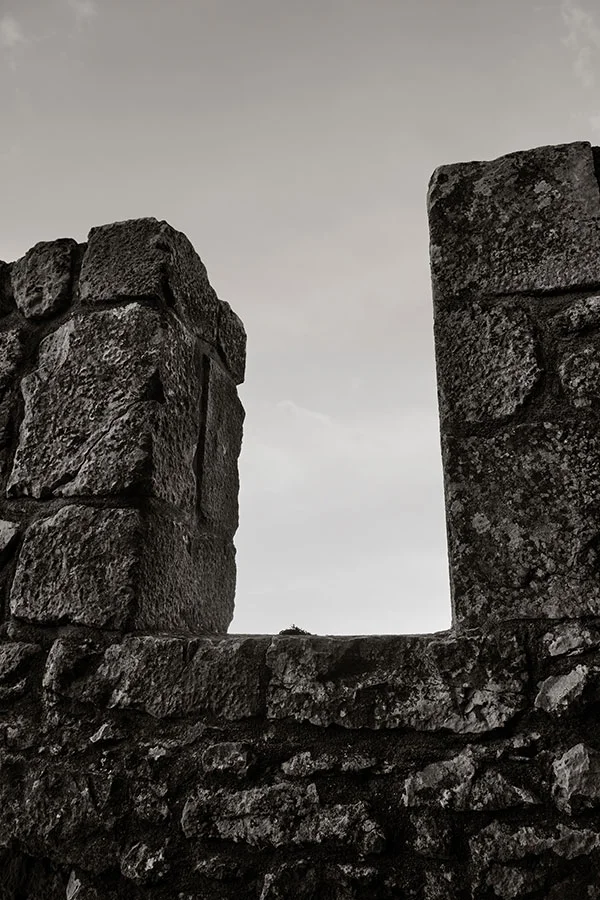
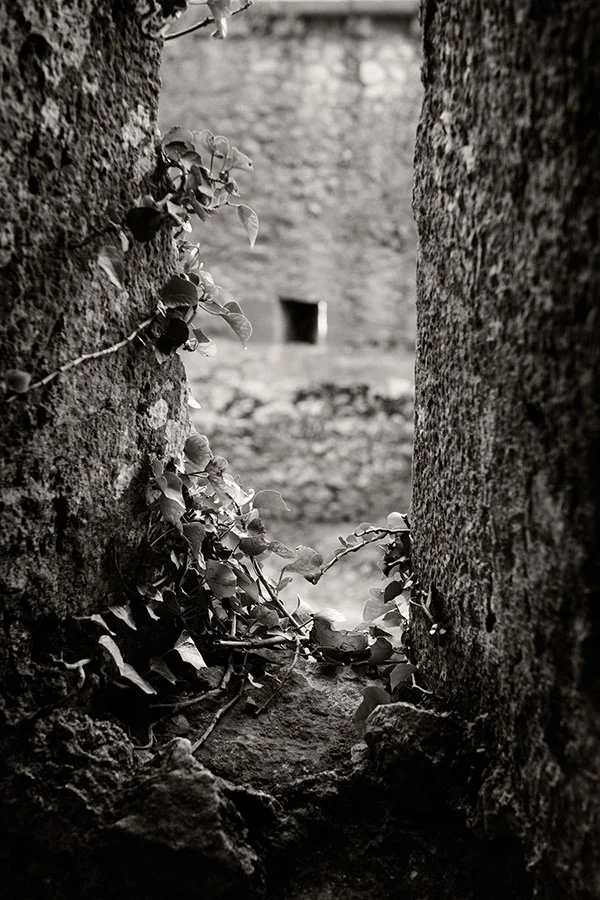
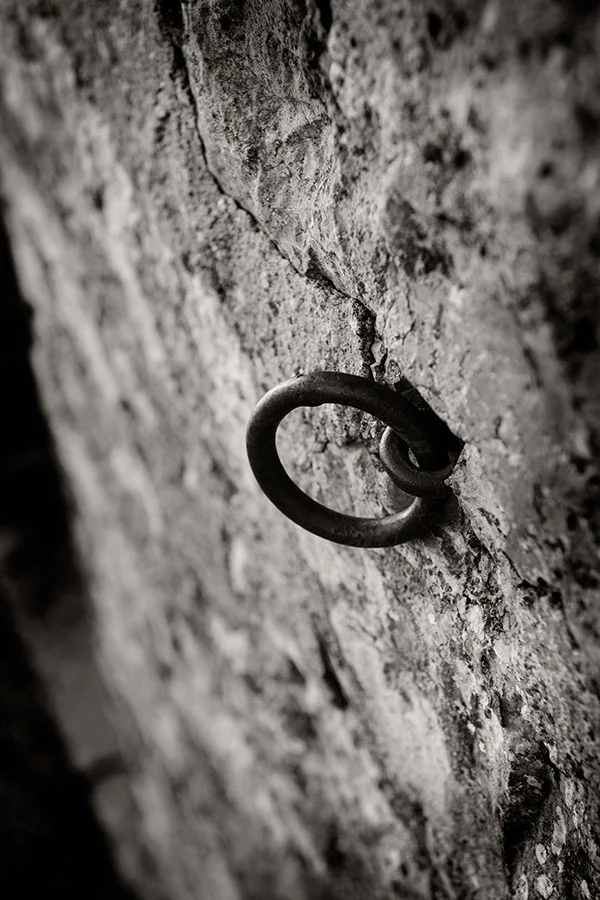
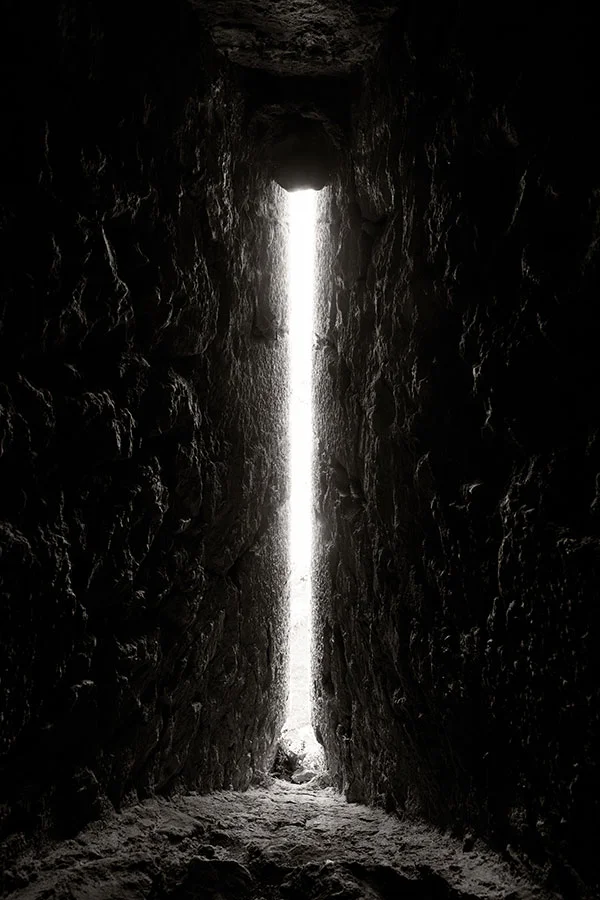
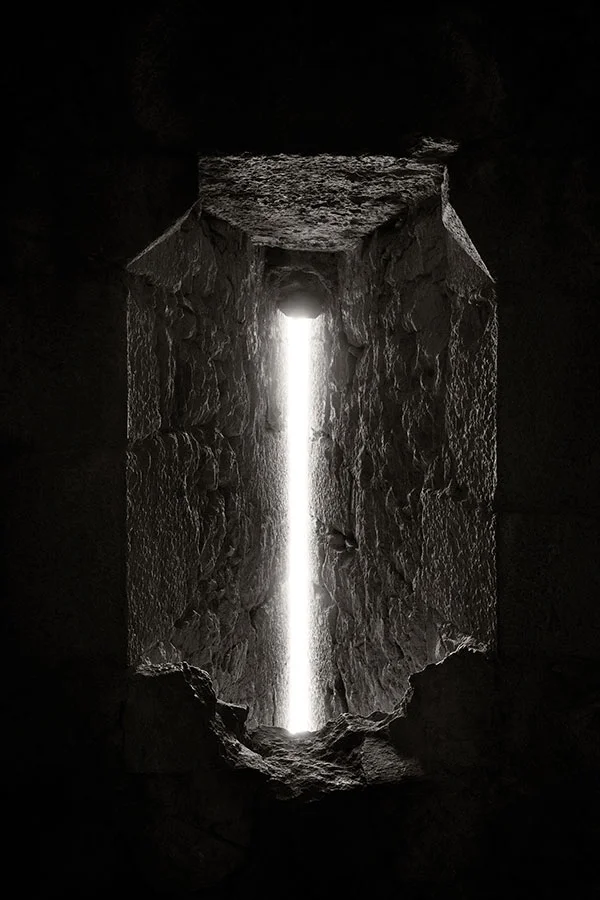
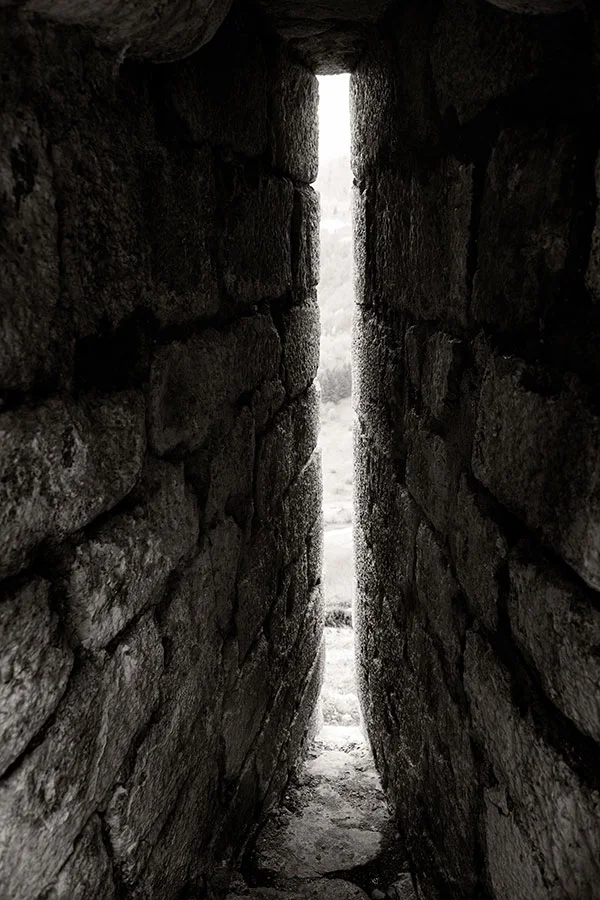
Château de Montségur
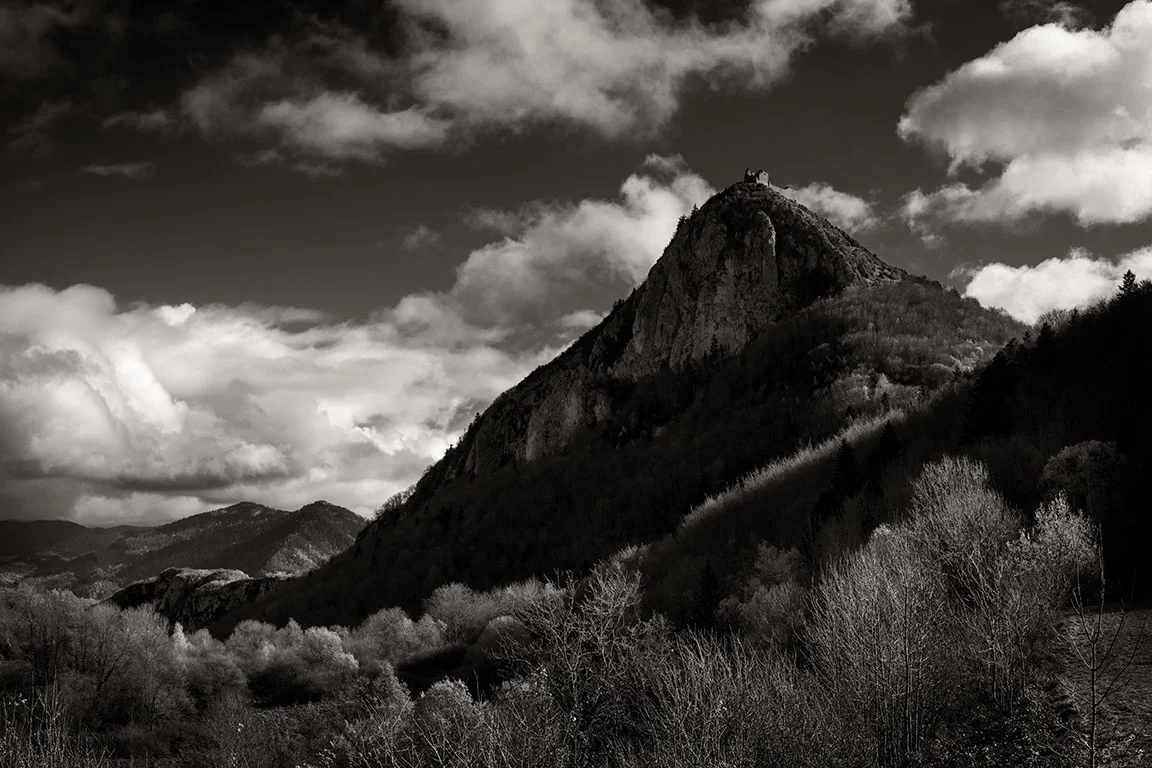
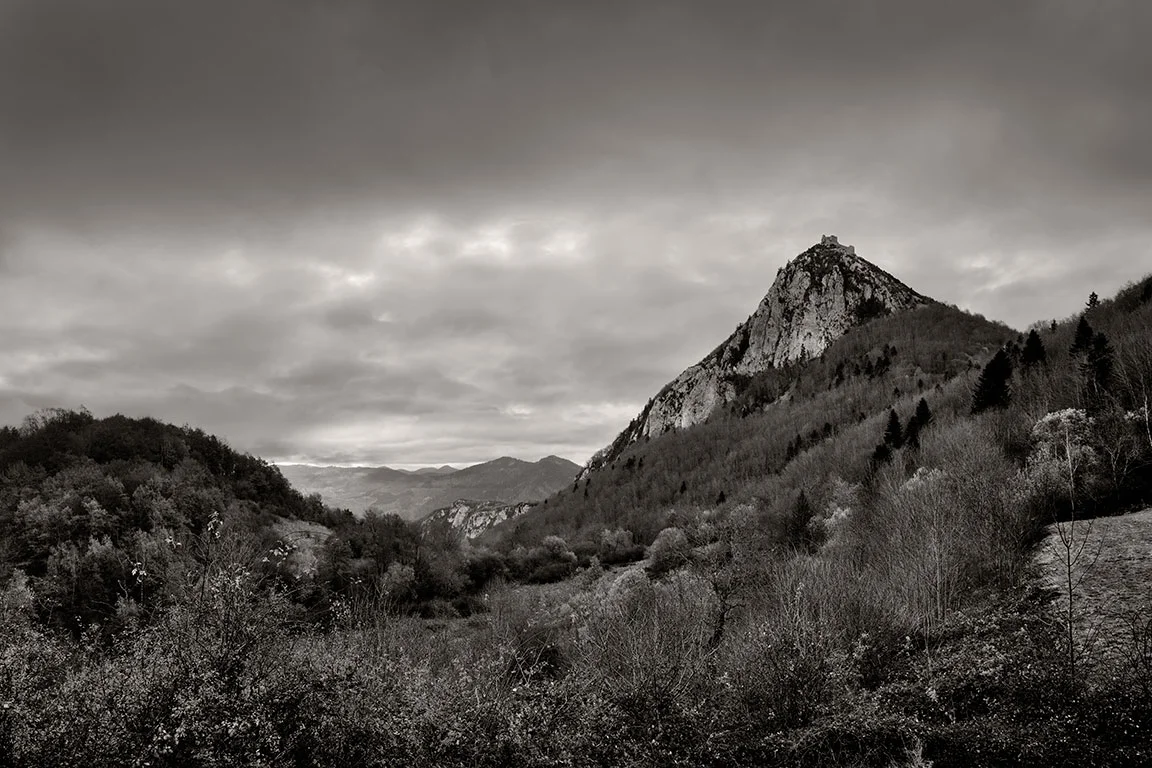
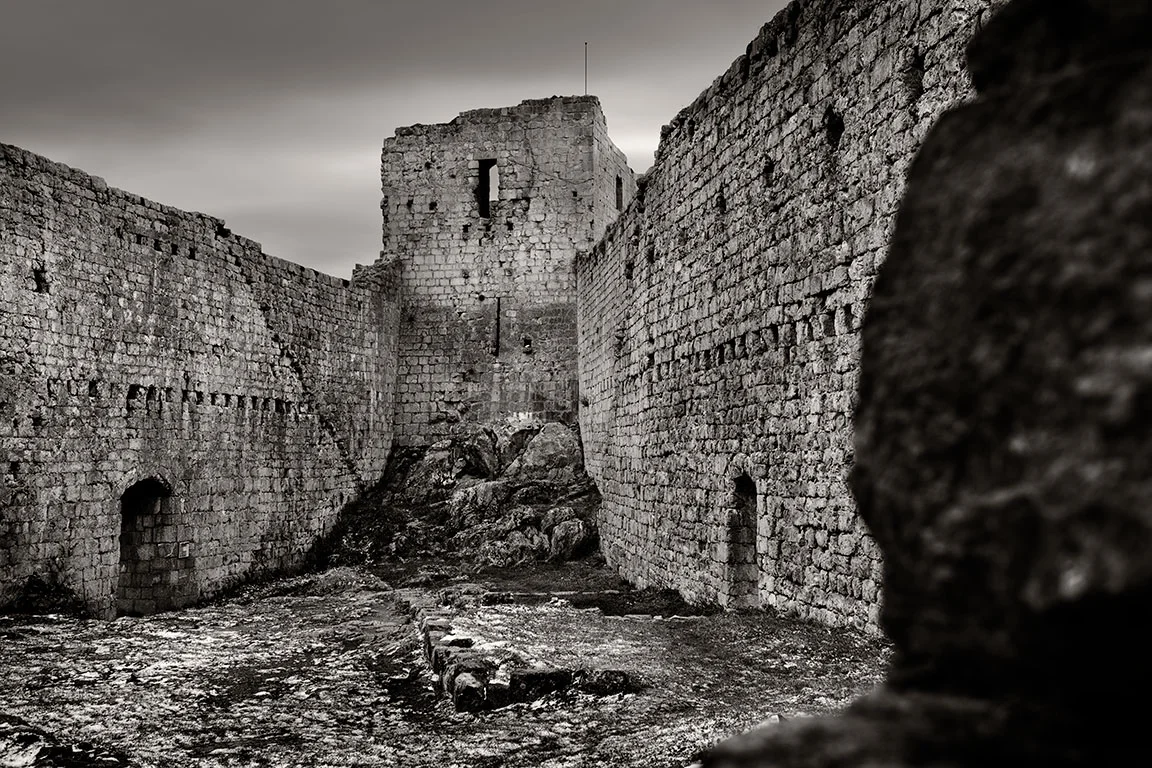
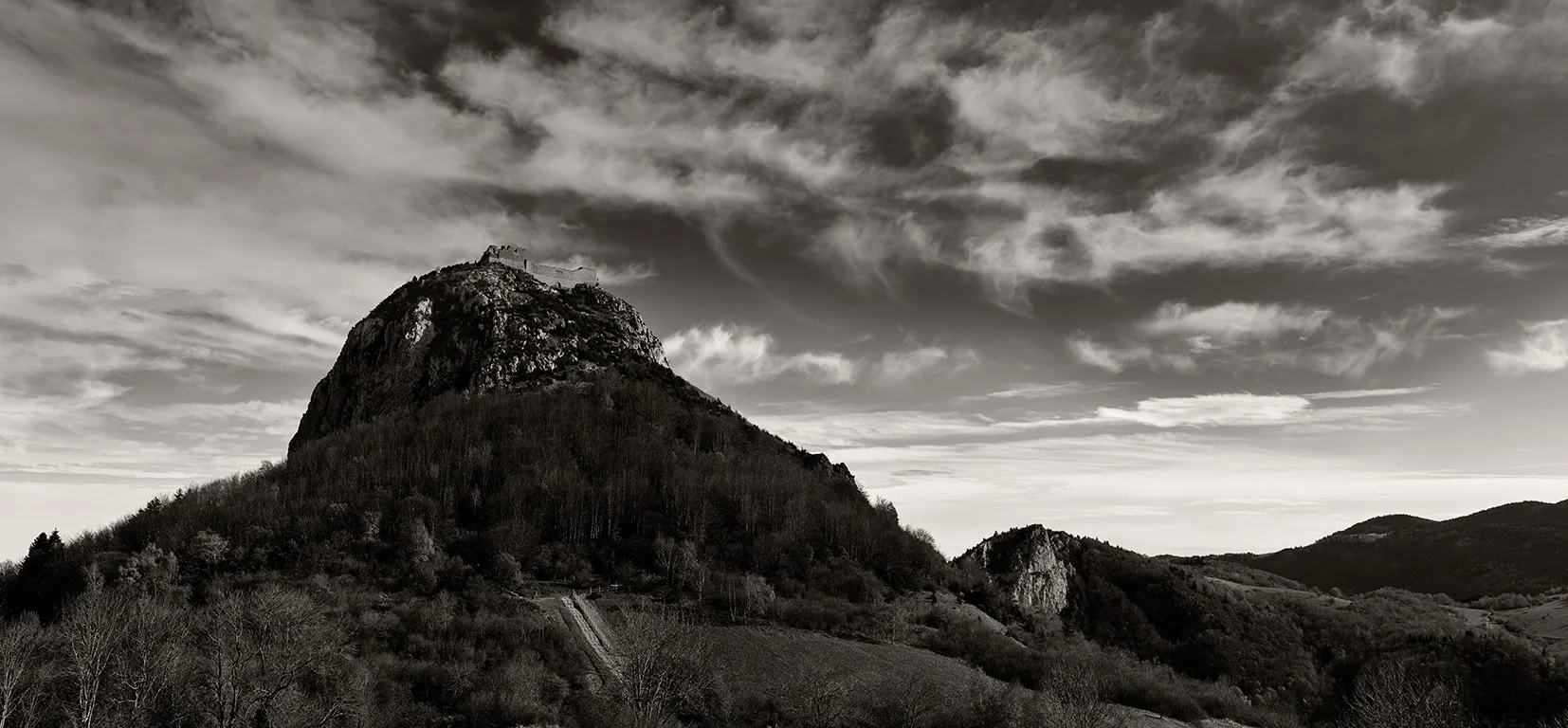
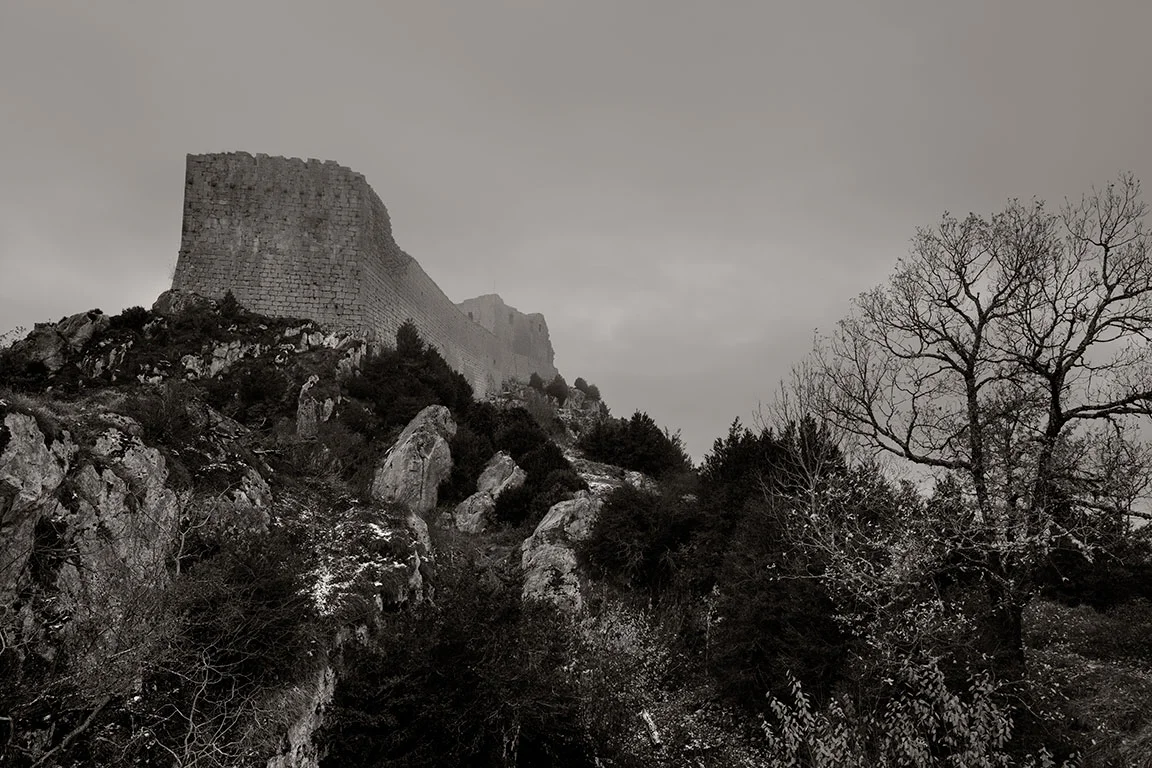
The castle of Montségur was the centre of the Cathar resistance against the Catholic Church. The fortress rises 1200 m above sea level on a rugged Pyrenean rock.
In 1243, the King of France sent an army to conquer the citadel with the Cathars entrenched there. After a ten-month siege, Montségur was taken in 1244. Most of the more than 200 Cathars died at the stake.
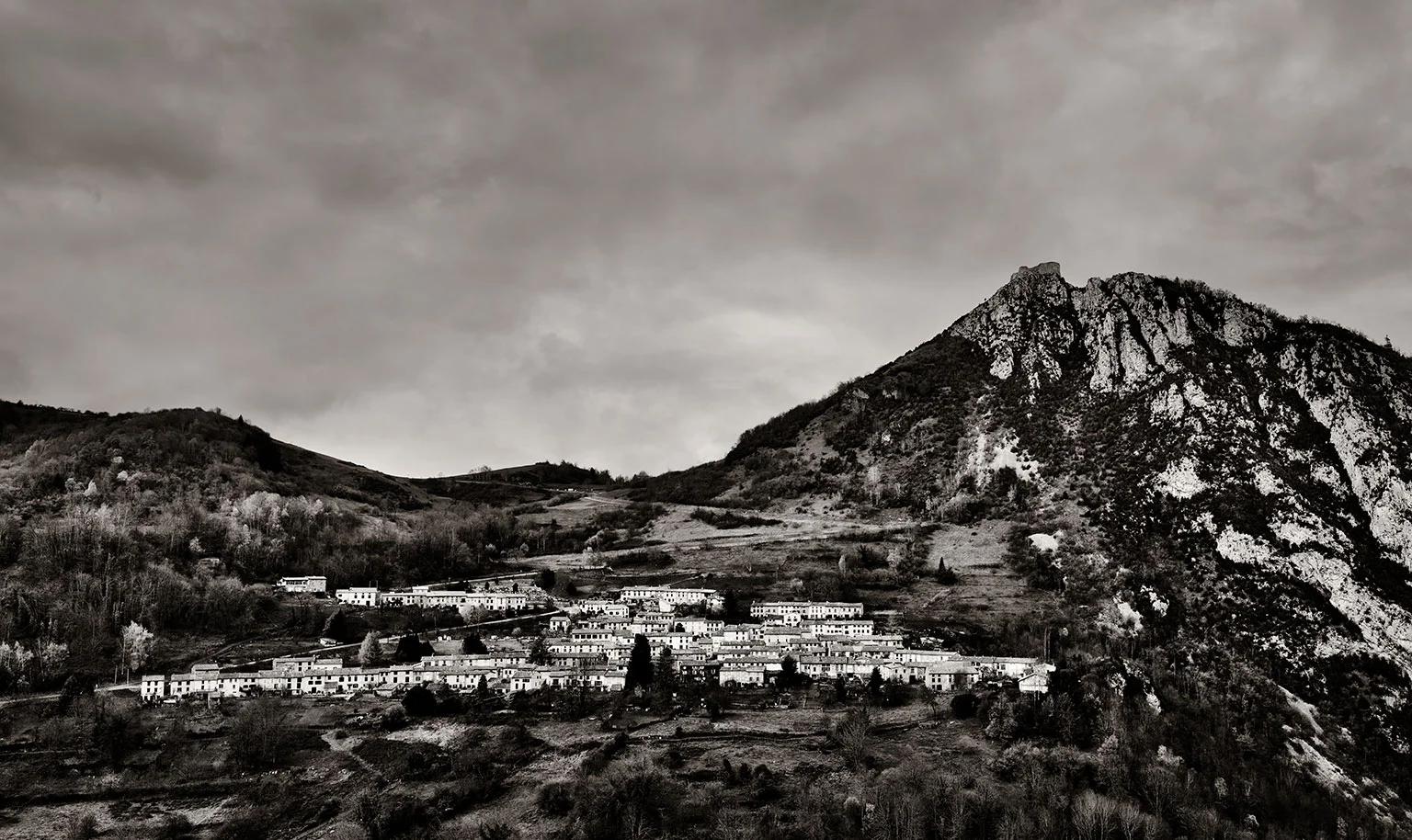
Château de Montségur
Above the village lies the famous Cathar castle of Montségur.
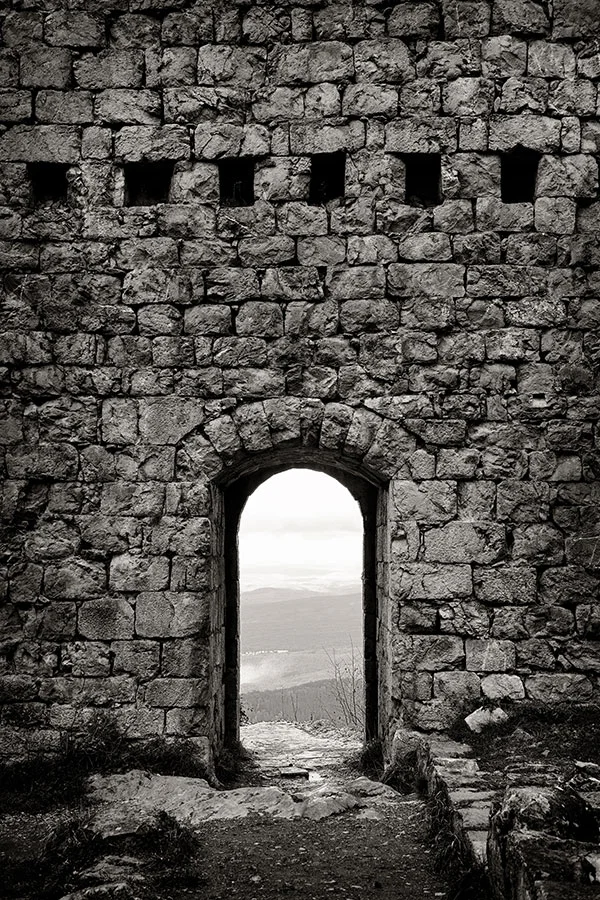
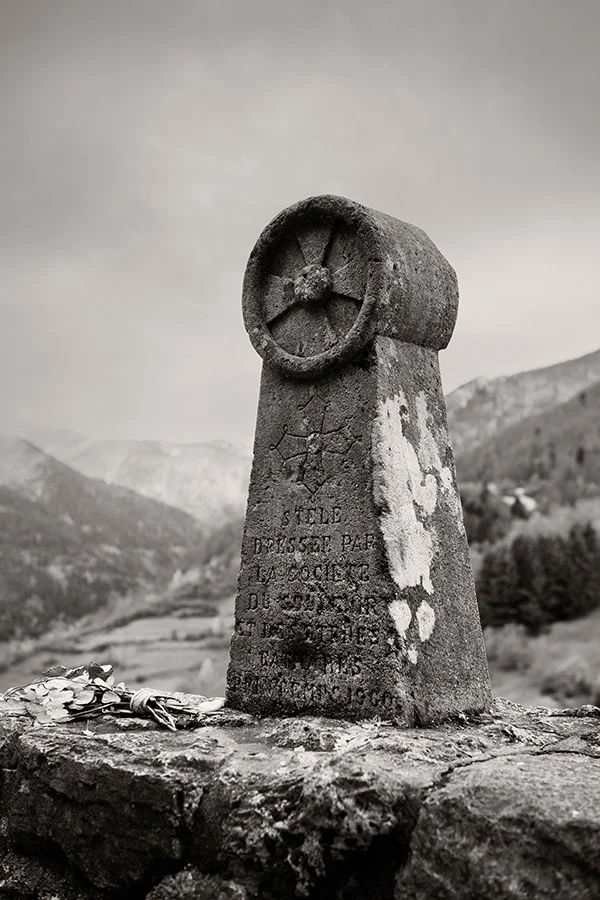
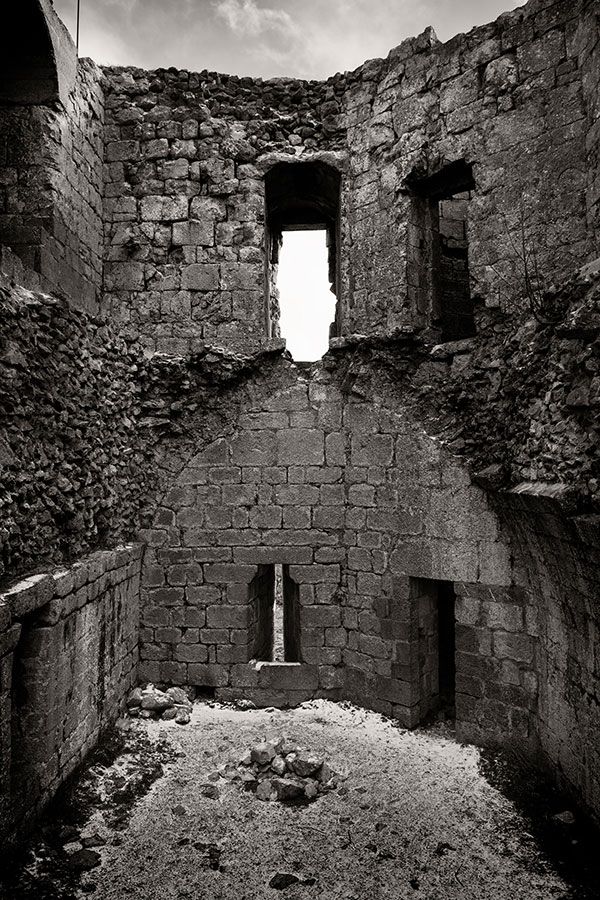
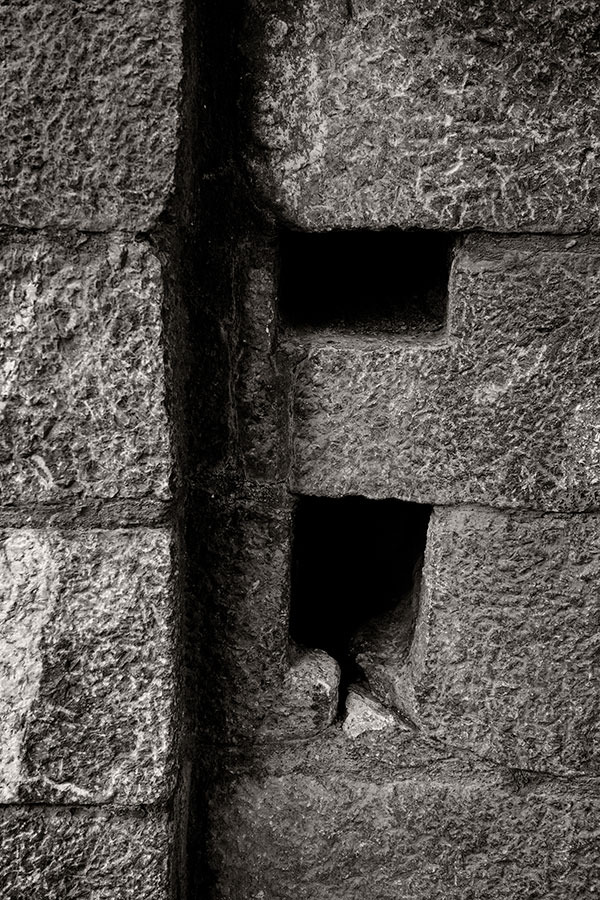
Château de Quéribus
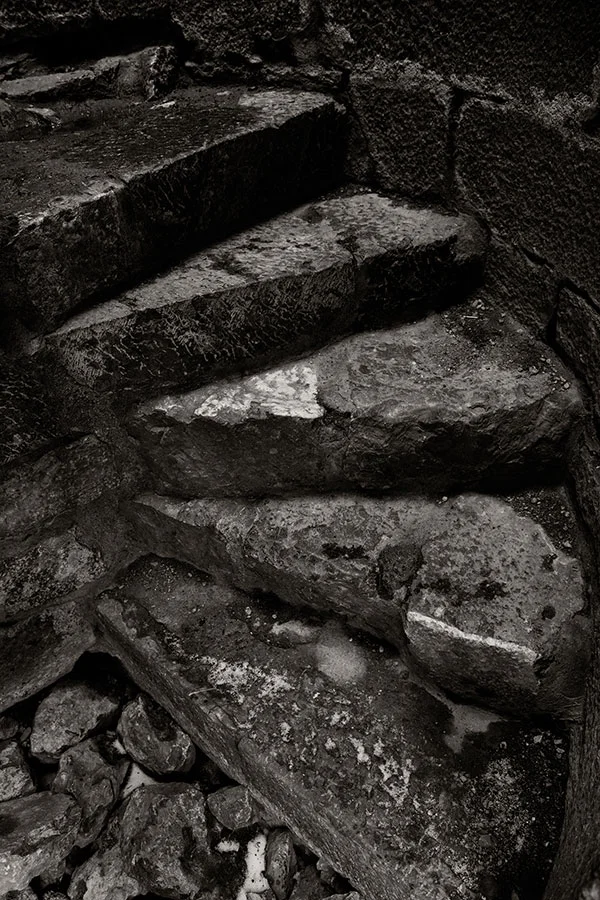
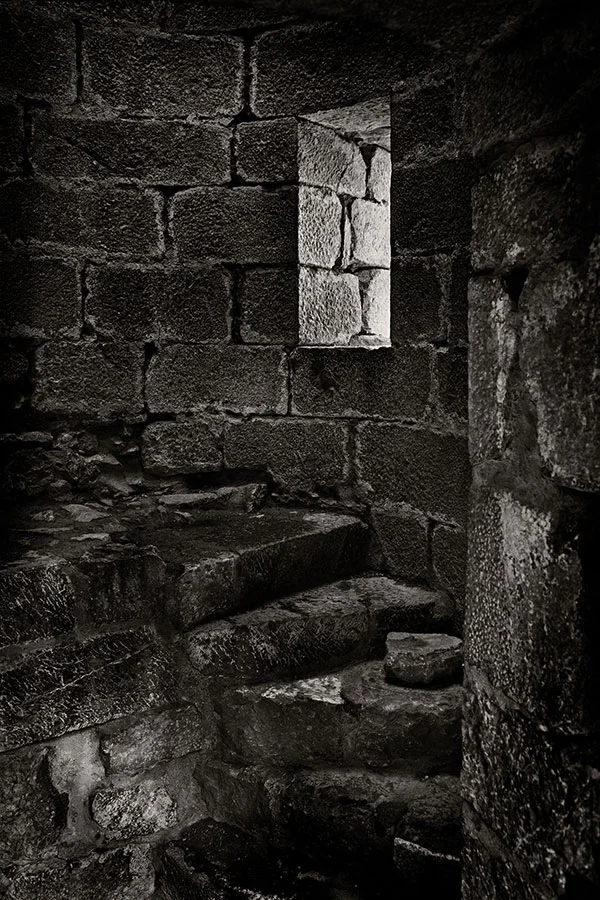
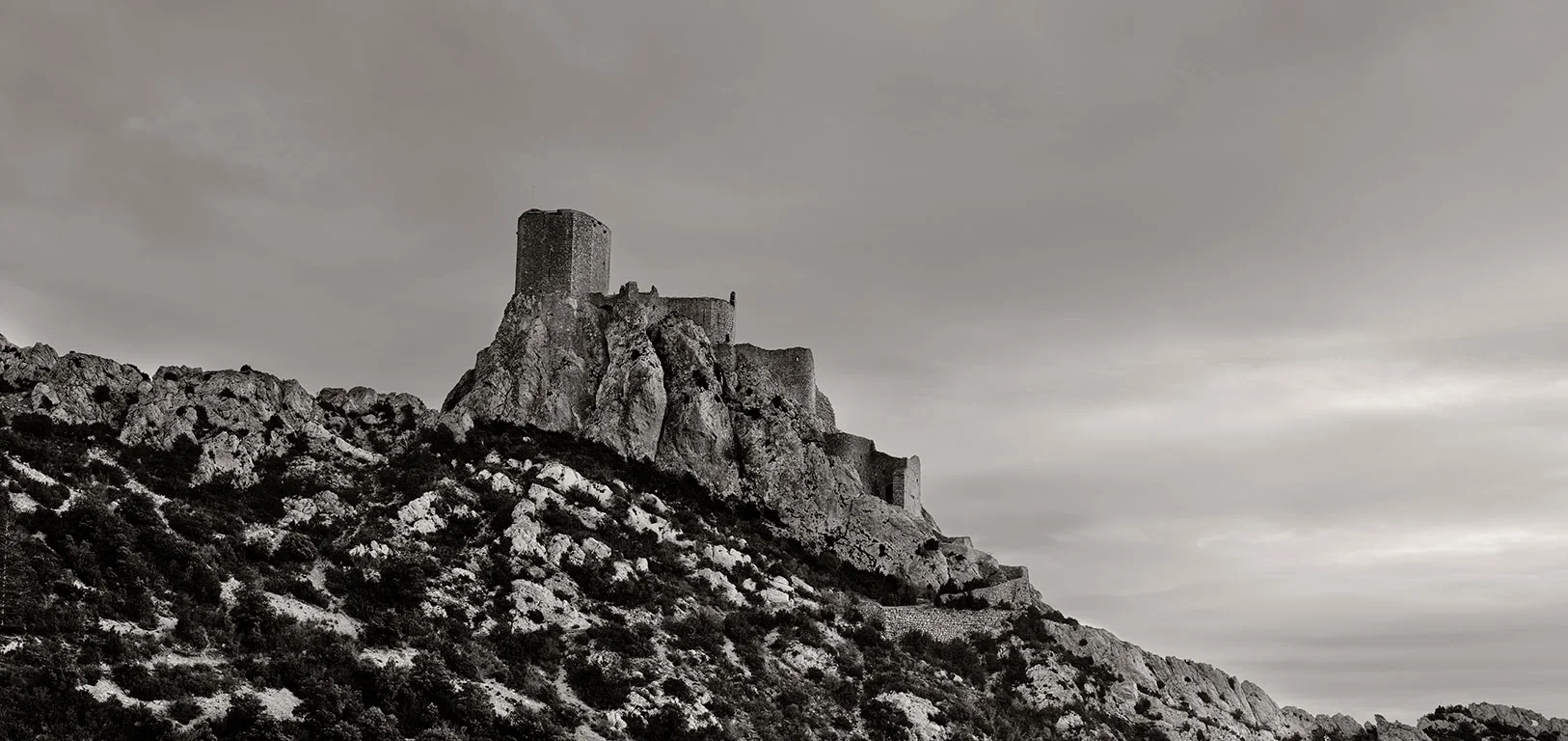
Quéribus Castle in the borderland between France and Spain was one of many fortresses belonging to noble Cathar sympathisers. Whenever the Catholic authorities sent troops against the deviants, heretics found shelter here.
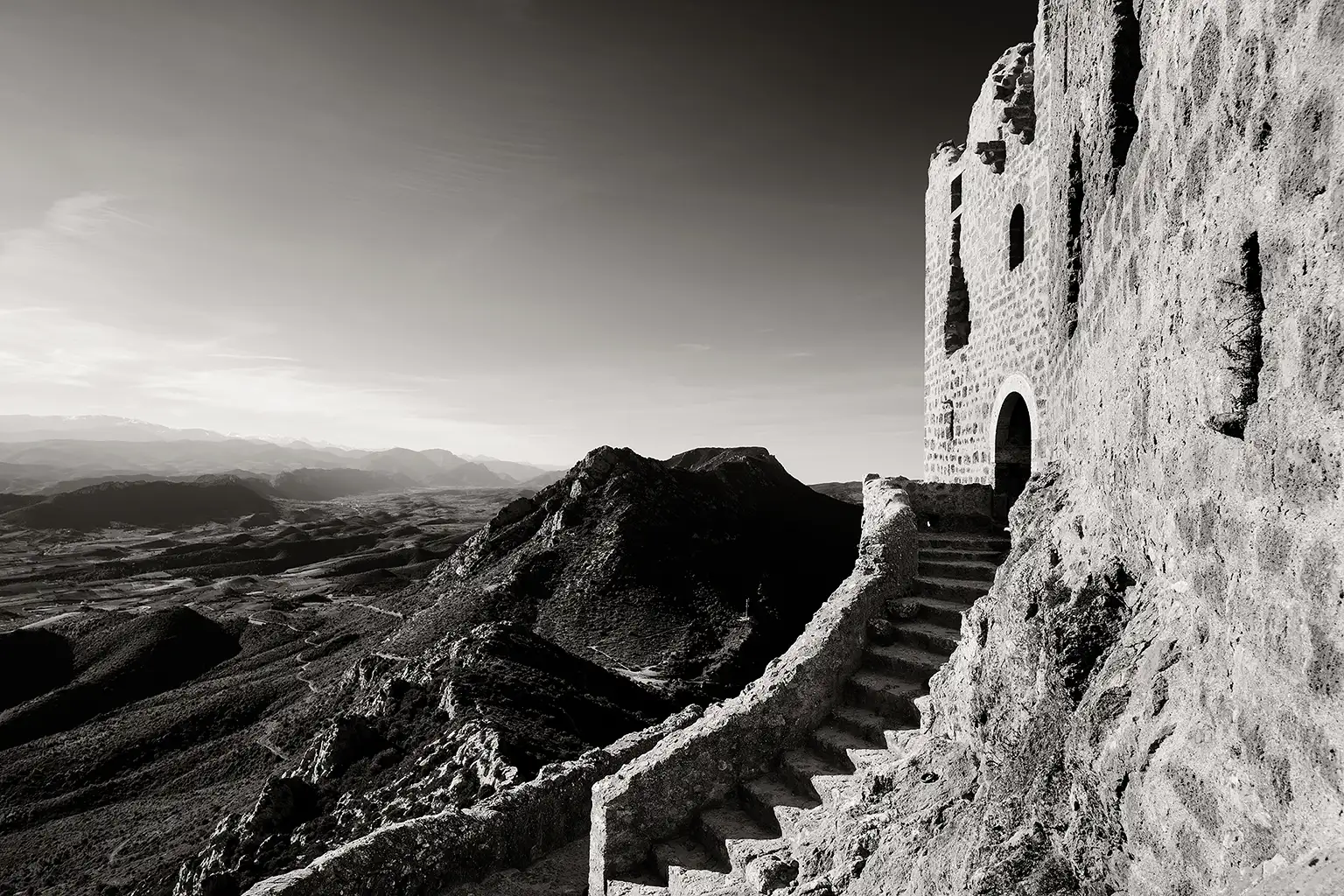
Château de Quéribus
The famous Cathar castle is situated above the village.
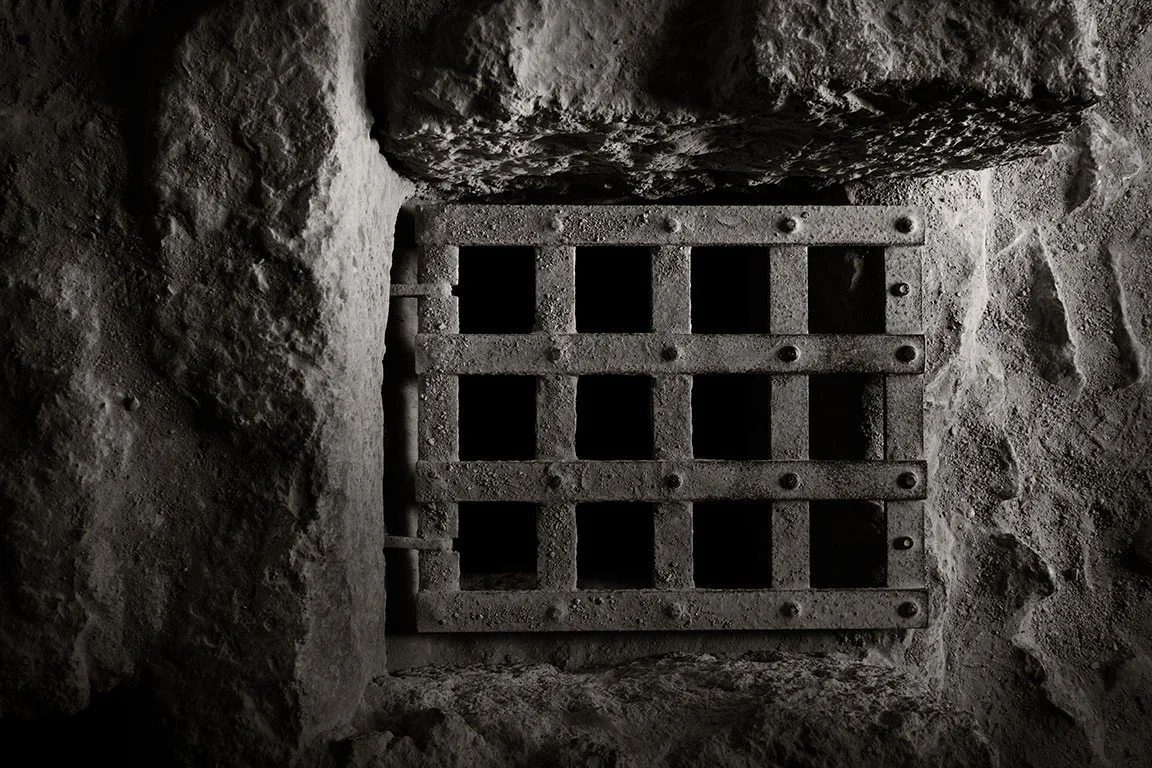
Château de Puilaurens
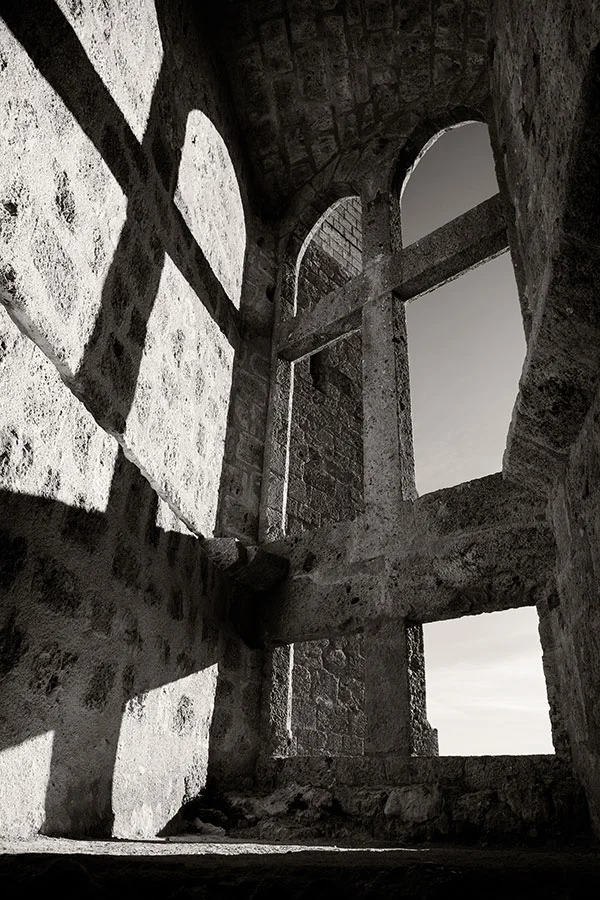
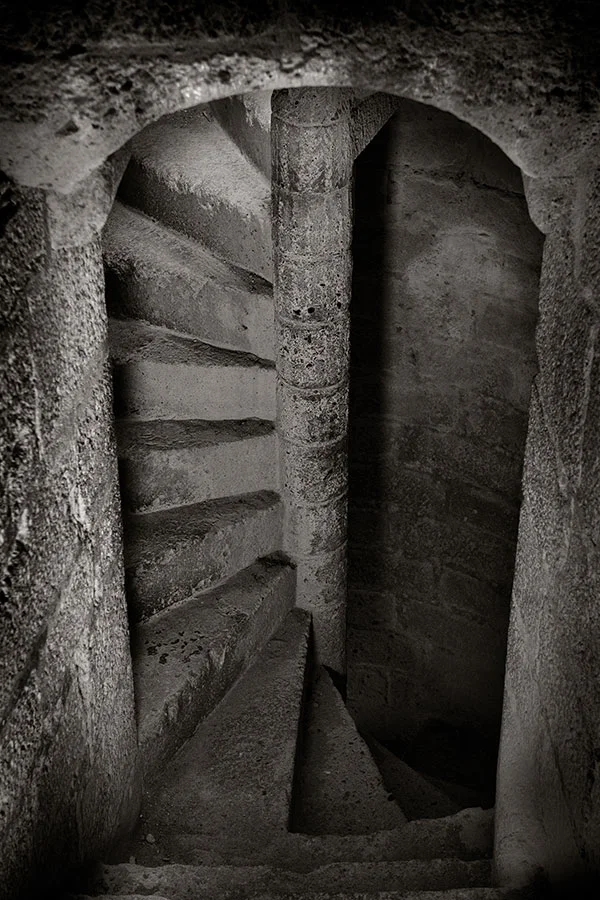
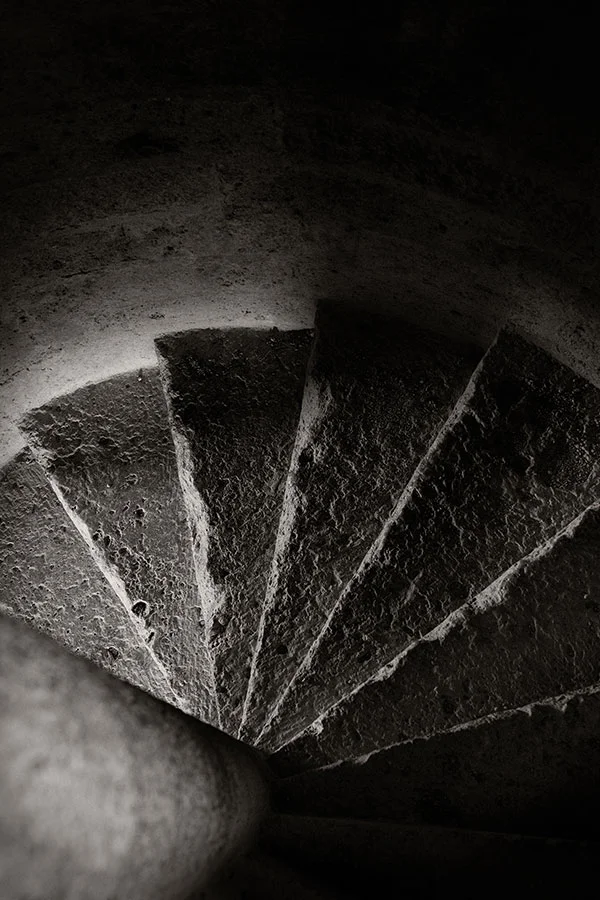
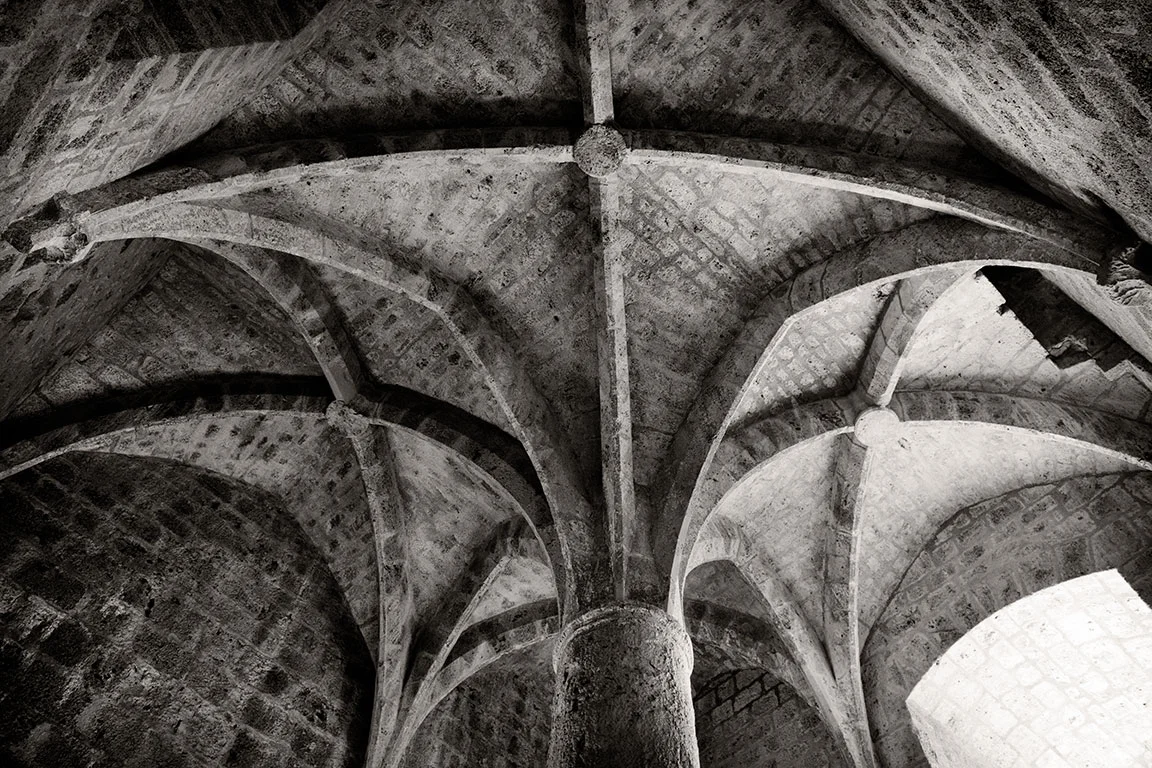
The leadership of the Catholic Church furiously persecuted the Cathars who, despite persecution, refused to abandon their faith. The castle of Puilaurens also served the Cathars as a retreat from the Inquisition.
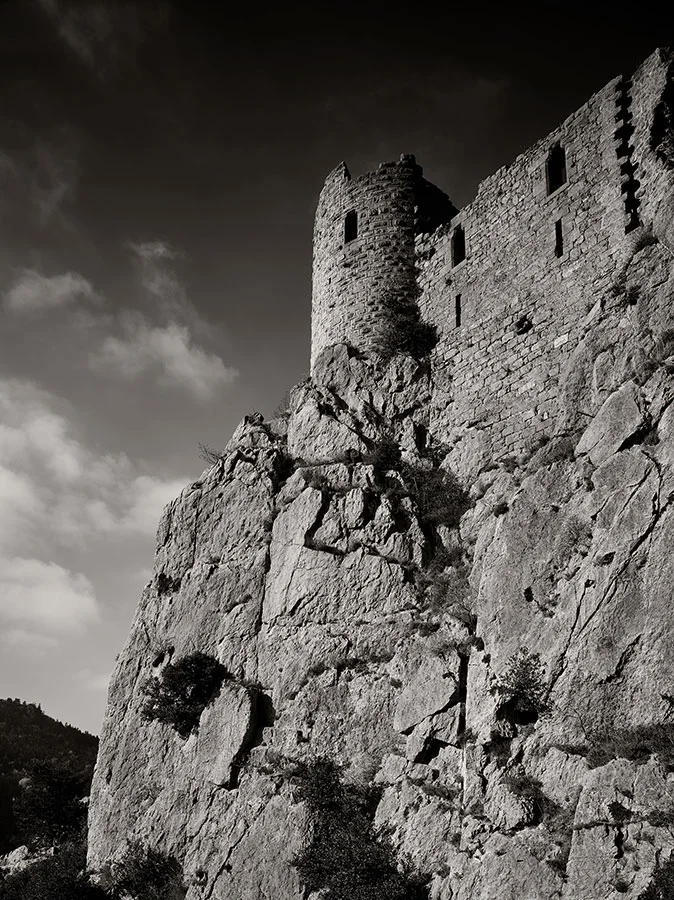
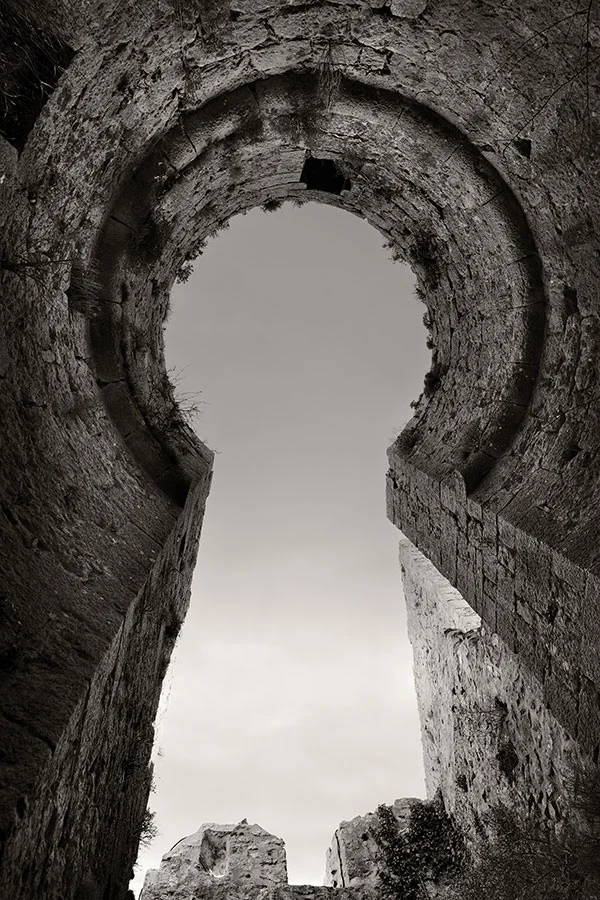
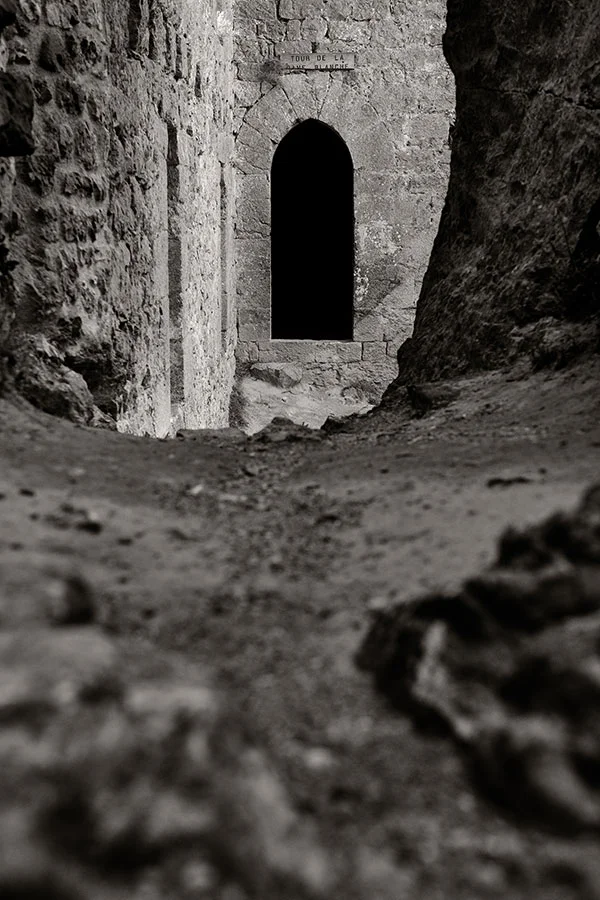
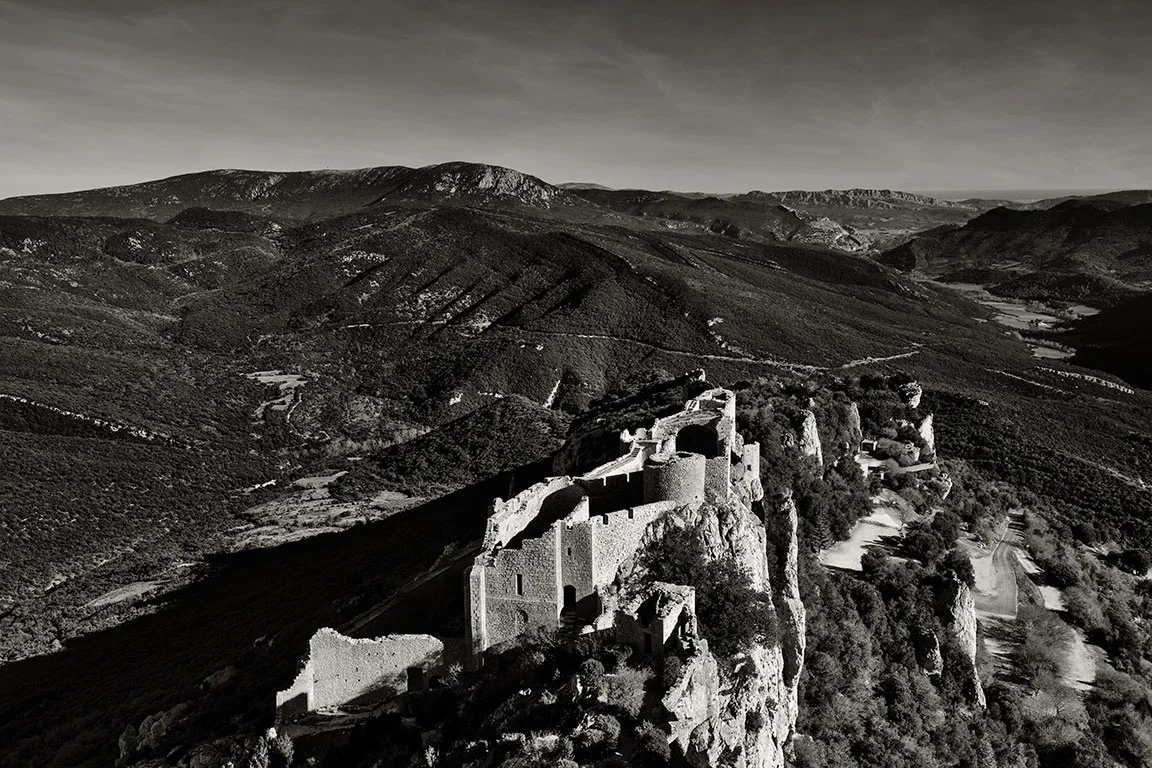
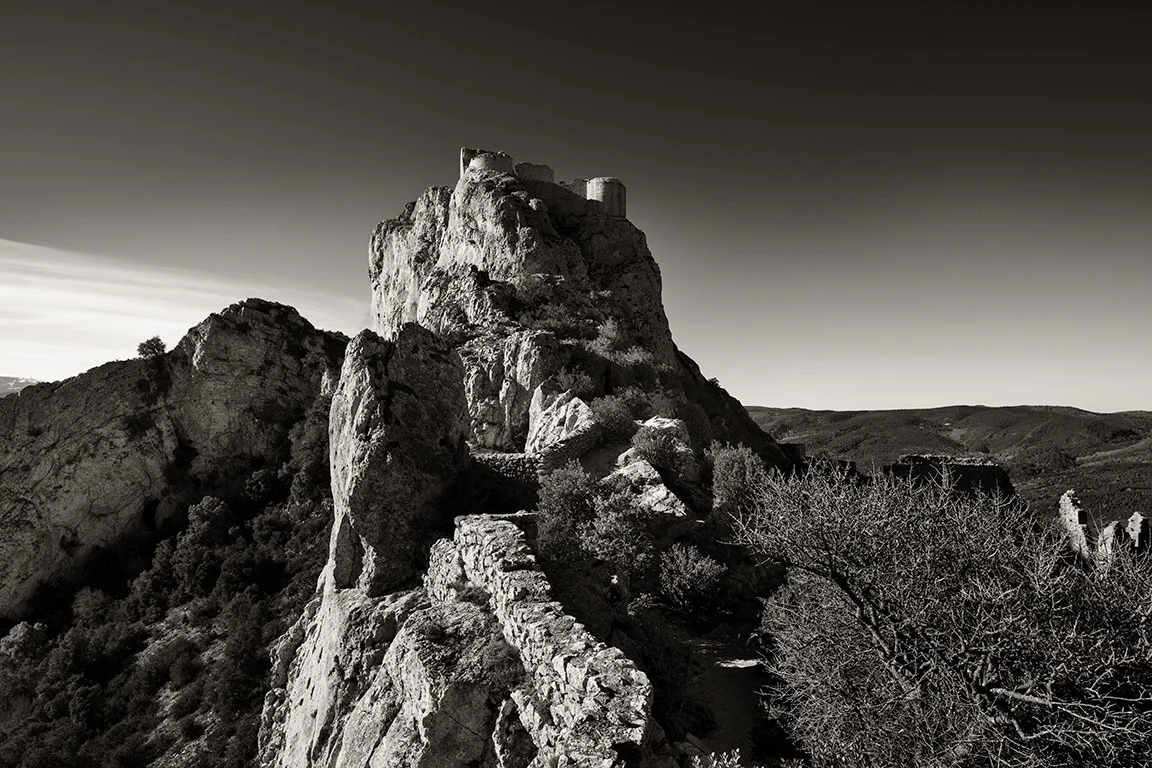
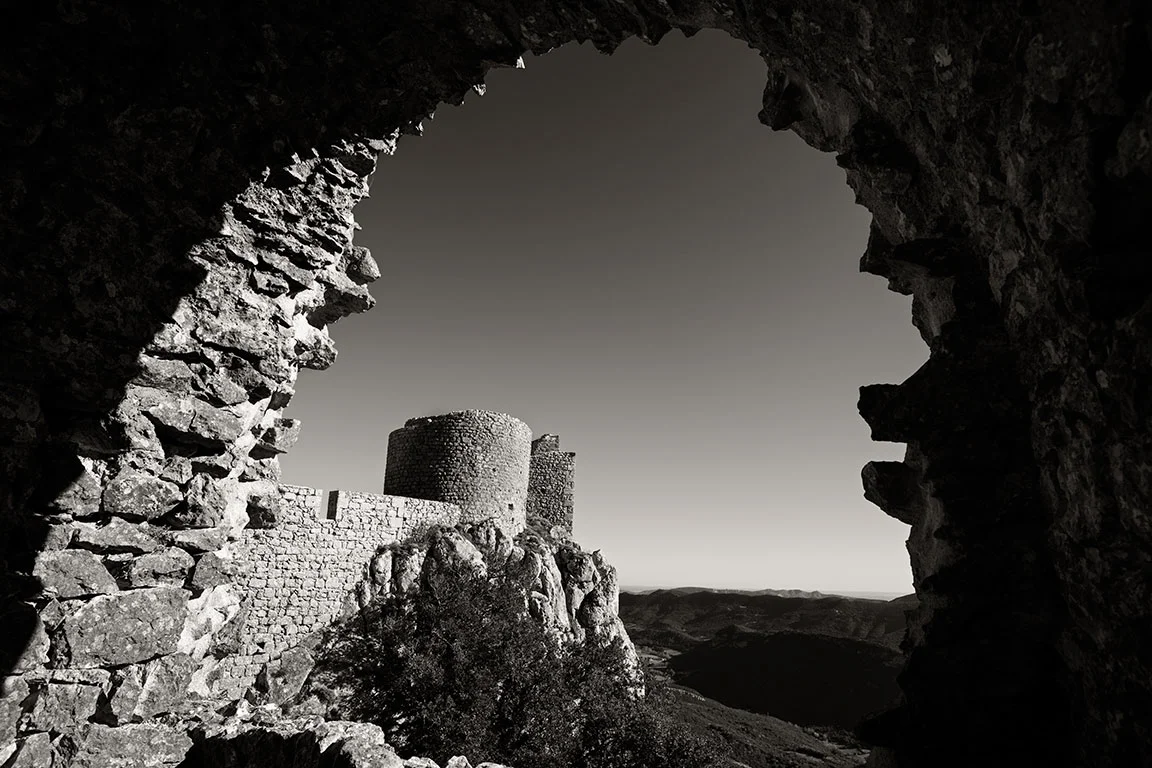
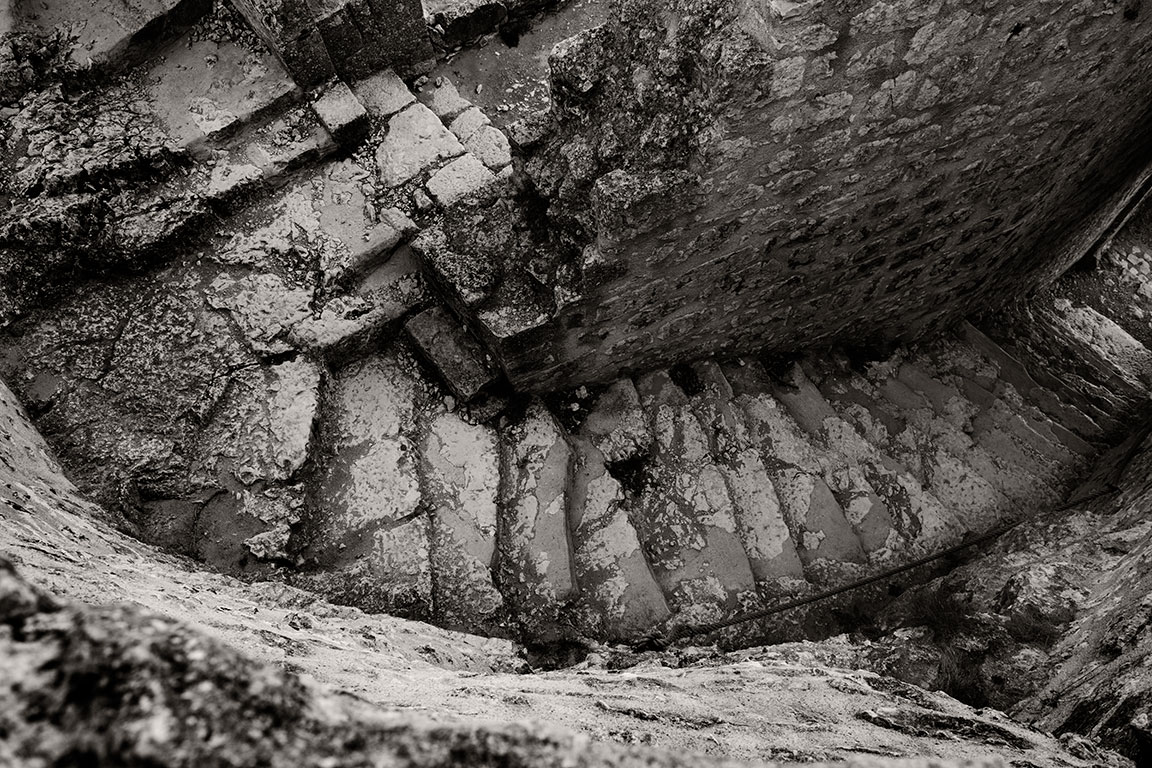
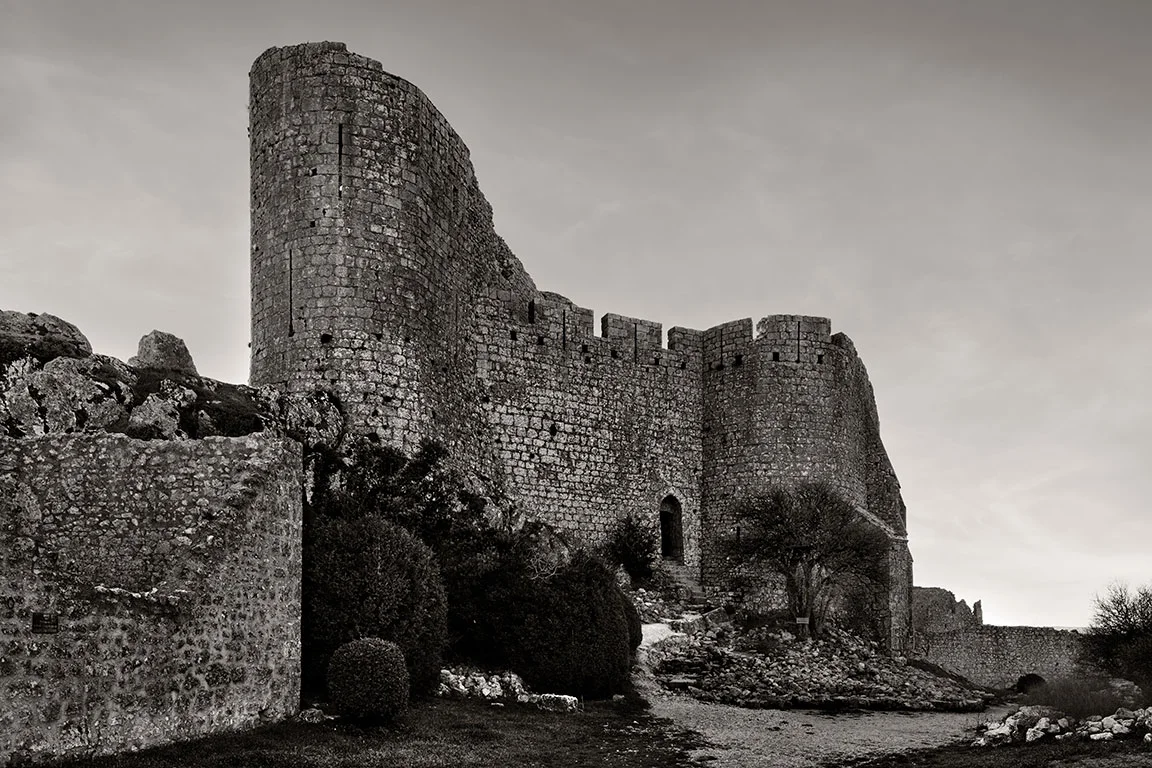
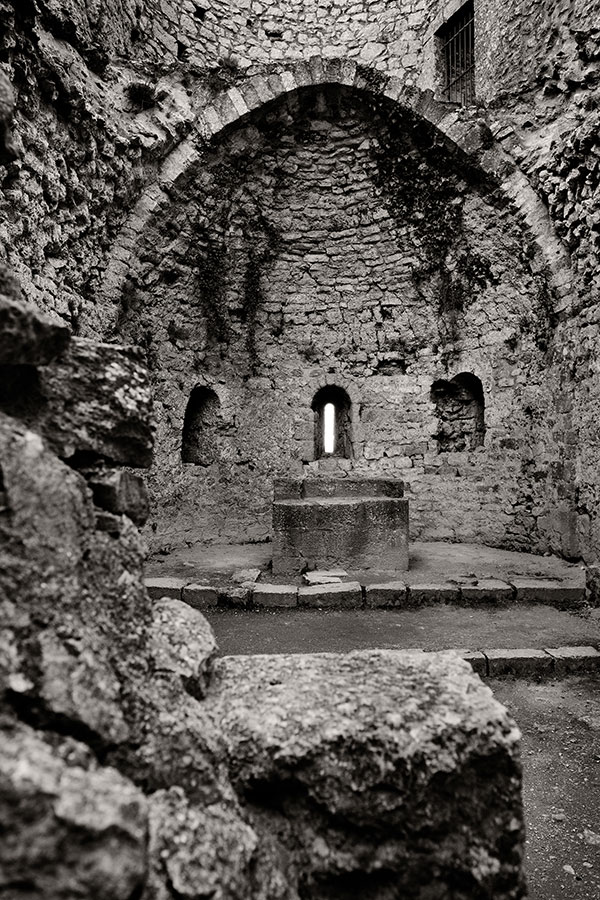
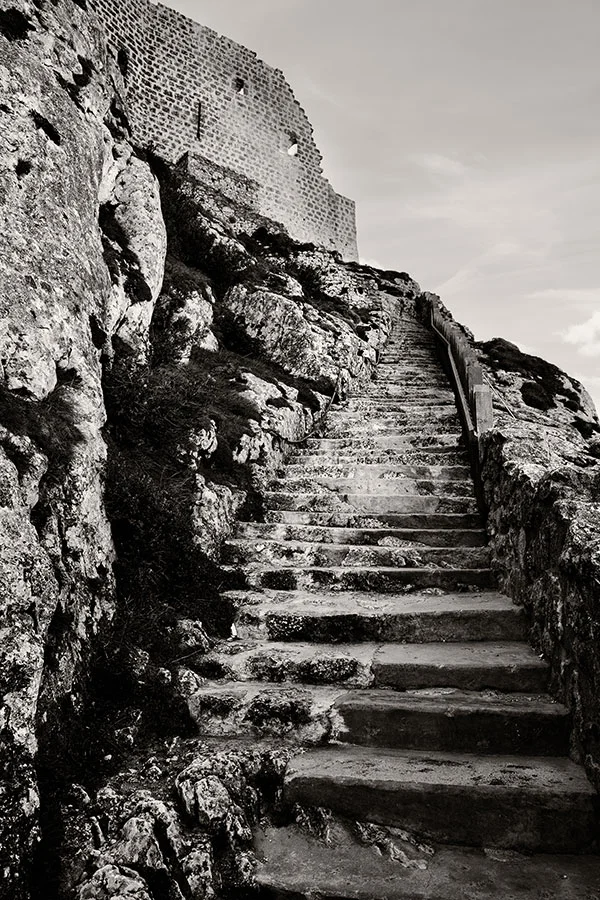
Château de Peyrepertuse
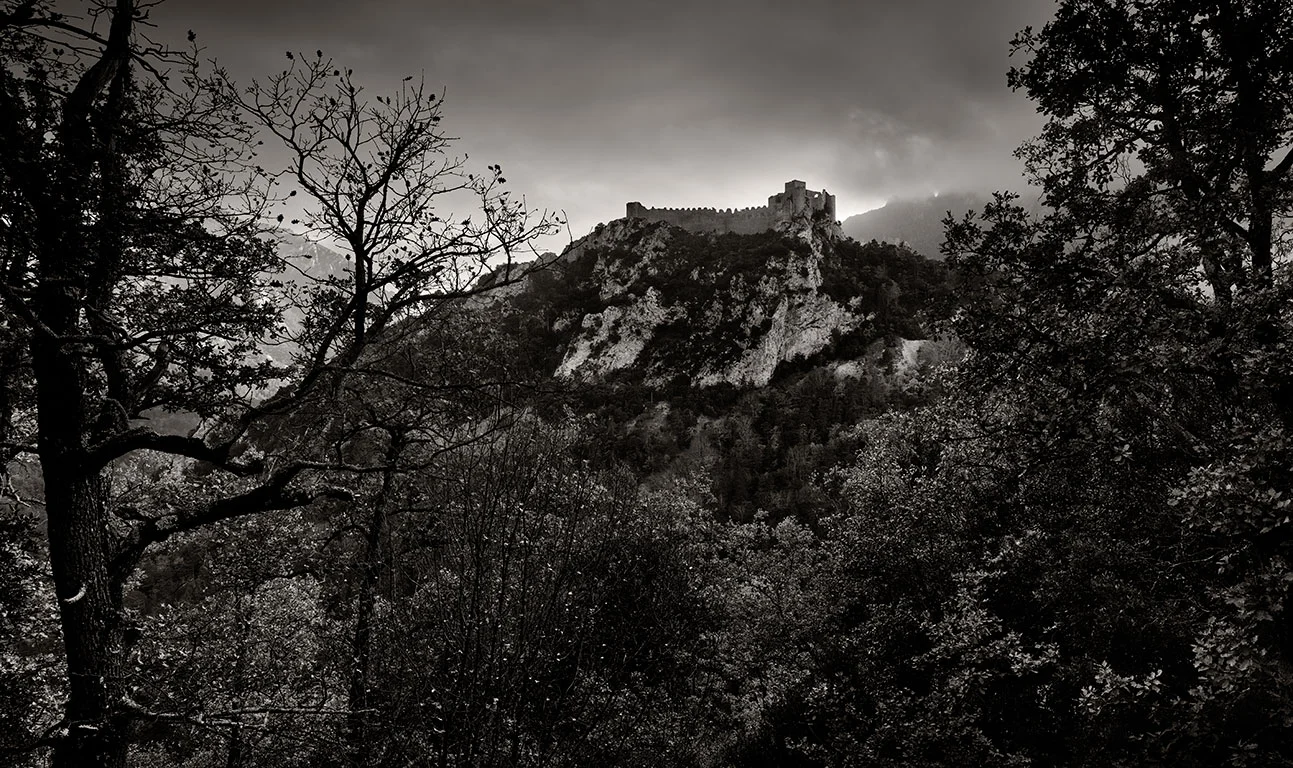
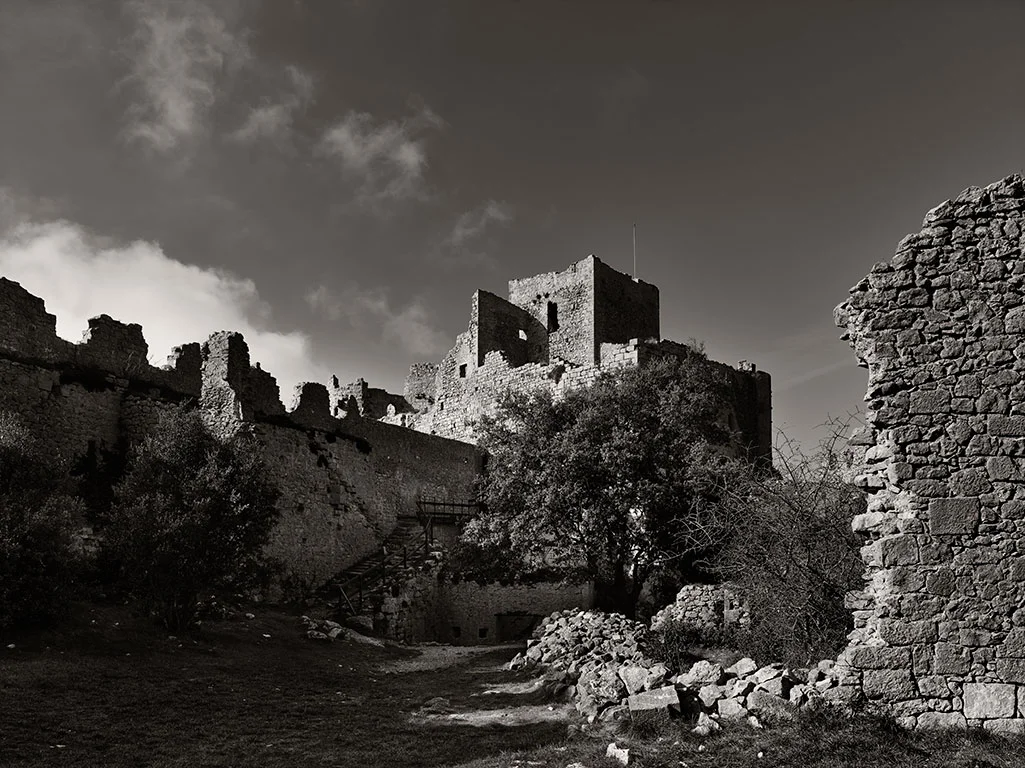
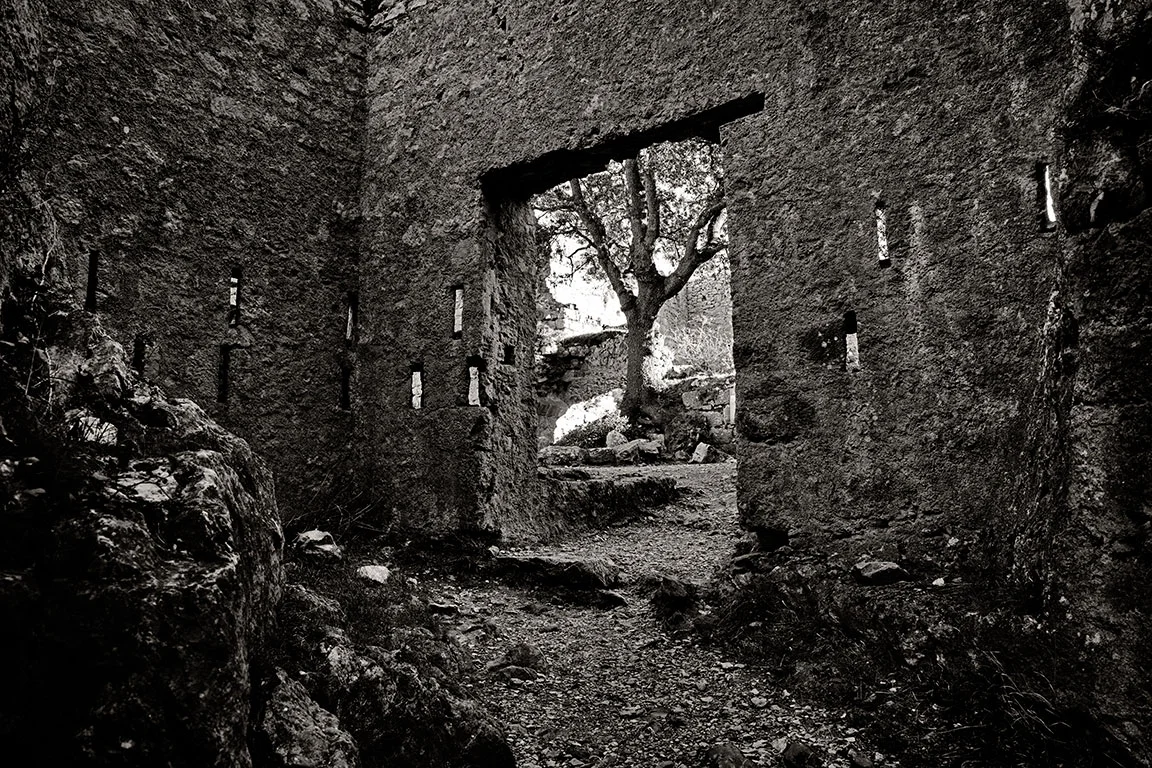
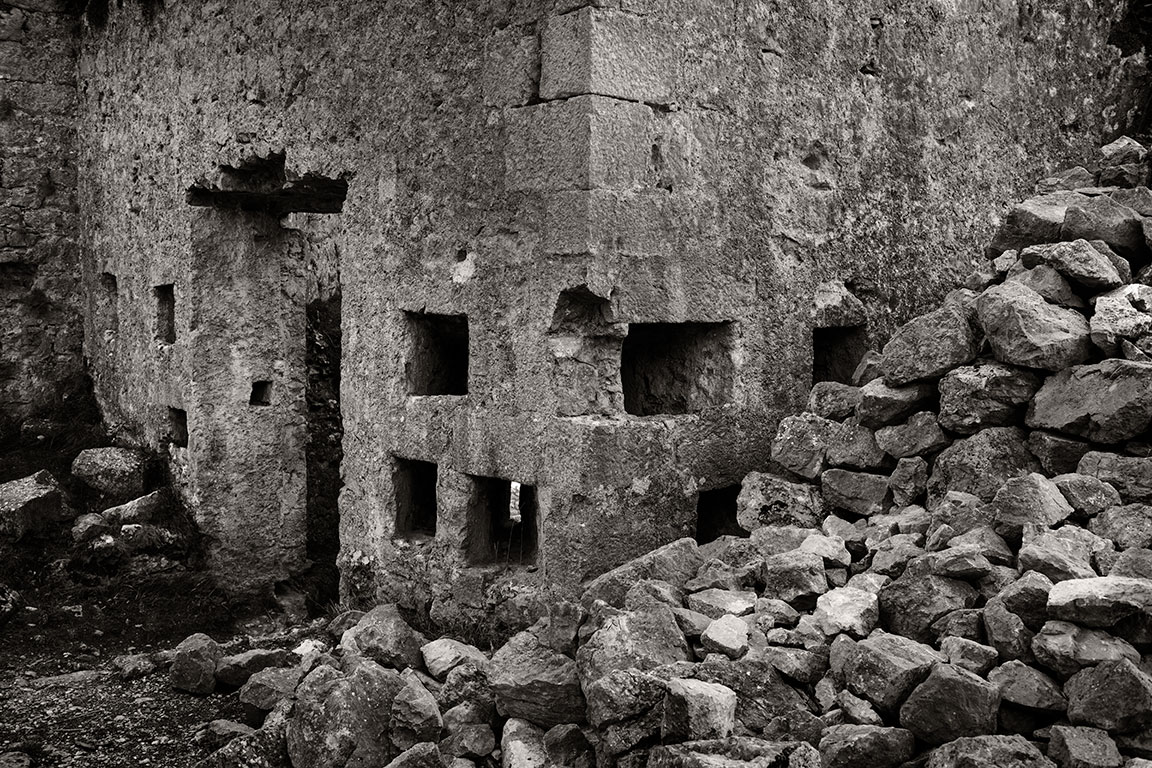
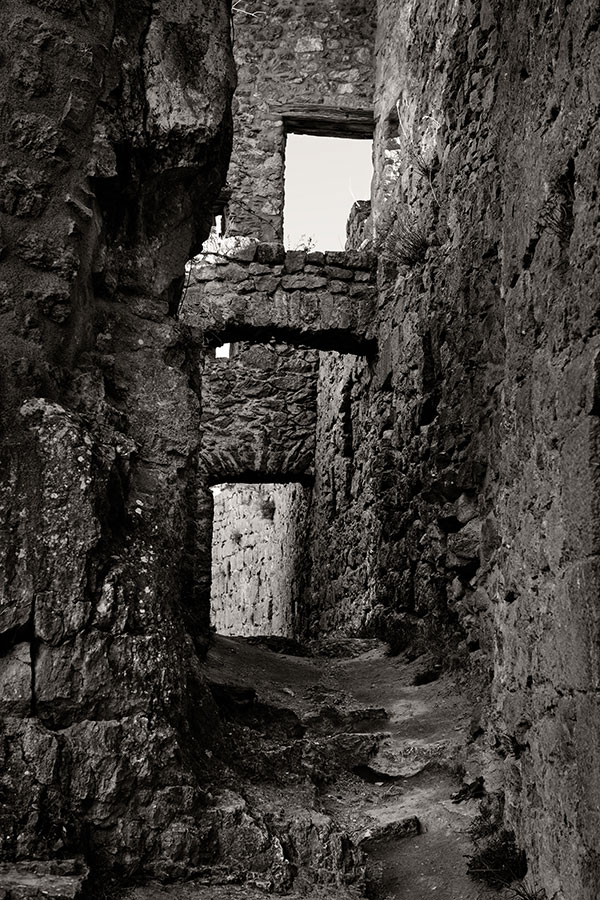
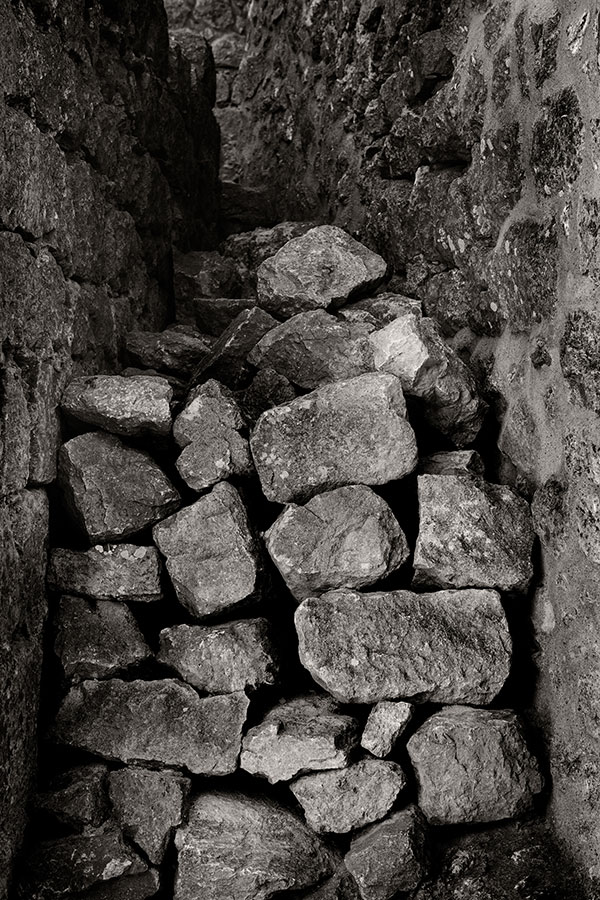
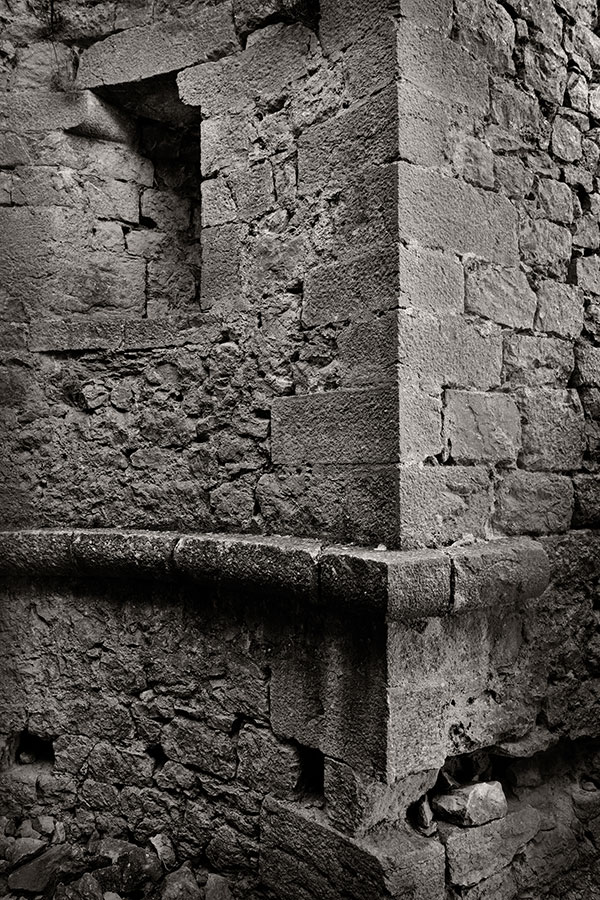
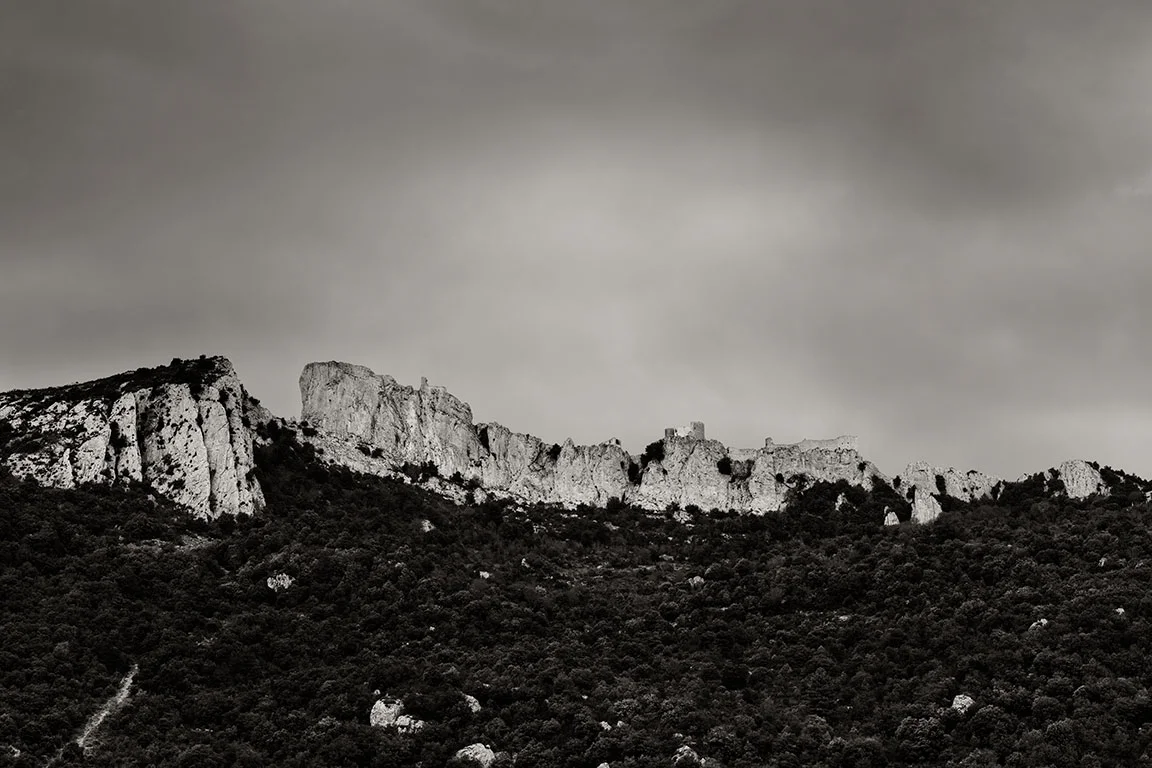
The core region of the Cathars in Languedoc was fought over between France, England and Aragon. Therefore, no strong central power could develop there for a long time – and thus no coordinated persecution of the dissenters. In addition, there were numerous defensive structures in the area, such as Peyrepertuse Castle on its 800-metre-high limestone cliff.
All other series
- Info
- Landscapes
- The Lightworks
- Portraits
- Projects
From here, you can navigate to all the other series.