Berthold Steinhilber Photography

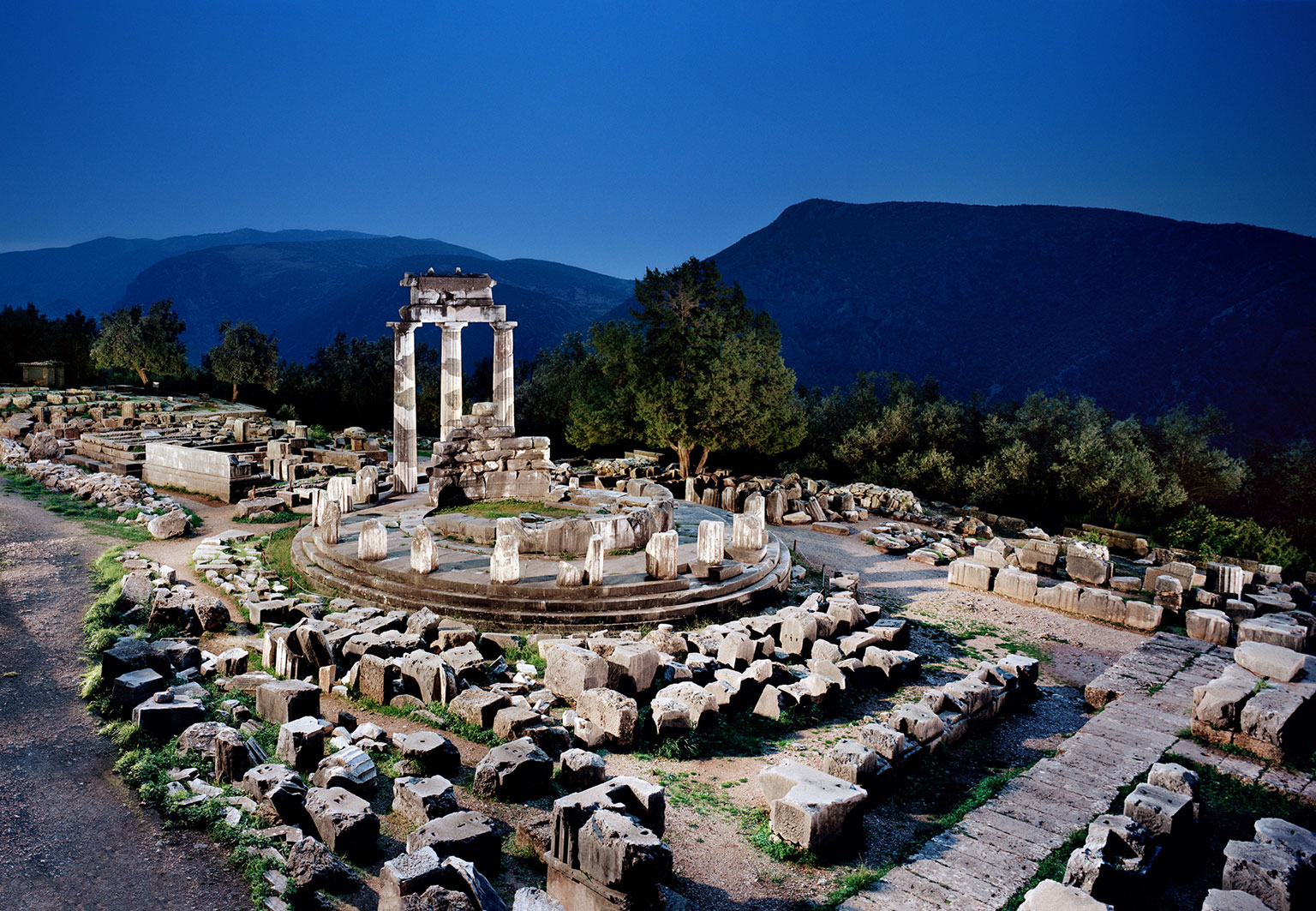
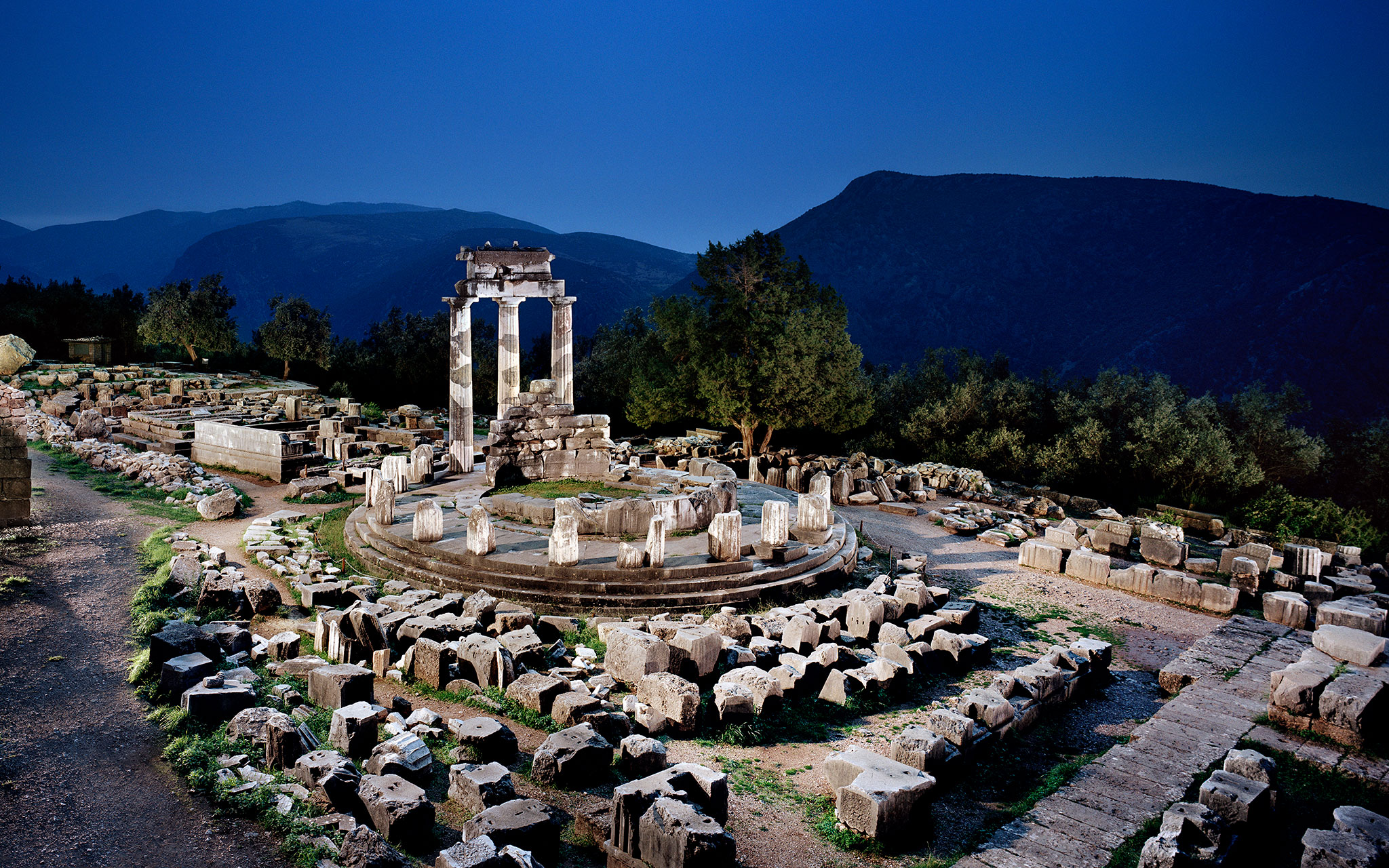
Tholos temple in Delphi

Ancient Greece

Places of Ancient Greece

In Greece and along the coast of the Mediterranean Sea, buildings and their ruins still bear witness to the Greek sense of art, religion, philosophy and politics – the people with whom the history of the occident once began.

For this work I was commissioned by the german magazine GEO and GEO EPOCHE.
The idea was, to show these important cultural sites of the Greek Antiquity in their timeless beauty.

During four journeys to the mainland of Greece, several islands and Italy I photographed the most important greek temples.

I was in the lucky position to stay on the holy island of Delos for two nights, which is usually not allowed. So I was able to get several photographs of nearly all important sites on Delos island. I can recommend everybody to visit this island. Of all sites I’ve photographed this island, Delphi and the theatre of Epidaurus are the most impressive places.
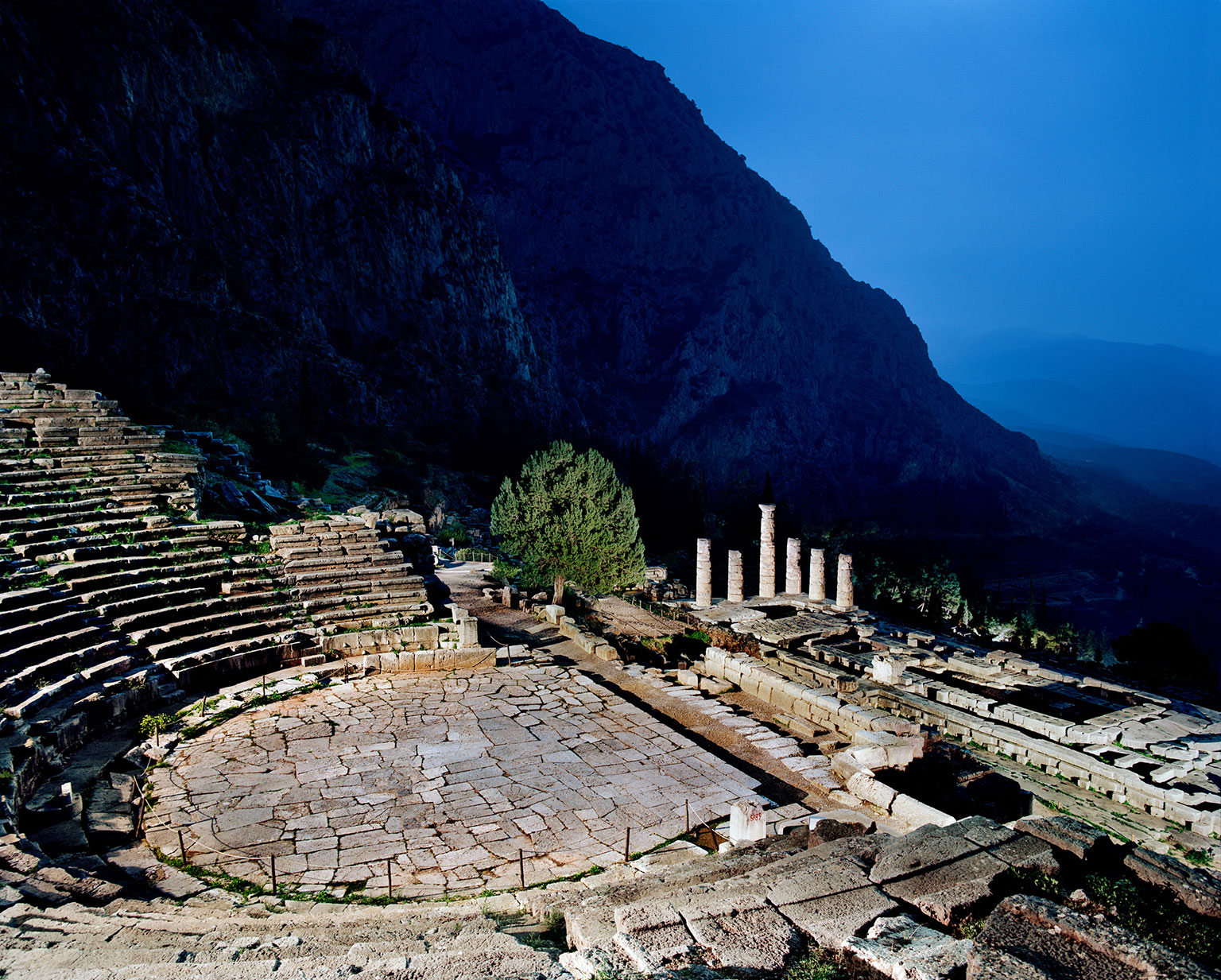
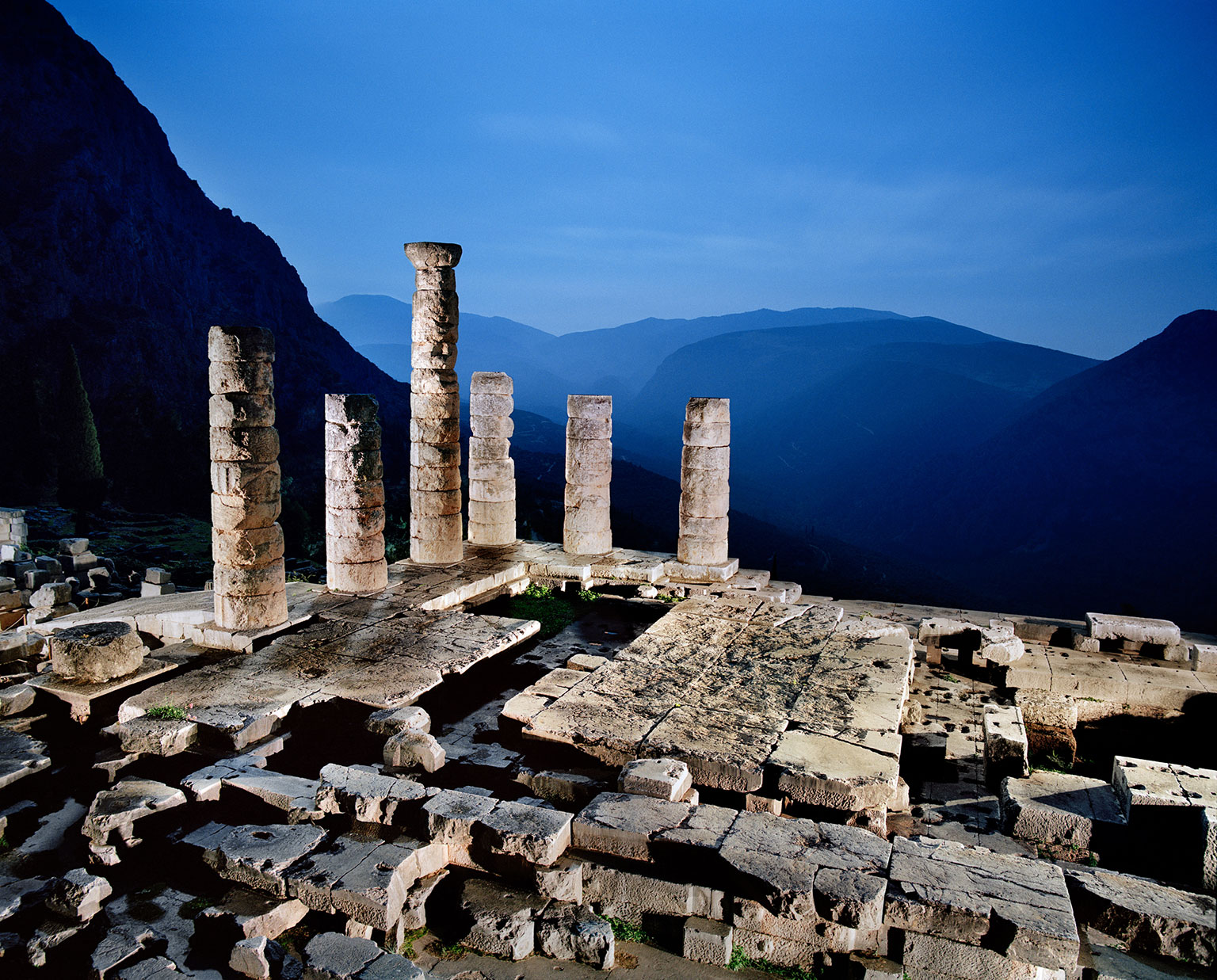
The theatre and the temple of Apollo, Delphi.

Theatre in Delphi

The theatre of ancient Delphi from the 4th century BC is located above the temple of Apollo. Delphi was considered the centre of the world in ancient Greece and is located on the southwest side of Mount Parnassus – the mountain of art and the Muses.

Ancient Delphi, the temple of Apollo, centre of the Delphic oracle and seat of Pythia.

Apollo Temple and Oracle of Delphi

Oracle of Delphi. In the sanctuary of Apollo at Delphi sat the Pythia: a priestess shrouded in the vapours of the underworld, intoxicated by the god, who gave ambiguous answers to those seeking advice – and thus influenced wars and sometimes even the fate of entire empires.

The Tholos. Sanctuary of Athena Pronaia, Delphi.

Tholos Temple inDelphi

The tholos, a round temple, still bears witness to the importance of Delphi. In the sanctuary of the city, citizens and envoys from many city states waited for an answer from the oracle.

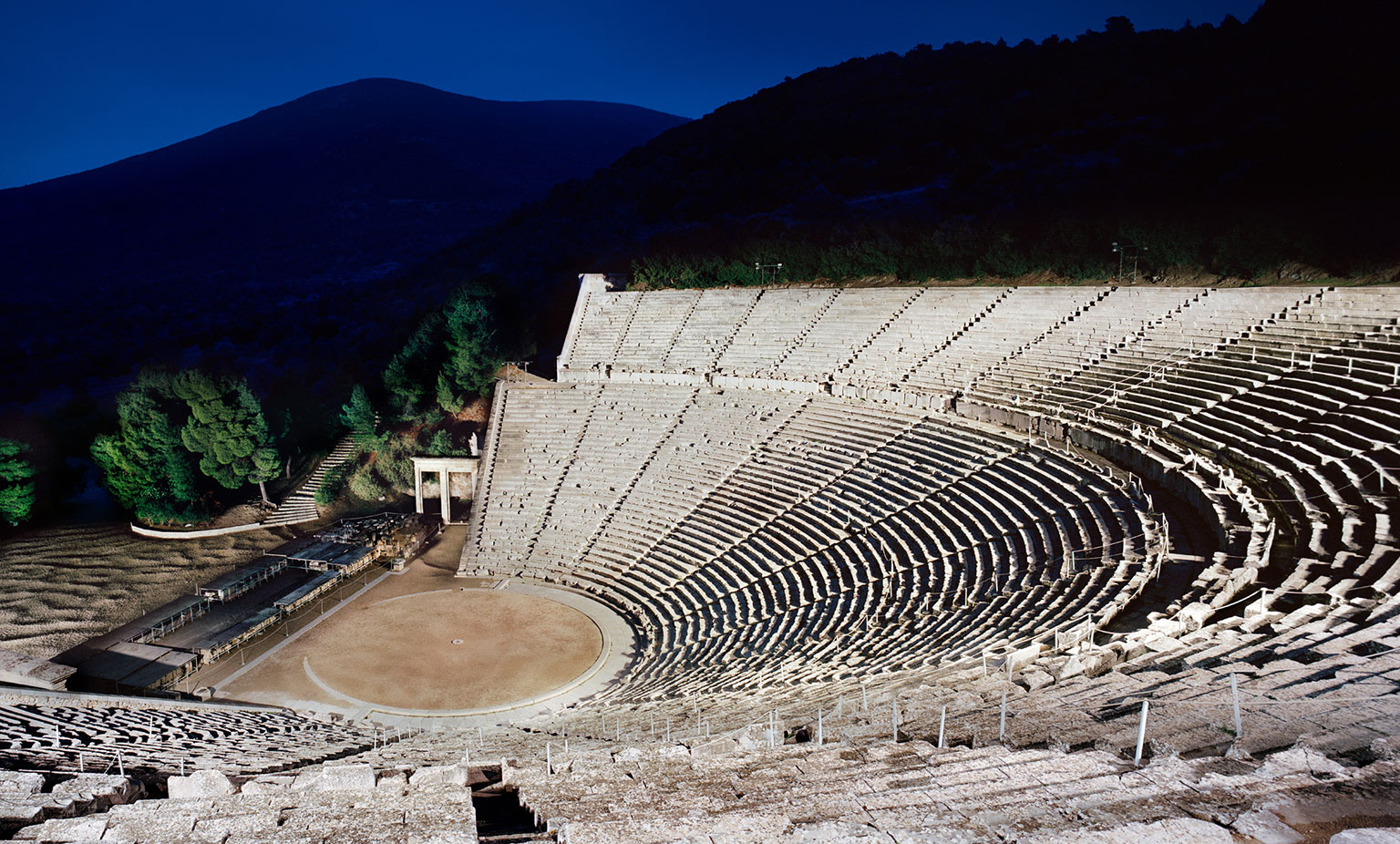
Ancient Theatre of Epidaurus

Ancient Theatre of Epidaurus

The theatre of Epidauros, which seats 15,000 spectators, is one of the largest in antiquity and the best preserved. Attending tragedies and comedies was compulsory for citizens in the cities where democracy was developing. The plays depicted the conflicts of the new era: People who were no longer subject to despots learned here that freedom of choice can also have terrible consequences.
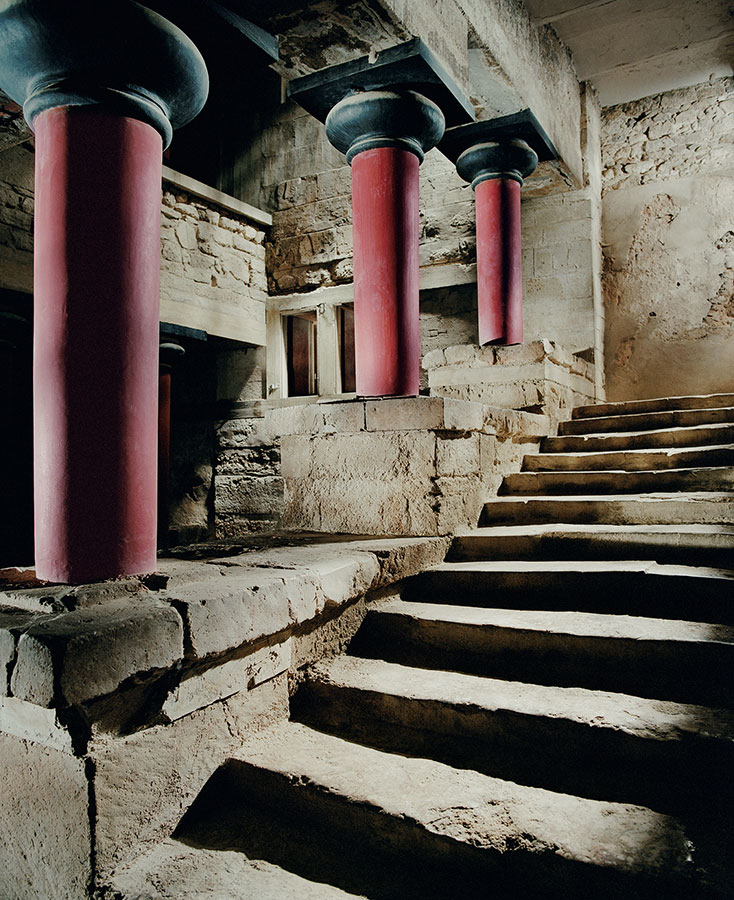
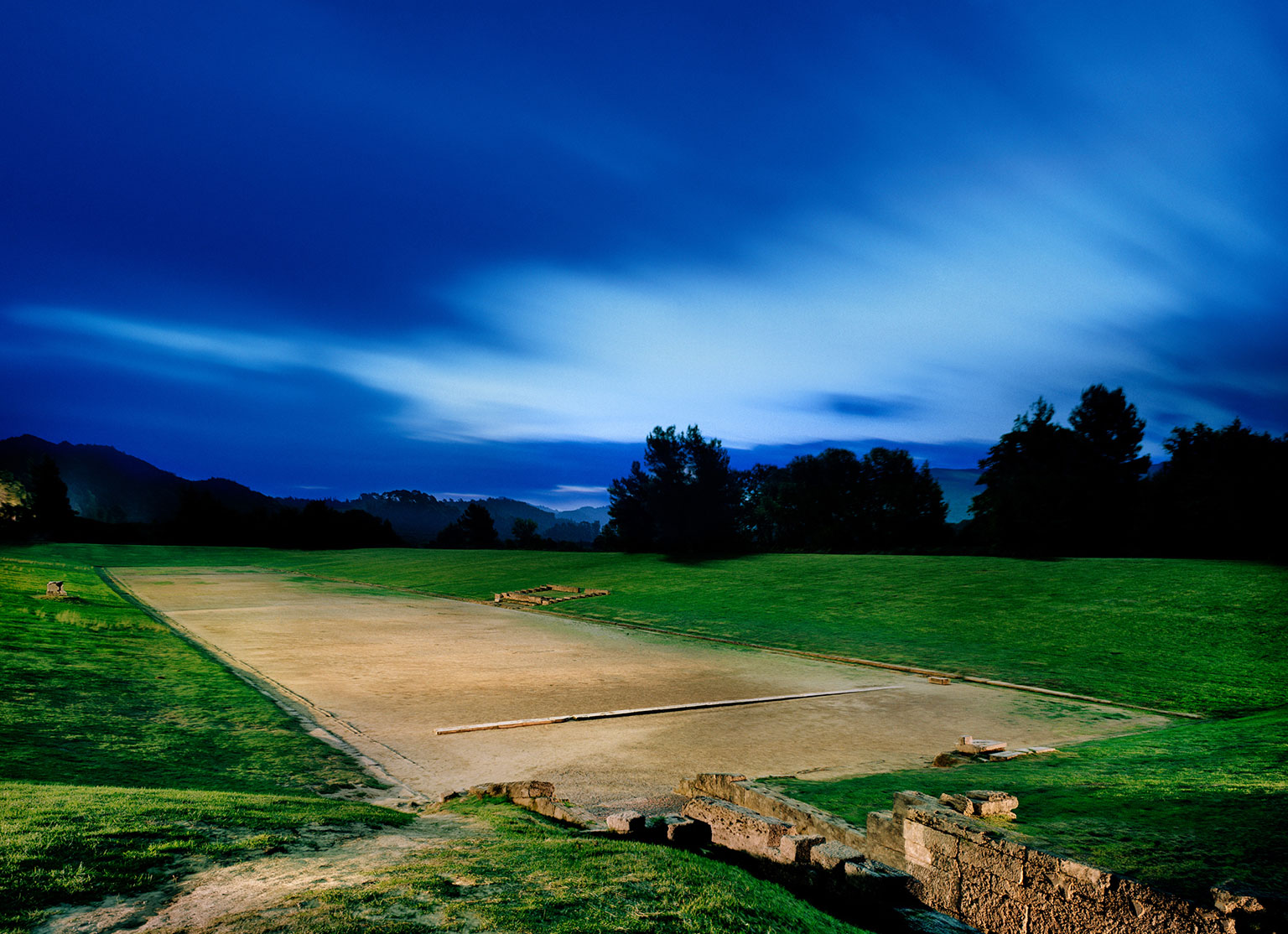
Ancient Olympia. The original Olympia Stadium.

The original Olympia Stadium in Olympia

The mother of all stadiums: the original Olympia Stadium from the 5th century B.C. The stone platform on the right was for the judges. A stadium was originally a length measure of 600 feet (approx. 183 metres).
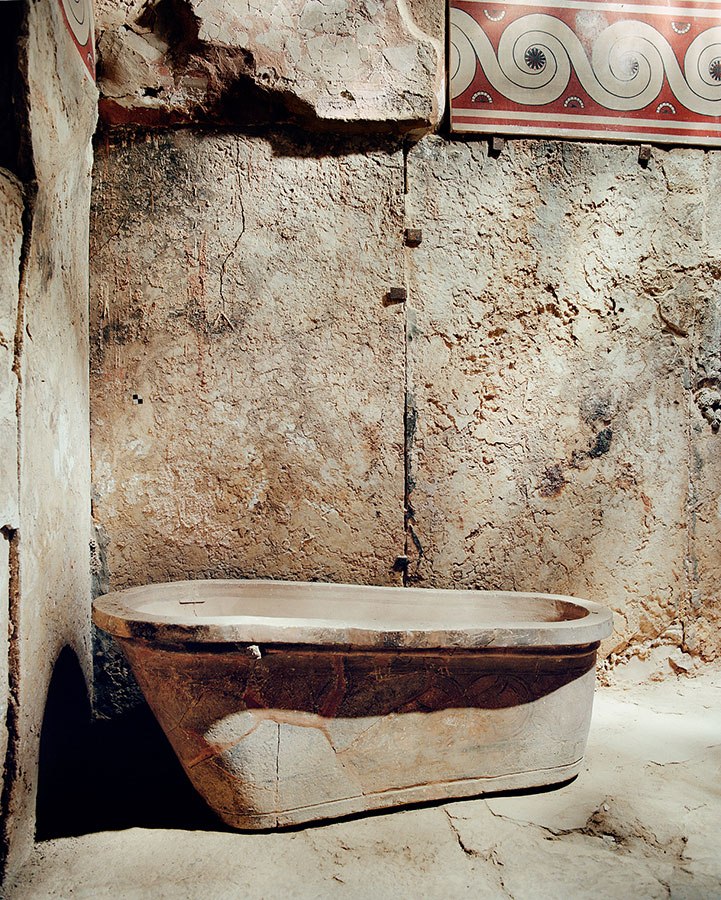
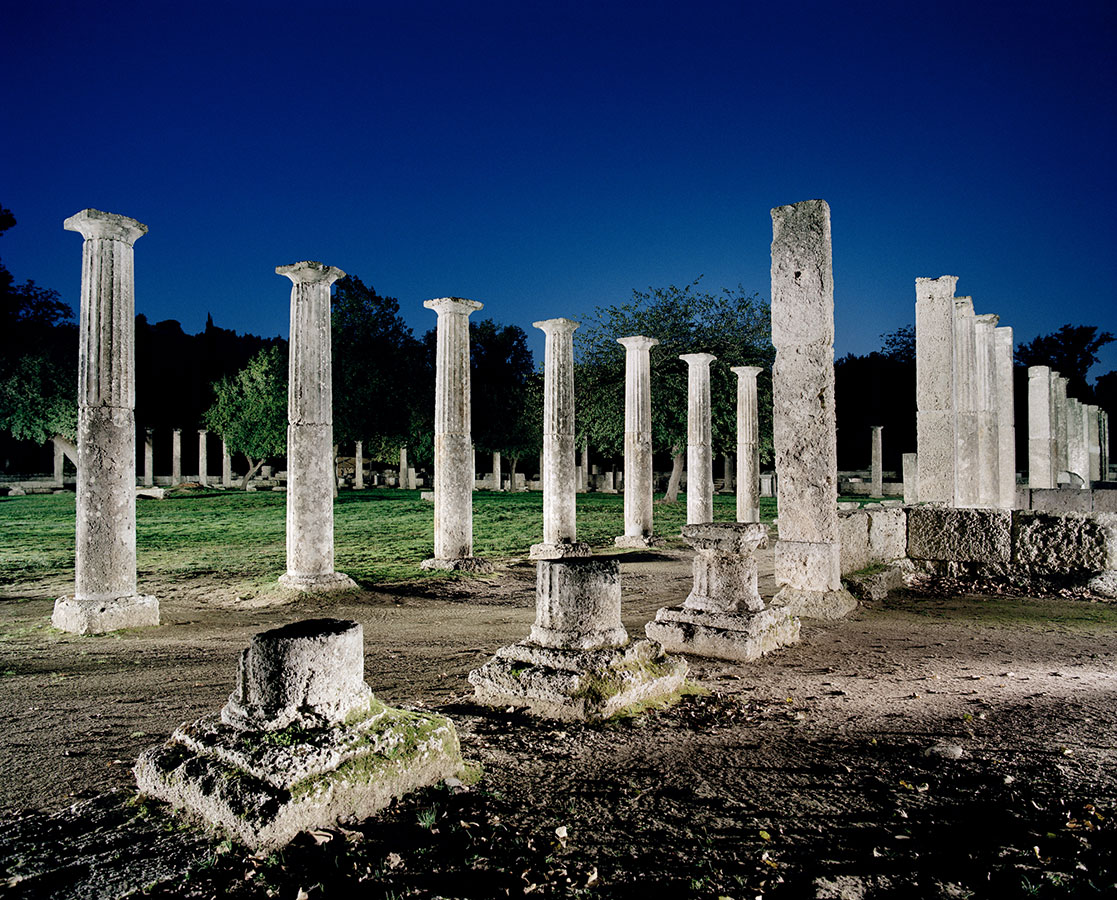
Ancient Olympia., the Palaestra.
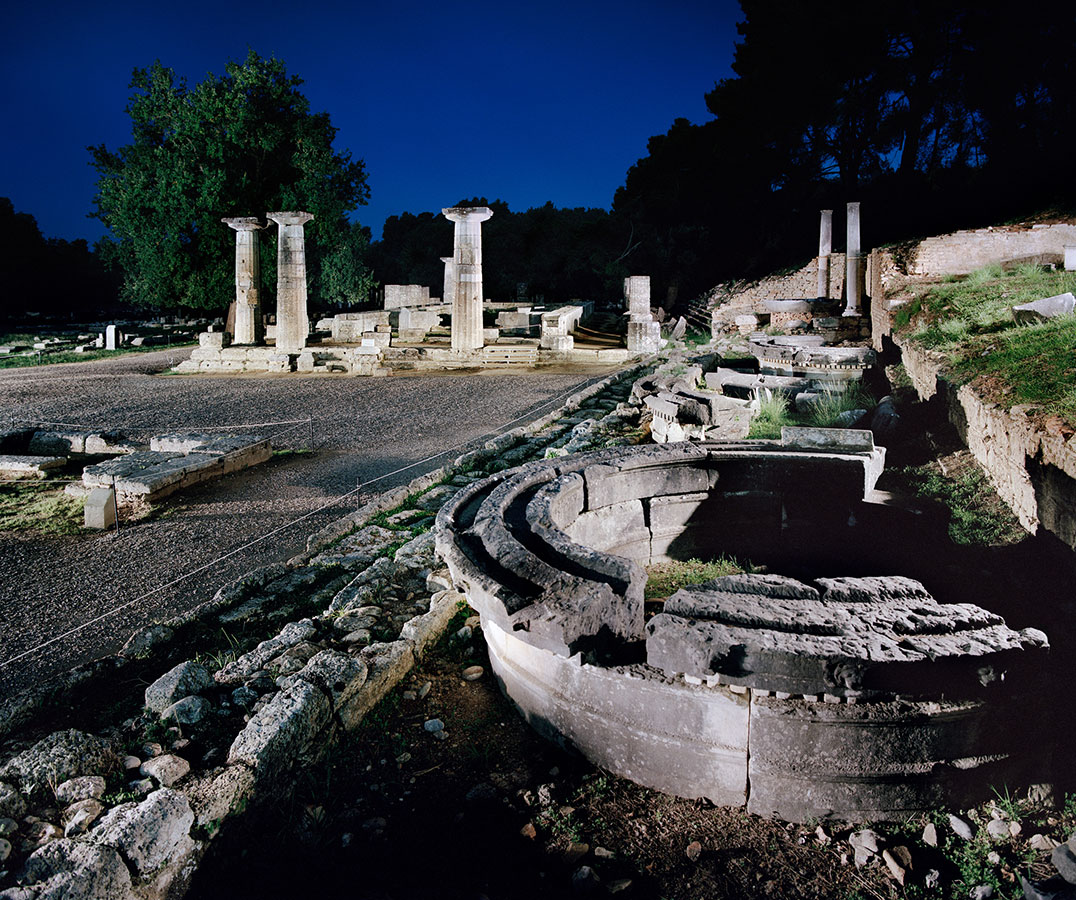
Ancient Olympia., temple of Hera.
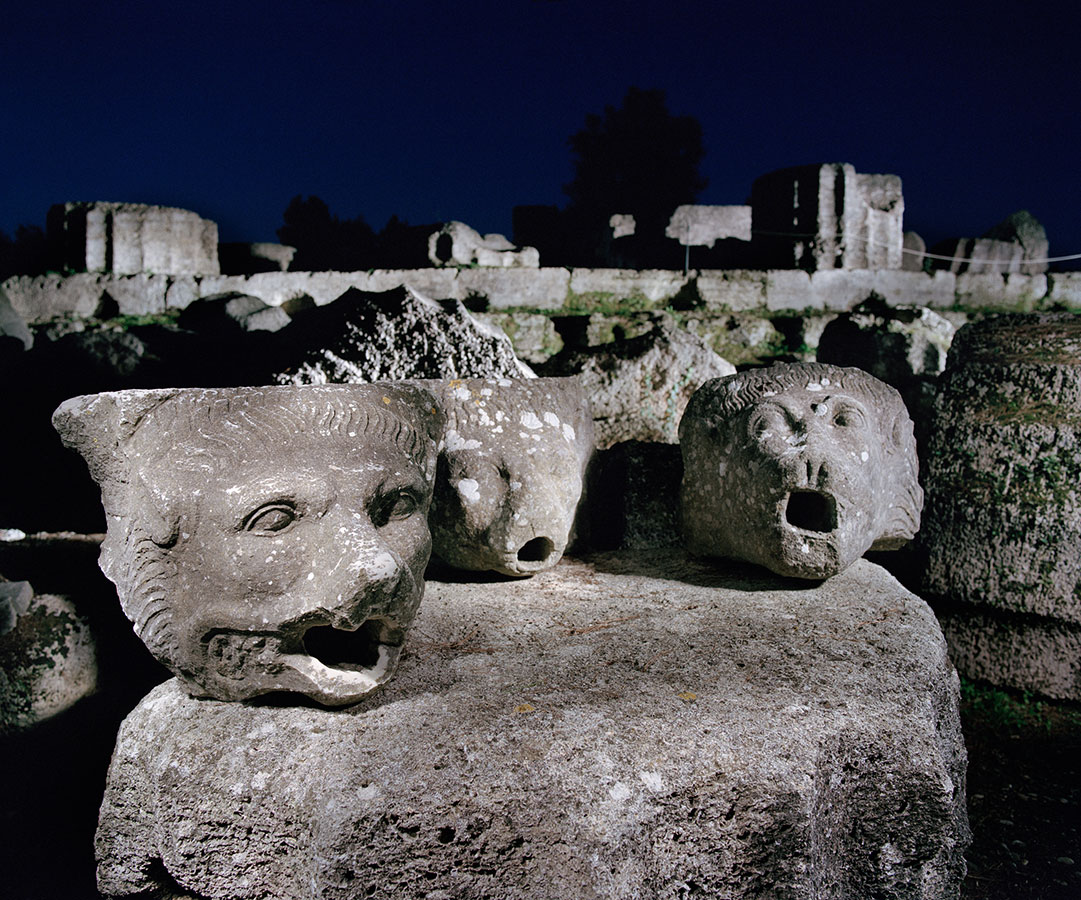
Ancient Olympia. Lion heads, once part of the Temple of Zeus.
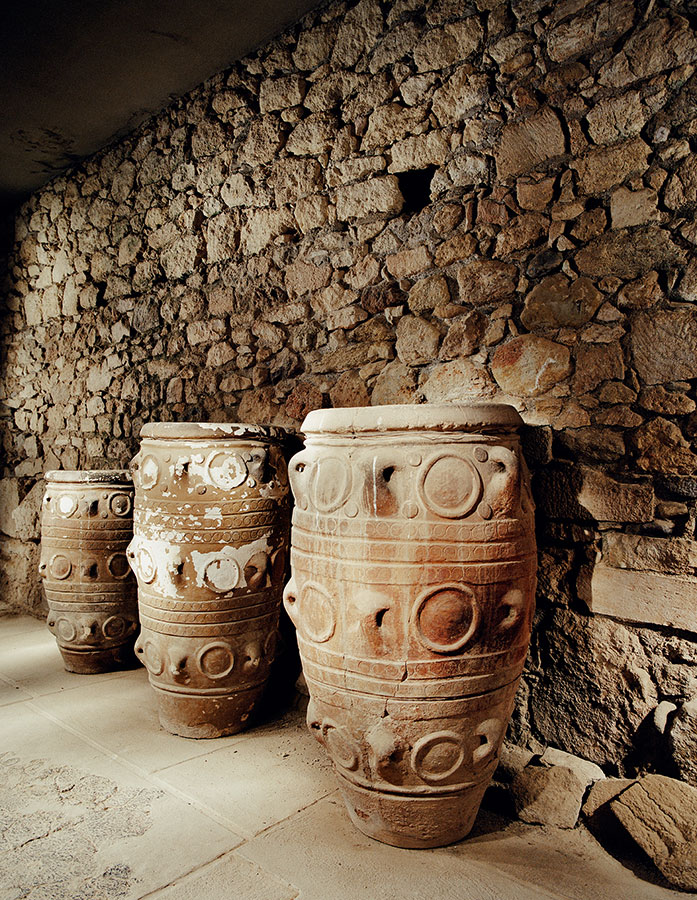
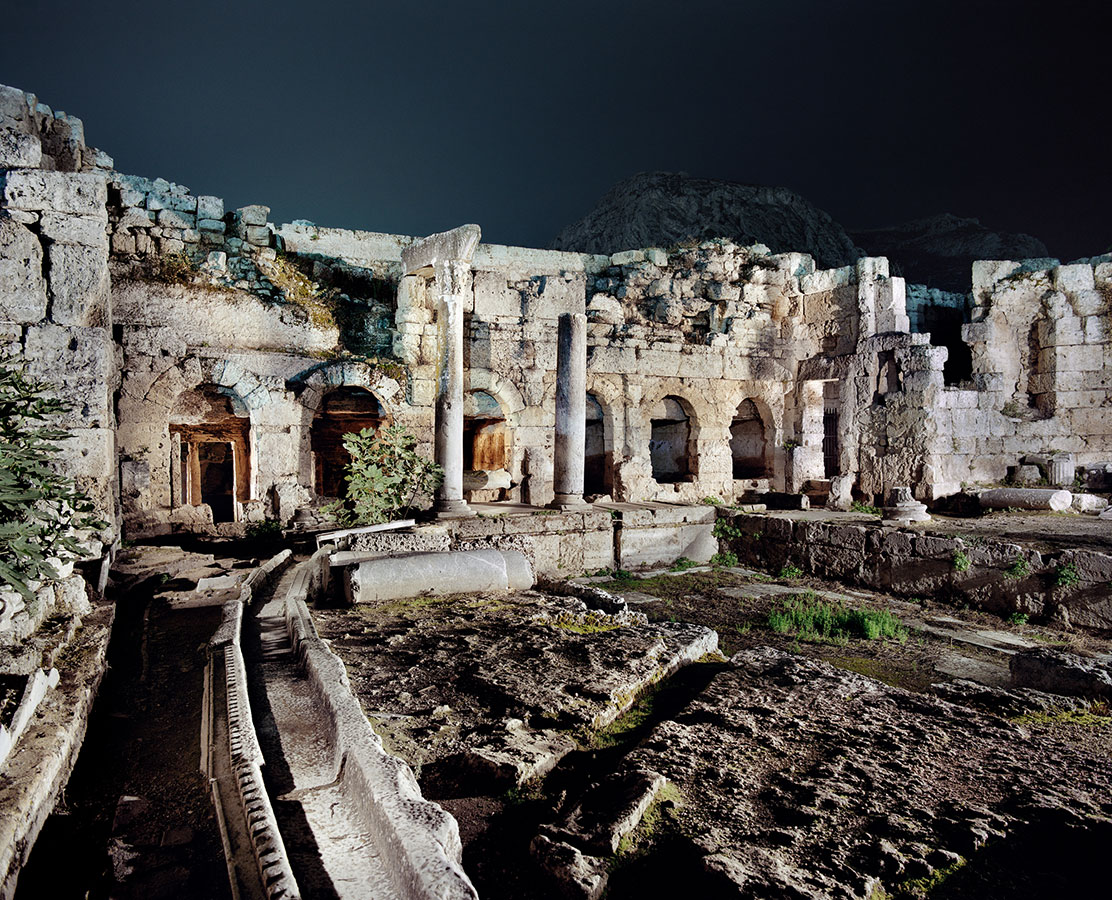
Ancient Corinth., the Peirene Fountain.
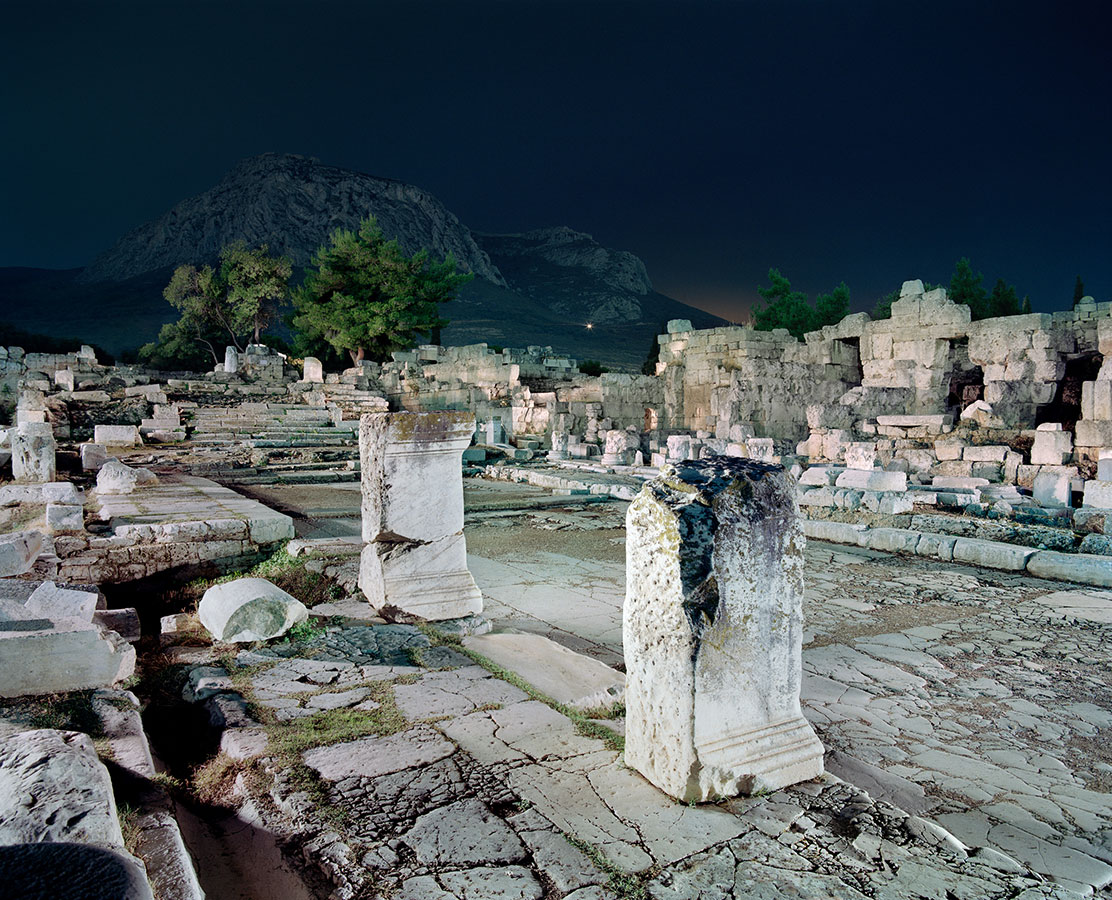
Ancient Corinth, the Lechaion Road.
Ancient Olympia. The workshop of the artist Pheidias.

Ancient Corinth

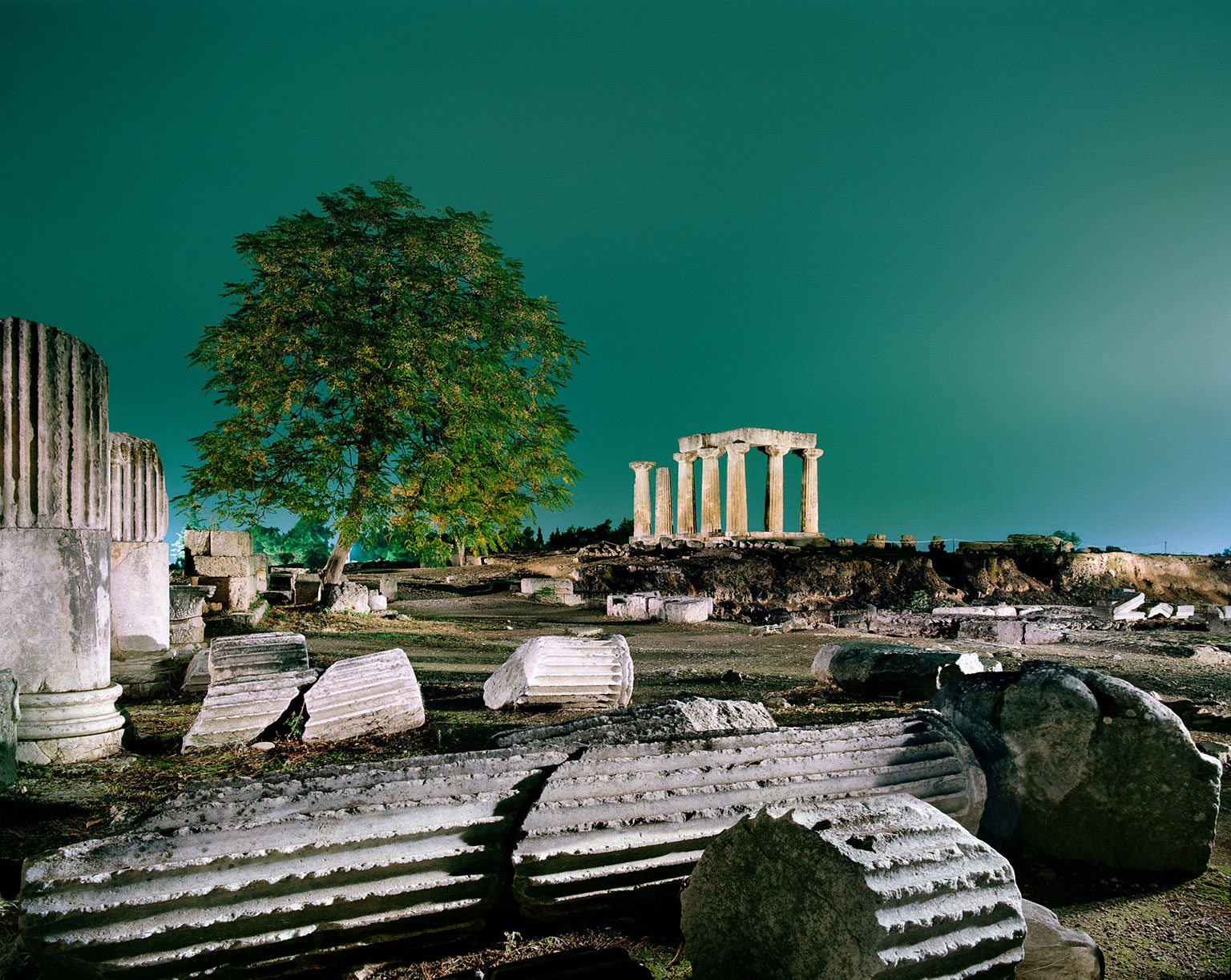
Apollon temple.

Delos Island

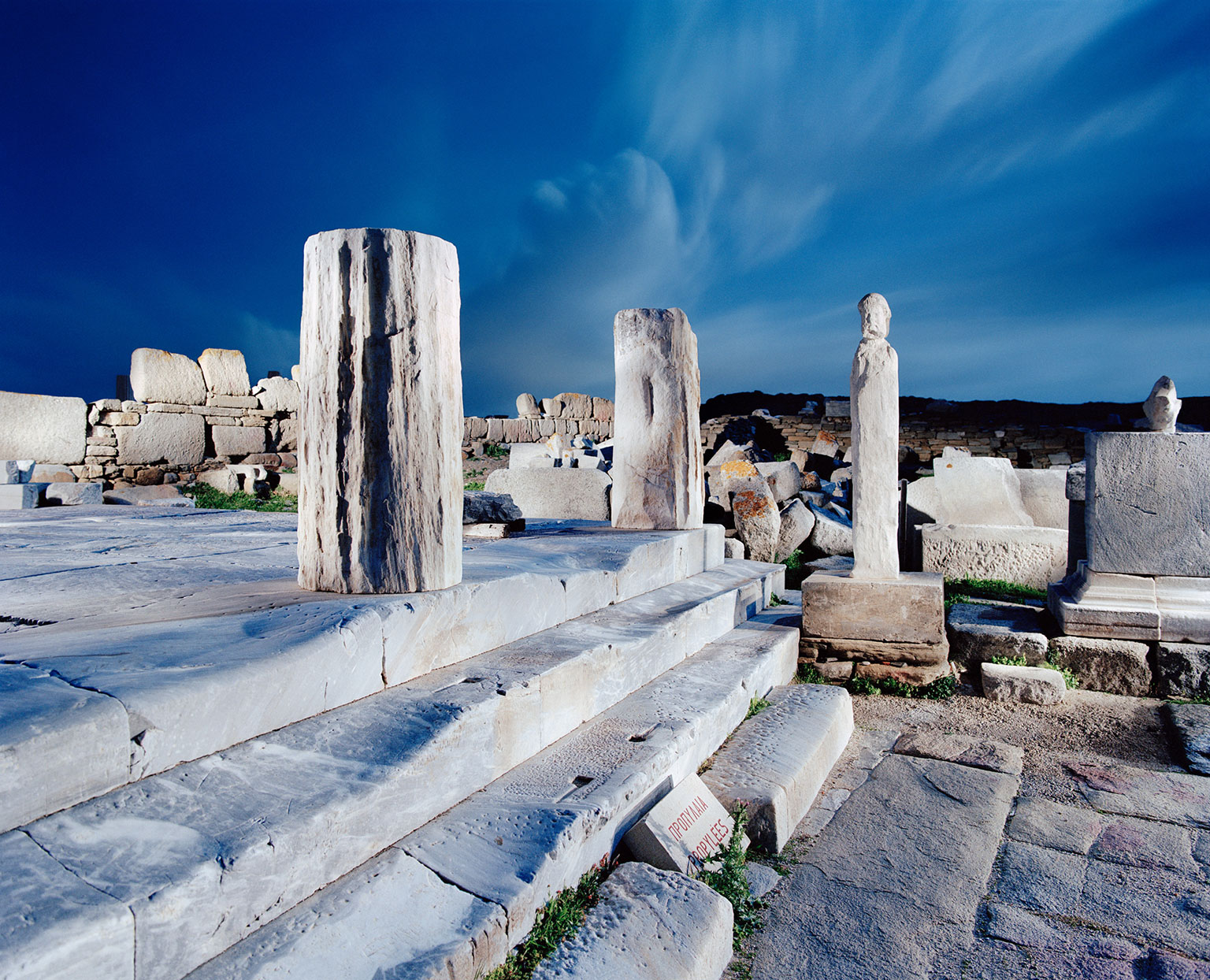
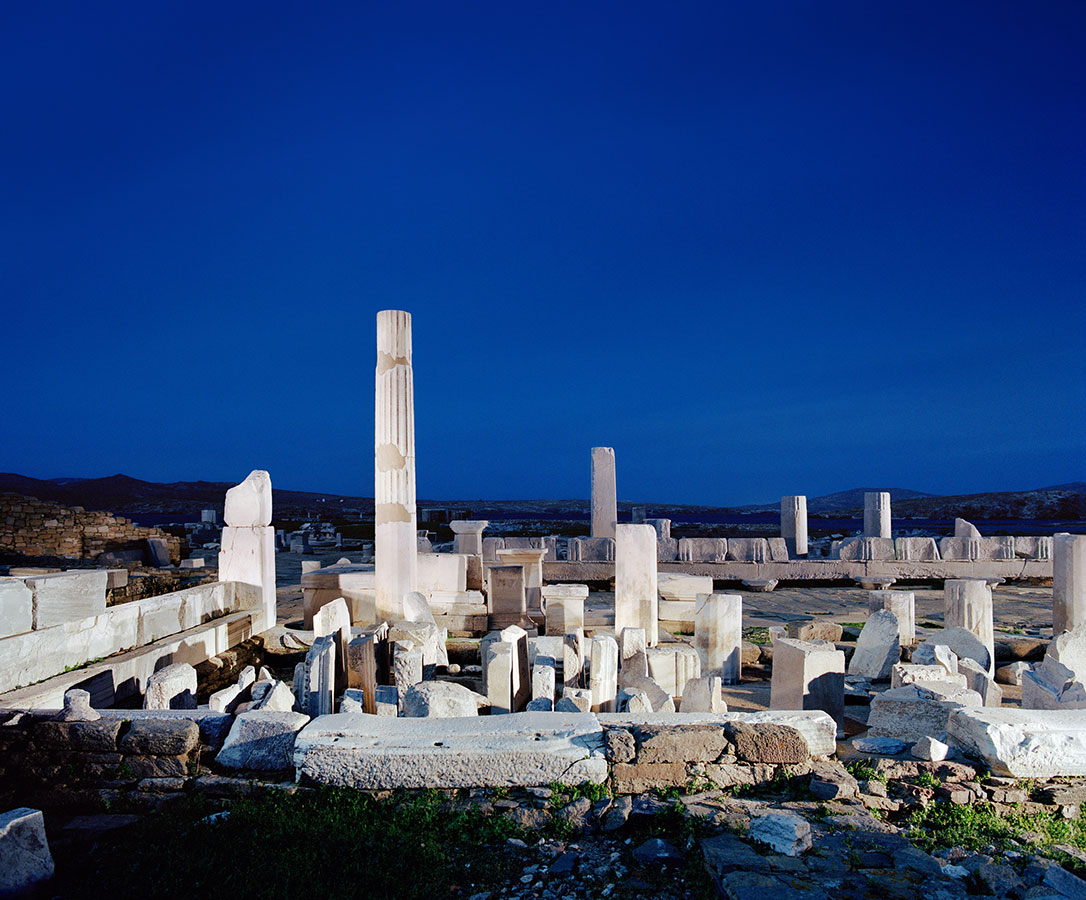
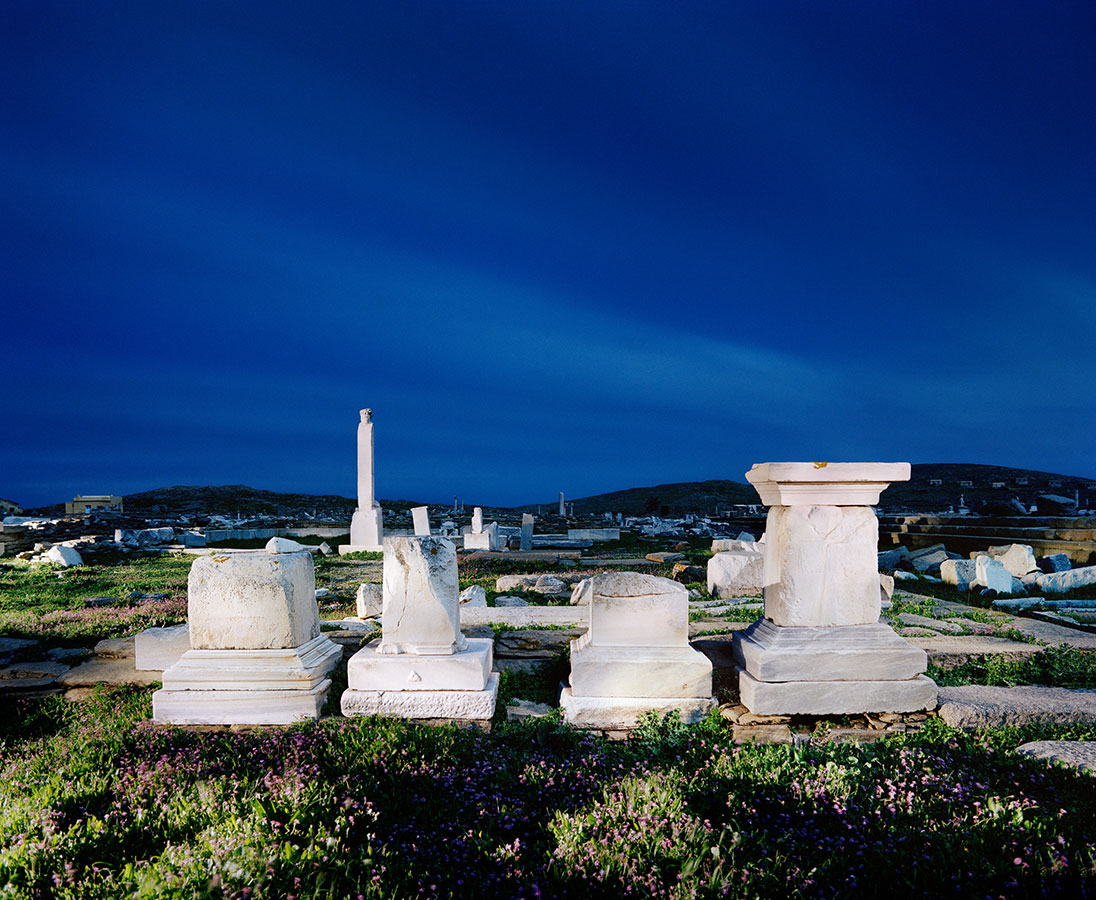
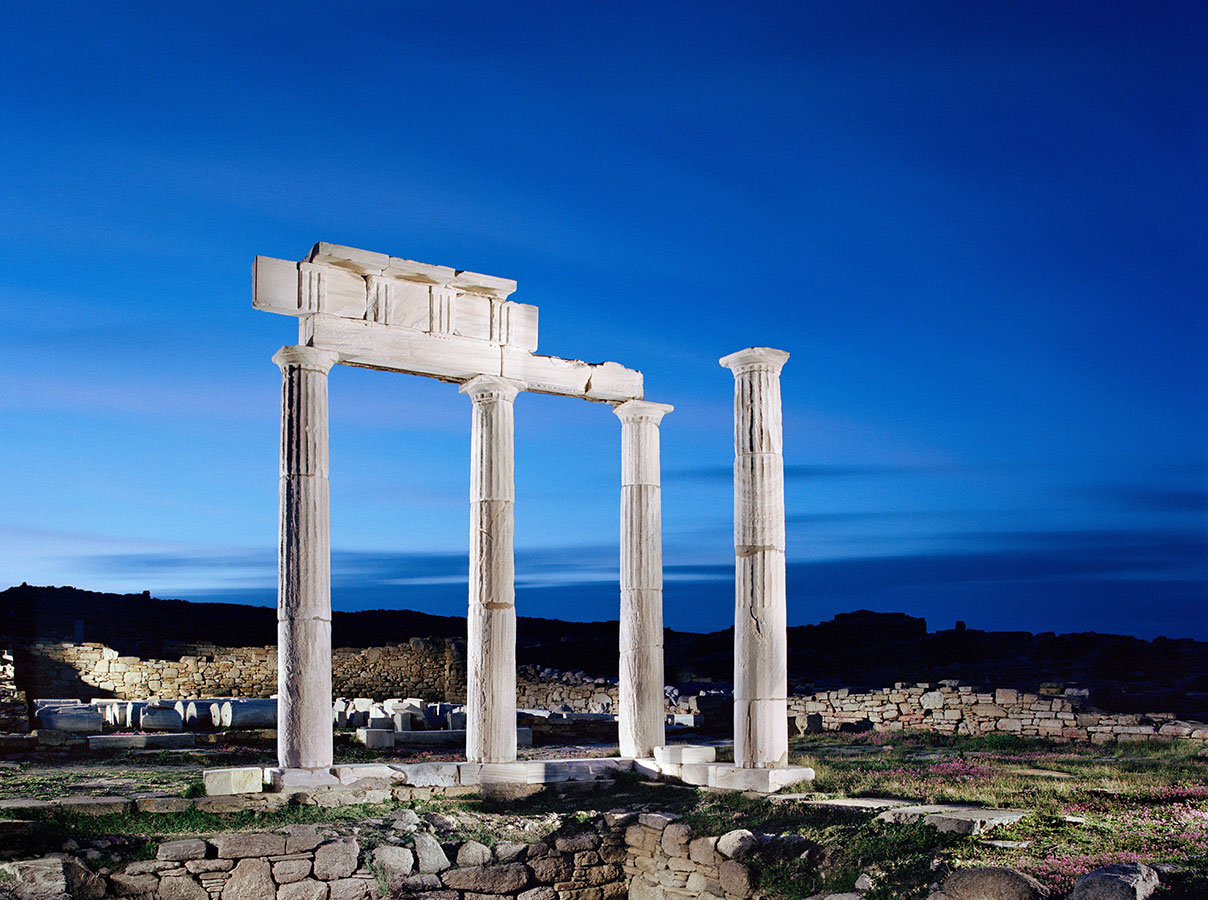
The holy island of Delos in the middle of the Cyclades is the birthplace of the gods Apollo and his twin sister Artemis and was an important trading centre for the Greeks in the Mediterranean.

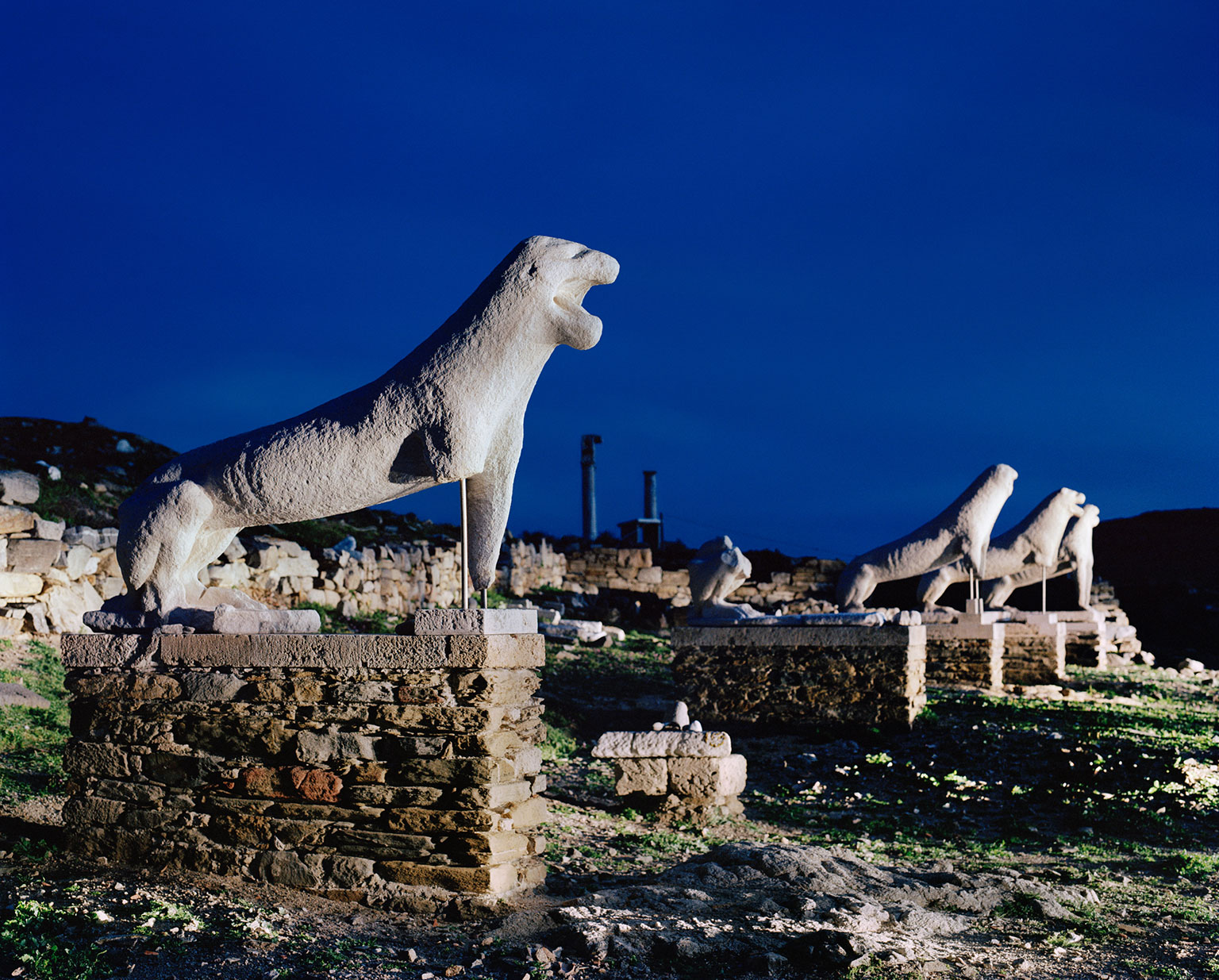
Terrace of the Lions on the holy island of Delos.

Terrace of the lions

Over 2600 years old are the lions carved from Naxian marble that once guarded the sacred lake, the birthplace of Apollo.

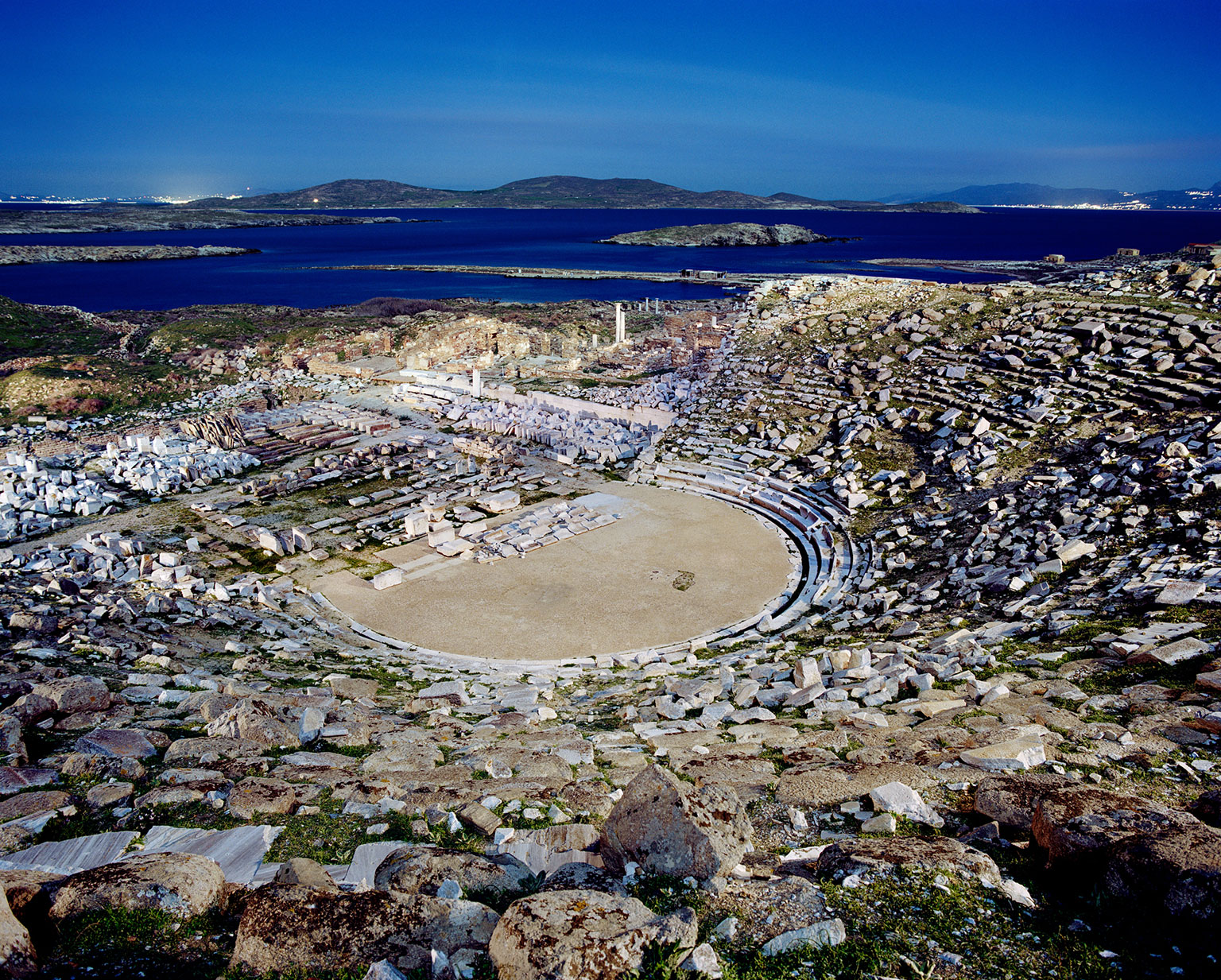
The theatre of Delos.

Theatre of Delos

Entrance to the temple of Apollo from the sacred way, Delos Island.
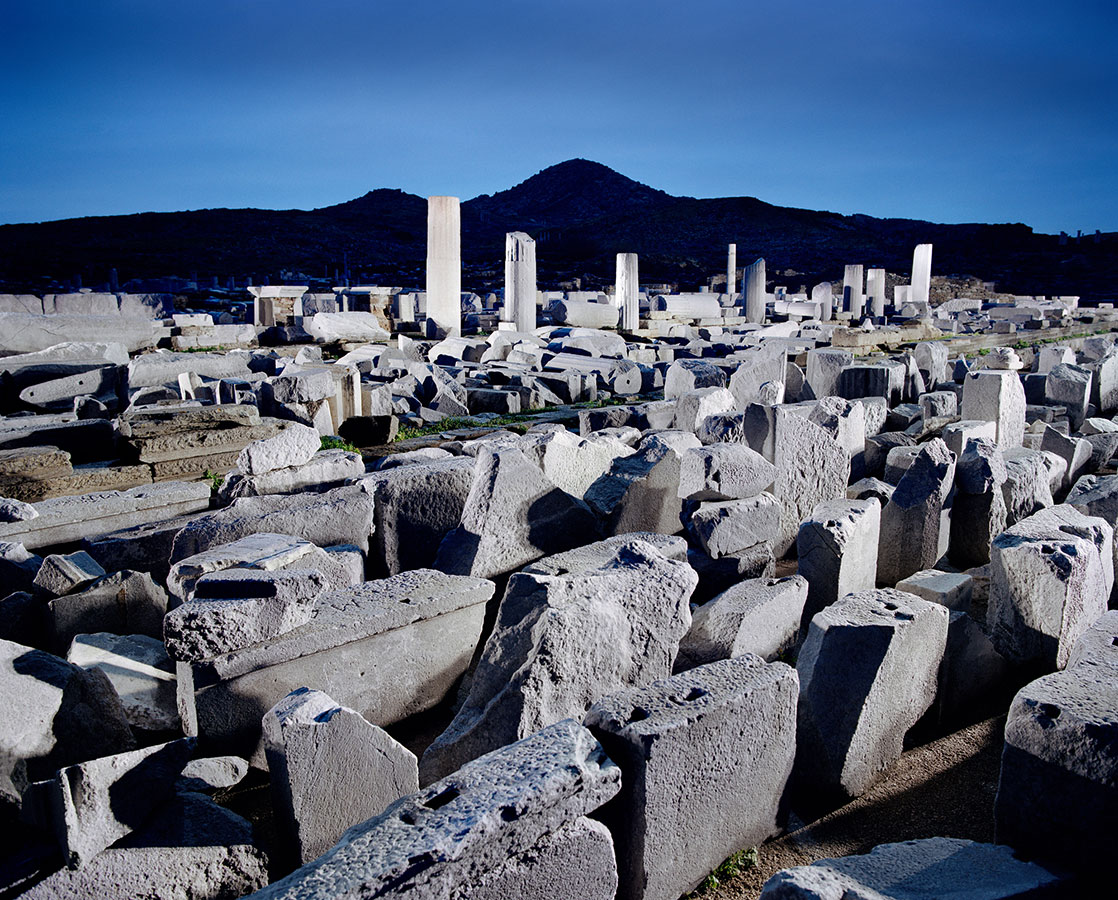
Delos Island, archeological findings along the sacred way.
Delos Island, Prytaneion
Delos Island, columns of the house of the Poseidoniasts.
Delos Island, tthe sacred way.
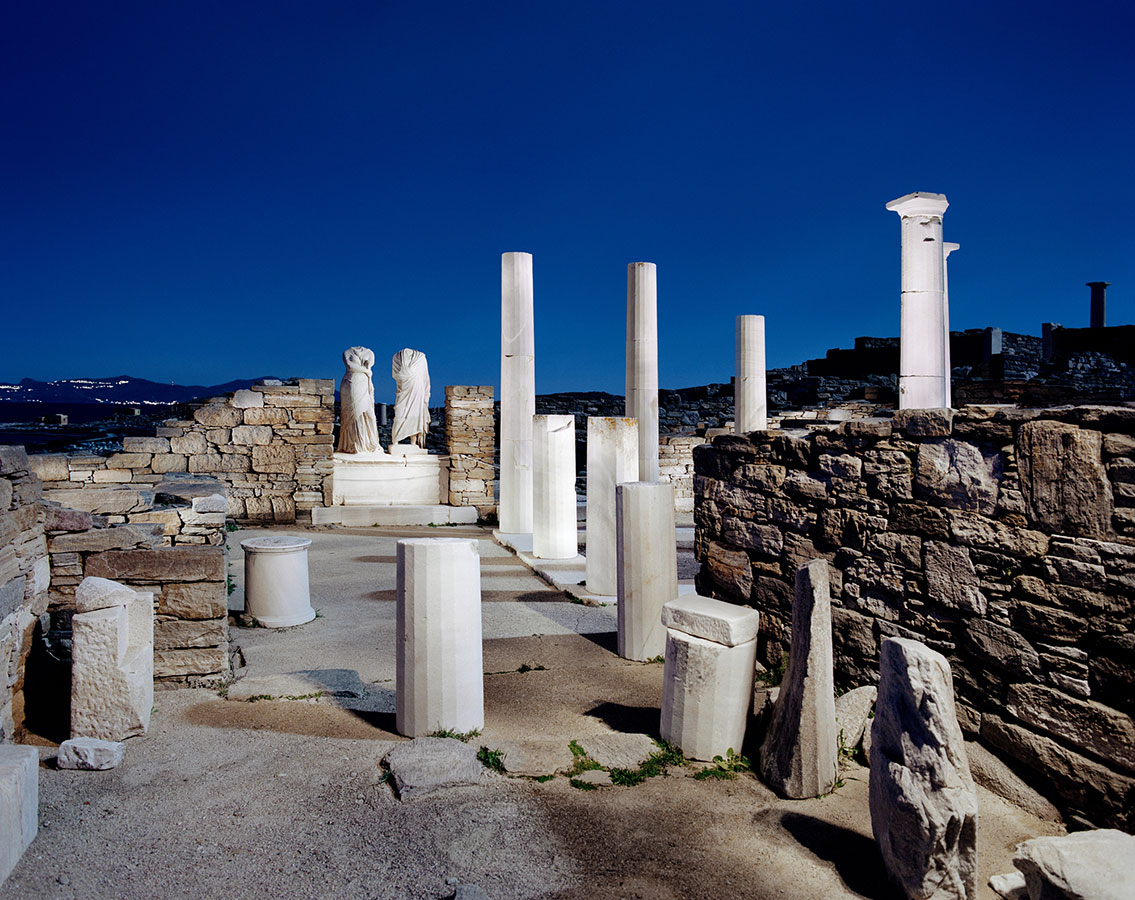
Delos Island, house of Cleopatra and Dioskourides.
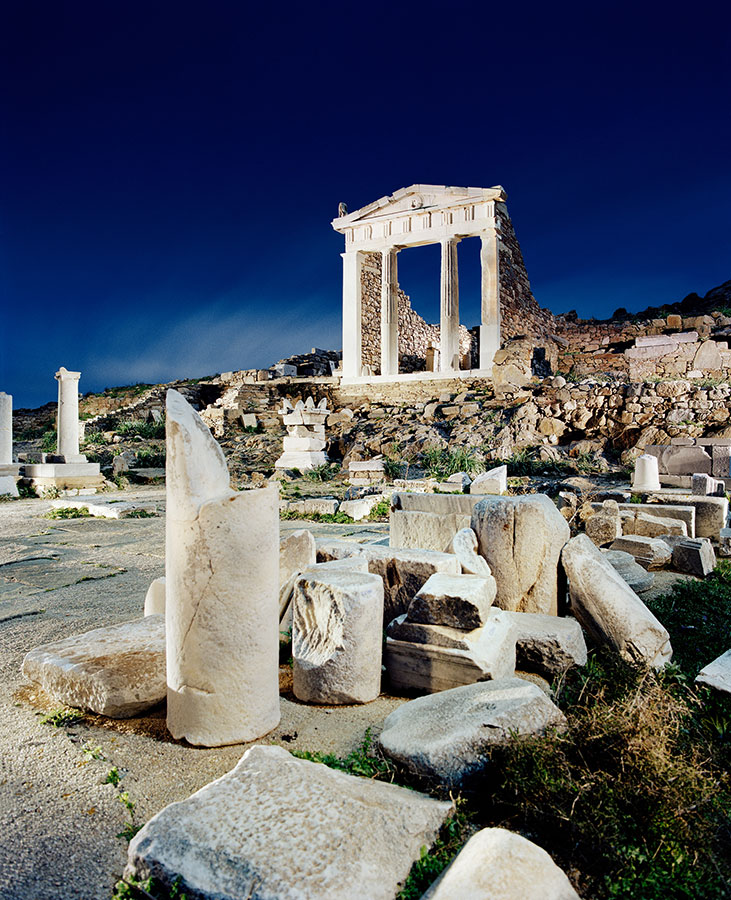
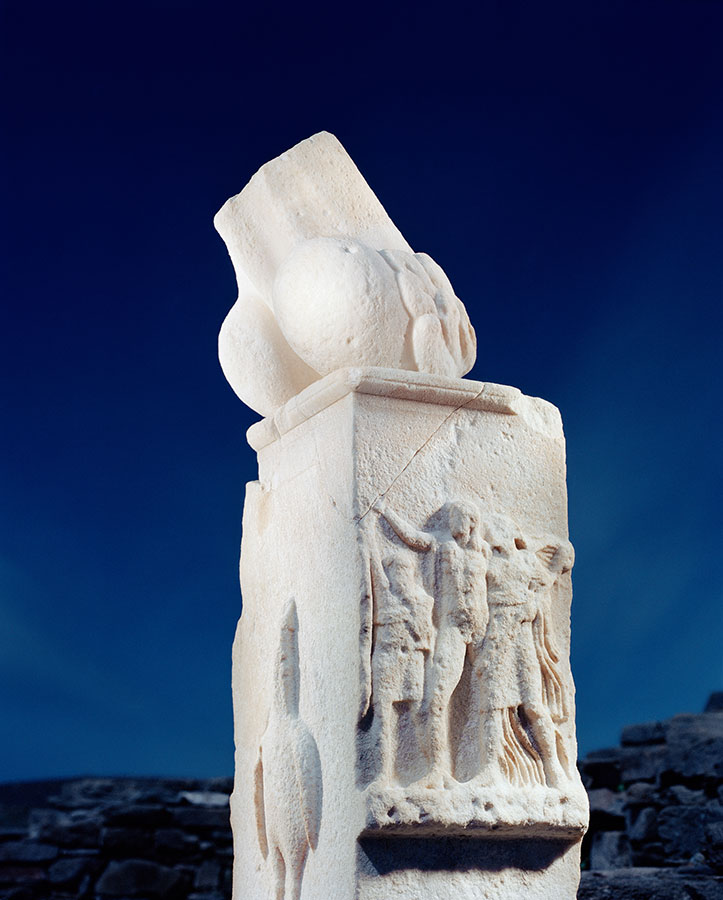
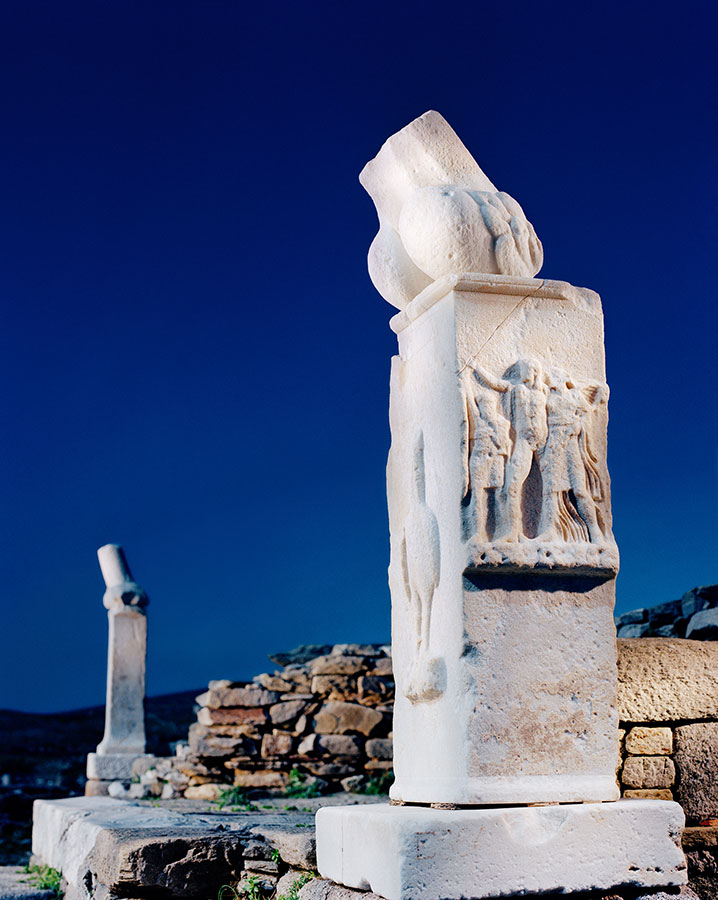
Delos Island, Temple of Isis.Delos Island, the Stoivadeion, the Sanctuary of Dionysos, phallus pilar, the symbol of Dionysos.Delos Island, the Stoivadeion, the Sanctuary of Dionysos, phallus pilar, the symbol of Dionysos.

Selinunte and Paestum

In the 8th and 7th centuries BC, Greek immigrants founded and settled new cities around the Mediterranean and the Black Sea. Selinunte in Sicily and Paestum near Naples are two important cities of that time.

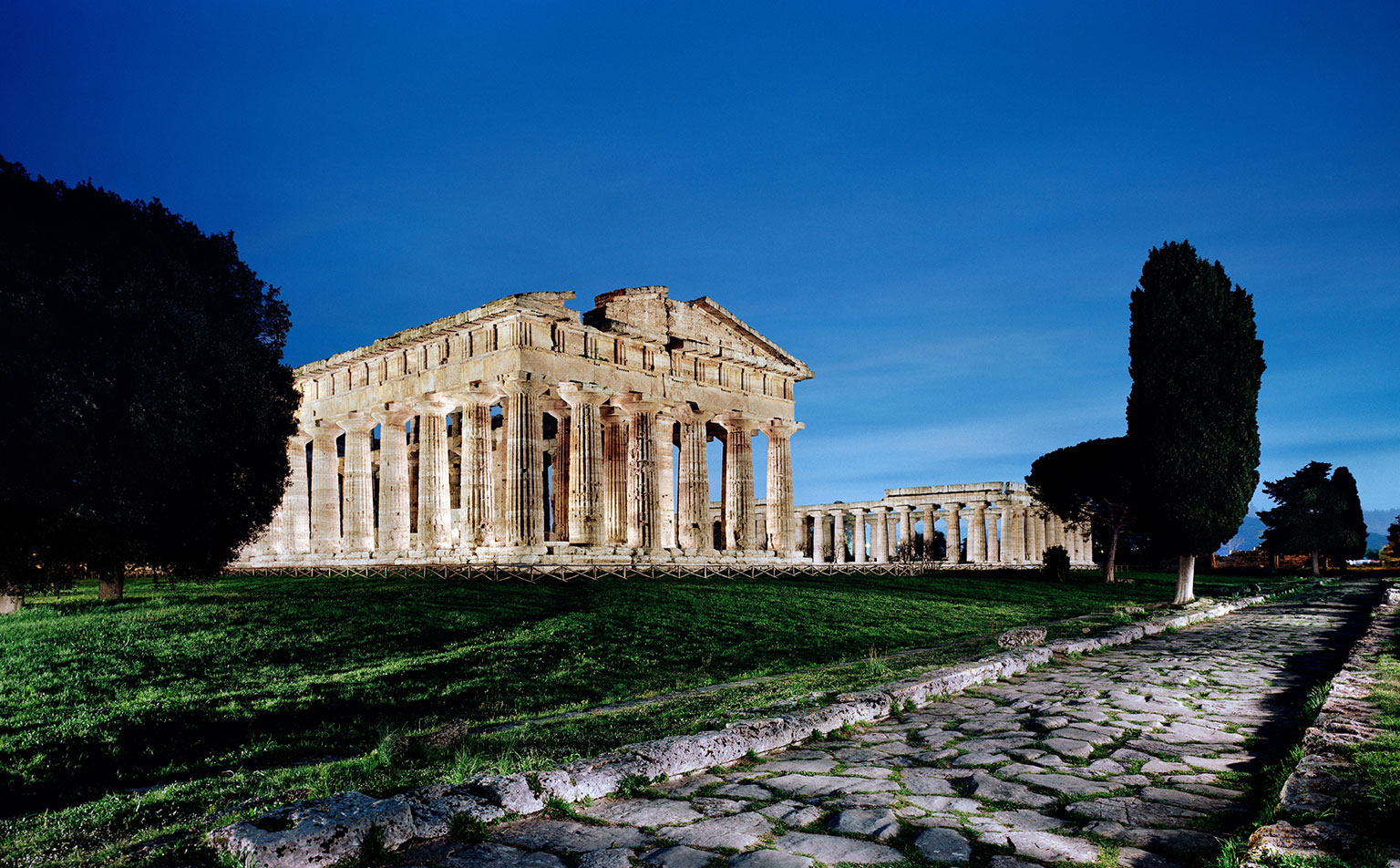
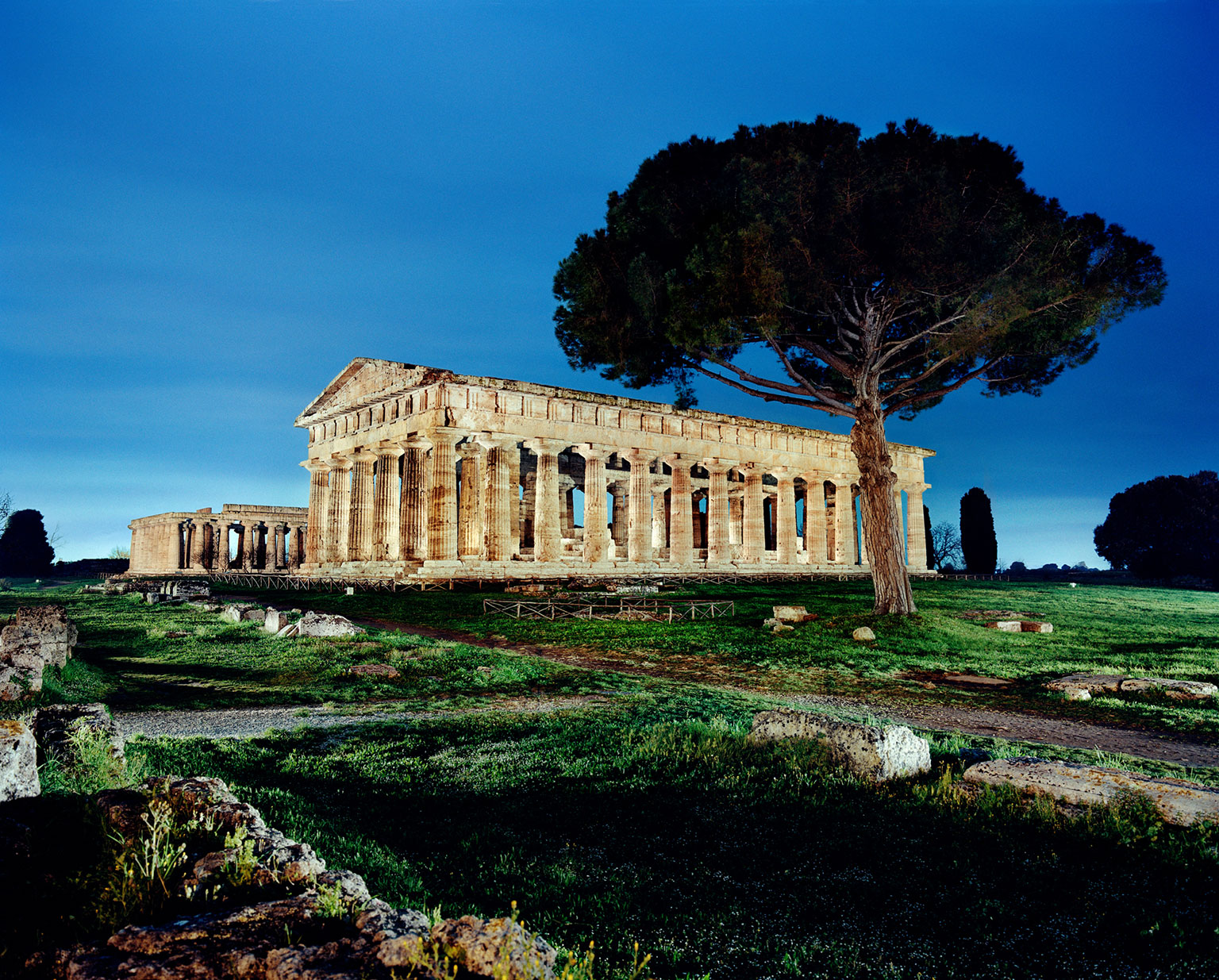
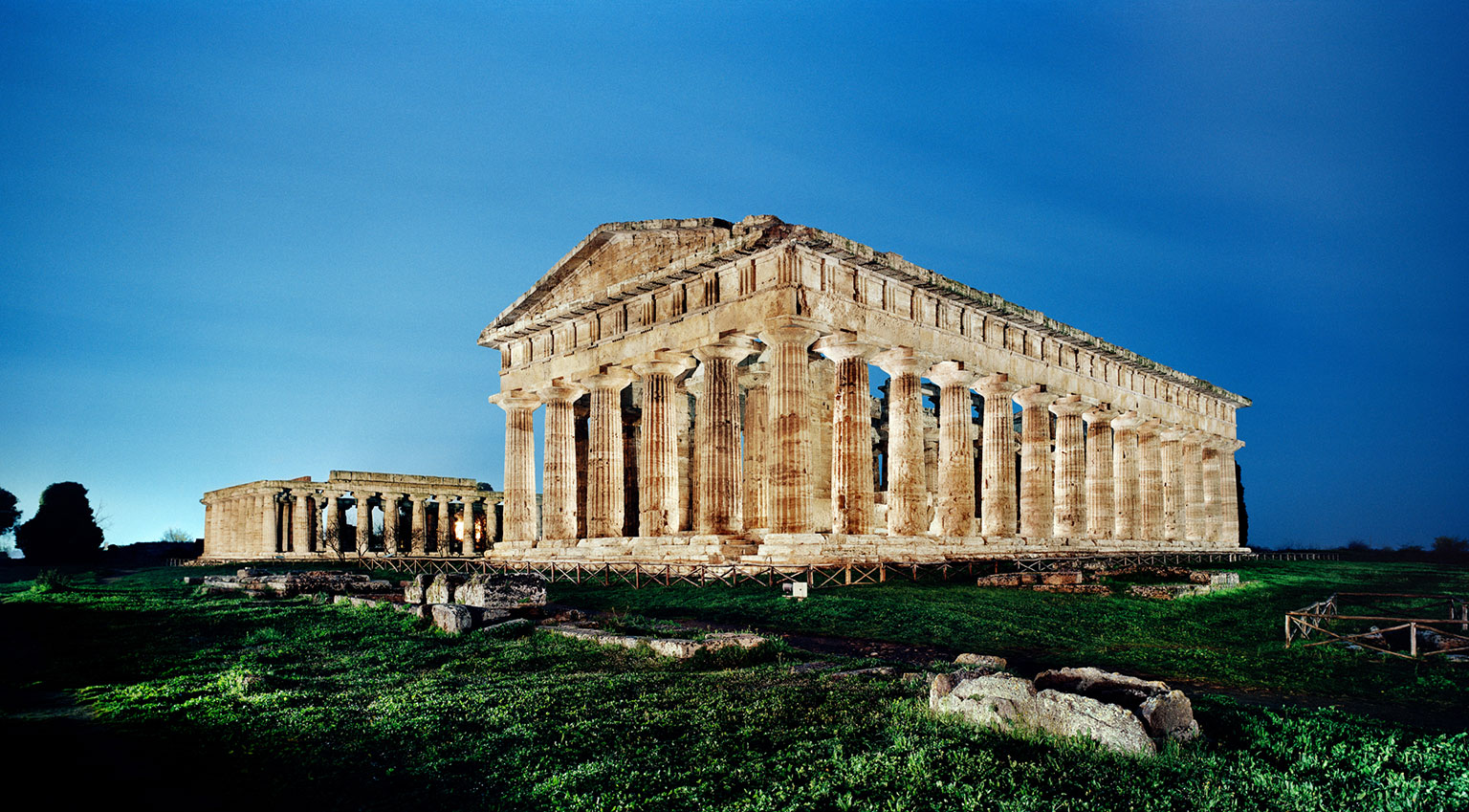
Site of ancient Paestum. Second temple of Hera.

Paestum

The second temple of Hera, which was formerly also called the temple of Poseidon by experts. Behind it is the first temple of Hera.

Site of ancient Paestum. Second temple of Hera.
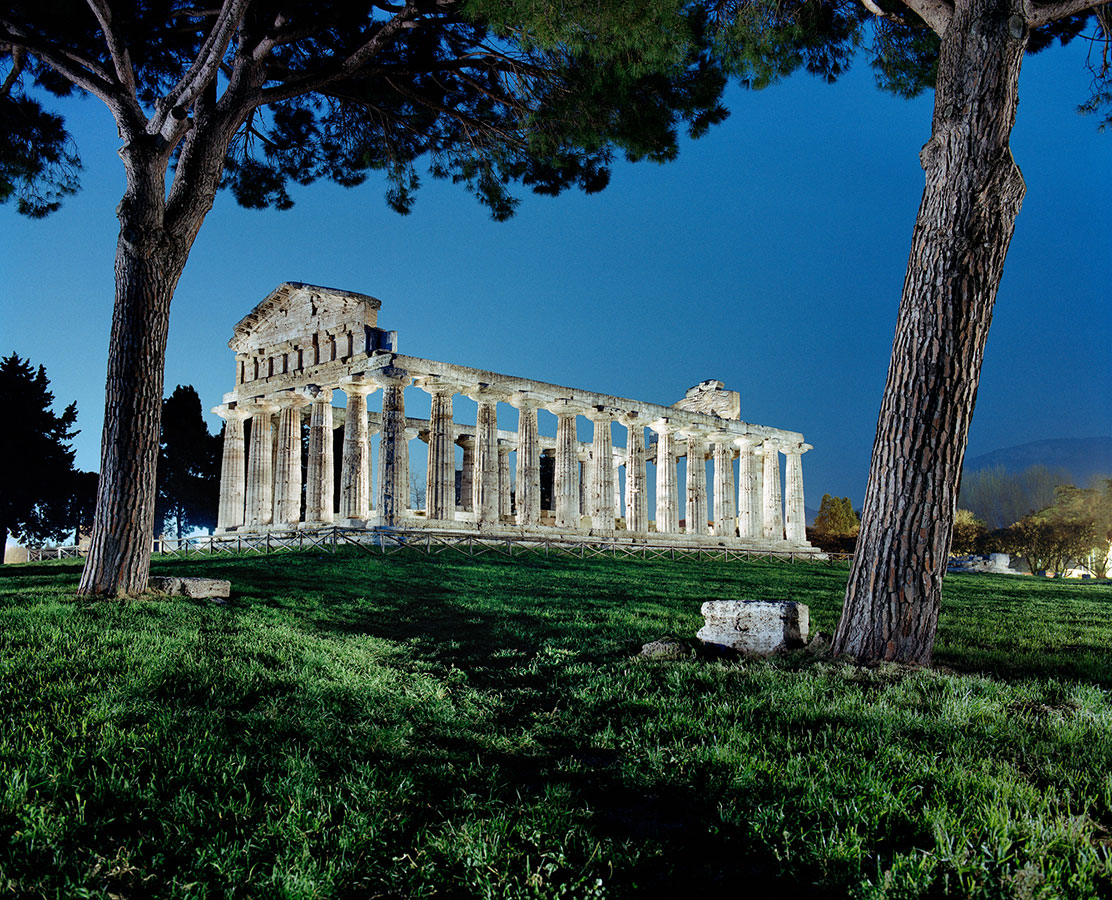
Site of ancient Paestum. Temple of Athena, Italy
Site of ancient Paestum. Second temple of Hera.
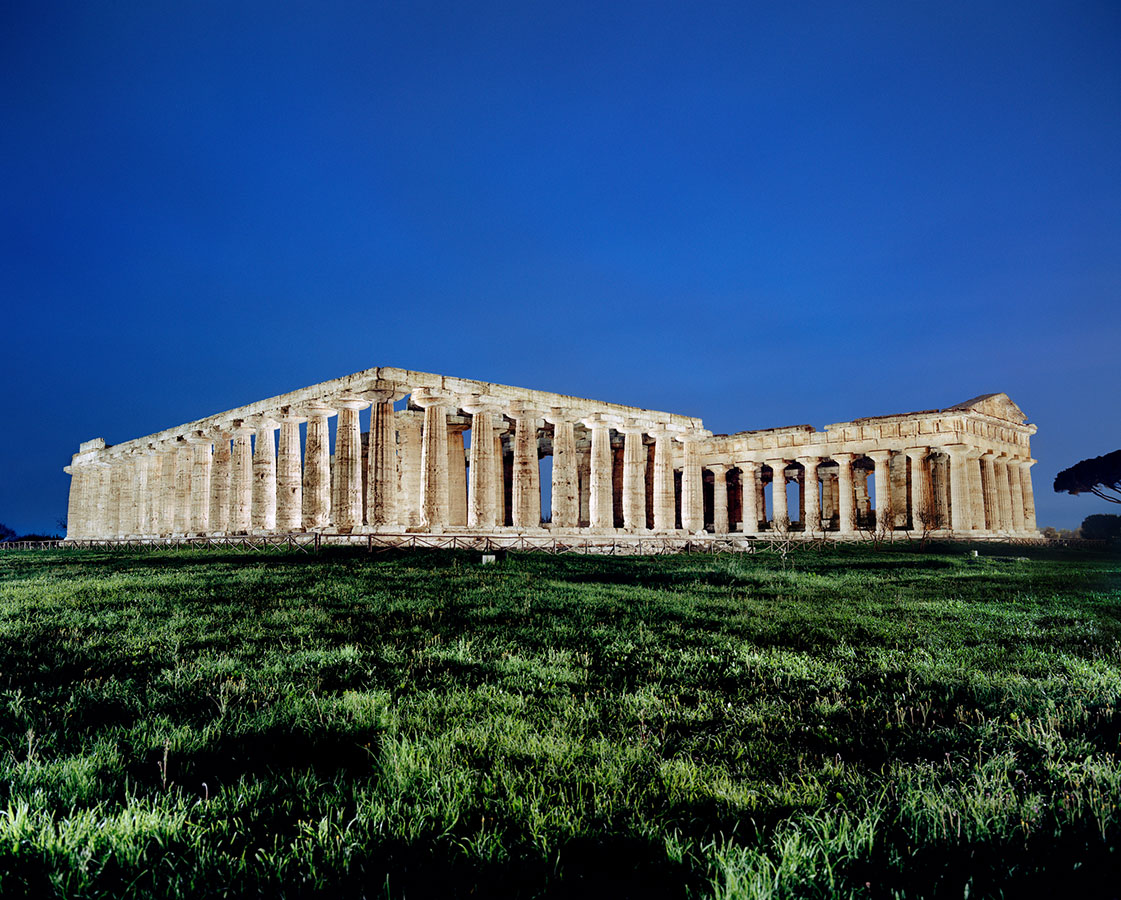
Ancient Paestum, first temple of Hera.
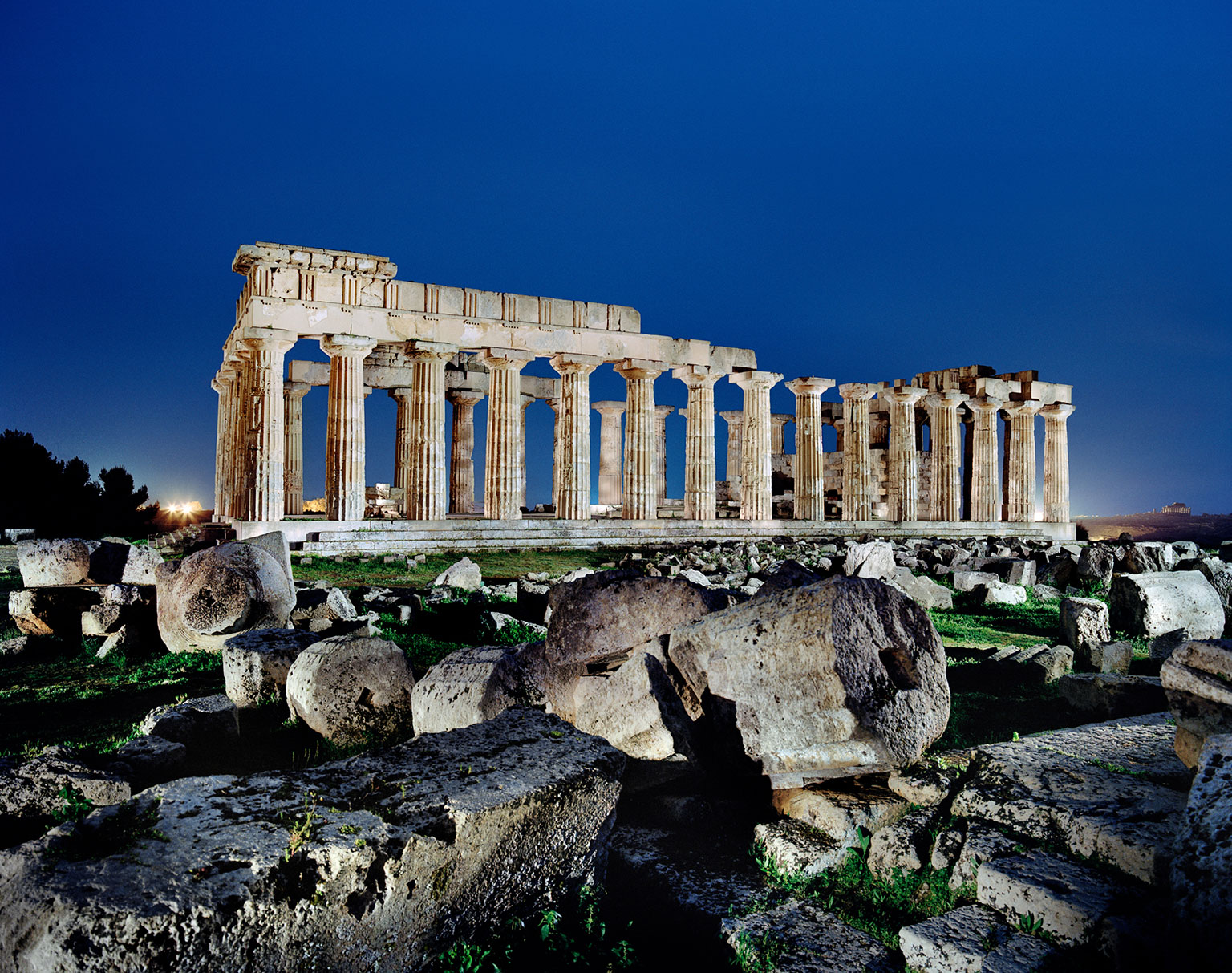
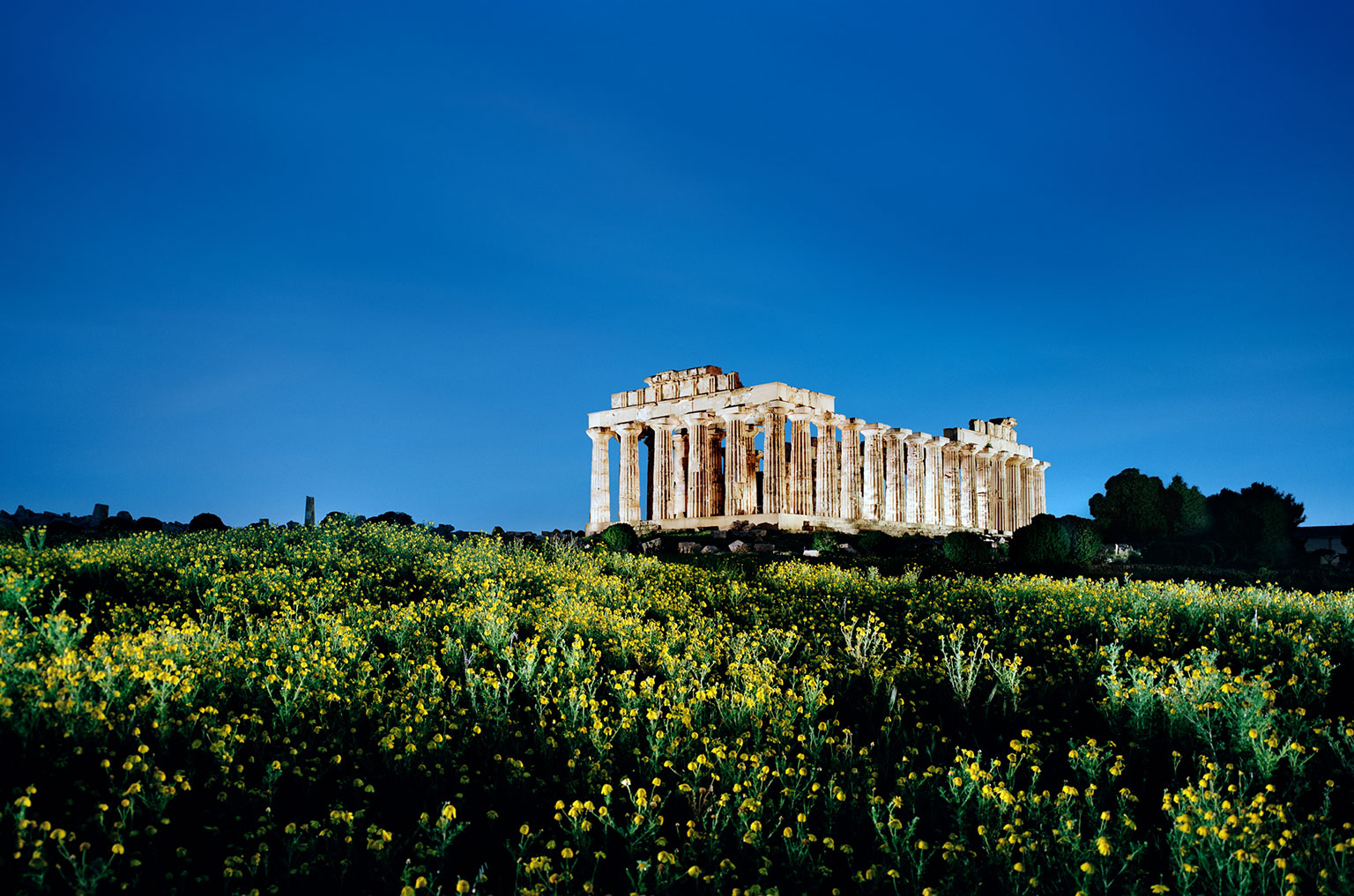
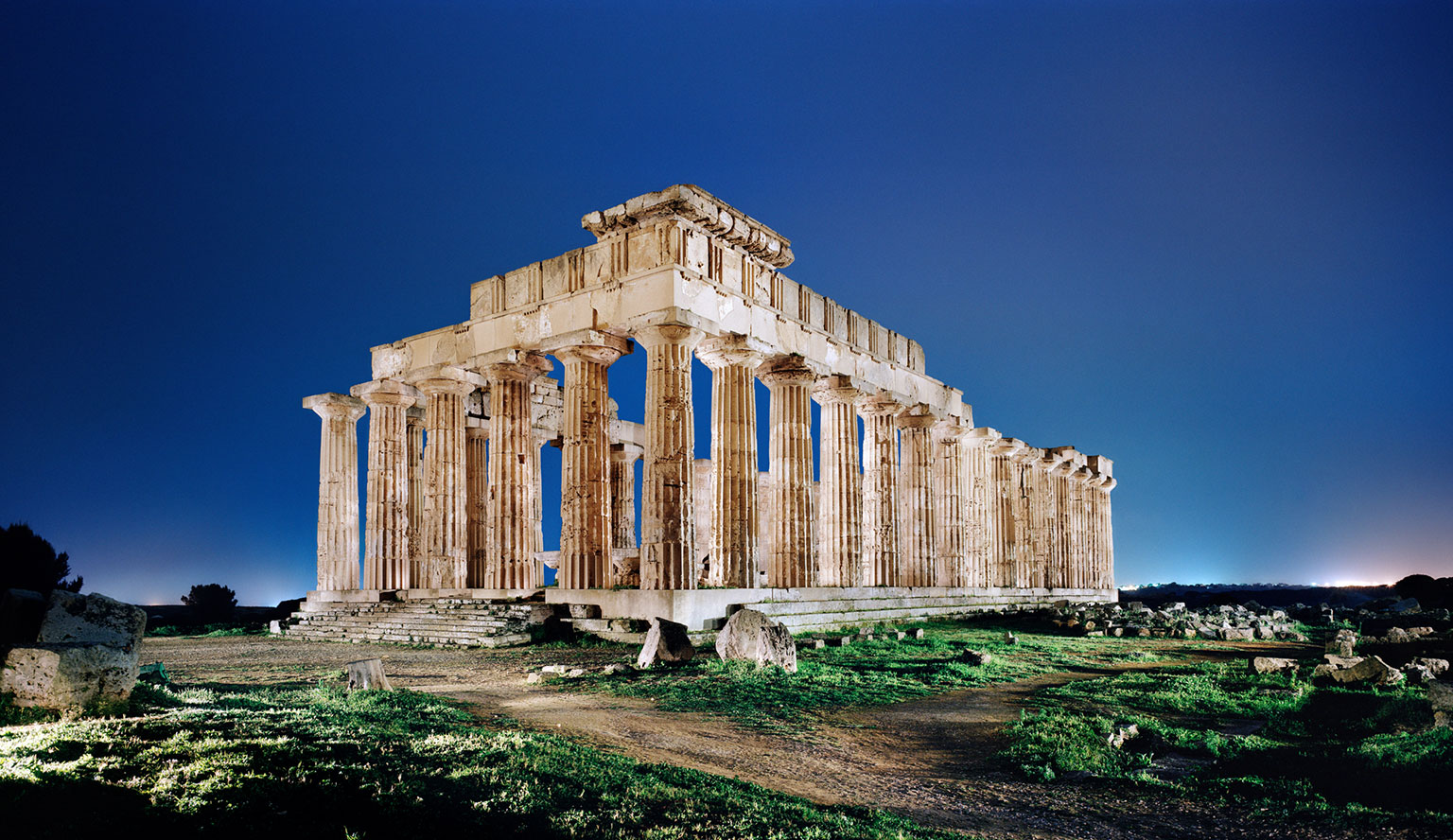
Site of ancient Selinunte, Temple E

Selinunte

Temple E of ancient Selinunt.

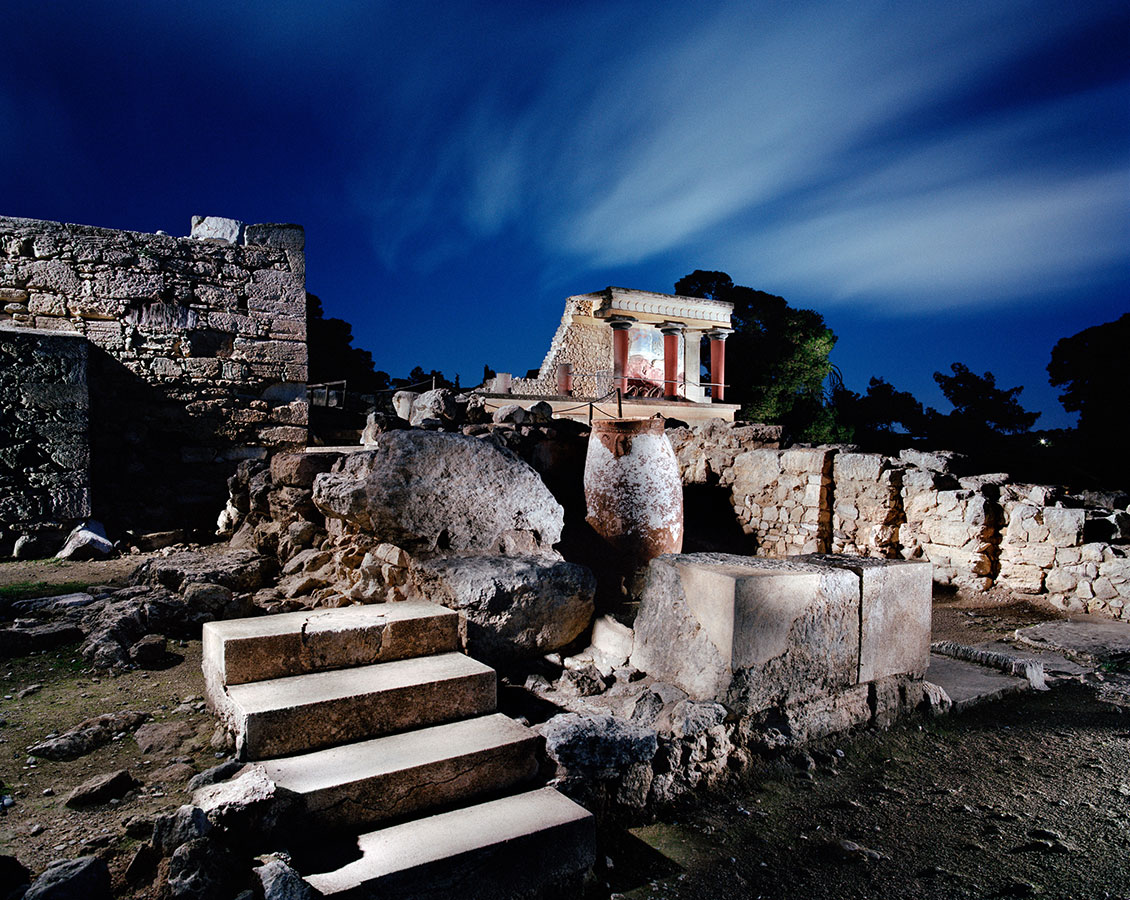
Palace of Knossos

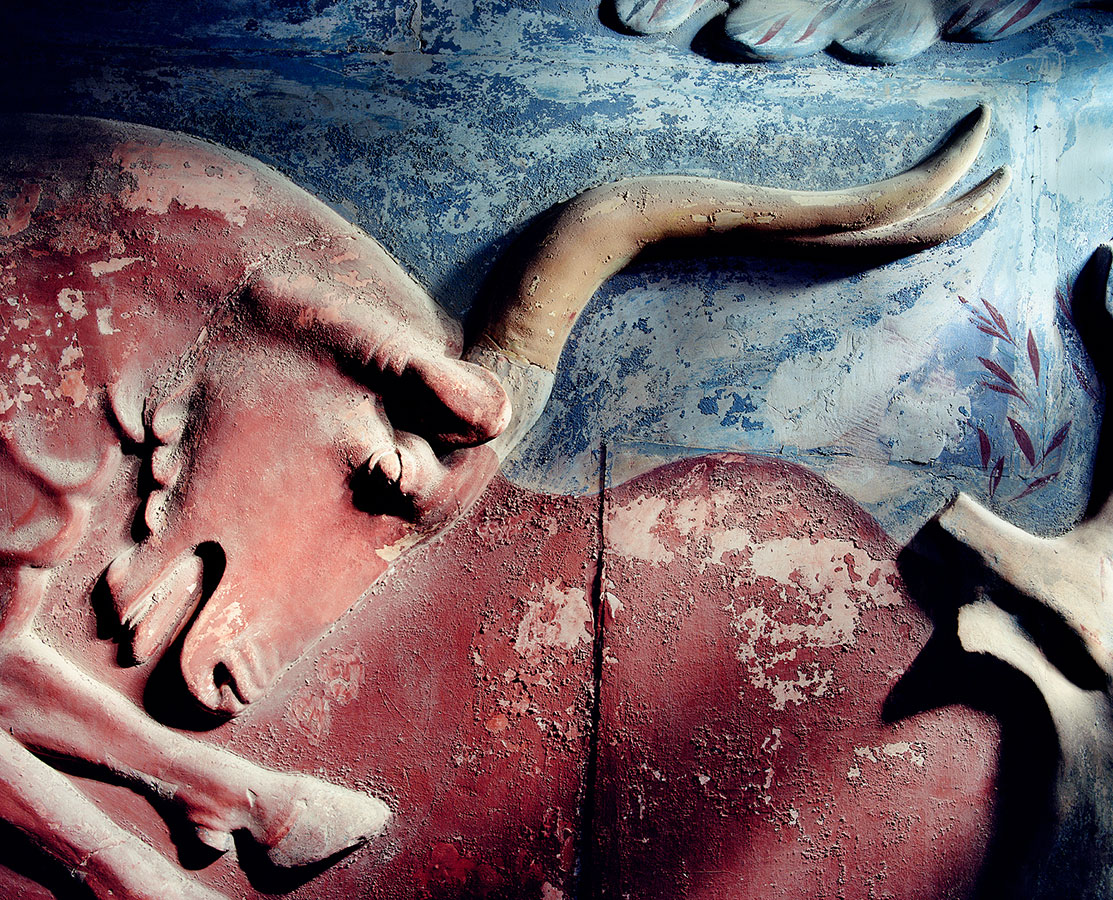
Europe’s first advanced civilisation arose in Knossos on Crete – around 4000 years ago. years ago. Its magnificent palaces go back to the mythical King Minos. The British archaeologist Sir Arthur Evans, who excavated the seat of power at the beginning of the 20th century, was very much influenced by Art Nouveau in his imaginative reconstructions of the palace.

Palace of Knossos.

Palace of Knossos

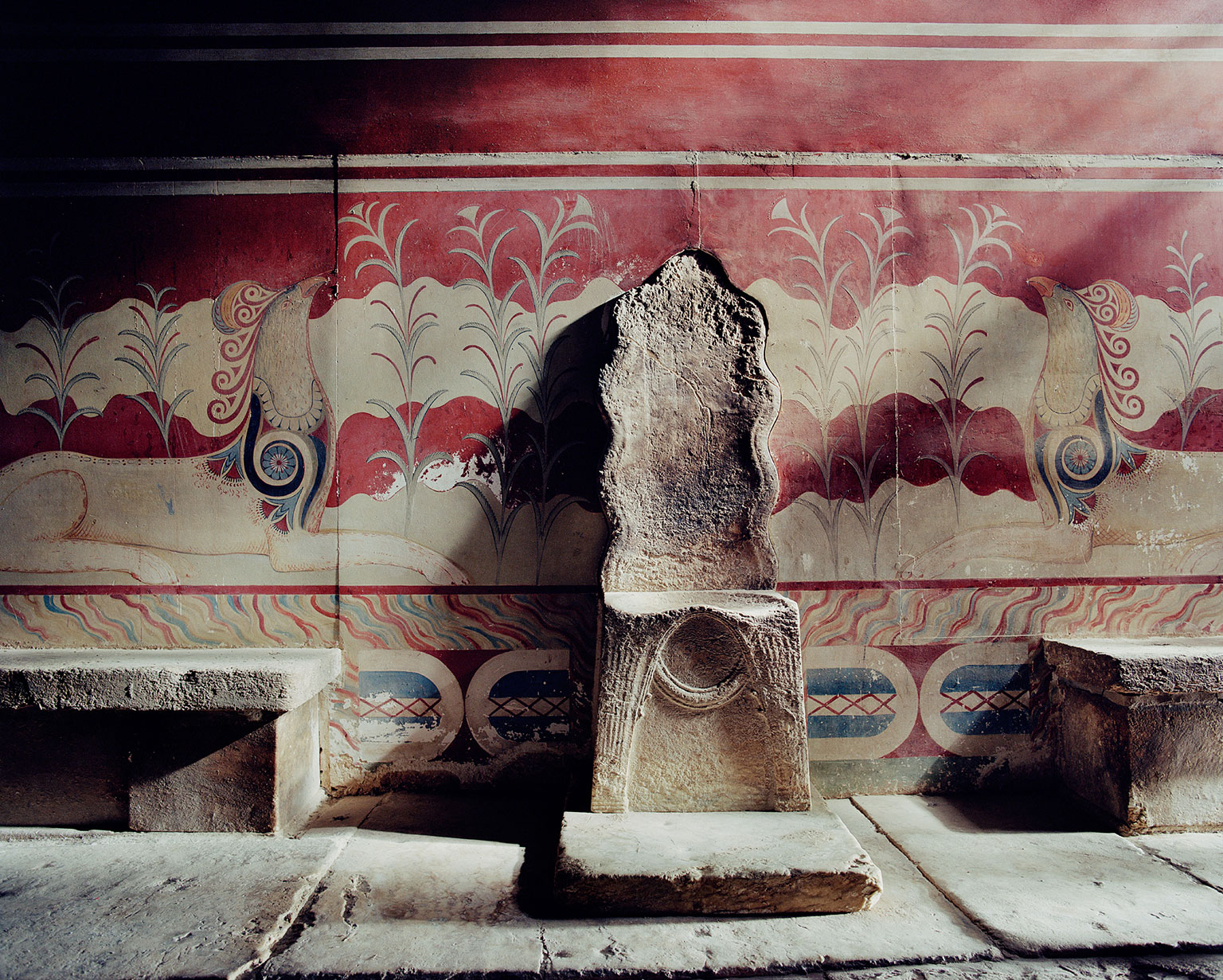
The throne room with the throne of King Minos.

Palace of Knossos
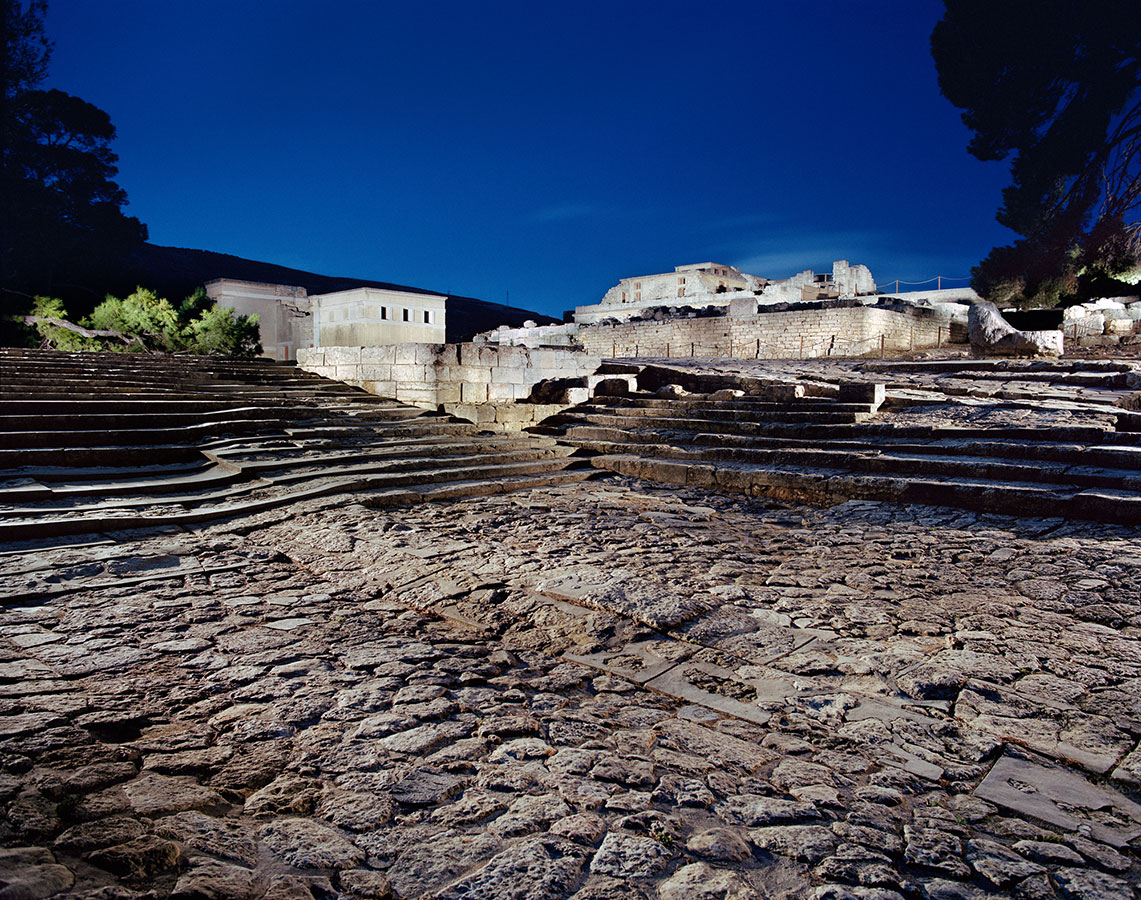
Palace of Knossos, the theatre.
Palace of Knossos, Altan of the North Entrance.
Palace of Knossos.
Palace of Knossos.
Palace of Knossos.

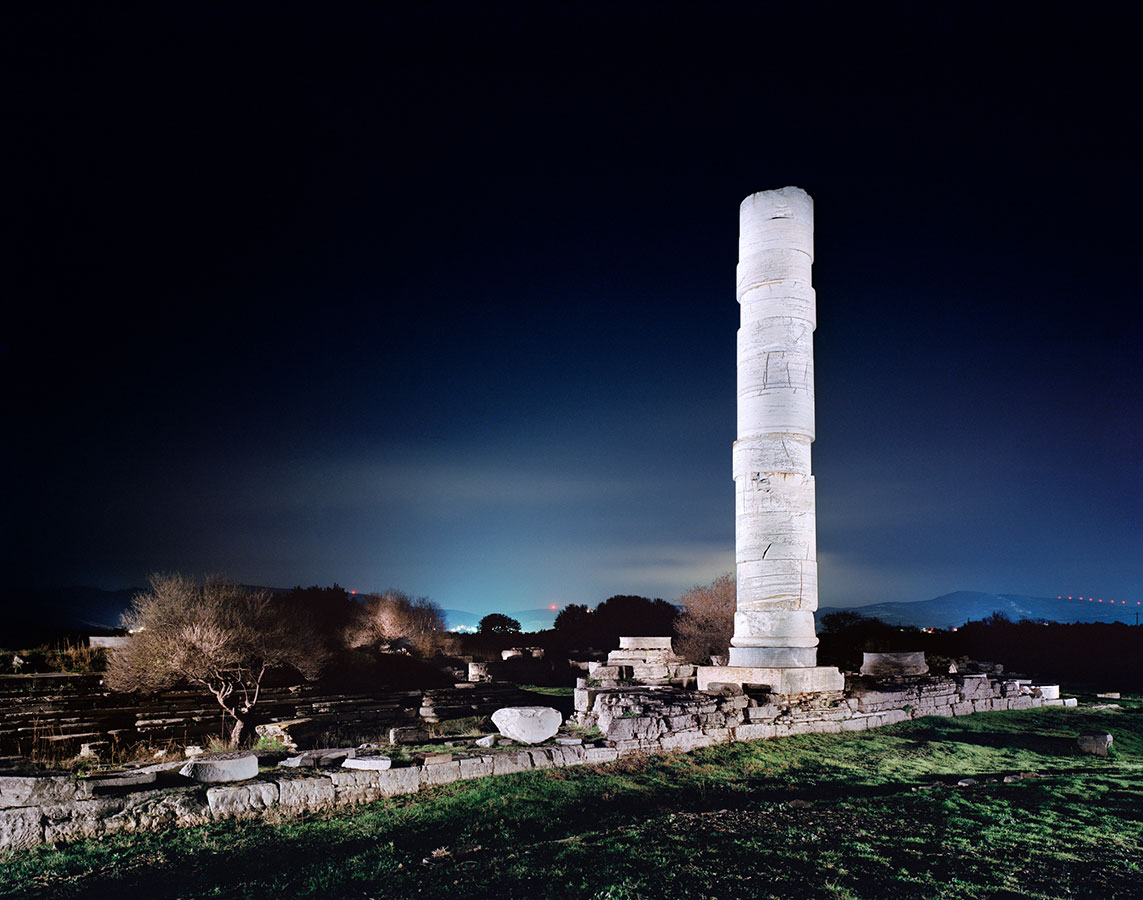
Samos

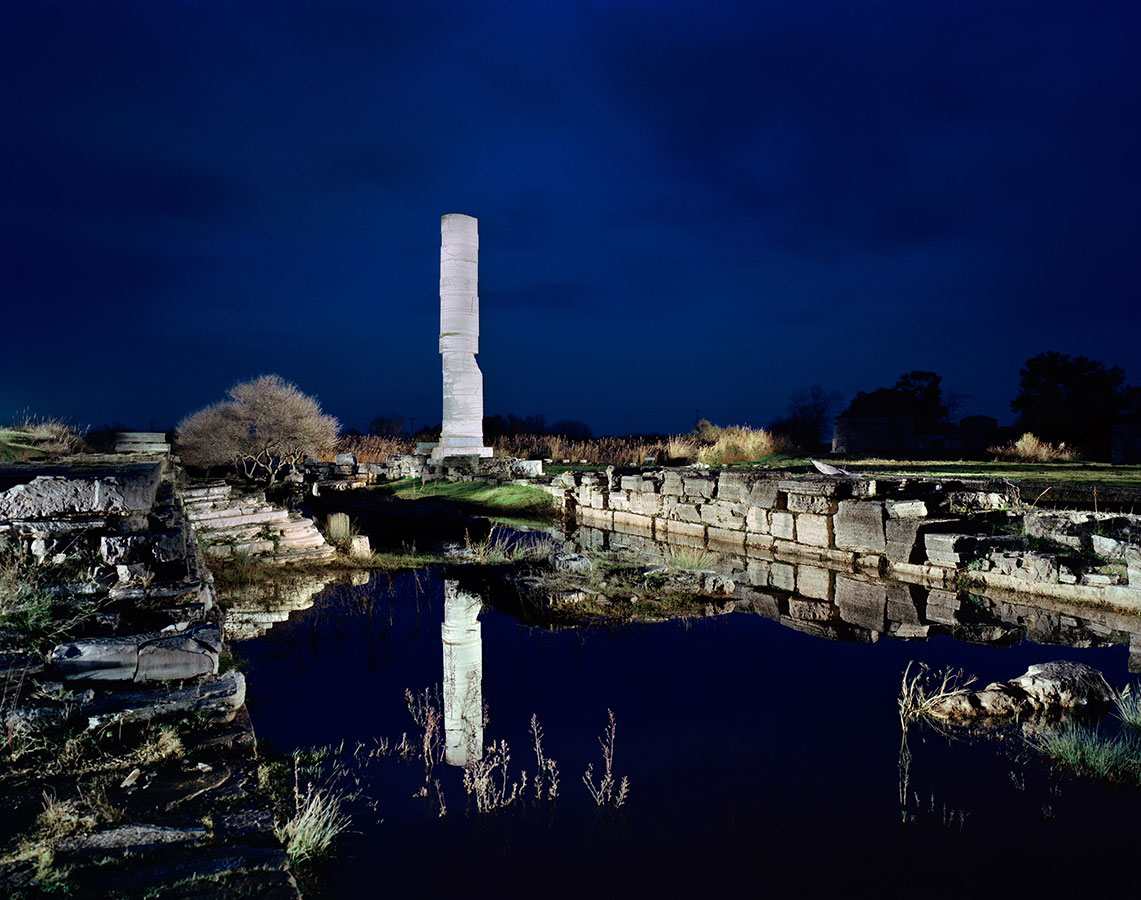
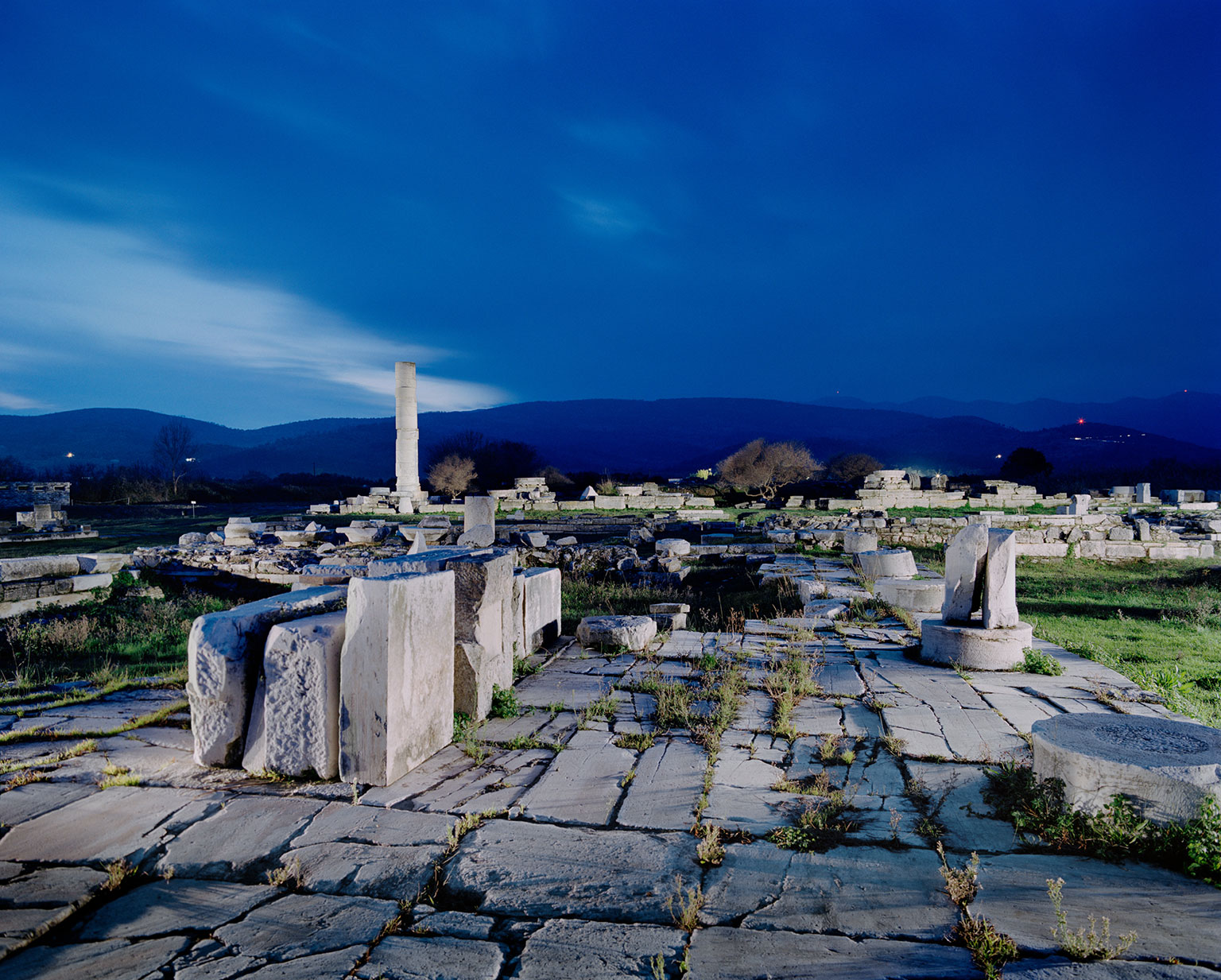
The Heraion on Samos marks the birthplace of Zeus’ wife Hera. The first temple, built in the 8th century BC, was destroyed by a flood, and several subsequent buildings fell victim to conquests. Only one column remains of the great temple of Hera, which Herodotus described as the most massive of its time.

The Heraion of Samos
The Heraion of Samos.
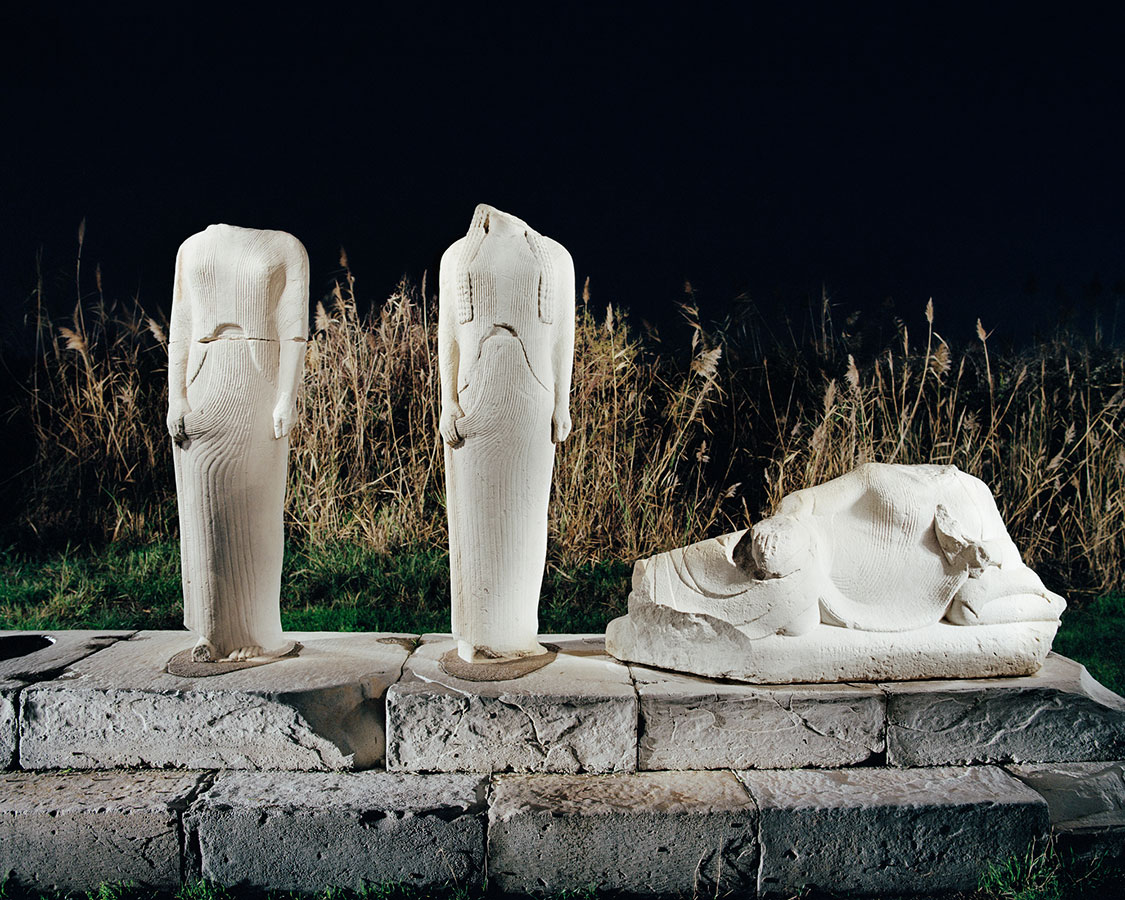
Heraion von Samos, the Geneleos group is named after the greek sculptor Geneleos.
The Heraion of Samos.