Cornish Engine Houses
Tin and Copper Mines in Cornwall
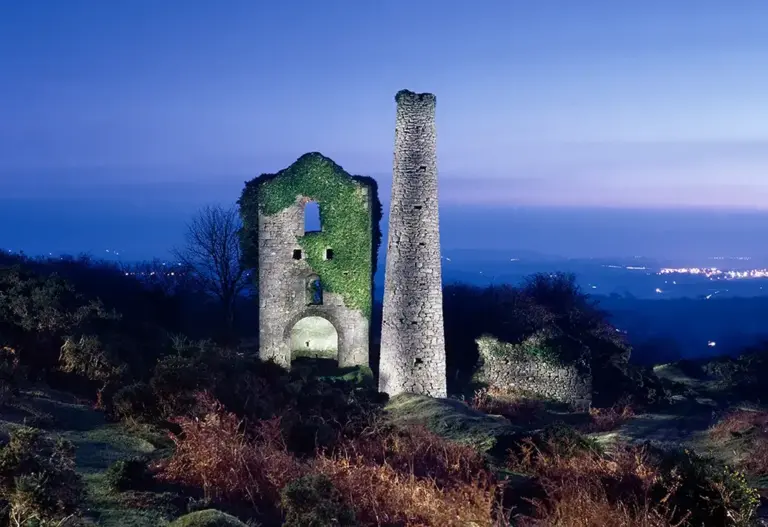
Scattered across Cornwall’s mining landscape, they still stand today. The ruins of the engine houses that once kept the region’s tin mines and copper mines running. I photographed them in their surroundings. On sheer cliffs, on high moorland, among pastures and spoil heaps.
Tin mining in Cornwall dates back to the Bronze Age and is among the oldest in the world. It was only later, during England’s industrialisation in the 19th century, that copper mining took hold on a large scale – the region’s development was exemplary. Within a few years, the landscape changed dramatically. Since 2006, the “Cornish and West Devon Mining Landscape” has been a UNESCO World Heritage Site – the ruined engine houses remain its most visible testimony.
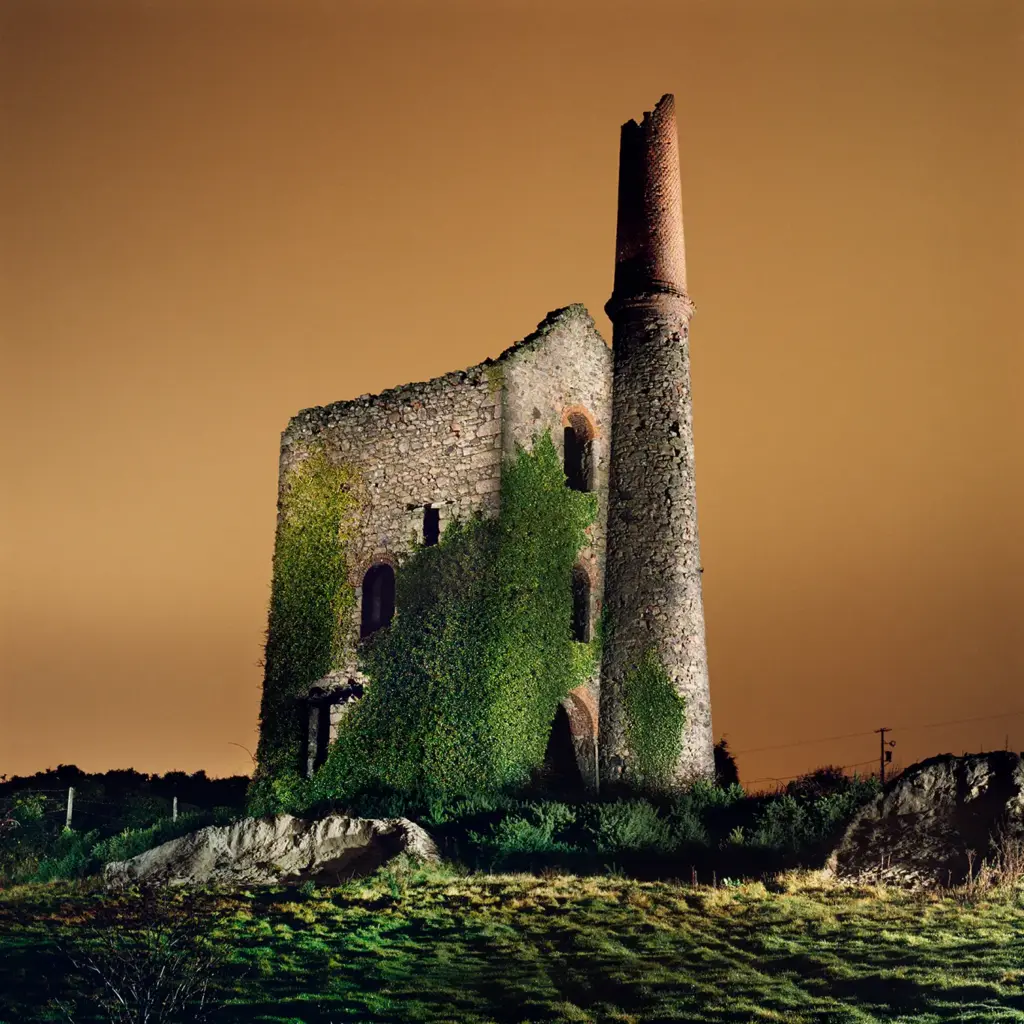
The engine houses resemble each other in their architecture: a rectangular plan, built from the surrounding stone, a tall chimney, a front wall thicker than the side walls. Inside stood the steam engine. It kept the mines – some of which extended below sea level – free of water, hauled equipment down into the shafts, or drove iron stamps that crushed the ore. This massive, technically necessary construction is the reason so many engine houses have survived to this day.
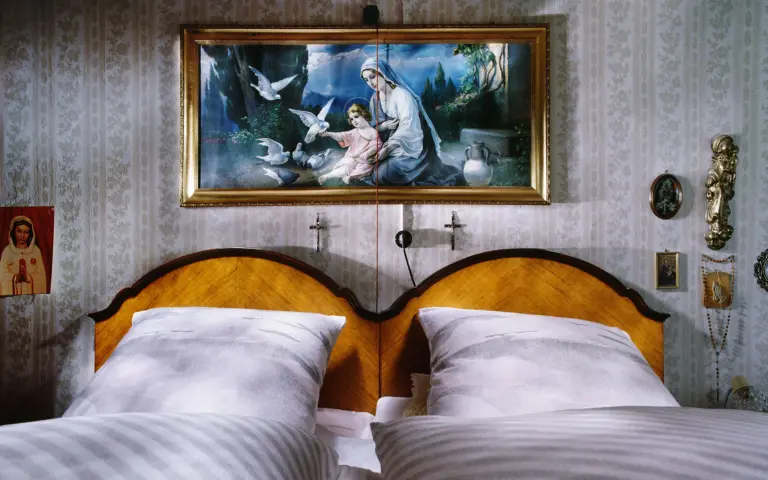
The work was made in 1996/1997, between the two series on bedrooms and British abbeys. It was the first series in which I brought the landscape itself into the lighting concept. That changed a good deal. The distances grew larger, the light sources different, the walks longer. Wind and weather became factors I had to reckon with. The view of the Crowns engine houses on the Atlantic cliffs near Botallack remains one of my quiet favourites to this day.
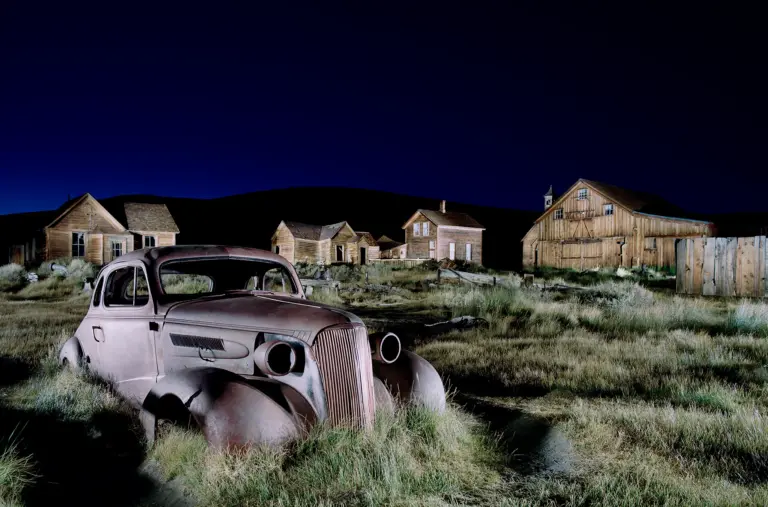
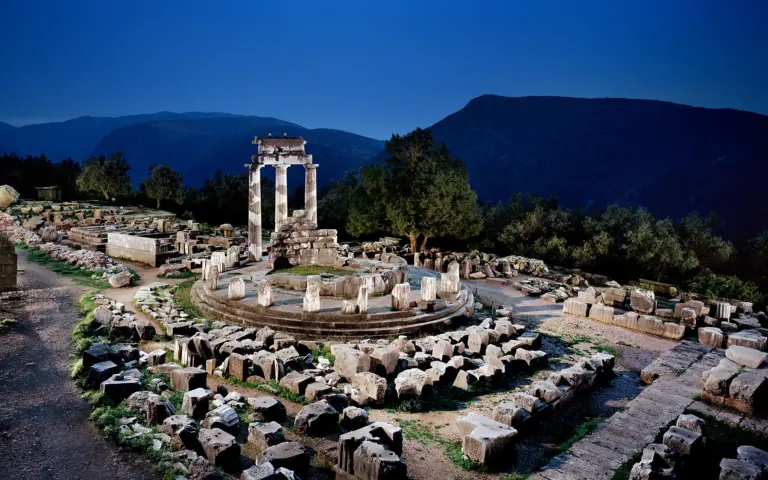
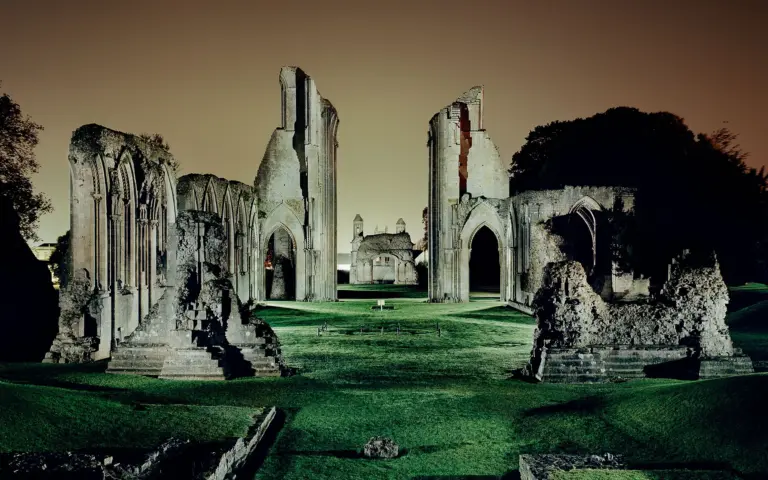
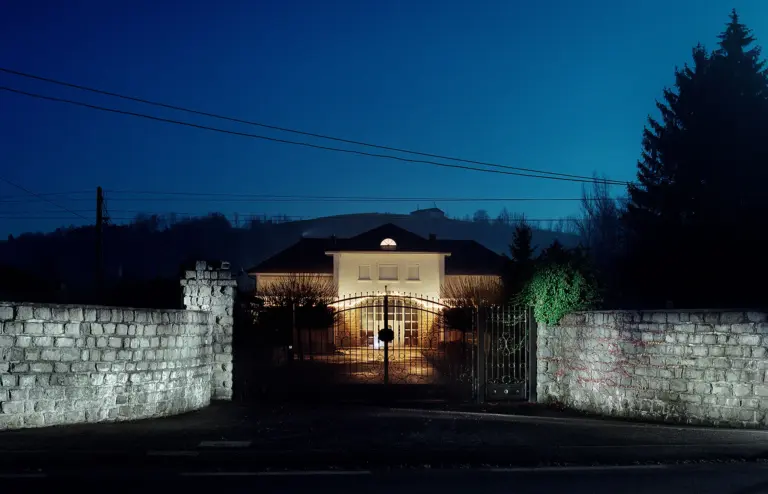
All the images were taken with a Hasselblad 500C and a single lens: the 80mm Tessar. Some images have a green or orange sky. This is owed to the surrounding orange street lamps: with this film stock, a long exposure first turns the sky green, then orange.
The engine houses are witnesses to an era that shaped Cornwall to this day. They belong to this landscape, just like the sheer cliffs and the fishing villages.
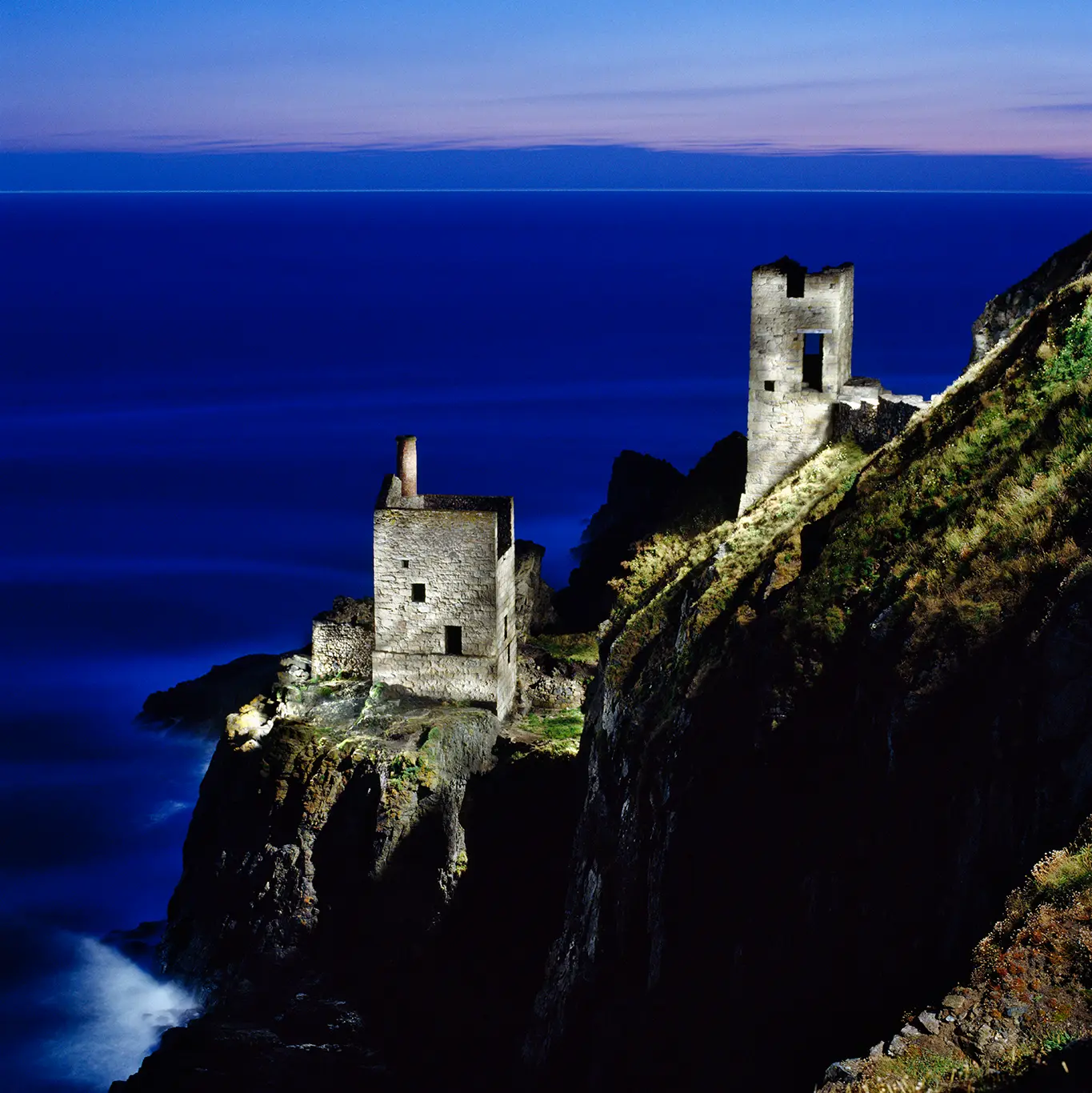
The Crowns, Botallack
Two engine houses were built on the Atlantic cliffs. The upper one, Pearce’s Engine House, dating from the 1850s, powered the hoisting engine for the Boscawen Shaft, which extended more than half a kilometre beneath the seabed.
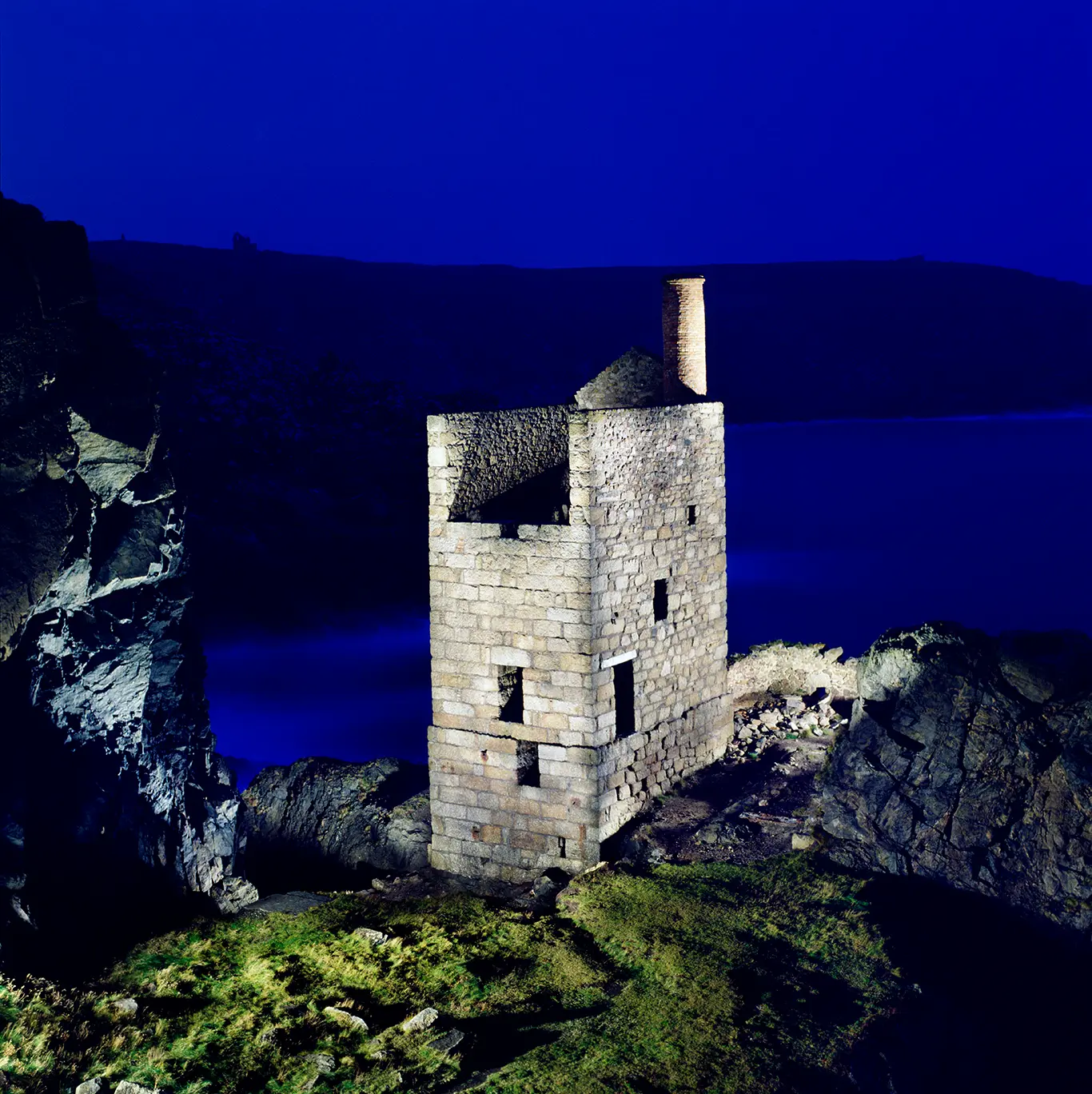
The Crowns, Botallack
The lower one, Crown’s Pumping Engine House, was built in 1830 and kept the shaft free of water.
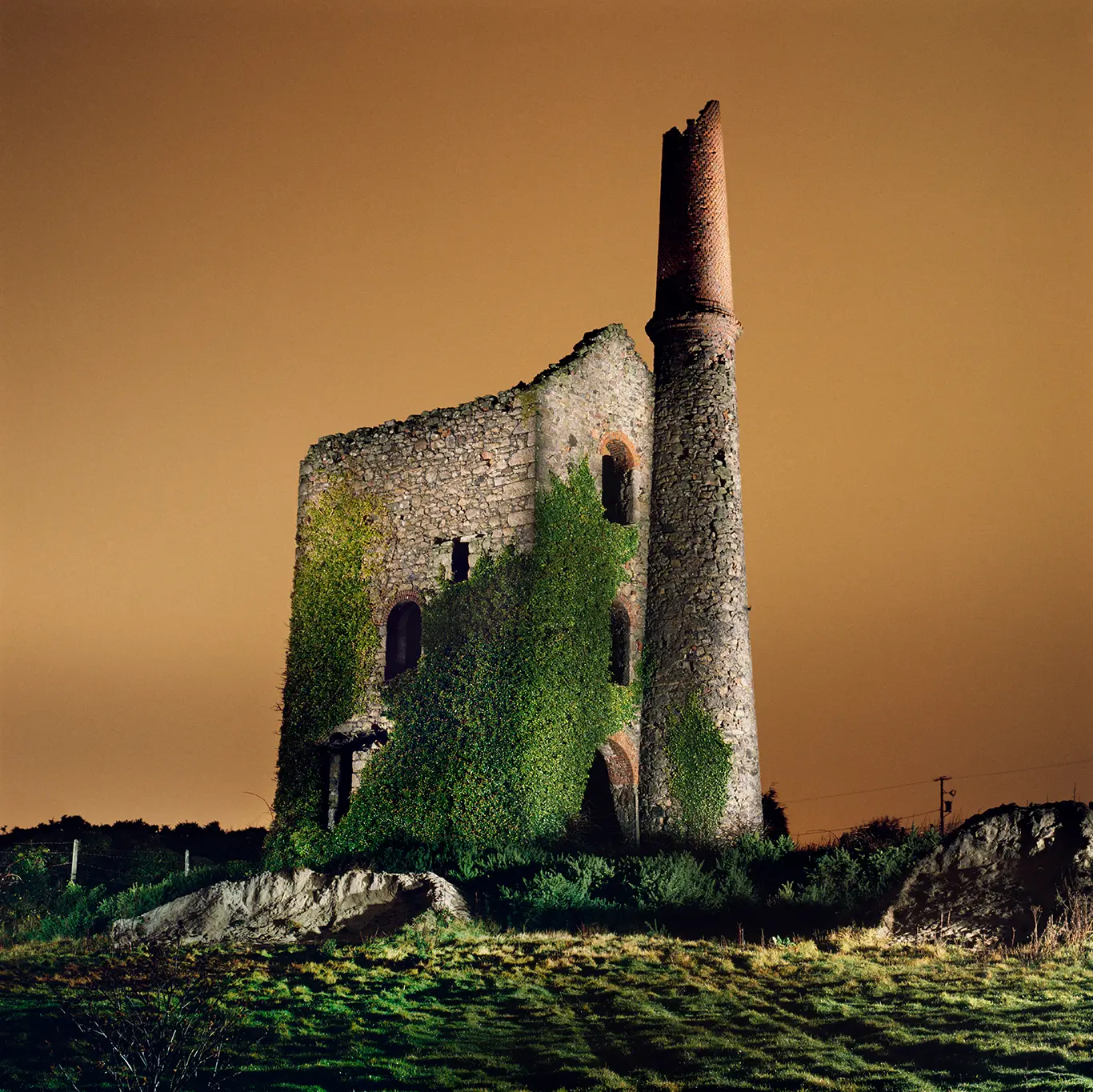
Baronet's Engine House
Built in 1866 to house a 50-inch pumping engine that kept the Baronet’s Engine Shaft at the Pennance Consols mine near Lanner free of water. The mine, originally known as Wheal Amelia, produced copper and closed as early as 1874. The orange sky is caused by the street lamps nearby.
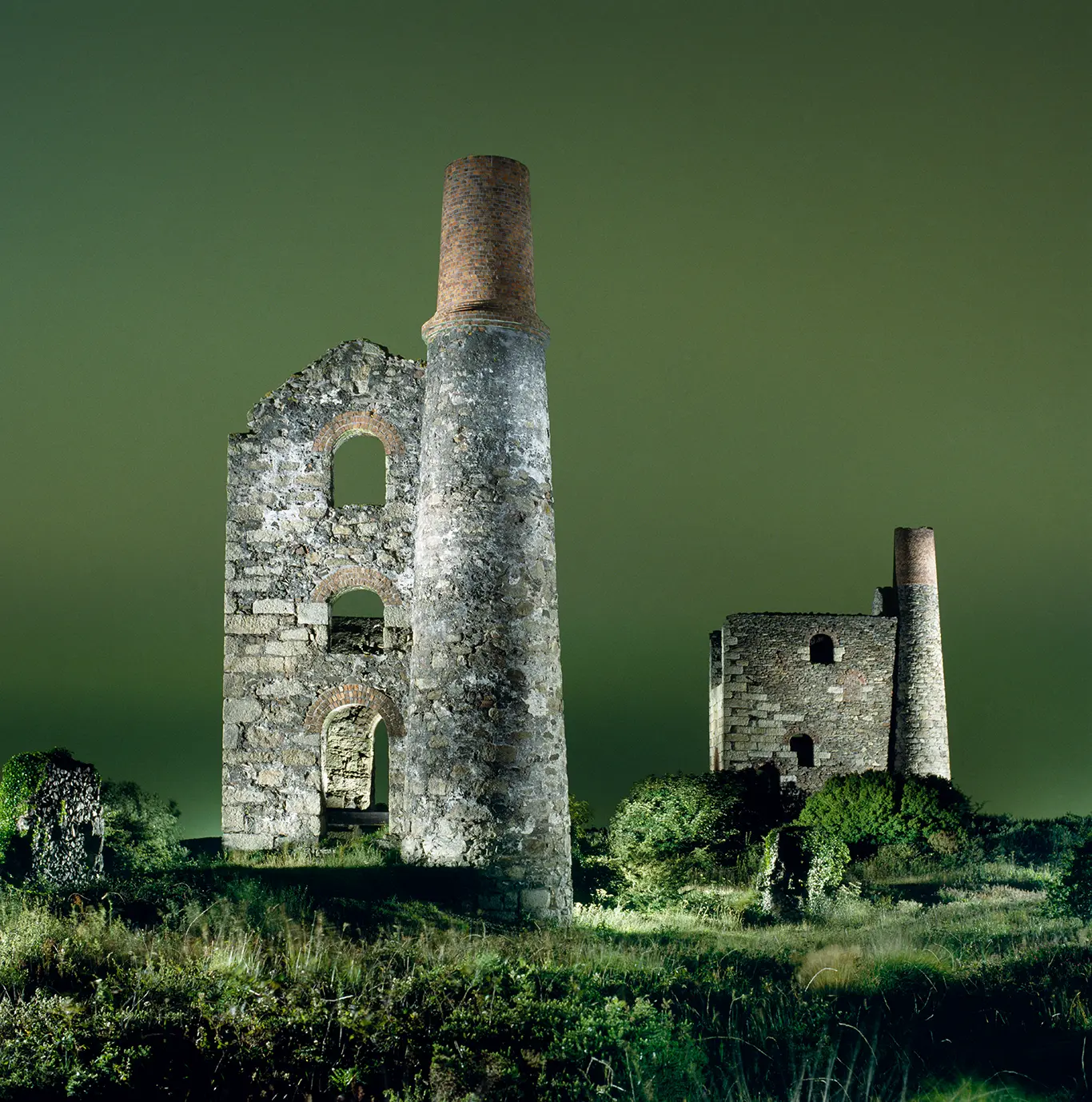
Wheal Uny
Two engine houses on the slopes of Carn Brea near Redruth. The Pumping Engine House was built in 1869–70 to house a 70-inch steam pump, whilst the Whim Engine House was built in 1880 to house the hoisting engine at Hind’s Shaft. Initially copper was mined, then tin from 1851 onwards, until the mine closed in 1893.
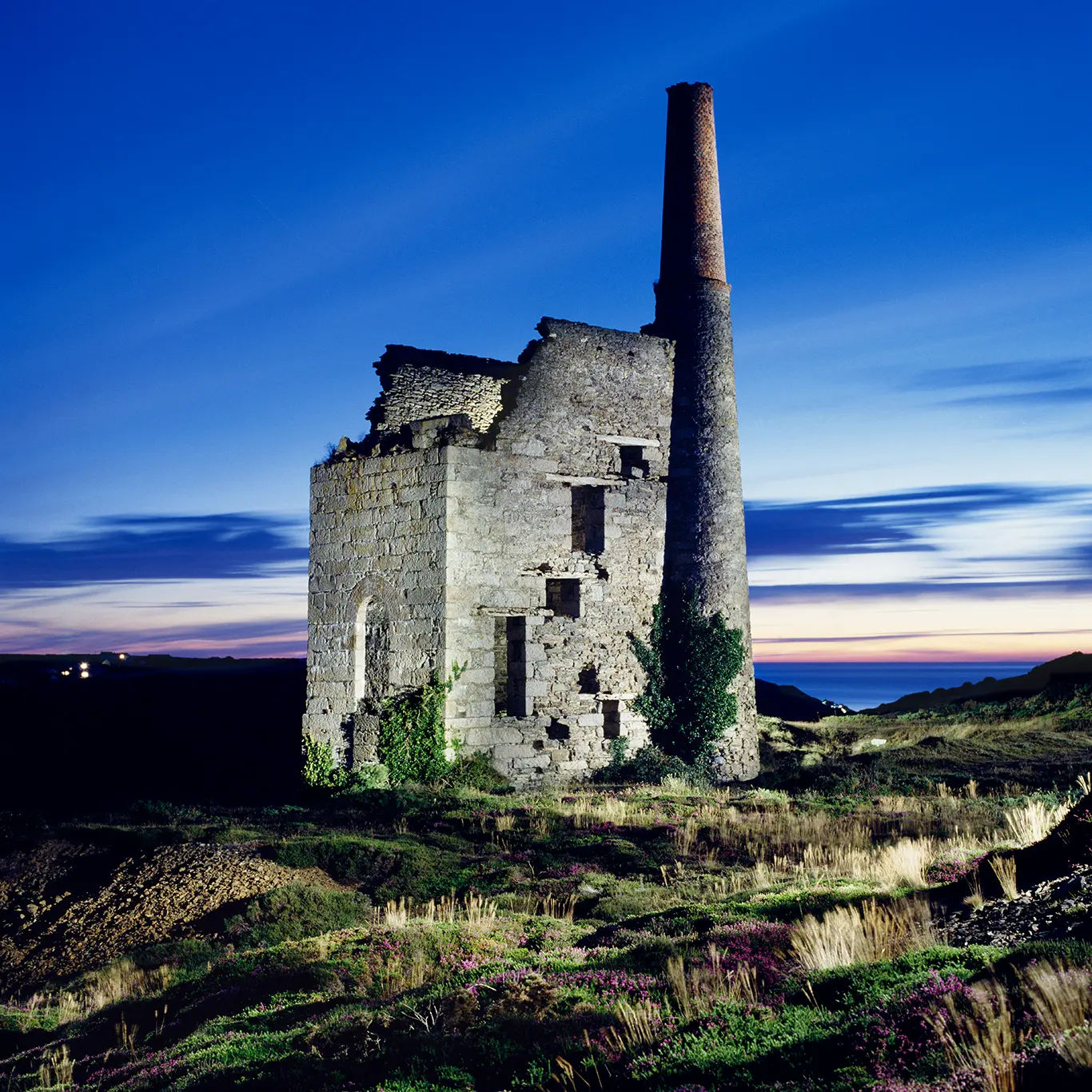
John’s Pumping Engine House
The 1861 engine house at the Tywarnhayle Mine near Porthtowan.
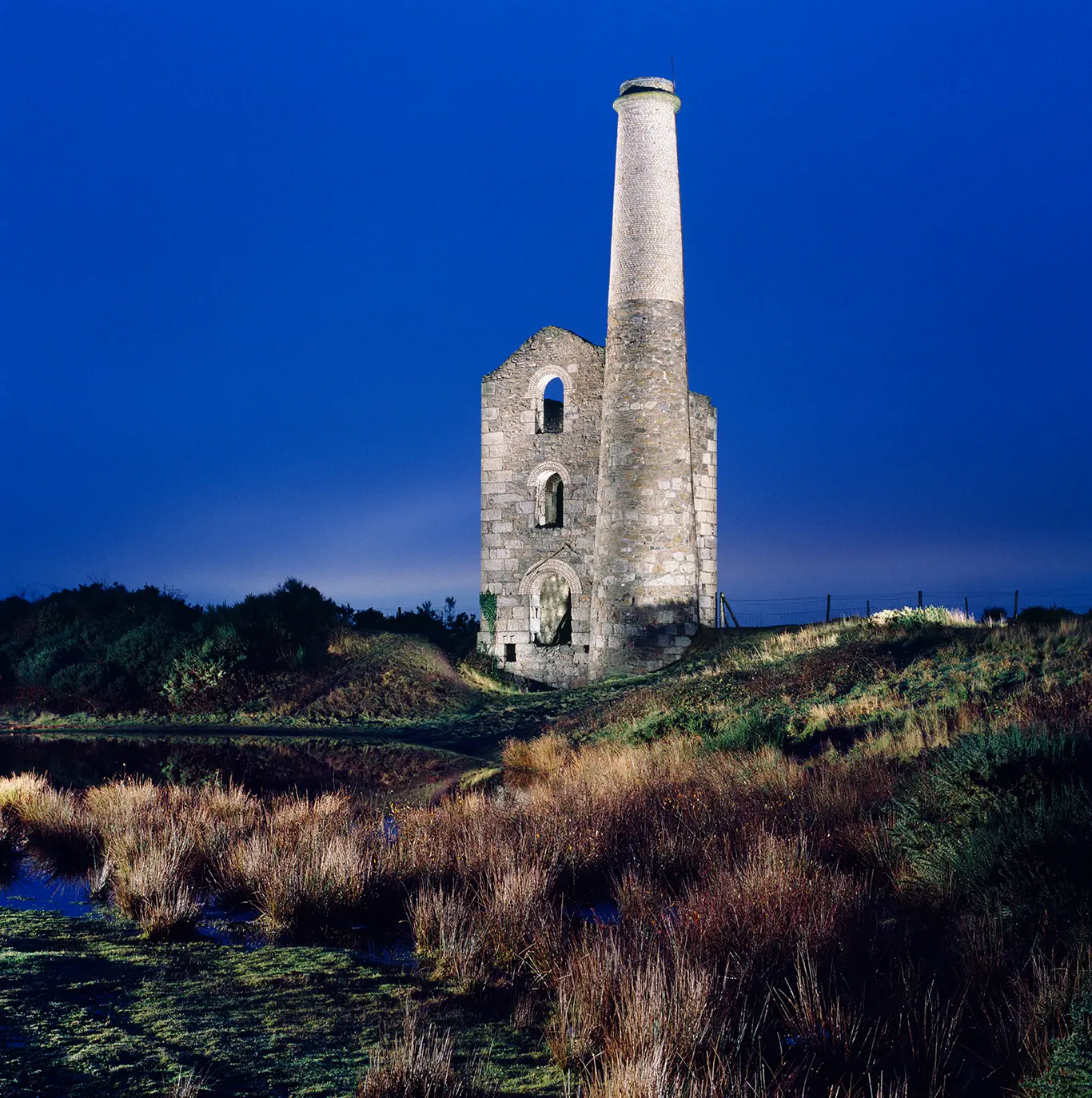
Gwennap United Stamps
Built in 1900 near Chacewater. In the late 18th and early 19th centuries, the region was regarded as one of the richest mining regions in the world.
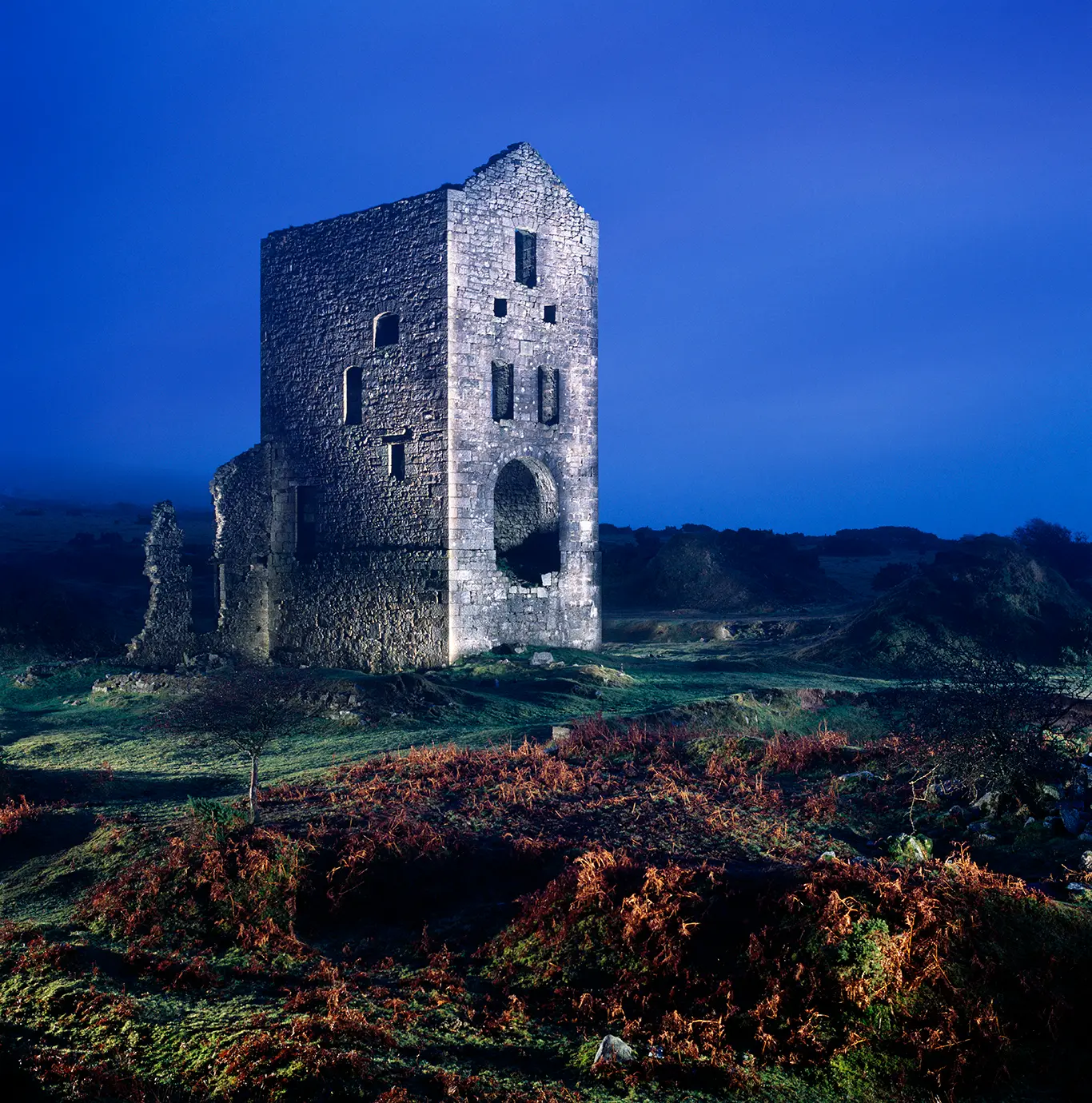
Houseman's Engine House
South Phoenix Mine near Minions in Bodmin Moor.
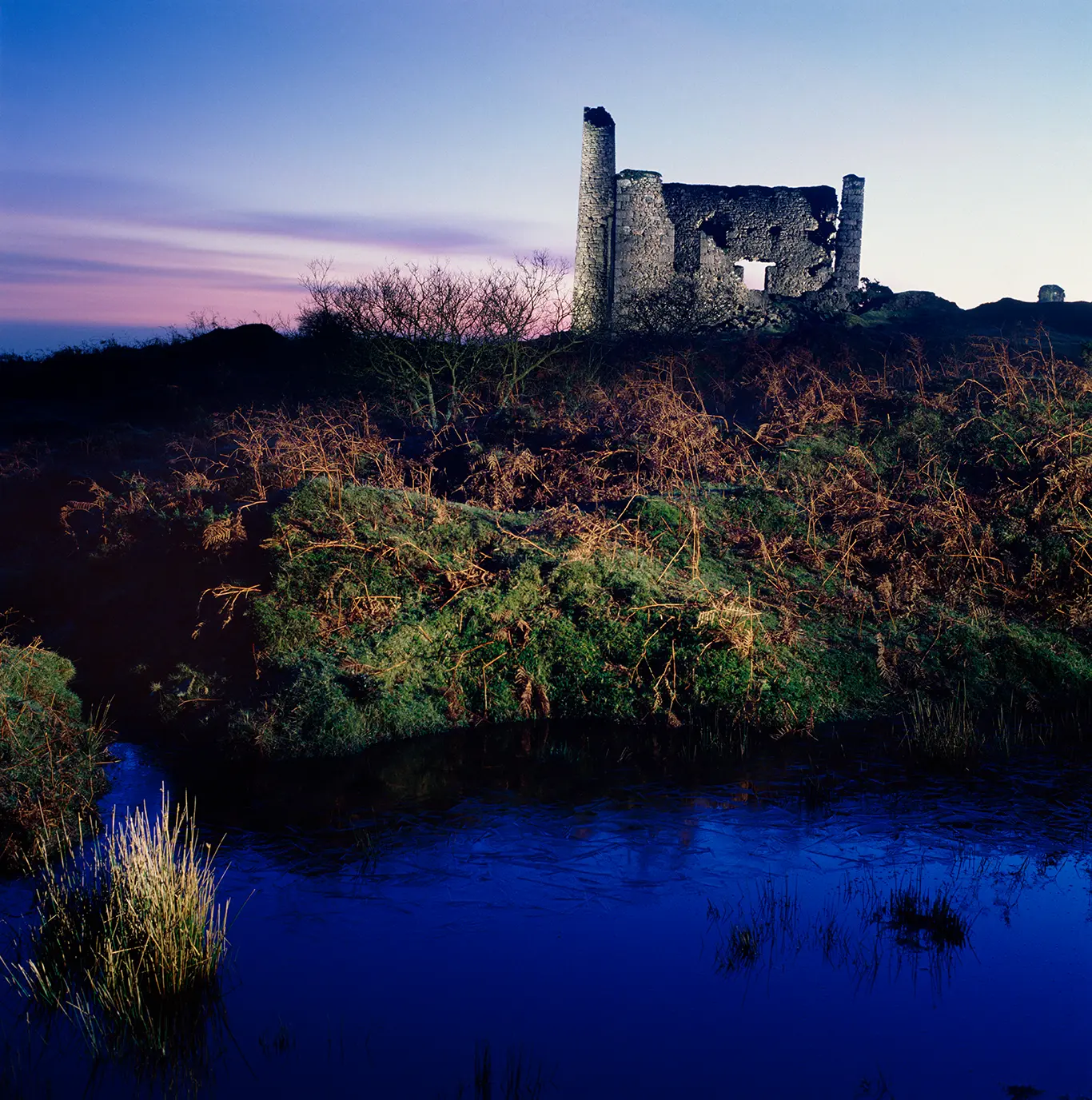
New Phoenix Mine
Engine House, Craddock Moor, Bodmin Moor.
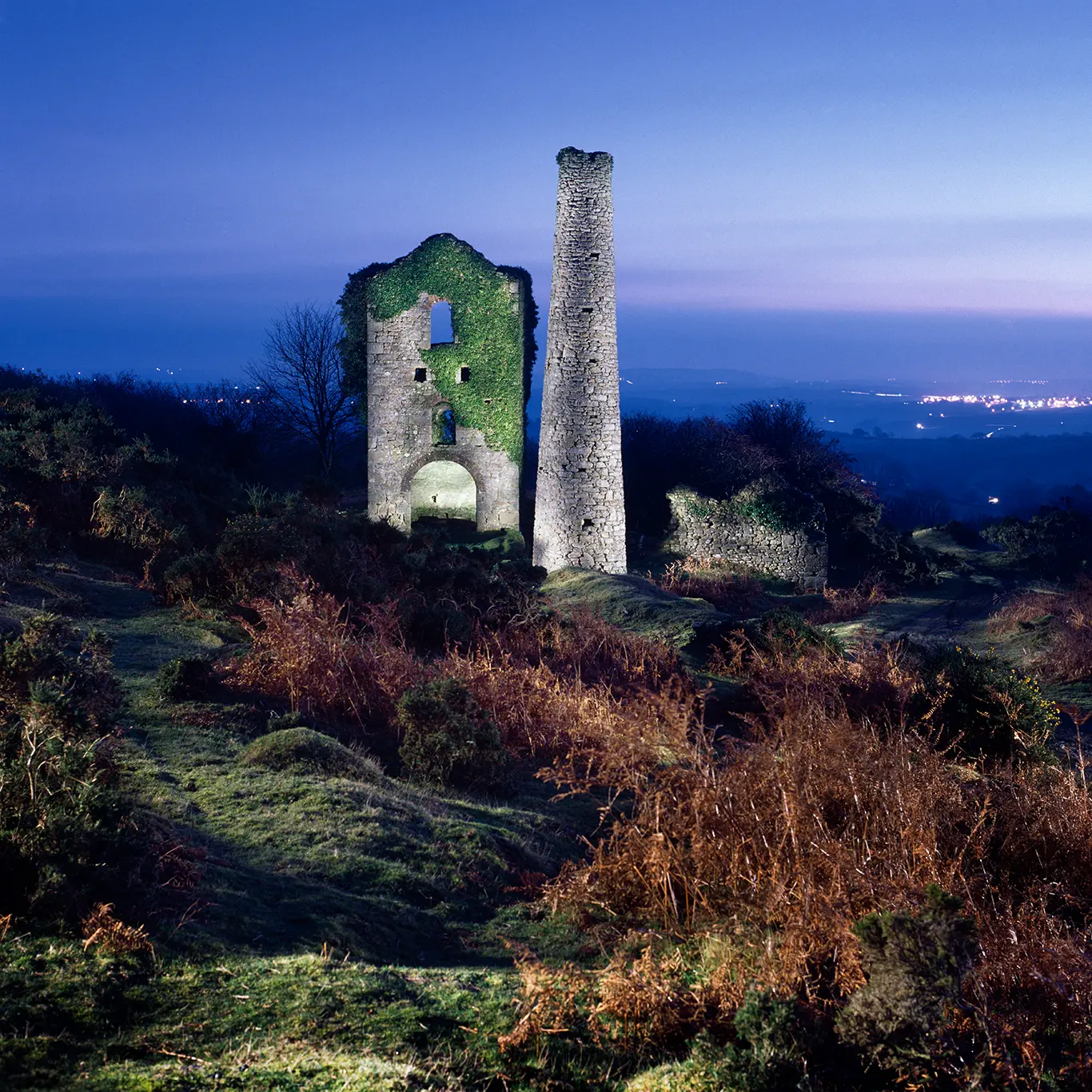
Jope’s Shaft
South Caradon Mine, Bodmin Moor.
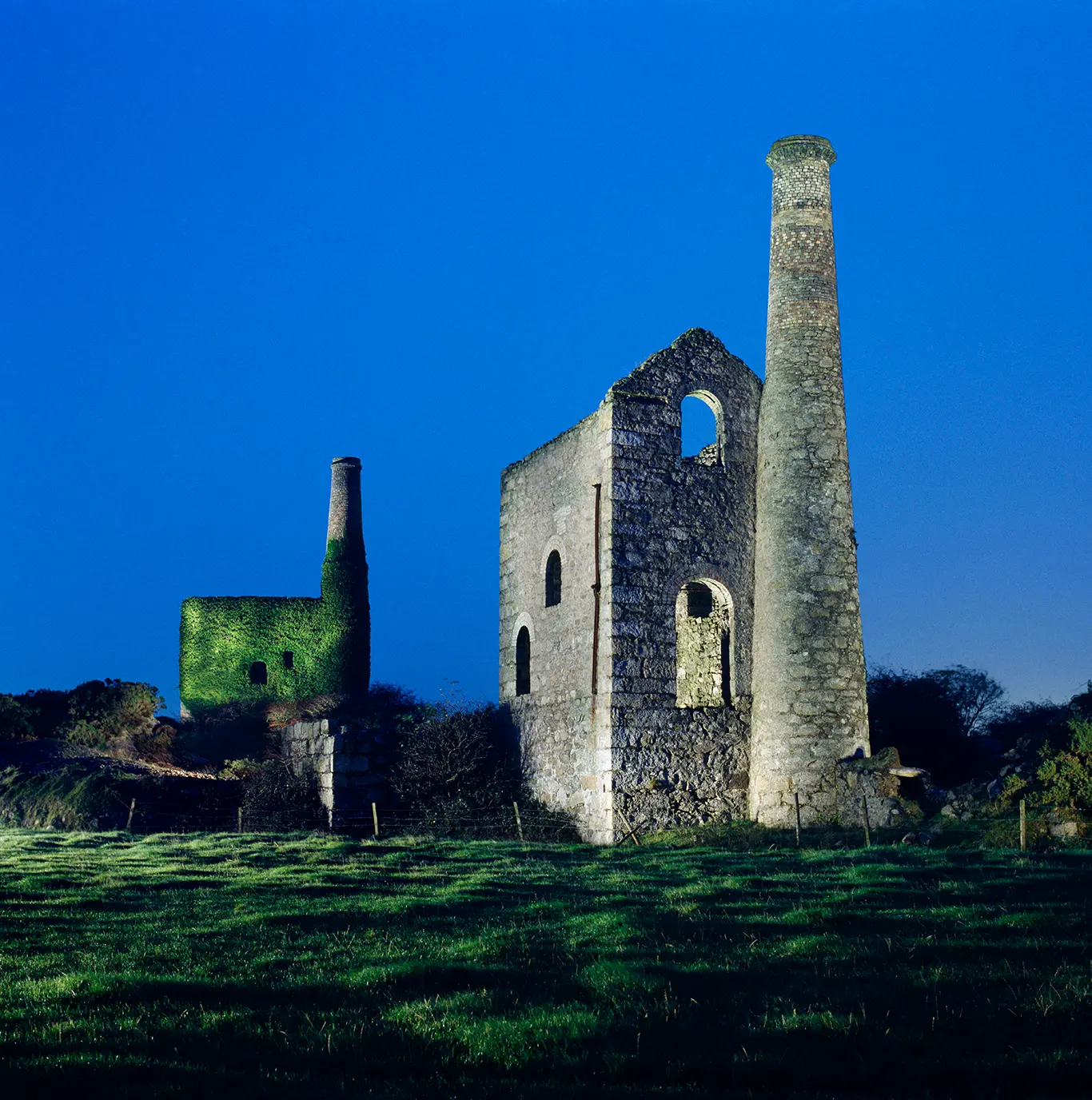
Marshall's Shaft
Pumping station, South Condorrow Mine near Troon, Camborne.
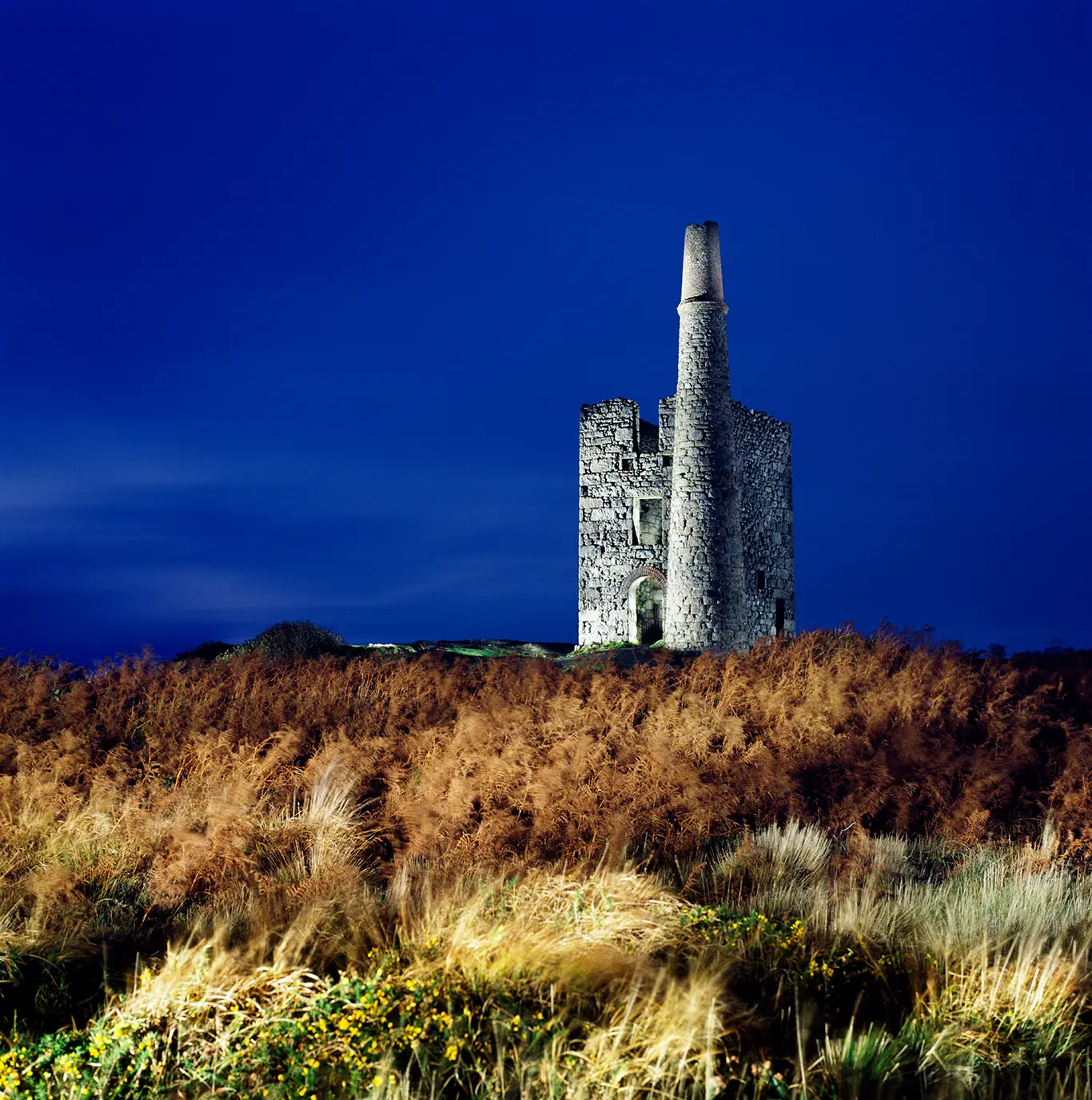
Greenburrow Engine House
The Ding Dong Mine’s engine house from 1865 pumped the mine water out of the shaft.
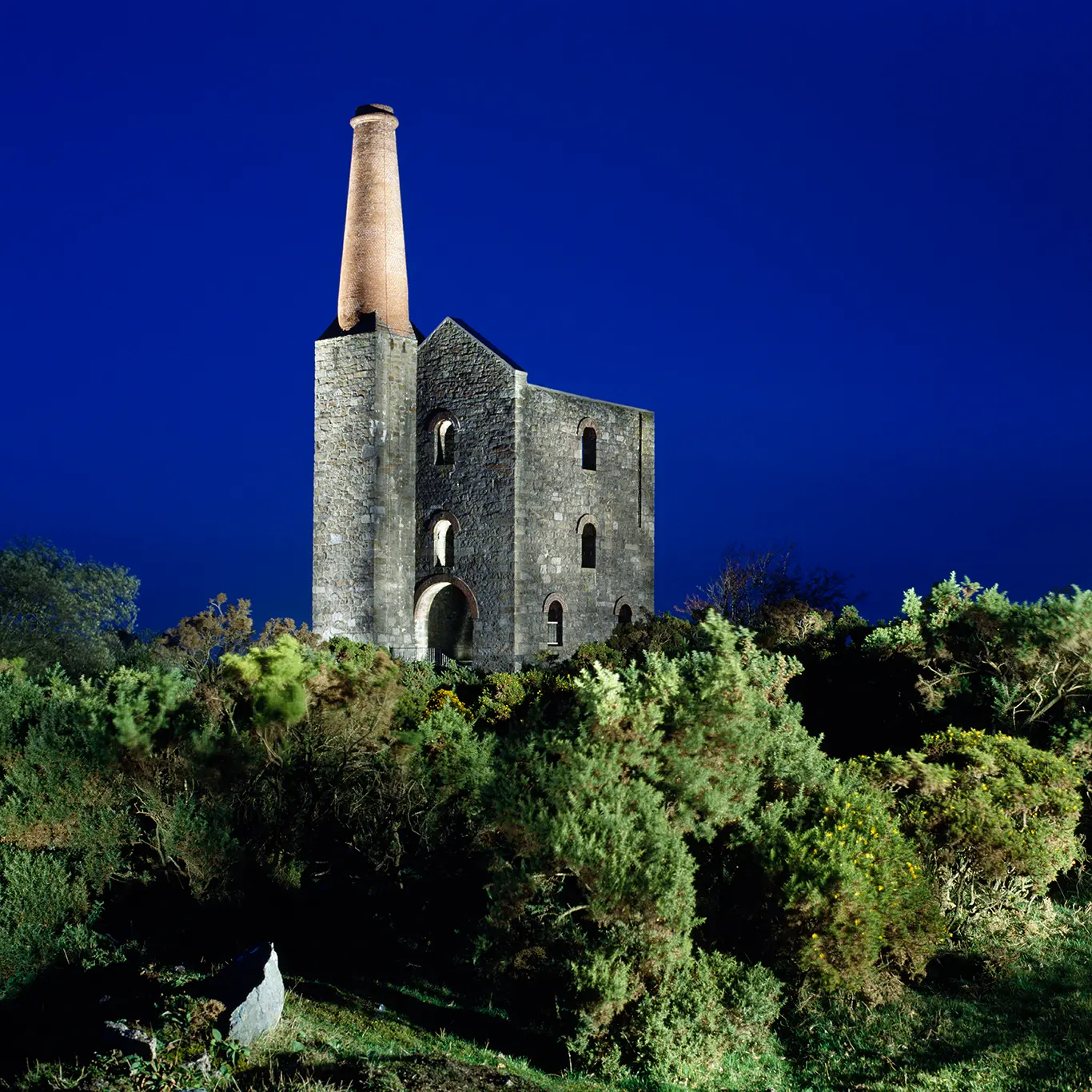
Prince of Wales Engine House
Phoenix United Mine, Bodmin Moor.
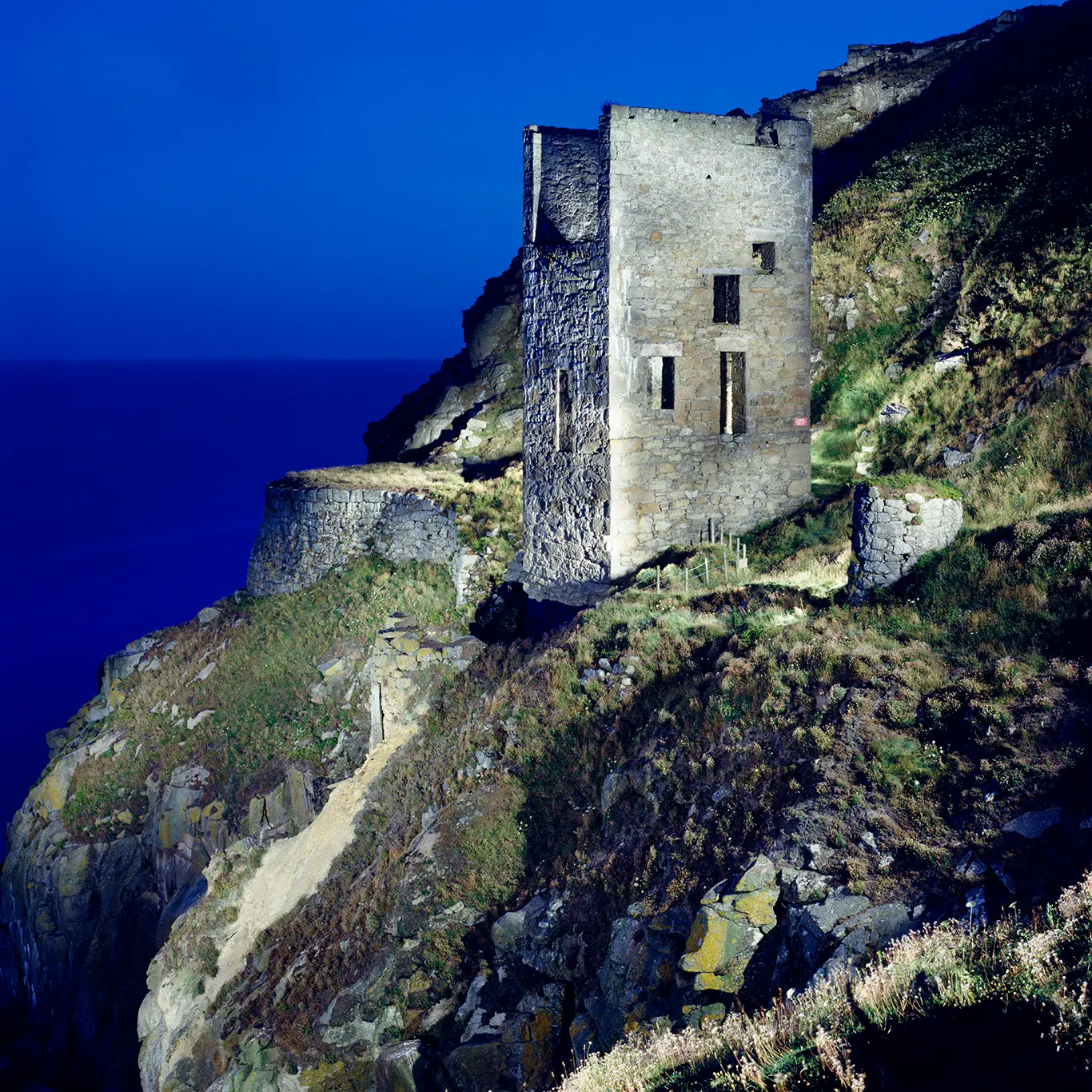
Wheal Trewavas
Built around 1834, the pumping station of the former copper and tin mine stands spectacularly on a narrow terrace at Trewavas Head, overlooking the cliffs. Parts of the mine extended beneath Mount’s Bay. The mine was abandoned in 1846.
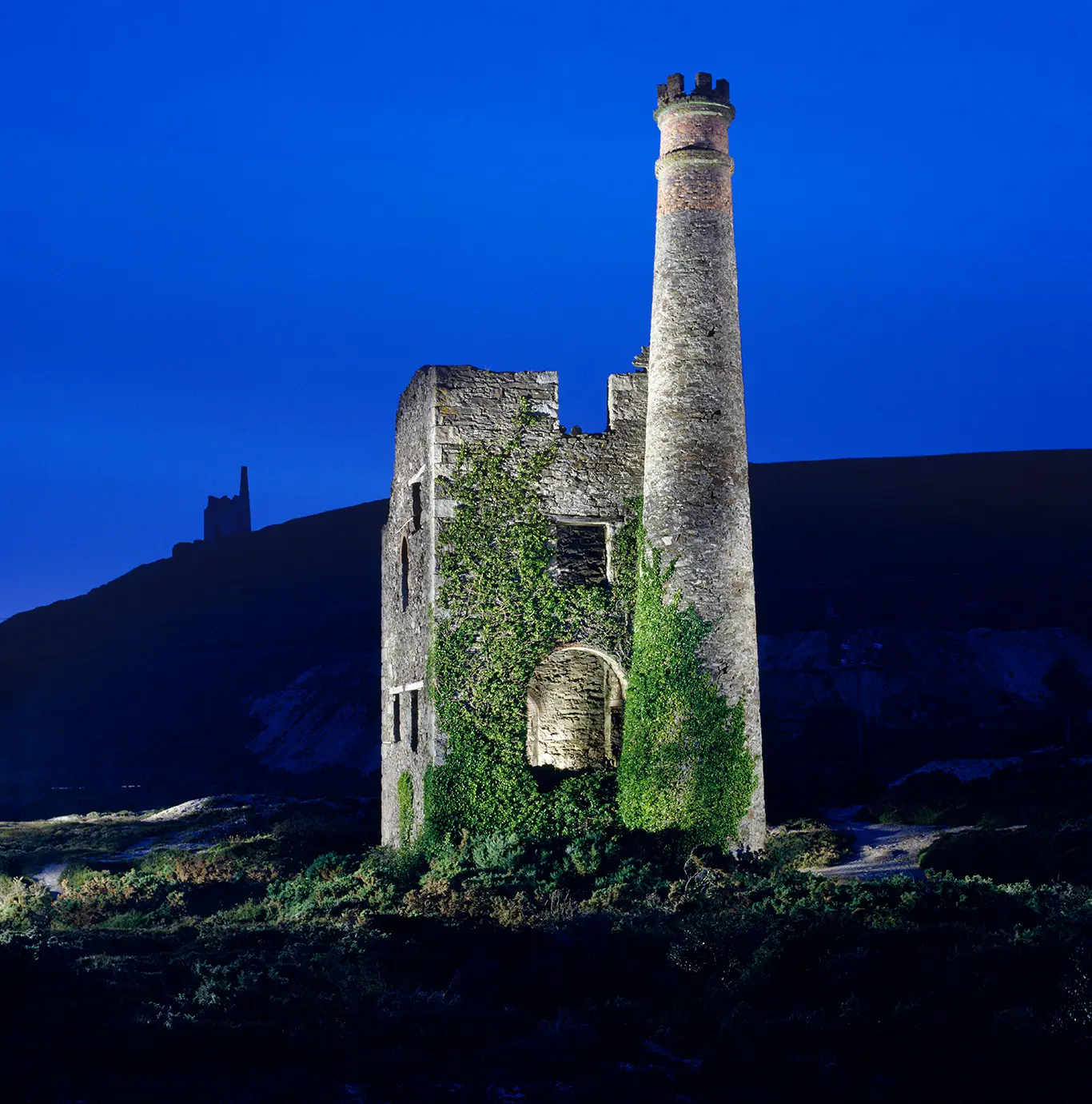
Wheal Ellen
Engine House of the former copper mine near Porthtowan.
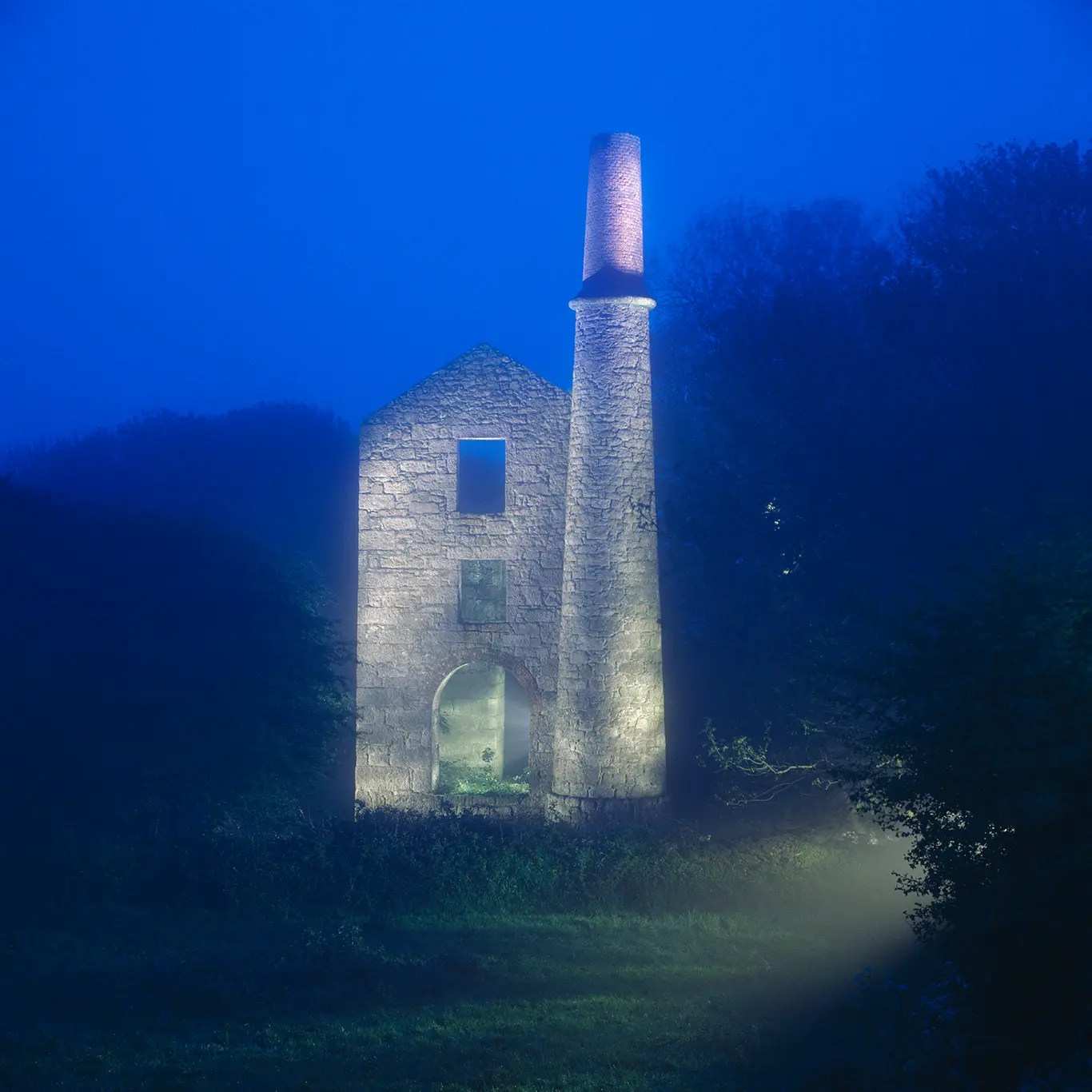
Tyack's Shaft
Engine House in Porkellis.
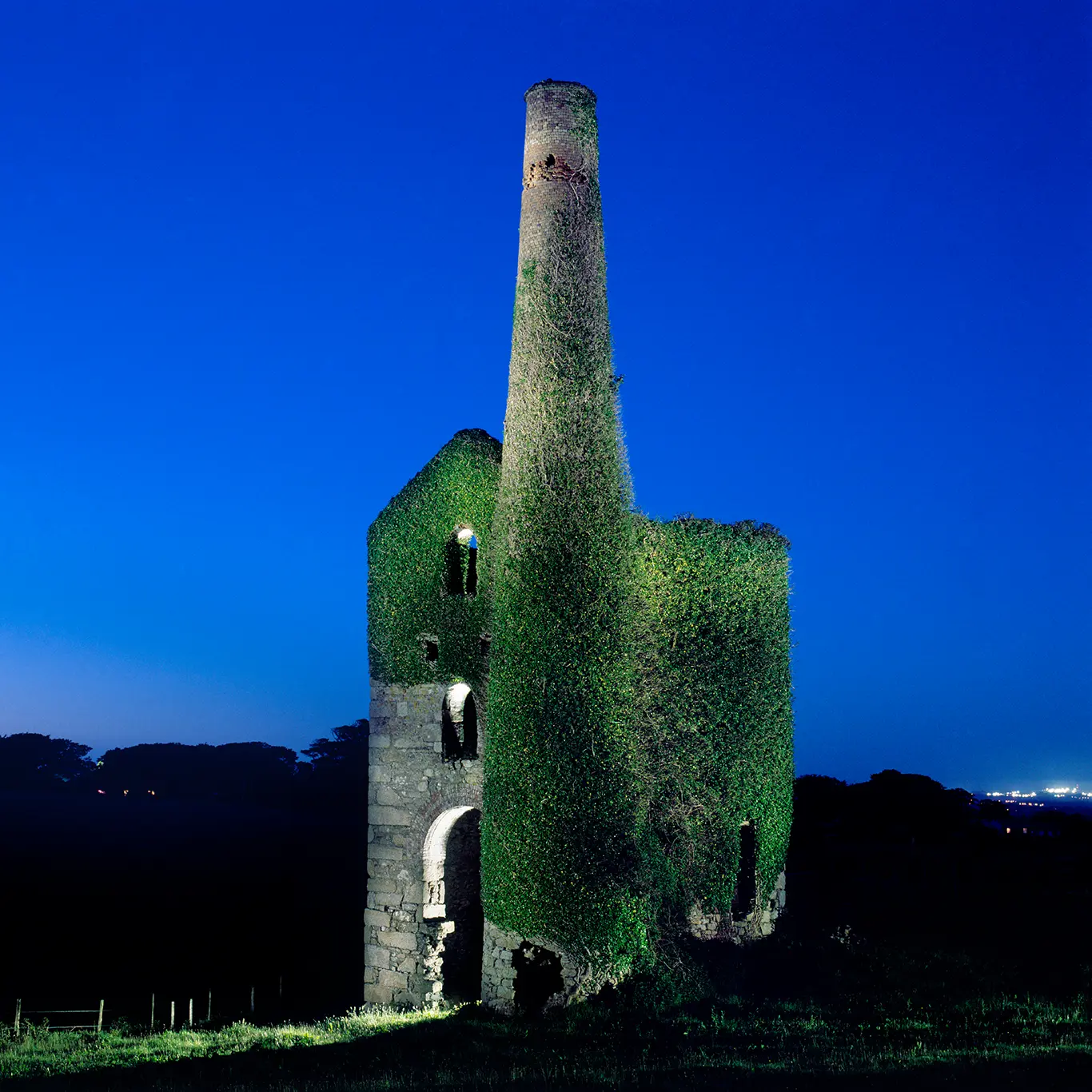
St Aubyn Engine House
Grambler and St Aubyn Mine near St Day.
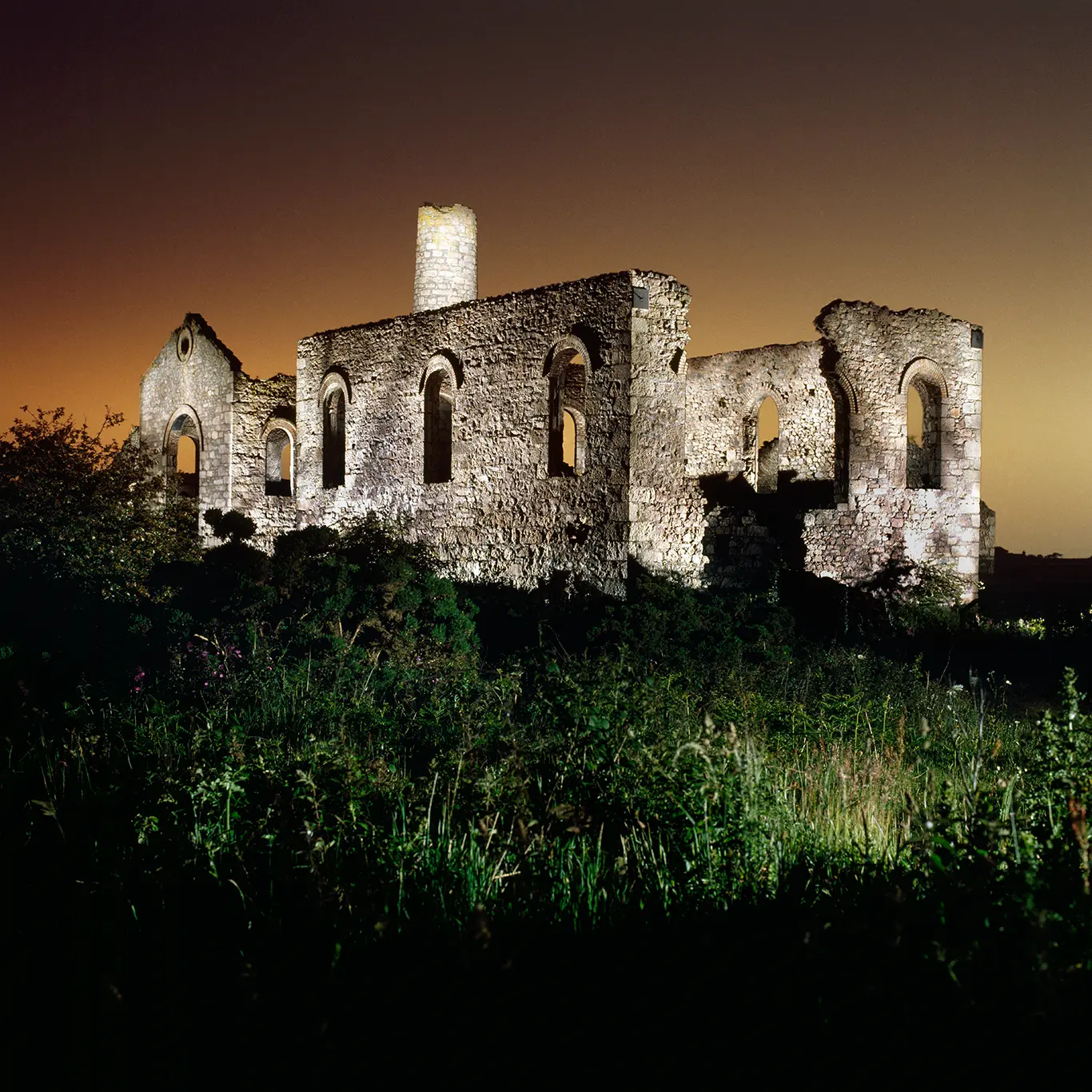
Marriott's Shaft
Wheal Frances near Four Lanes.
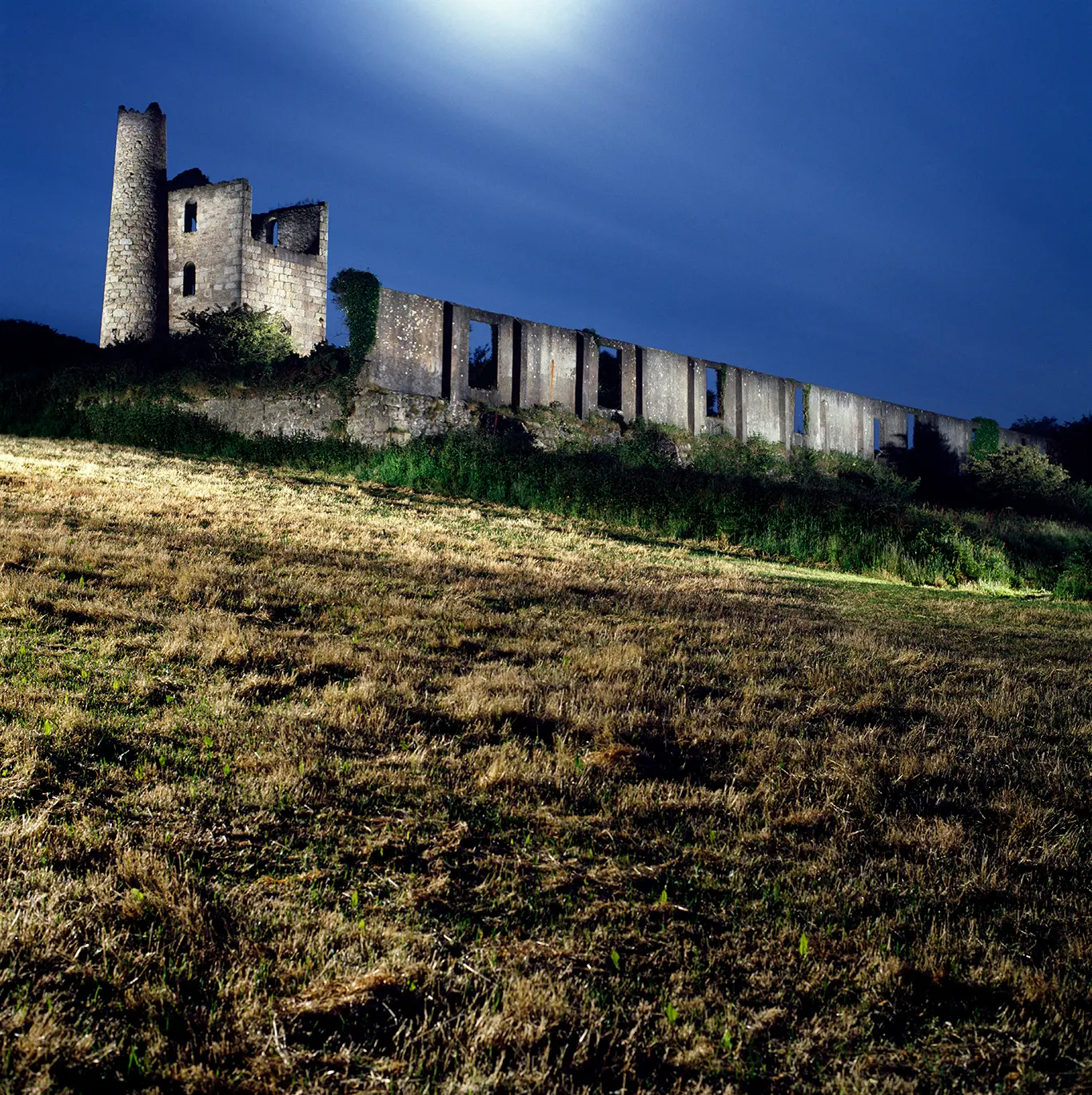
New Stamps
Grenville United Mine bei Troon.
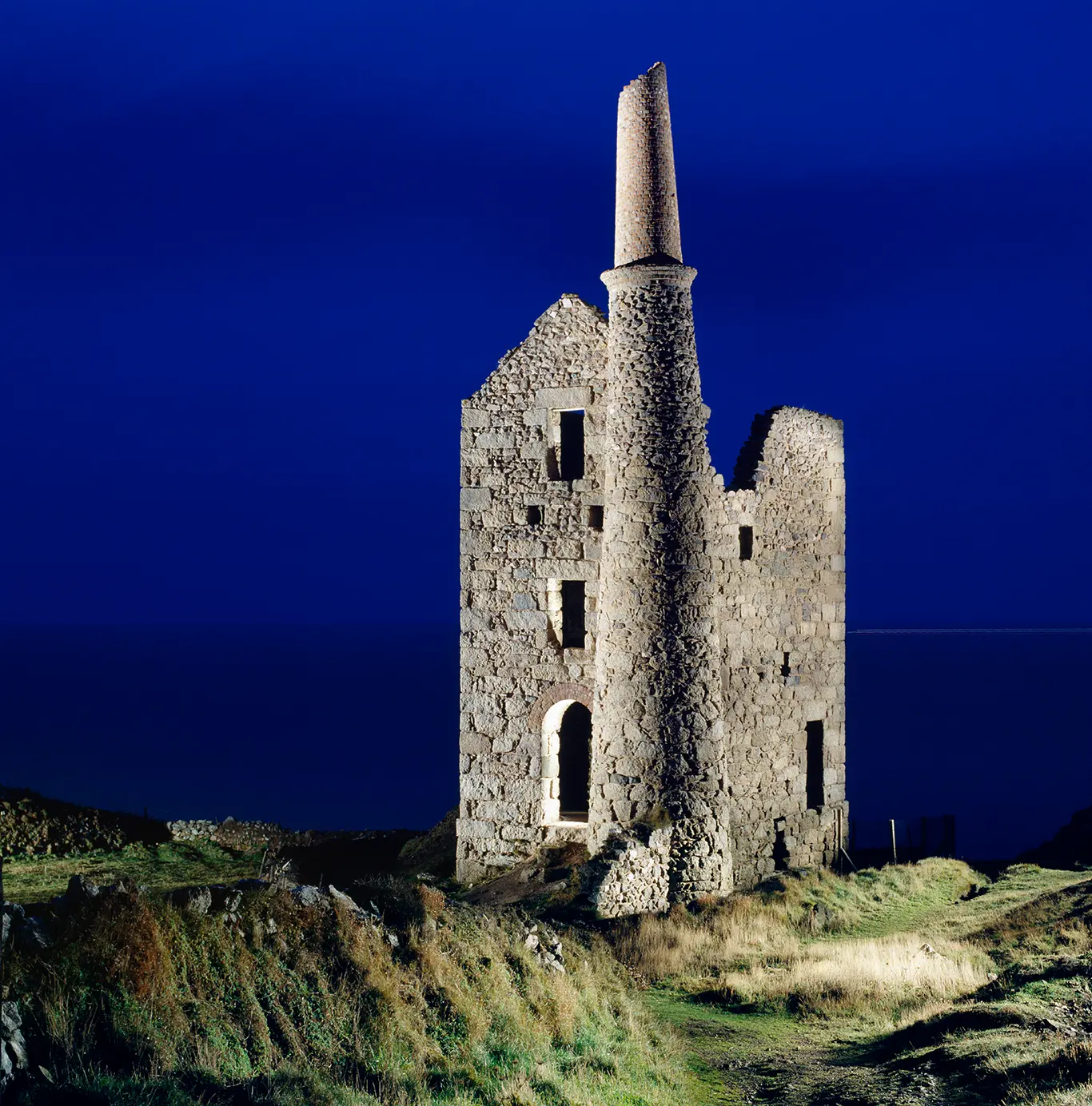
West Wheal Owles
Engine House at the Tin Coast.
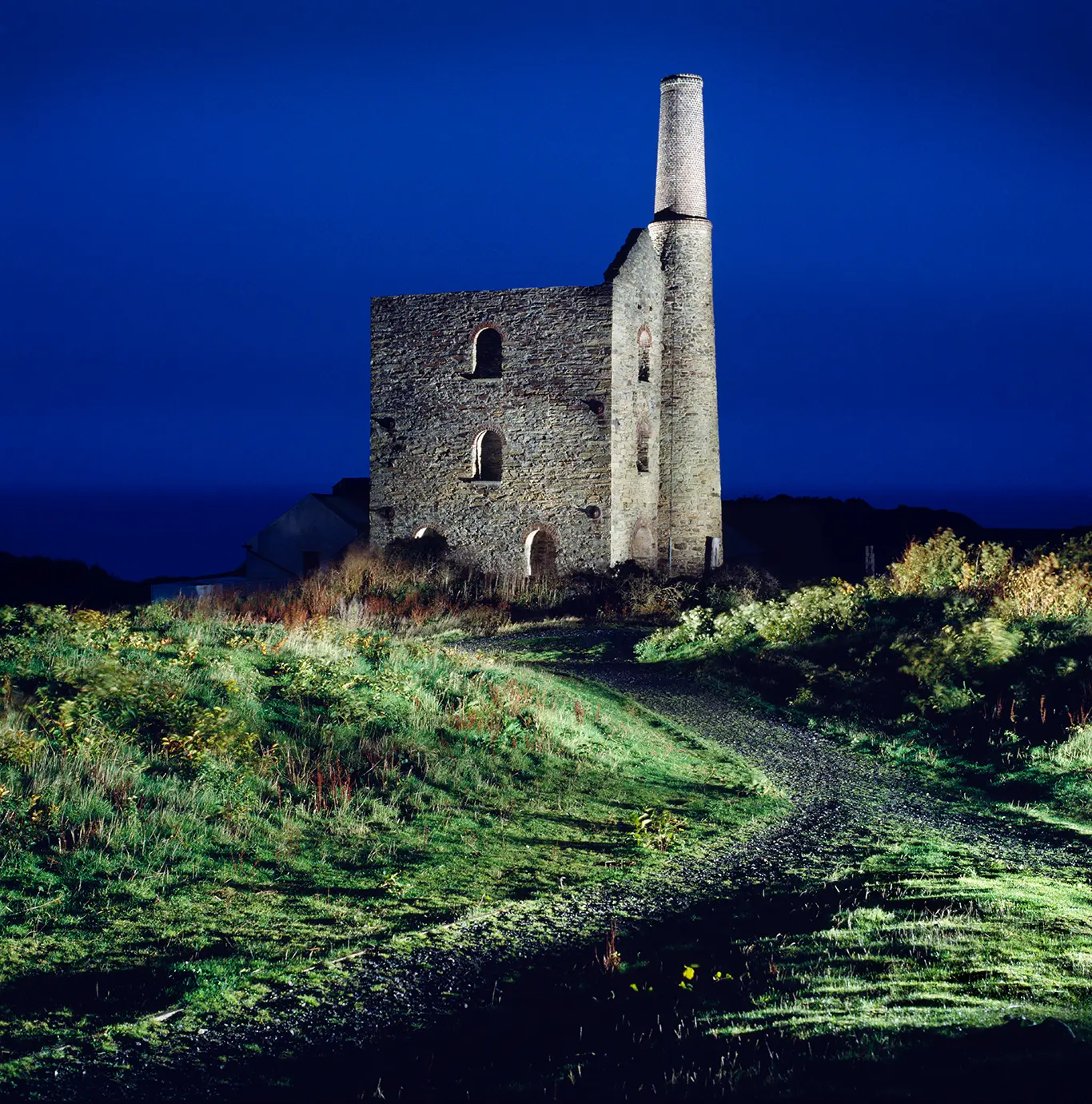
Sara's Shaft
Wheal Kitty, Engine House in St. Agnes.
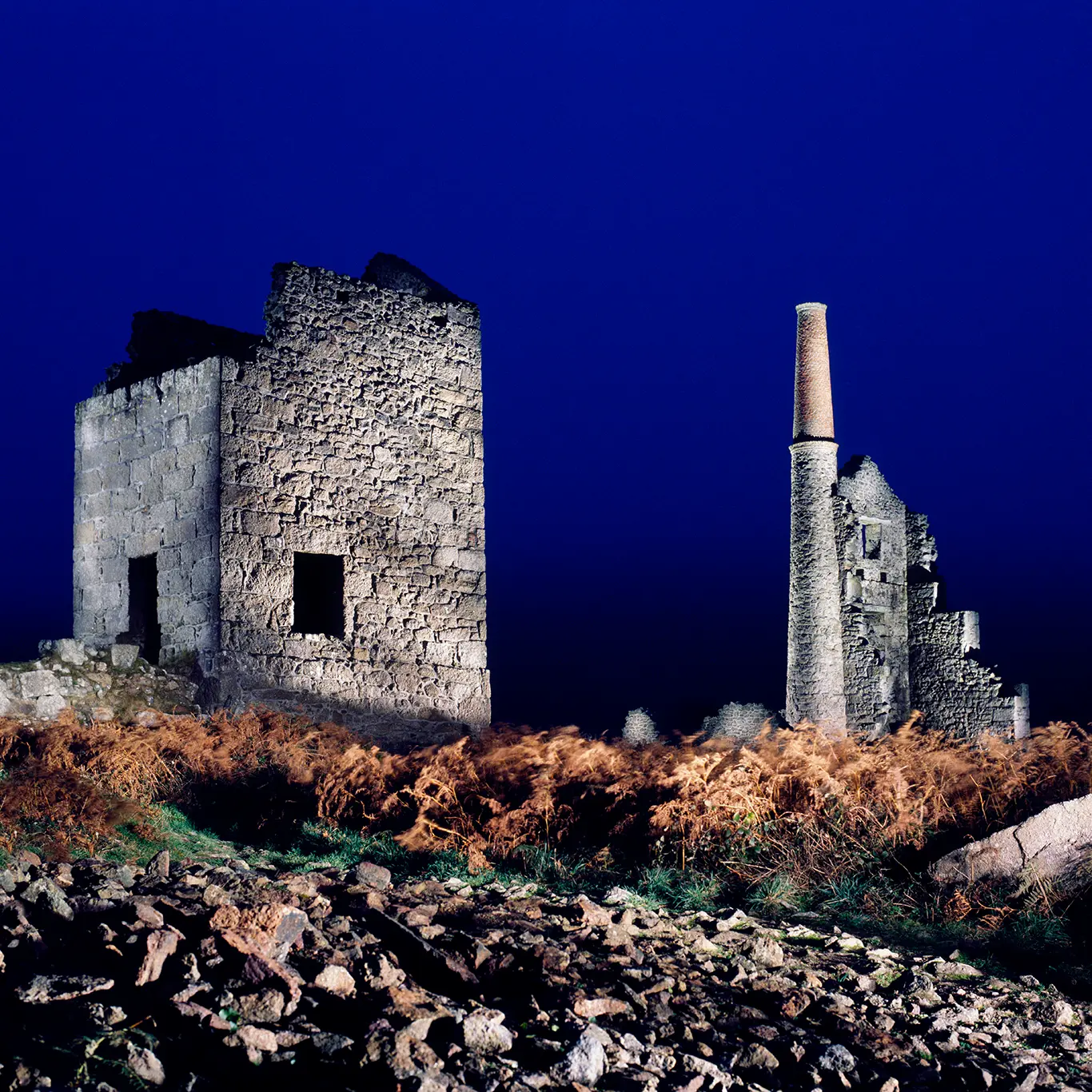
Carn Galver Mine
Engine House near Zennor.
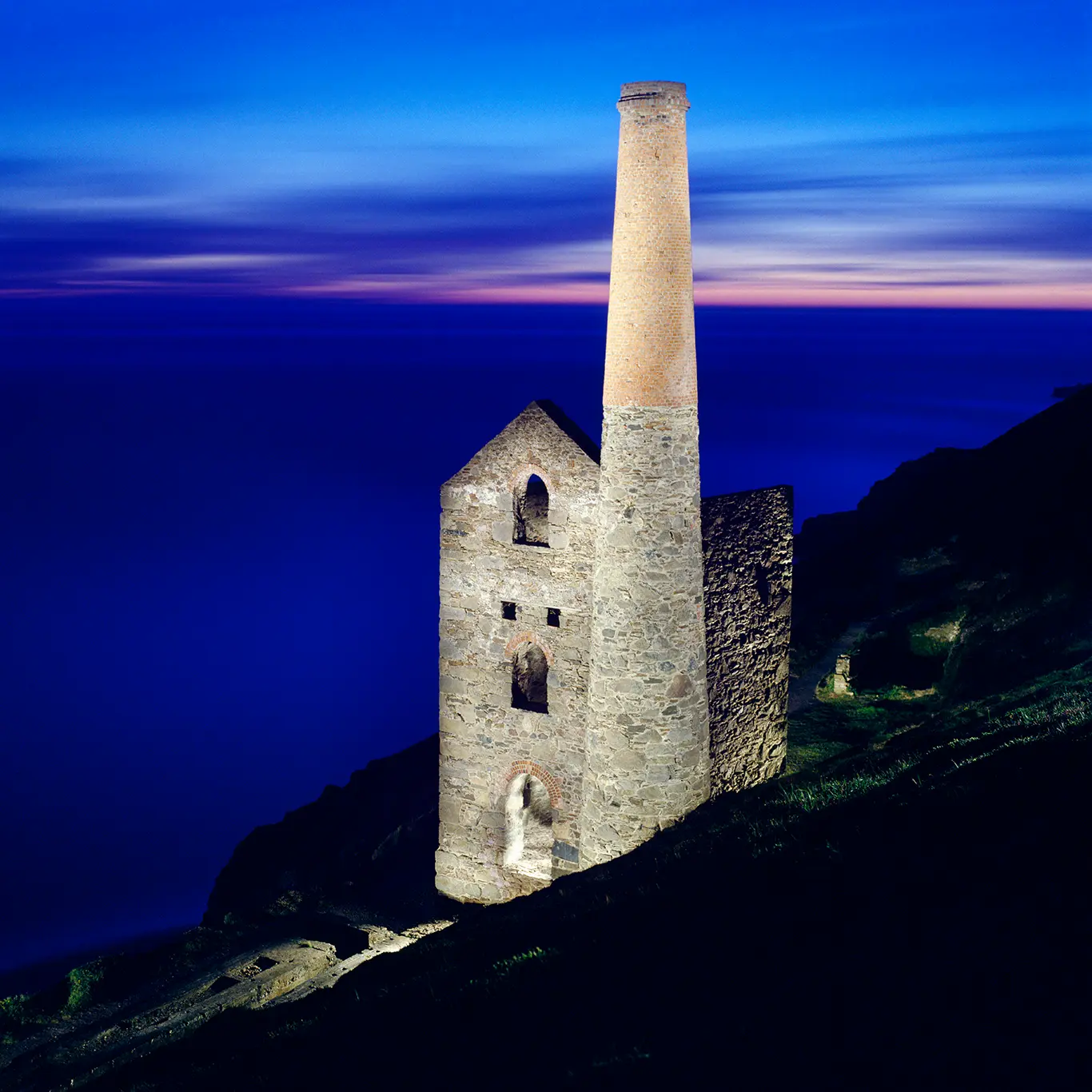
Towanroath Engine House
Wheal Coates near St. Agnes.
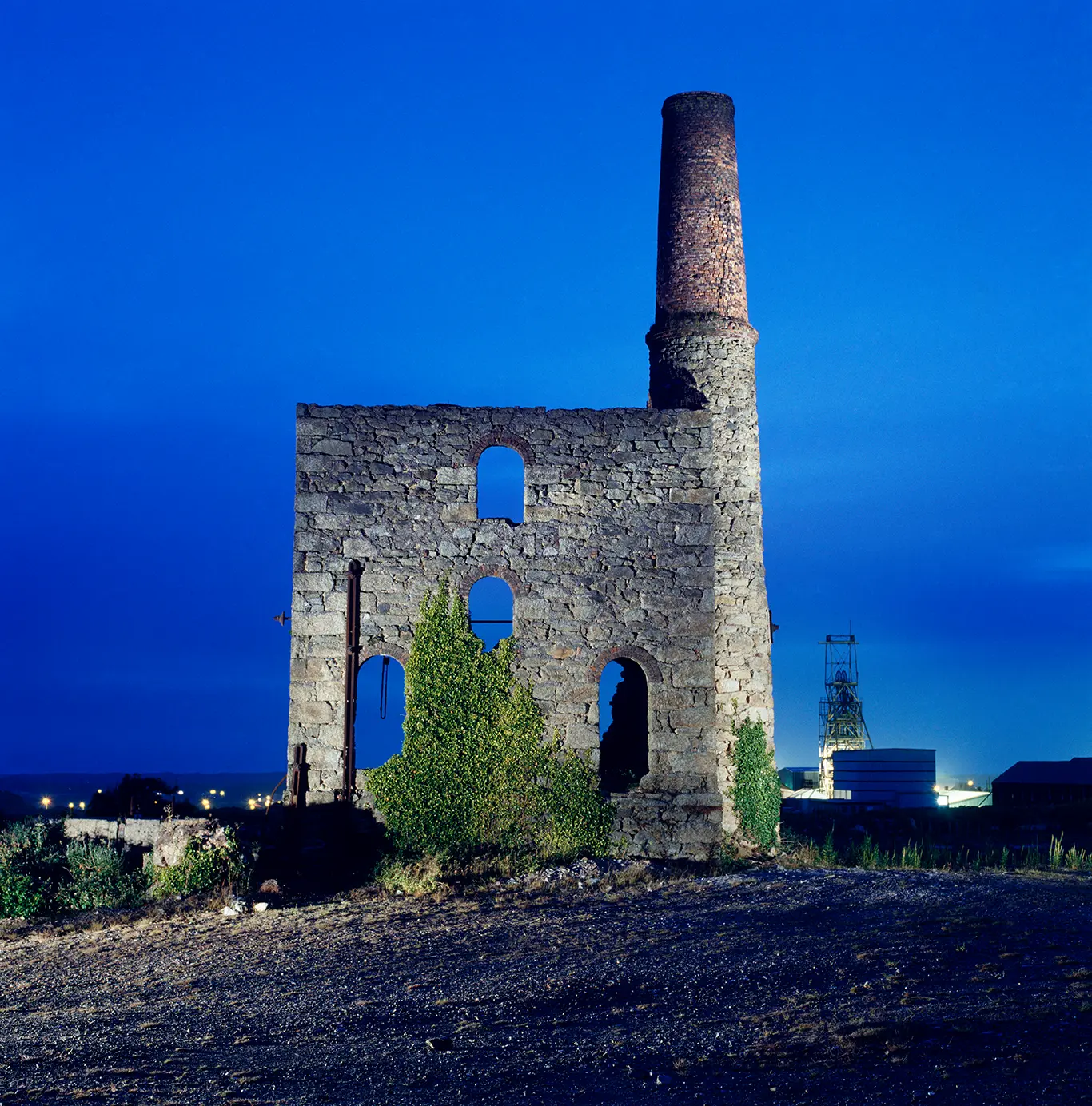
Chapple's Shaft
Cooks Kitchen Mine near Camborne.
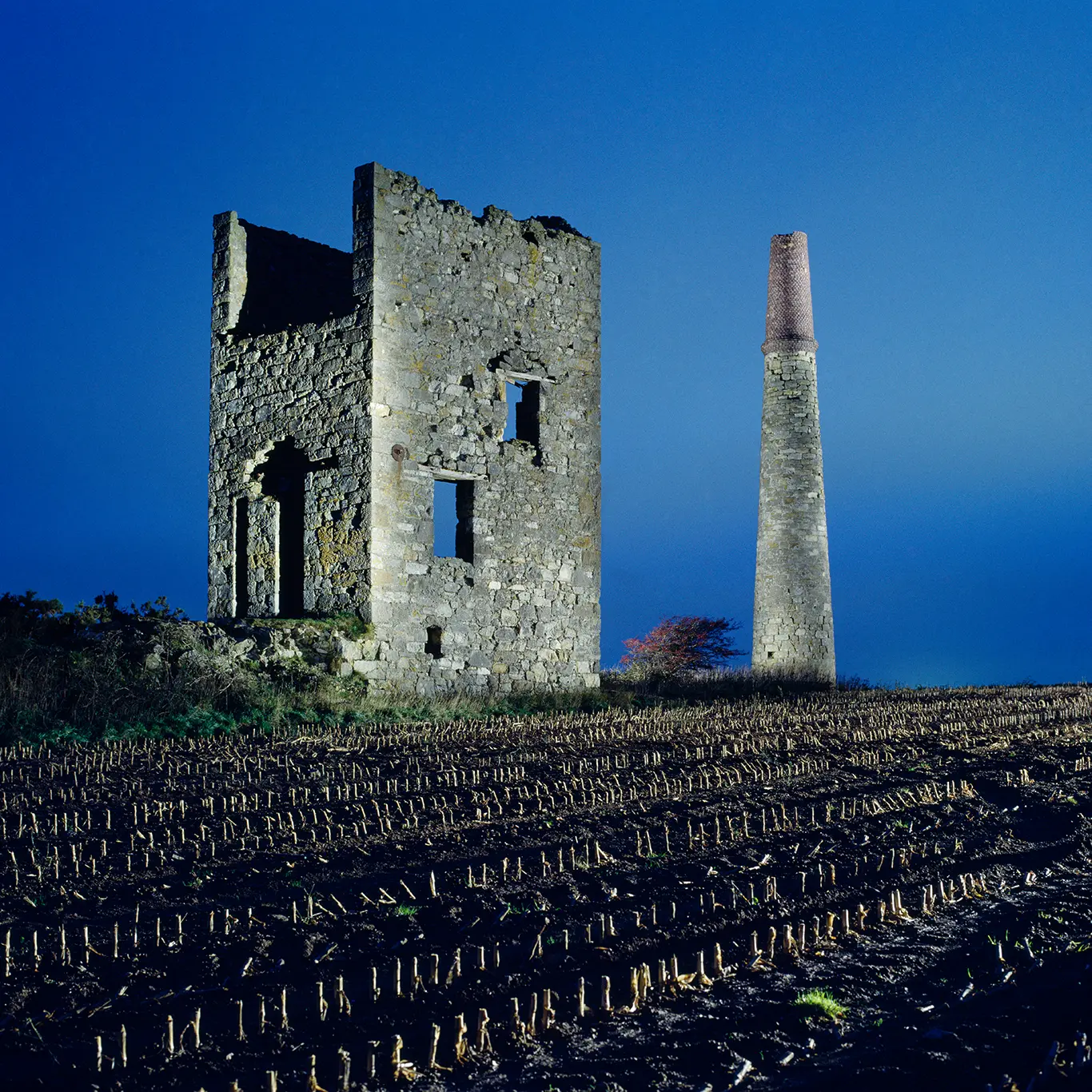
Ventonwyn Mine
Engine House near St. Austell.
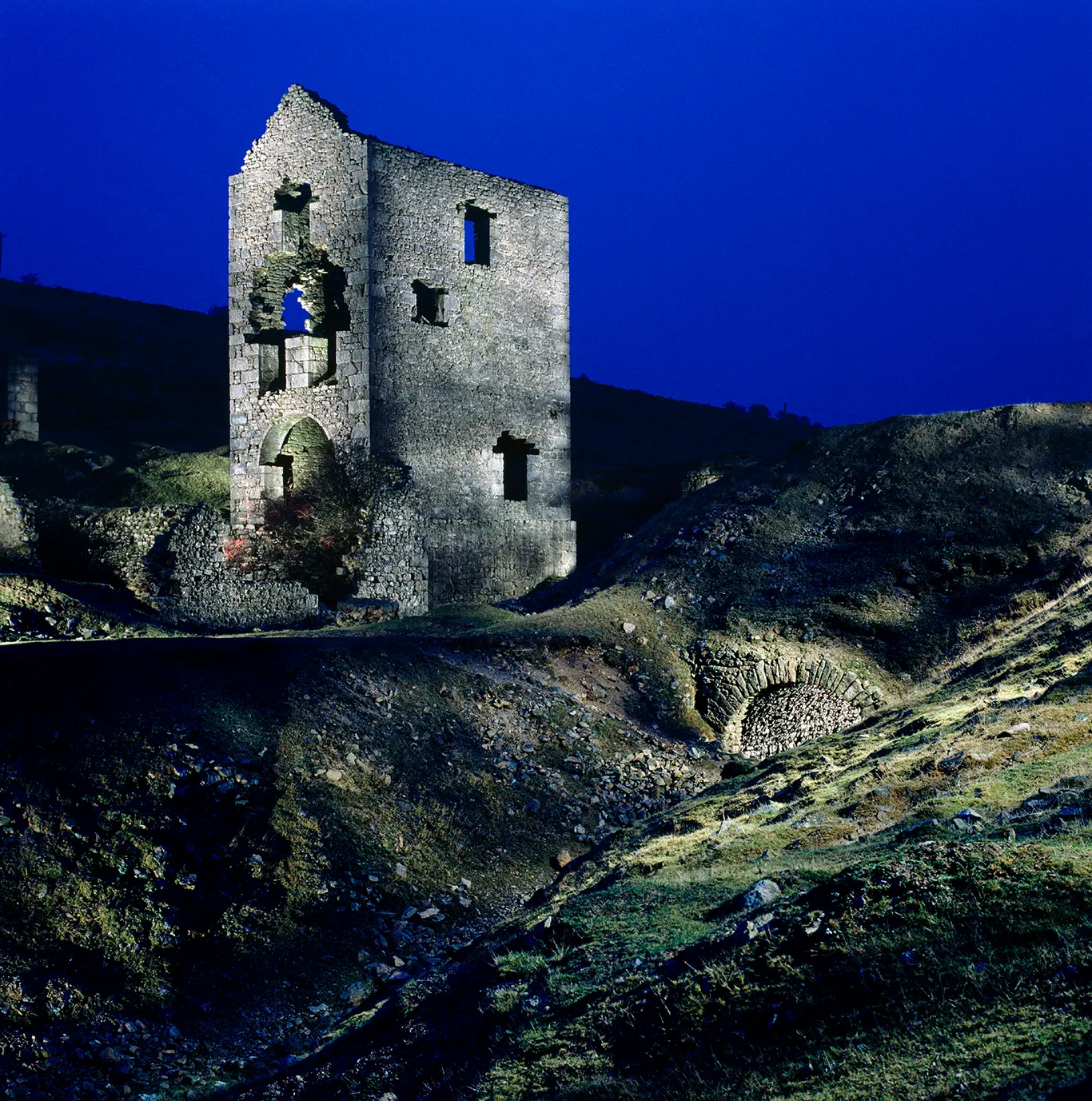
Holman's Shaft
South Caradon Mine, Bodmin Moor.
All other series
- Info
- Landscapes
- The Lightworks
- Portraits
- Projects
From here, you can navigate to all the other series.